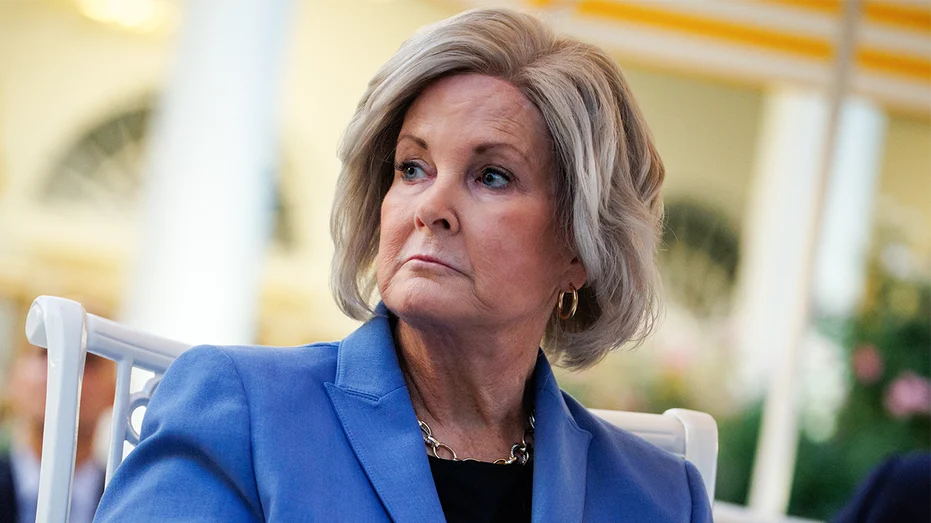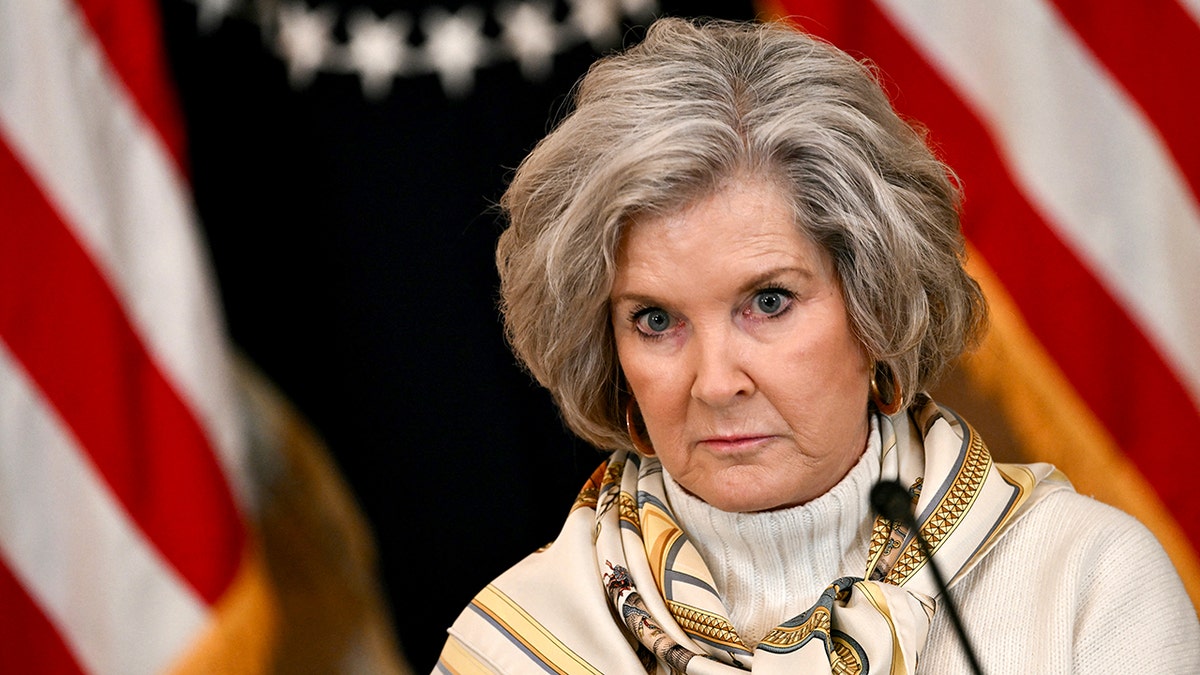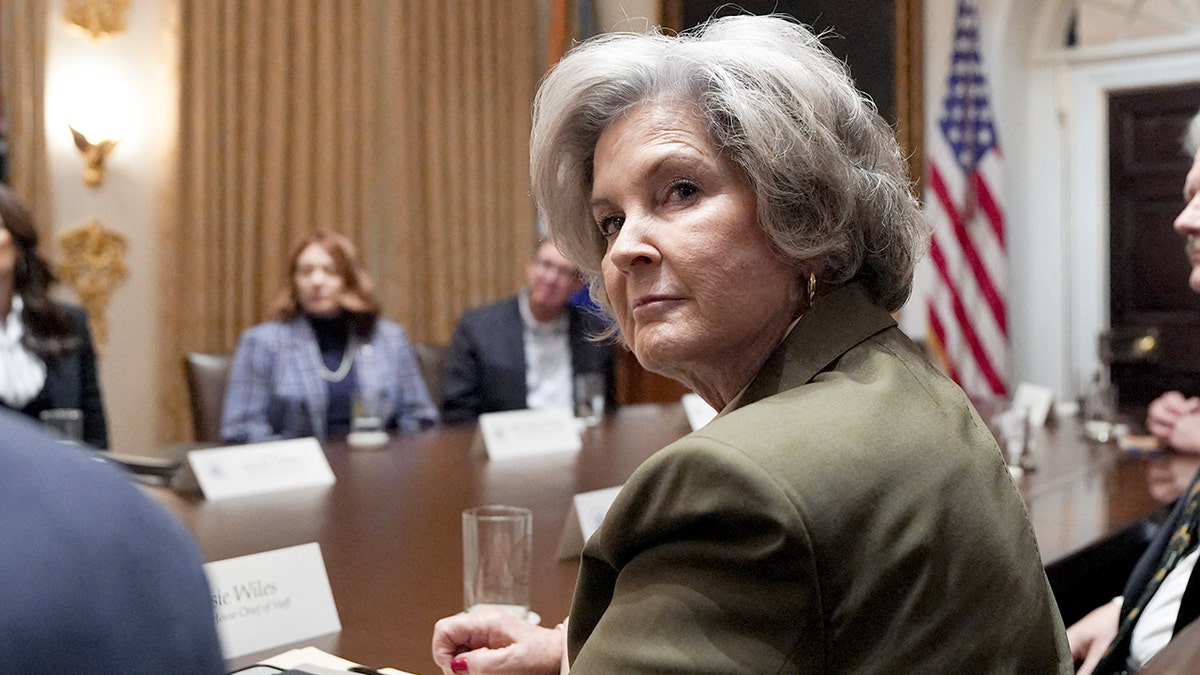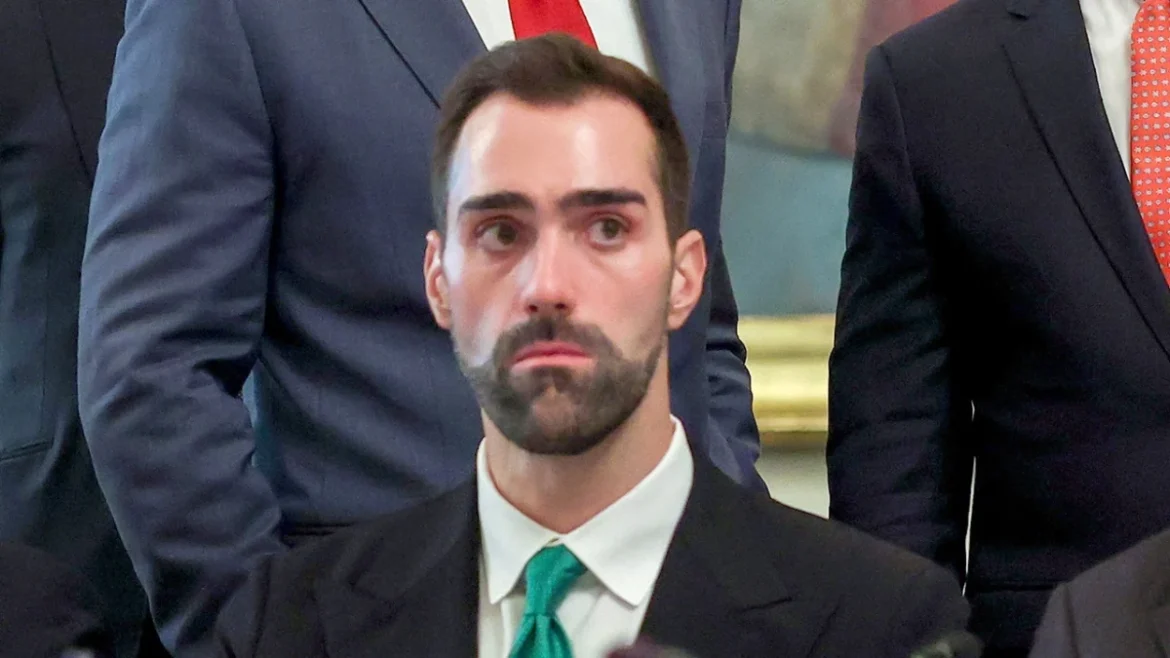
The administrative transition within the Trump White House has entered a new phase of consolidation as the incoming leadership team begins to solidify its ranks. Following the high-profile appointment of Stephen Miller as the new White House Chief of Staff—a move that signals a pivot toward a more aggressive, policy-centric approach—the administration is undergoing a broader personnel restructuring. As part of this transition, White House Deputy Chief of Staff Richard Walters, a veteran operative and key ally of outgoing Chief of Staff Susie Wiles, has officially confirmed his departure from the administration.
This realignment of the West Wing staff comes in the wake of shifting political tides following recent midterm election cycles. The appointment of Miller, a long-time policy advisor and architect of many of the administration’s signature initiatives, suggests that President Donald Trump is prioritizing institutional loyalty and ideological continuity as he prepares to navigate the remaining years of his current term.
The Departure of Richard Walters and the Changing Guard
Richard Walters, who served as the Deputy Chief of Staff for Legislative, Political, and Public Affairs, has been a central figure in the administration’s internal operations. His departure is widely viewed as a symbolic end to the era defined by Susie Wiles’ tenure. Wiles, a seasoned political strategist, was instrumental in managing the day-to-day operations of the White House, known for a disciplined, traditional approach to executive management.
In a statement provided to the press, Stephen Miller addressed the transition, characterizing the departure of Walters not as a severance of ties, but as a strategic shift. "Richard has been an invaluable member of the White House and has helped deliver some of the Administration’s biggest victories," Miller stated. He further noted that while Walters is stepping away from his formal role, he is expected to remain an external consultant or advisor, continuing to support the administration’s legislative and political objectives from the private sector.
A Timeline of the Transition
The current shakeup did not occur in a vacuum; it is the culmination of several weeks of internal assessment regarding the efficacy of the administration’s staffing structure.
- Early November 2026: Initial discussions regarding the restructuring of the Chief of Staff’s office begin following the midterm election results.
- Mid-November 2026: President Trump formally announces the selection of Stephen Miller to replace Susie Wiles.
- Late November 2026: Richard Walters announces his intent to step down, signaling a clean slate for Miller to assemble his own leadership team.
- Monday (Pending): Miller is scheduled to officially assume the role of Chief of Staff, at which point he is expected to announce further senior-level appointments and operational changes.
This transition marks the most significant staffing shift for the administration in the latter half of the decade, reflecting a broader effort to streamline the Executive Office of the President.
The Role of Katie Miller and Personal Adjustments
The ripple effects of this transition extend beyond the formal confines of the West Wing. Katie Miller, a public figure in her own right and spouse of the incoming Chief of Staff, announced on Sunday that she would be concluding her professional media engagement, specifically her podcast, "The Katie Miller Podcast."
The decision underscores the personal sacrifices often necessitated by high-level government service. In a statement released via social media platform X, Katie Miller explained that the intensity of her husband’s new responsibilities, combined with the demands of raising four children, necessitated a shift in family priorities. "With Stephen taking on this new role for President Trump, I’ve decided to stop recording new podcast episodes," she wrote. "Nothing is more important than raising our four kids. While I’ve loved the podcast, the time commitment is too great and now is the time to step away."
This announcement provides a window into the personal logistics involved when a key policy advisor assumes the highest-ranking staff position in the federal government. The podcast is expected to air two final pre-recorded segments before permanently ceasing production.
Strategic Implications for the Administration
The elevation of Stephen Miller to the position of Chief of Staff is widely interpreted by political analysts as a signal that the administration intends to double down on its populist agenda. Miller, who served as a senior advisor during the President’s first term and throughout the current administration, is known for his deep involvement in immigration policy, trade, and national security initiatives.
By installing a confidant with such a specific ideological background, President Trump is effectively removing the layers of traditional bureaucracy that often characterize the Chief of Staff office. The appointment suggests that the administration will prioritize "direct-to-policy" actions over the more moderate, coalition-building strategies that were often associated with Wiles.
Analytical Overview: Personnel Trends
The departure of legacy staff like Walters in favor of Miller-aligned personnel suggests a "clearing the deck" strategy. Historically, second-term administrations often seek to replace broad-based political operatives with "true believers" to ensure that the President’s agenda is implemented without internal friction.
Data from the past two years indicate that the administration has faced significant hurdles in the legislative branch, particularly regarding border security and economic deregulation. Miller’s appointment is likely intended to overcome these legislative bottlenecks by utilizing a more assertive political strategy. Observers expect that the new leadership team will focus on maximizing executive orders and streamlining the federal rulemaking process to circumvent traditional legislative stalemates.

Broader Impact on White House Operations
The transition of the Chief of Staff office is the most critical personnel change an administration can undergo. The Chief of Staff controls access to the President, dictates the flow of information, and serves as the final arbiter for administrative policy.
Under Susie Wiles, the office was characterized by a steady hand and a focus on process-driven results. Under Stephen Miller, the office is expected to shift toward an "advocacy-driven" model. This change is not merely cosmetic; it will likely affect how cabinet secretaries interact with the Oval Office and how the administration communicates its objectives to the American public.
For the remainder of the President’s term, the focus will likely remain on consolidating executive power. Critics of the administration have expressed concern that this move toward a more monolithic inner circle could reduce the diversity of opinion within the White House. Conversely, supporters argue that the move is necessary to fulfill campaign promises and ensure that the President’s vision is executed with maximum efficiency.
Conclusion and Future Outlook
As Monday approaches, the White House is bracing for what is anticipated to be a rapid period of reorganization. With Richard Walters vacating his seat and Stephen Miller preparing to overhaul the senior staff, the administration is entering a definitive new phase.
The resignation of Walters serves as a reminder of the transient nature of political appointments in Washington. As the administration enters the next chapter of its governance, the focus will inevitably shift toward the specific policies that the Miller-led team chooses to prioritize. Whether this change in leadership results in the "big victories" promised by the administration remains to be seen, but the intent behind the restructuring is clear: a total commitment to the President’s core ideological platform, supported by a team that is fully aligned with that mission.
The administration has not yet released the full list of appointees who will join Miller’s new leadership team, but insiders expect that current vacancy announcements will be filled quickly to ensure a seamless transition. As the dust settles on these high-level departures, the focus of the press and the public will remain firmly on the West Wing, where the new architecture of the administration is being built in real-time.