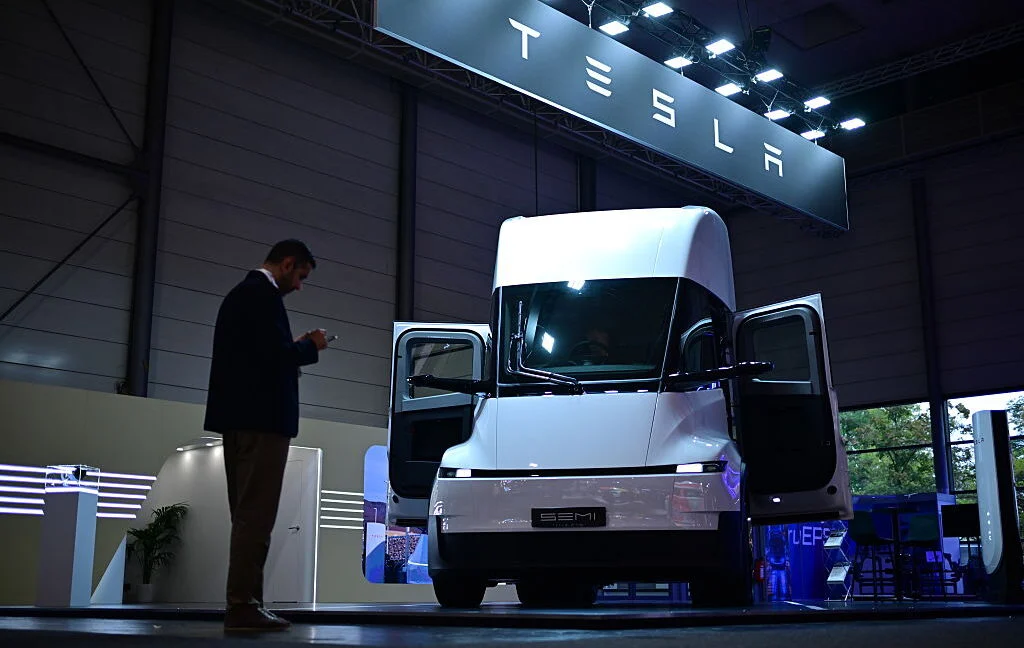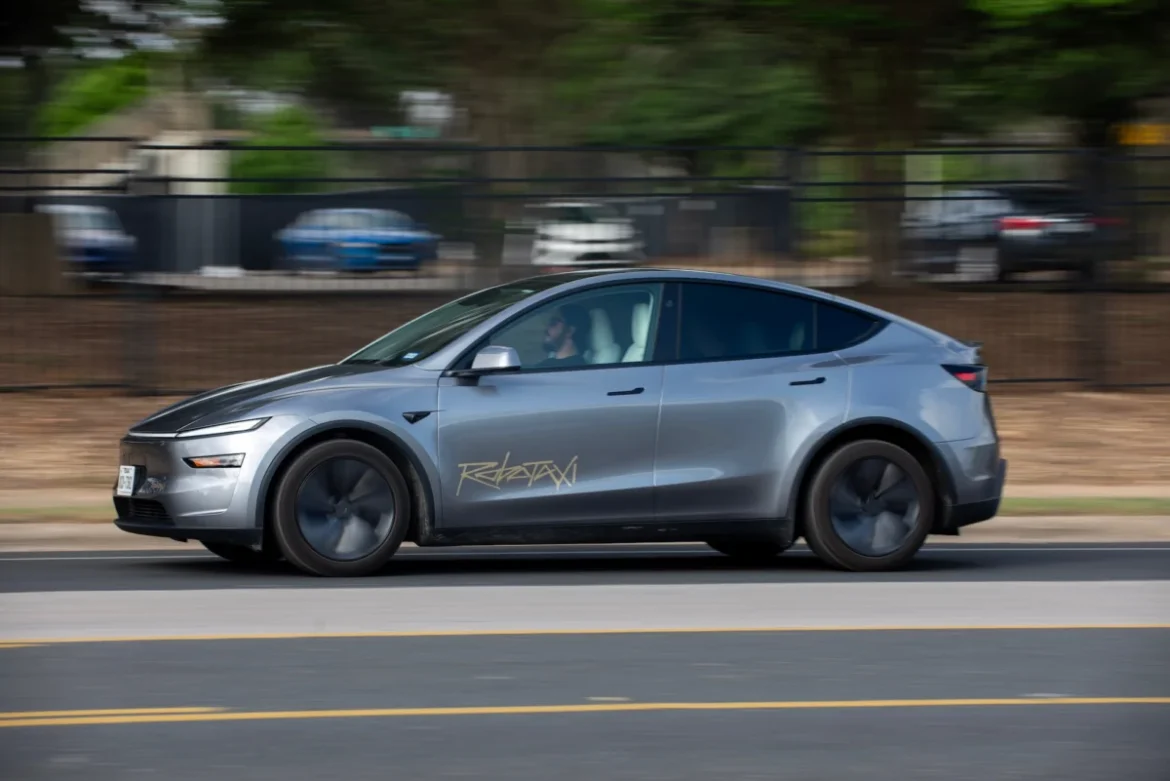
The American freight and logistics landscape is undergoing a massive, unexpected transformation. A coalition of major corporate shippers, featuring industry titans such as Microsoft and PepsiCo, has finalized a record-breaking procurement agreement for 2,500 Tesla Semi electric trucks. Deliveries are scheduled to commence immediately and roll out progressively over the next eighteen months. If successfully fulfilled, this single deployment will nearly double the entire population of heavy-duty electric commercial vehicles currently operating on United States roadways.
This monumental commercial shift arrives against a backdrop of deep political irony and severe macroeconomic turbulence. The transaction unfolds just months after the Trump administration—backed by millions of dollars in campaign donations from Tesla CEO Elon Musk—slashed billions of dollars in federal subsidies and support systems designed to accelerate the adoption of electric vehicles. Simultaneously, federal regulators are actively working to rollback fuel economy standards for heavy-duty truck engines, lowering environmental bars that manufacturers were previously expected to clear.
Yet, despite the sudden evaporation of federal tailwinds and regulatory nudges, market forces are stepping in to fill the void. Ongoing geopolitical instability in the Middle East, specifically the protracted conflict involving Iran, has severely disrupted global crude oil production and maritime shipping lanes. The resulting shockwaves have sent US diesel prices skyrocketing to historic highs, with retail fuel costs nearly doubling compared to the same period last year. For freight operators running millions of miles annually, the economic calculus has fundamentally shifted away from fossil fuels, regardless of political shifts in Washington.
The Economic Realities of Freight Electrification
During a pre-taped address discussing the historic fleet order, Elon Musk addressed the macroeconomic climate and the ironies of the current regulatory environment. Pointing directly to the energy crunch exacerbated by the ongoing Middle East conflict—sparked by an administration he previously advised through the Department of Government Efficiency (DOGE)—Musk emphasized the undeniable financial logic driving the transition.
"The truck is going to make a ton of sense economically because the cost of electricity is much less than the cost of diesel, especially in these crazy times," Musk stated.
Heavy-duty commercial trucks represent a disproportionate share of the nation’s environmental footprint, accounting for roughly 7 percent of all US greenhouse gas emissions. For years, environmental advocates and policy experts argued that stringent federal mandates were the only viable pathway to decarbonizing the freight sector. However, the current energy shock has inverted that logic. Fleet operators are no longer adopting electric trucks solely to meet corporate sustainability pledges or comply with government mandates; they are doing so to protect their operating margins from volatile, hyper-inflated fossil fuel prices.
The coalition of shippers behind the record-setting order was assembled through a cooperative demand-pooling strategy. By consolidating purchasing power across multiple major enterprises, the participating companies successfully negotiated volume-based price reductions with manufacturers.
Meena Bibra, a spokesperson for the nonprofit Smart Freight Centre, which helped facilitate and coordinate the multi-company agreement, shed light on the rigorous selection process. According to Bibra, the coalition evaluated several competing manufacturers before ultimately awarding the contract to Tesla. The decision-making process involved "assessing price, performance, production capability, and service support."
While Tesla secured the lion’s share of this specific procurement cycle, industry analysts note that the broader market remains competitive. Fleet operators accustomed to traditional commercial truck brands—or those requiring specialized configurations—retain the option to source electric heavy-duty vehicles from established manufacturers such as Kenworth, Ride, and Volvo. The successful execution of this order could pave the way for diversified multi-brand EV adoption across the broader logistics industry as charging infrastructure expands.
A Long and Bumpy Road: The Evolution of the Tesla Semi
The path to this commercial milestone has been fraught with repeated delays, skepticism, and shifting product specifications. To understand the significance of the current 2,500-unit order, it is necessary to examine the protracted timeline of the Tesla Semi project from its initial conception to mass commercialization.
The Timeline of the Tesla Semi
- November 2017: Elon Musk officially unveils the Tesla Semi prototype during a high-profile event in Hawthorne, California, promising a driving range of up to 500 miles on a single charge and production slated to begin by 2019. At the launch, the company also promises that advanced driver-assistance features, such as Enhanced Autopilot, will be integrated into the vehicle.
- 2019–2021: Production dates are repeatedly pushed back due to global battery cell supply constraints, corporate restructuring, and the onset of the COVID-19 pandemic. Skeptics question the financial viability and weight penalties of massive battery packs required for Class 8 freight hauling.
- December 2022: Tesla delivers its very first production Semi trucks to PepsiCo during a handoff event at the company’s facility in Nevada, though production volumes remain extremely low and restricted to localized pilot testing.
- Late 2023–2024: Tesla works to scale up its dedicated Semi manufacturing facility in Nevada, while early corporate adopters gather operational data regarding energy efficiency, regenerative braking, and driver feedback.
- Early 2025: Amid soaring diesel prices and coordinated demand-pooling by non-profit logistics organizations, corporate coalitions begin placing large-scale commercial orders, culminating in the current 2,500-unit agreement involving Microsoft, PepsiCo, and other major shippers.
Despite these commercial strides, technological questions remain. During his recent address, Musk acknowledged that Tesla’s controversial Full Self-Driving (Supervised) driver assistance software is not yet integrated into the Semi platform. However, he stated that the technology is slated to debut on commercial trucks in "the very near future." This announcement has drawn mixed reactions from safety advocates and industry observers, given ongoing regulatory scrutiny and public debate surrounding Tesla’s passenger vehicle autonomy claims and the inherent risks of drowsy or distracted driving in 80,000-pound commercial vehicles.
Policy Shifts and Regulatory Headwinds
The Trump administration’s aggressive pivot away from green energy subsidies has created a fractured landscape for American clean technology manufacturers. Last year, lawmakers and the executive branch collaborated to strip billions of dollars in federal tax credits and infrastructure grants earmarked for electric commercial vehicles, passenger cars, and charging station deployment.
Concurrently, the administration has prioritized the rollback of strict Environmental Protection Agency (EPA) emissions rules and Department of Transportation fuel economy standards for heavy-duty truck engines. Proponents of these rollbacks argue that easing regulatory burdens on traditional internal combustion engines lowers upfront capital expenditures for trucking fleets and prevents artificial distortions in the commercial vehicle market.
However, critics and economic analysts point out that while regulatory rollbacks offer short-term relief from compliance costs, they leave American logistics companies entirely vulnerable to global geopolitical shocks. Because domestic freight operations rely heavily on diesel fuel, any escalation in Middle Eastern conflicts or OPEC supply adjustments immediately translates into crushing fuel expenses for American businesses. The current energy crisis illustrates that market-driven operational savings—specifically the vast discrepancy between the cost of electricity and diesel—can often prove far more powerful than government subsidies or federal mandates.
Broader Industry Implications and Future Outlook
The deployment of 2,500 Tesla Semis over the next 18 months will serve as a critical stress test for the commercial viability of heavy-duty vehicle electrification. Logistics experts will be watching closely to evaluate several key operational metrics:
- Charging Infrastructure Reliability: Long-haul electric trucking requires ultra-fast megawatt charging corridors. The success of large-scale deployments will depend heavily on the rapid expansion of depot charging networks and public megachargers along major freight corridors.
- Payload Capacity and Battery Degradation: Heavy-duty trucking operates on tight margins where every pound of cargo counts. Real-world data from companies like PepsiCo and Microsoft will provide definitive insights into how battery weight impacts payload capacity and how battery health performs over hundreds of thousands of miles of intense commercial use.
- Maintenance and Total Cost of Ownership (TCO): Electric motors feature significantly fewer moving parts than internal combustion diesel engines, theoretically reducing routine maintenance costs. Fleet operators will evaluate whether these savings offset the high initial purchase price of electric semi-trucks, especially now that federal subsidies have been rescinded.
As the global energy markets continue to grapple with instability, the traditional calculus of commercial freight is undergoing an irreversible evolution. The intersection of soaring diesel prices, corporate climate commitments, and collaborative procurement strategies has proven that the electrification of American heavy transport can advance even when political and regulatory support is pulled away. If this coalition of shippers successfully integrates these vehicles into their supply chains, the commercial trucking industry may reach a permanent tipping point far sooner than policymakers anticipated.