
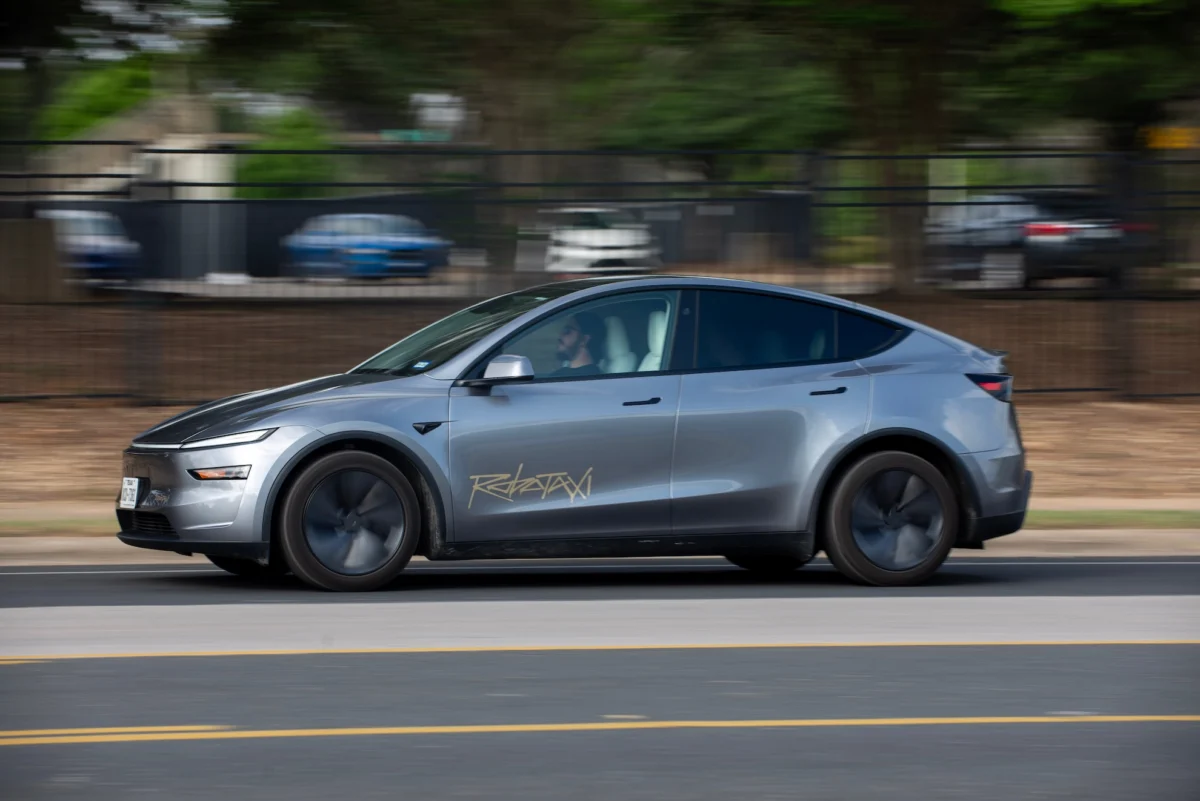
Tesla has officially expanded its pioneering robotaxi service to two major Texas metropolitan areas: Dallas and Houston. This significant move, confirmed via a recent social media announcement from the electric vehicle and clean energy company, marks a crucial step in the widespread deployment of its autonomous ride-hailing technology. The expansion solidifies Texas as the primary testing ground and operational hub for Tesla’s ambitious robotaxi initiative, following its earlier launches in Austin. The company’s latest announcement was accompanied by a brief video showcasing Tesla vehicles navigating public roads without any human presence in the driver’s seat, underscoring the driverless nature of the service.
A Growing Autonomous Network in the Lone Star State
The addition of Dallas and Houston brings the total number of cities where Tesla offers its robotaxi service to three, all within the state of Texas. This strategic focus on Texas began with the initial launch of the robotaxi service in Austin. Since then, Tesla has progressively advanced its autonomous driving capabilities, notably beginning to offer rides without human safety drivers in January 2026. This transition to fully driverless operations in Austin was a significant milestone, albeit one that has not been without its challenges and regulatory attention.
However, the rollout in these new markets may initially be on a smaller scale. Crowdsourced data from the Robotaxi Tracker website, a platform that monitors the deployment of autonomous vehicles, indicates a limited presence of Tesla’s robotaxis in both Dallas and Houston, with reports suggesting only a single vehicle logged in each city. This contrasts sharply with the reported 46 active vehicles currently operating in Austin, suggesting a phased approach to expansion and a potential focus on gathering initial data and refining operations in the newer locales.
Chronology of Tesla’s Robotaxi Rollout
Tesla’s journey into the autonomous ride-hailing space has been a gradual, yet increasingly visible, progression. The company’s ambitions in this sector have been evident for years, with continuous development and testing of its Full Self-Driving (FSD) software.
- Early Development and FSD Beta: Tesla has been offering its Full Self-Driving (FSD) beta program to select customers for several years, allowing them to test and provide feedback on advanced driver-assistance features that approach, but do not yet fully achieve, Level 4 or Level 5 autonomy.
- Austin Launch: The first official robotaxi service, operating without a human safety driver, was launched in Austin, Texas. This marked a significant shift from its beta program, transitioning to a public-facing service.
- January 2026: Safety Driver Removal: In January 2026, Tesla began offering rides in Austin where human safety drivers were no longer present in the vehicle, signifying a crucial step towards full operational autonomy.
- June 2025: Initial Austin Robotaxi Deployment: The groundwork for the Austin robotaxi service was laid with an initial launch around June 2025, allowing for a period of testing and refinement before the removal of safety drivers.
- Present Expansion: Dallas and Houston: The recent announcement signifies the expansion of this driverless service to Dallas and Houston, broadening the geographical footprint of Tesla’s autonomous operations.
Supporting Data and Operational Insights
The expansion into Dallas and Houston follows a period of intense scrutiny and data collection from Tesla’s operations in Austin. While the company touts the advancements in its autonomous technology, it has also faced regulatory oversight and public concern regarding safety.
In a February filing, Tesla disclosed that its robotaxis operating in Austin had been involved in 14 crashes since the service’s inception. These incidents have drawn the attention of regulatory bodies, including the National Highway Traffic Safety Administration (NHTSA), which has a vested interest in the safety of autonomous vehicle technology on public roads. The specifics of these crashes, including their severity and contributing factors, are subject to ongoing investigation and reporting.
Furthermore, Tesla also operates a more limited ride-hailing service in the San Francisco Bay Area. However, this service reportedly still utilizes human drivers, differentiating it from the fully autonomous robotaxi operations being rolled out in Texas. This distinction highlights Tesla’s tiered approach to service deployment, likely leveraging different operational models based on regulatory environments, technological readiness, and market demand.
The limited number of vehicles currently deployed in Dallas and Houston, as indicated by crowdsourced data, could be a strategic decision. It allows Tesla to gather crucial real-world data in new urban environments with potentially different traffic patterns, road infrastructure, and driver behaviors. This data is invaluable for refining its AI algorithms and ensuring the safety and efficiency of its robotaxi fleet before scaling up operations.
Background Context: The Race for Autonomous Mobility
Tesla is not alone in its pursuit of autonomous ride-hailing. The industry is highly competitive, with numerous established automotive manufacturers and tech companies investing billions in developing self-driving technology. Companies like Waymo (an Alphabet subsidiary), Cruise (formerly General Motors’ autonomous driving unit), and various startups are also actively testing and deploying their autonomous fleets in select cities.
The promise of robotaxis extends beyond convenience; proponents envision a future with reduced traffic congestion, fewer accidents caused by human error, increased mobility for individuals unable to drive, and the creation of new economic opportunities. However, the path to widespread adoption is fraught with technical challenges, regulatory hurdles, and public trust issues.
The involvement of Tesla, a high-profile and often disruptive player in the automotive and technology sectors, in the robotaxi space is particularly noteworthy. The company’s CEO, Elon Musk, has consistently expressed an aggressive timeline for achieving full autonomy, often setting ambitious goals that have sometimes been met with skepticism. Tesla’s approach, which relies heavily on cameras and sophisticated AI rather than lidar sensors that are common in many other autonomous vehicle systems, has also been a point of discussion and debate within the industry.
Official Responses and Industry Reactions (Inferred)
While Tesla has not released extensive official statements beyond its social media announcement regarding the Dallas and Houston expansion, the move is consistent with its stated long-term vision. The company has consistently emphasized its commitment to accelerating the world’s transition to sustainable energy and transportation, with autonomous vehicles playing a pivotal role in its future strategy.
Regulatory bodies in Texas, such as the Texas Department of Transportation and local city governments, will likely be monitoring the expansion closely. Their primary focus will be on ensuring public safety and compliance with existing traffic laws and any emerging regulations specific to autonomous vehicle operations. The history of incidents in Austin will undoubtedly inform their oversight.
Industry analysts and competitors are also observing Tesla’s progress. The expansion into new, large urban markets like Dallas and Houston represents a significant test of its technology’s scalability and reliability. Success in these areas could set a precedent and further accelerate the adoption of autonomous ride-hailing services nationwide. Conversely, any significant safety incidents or operational failures could lead to increased regulatory scrutiny and a potential slowdown in the broader industry’s progress.
Broader Impact and Implications
The expansion of Tesla’s robotaxi service to Dallas and Houston carries several significant implications:
- Increased Competition and Innovation: Tesla’s entry into these new markets will likely intensify competition among autonomous vehicle providers, potentially spurring further innovation and driving down costs for consumers in the long run.
- Economic Opportunities: The deployment of autonomous fleets can create new jobs in fleet management, maintenance, and remote support, while also potentially disrupting existing taxi and rideshare industries.
- Urban Mobility Transformation: As more autonomous vehicles become integrated into urban transportation networks, they have the potential to reshape how people move, interact with their cities, and access services. This could lead to more efficient traffic flow, reduced parking demand, and increased accessibility for diverse populations.
- Data-Driven Development: The vast amounts of data collected from these real-world operations in diverse urban environments are crucial for Tesla to refine its autonomous driving software. This iterative process of data collection, analysis, and software updates is fundamental to achieving higher levels of autonomy and safety.
- Regulatory Evolution: The increasing presence of driverless vehicles on public roads will necessitate continuous adaptation and development of regulatory frameworks. Governments will need to balance fostering innovation with ensuring public safety, addressing issues of liability, data privacy, and cybersecurity.
- Public Perception and Trust: The success or failure of Tesla’s robotaxi service in these new cities will significantly influence public perception and trust in autonomous vehicle technology. Positive experiences and a strong safety record can build confidence, while negative incidents can erode it.
As Tesla continues to expand its autonomous footprint, the coming months and years will be critical in demonstrating the viability, safety, and societal benefits of its robotaxi service. The company’s progress in Dallas and Houston will be closely watched by consumers, regulators, and the global automotive industry alike.

