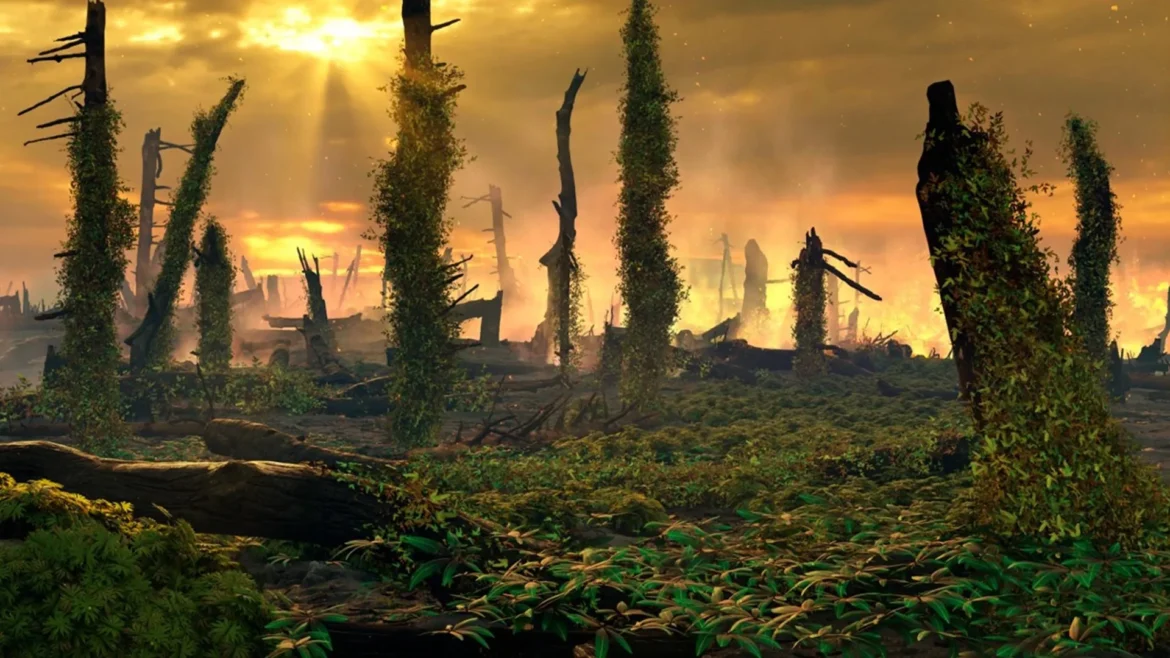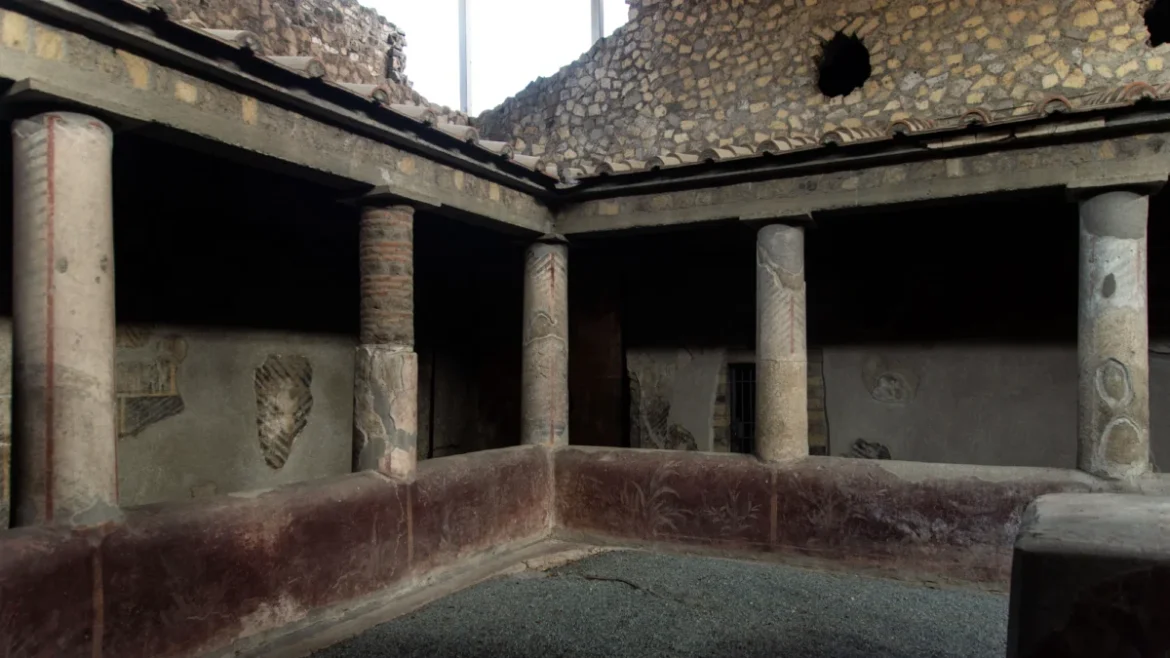
Two thousand years ago, the Roman polymath Pliny the Younger penned a vivid, harrowing account of the volcanic eruption that effectively erased the cities of Pompeii and Herculaneum from the map. His letters, which chronicled the death of his uncle, Pliny the Elder, and the catastrophic collapse of the Roman landscape, have long served as the primary historical anchor for geologists studying the 79 CE event. Now, a groundbreaking study published in the journal Science Advances demonstrates that by re-evaluating these ancient historical records alongside cutting-edge argon-argon geochronology, researchers have reached an unprecedented level of precision in dating volcanic events. This advancement not only refines our understanding of Roman history but provides a vital calibration tool for assessing volcanic risks in densely populated regions across the globe.
The Science of Argon-Argon Dating
At the heart of this research is the argon-argon dating method, a sophisticated technique used to determine the age of volcanic rocks and minerals. The method relies on the radioactive decay of potassium-40 into argon-40 within minerals like sanidine. By measuring the ratio of these isotopes, scientists can calculate when the mineral was last heated—essentially locking in a "timestamp" of the volcanic eruption.
While the technique is well-established, its accuracy depends heavily on calibration against known historical events. The eruption of Mount Vesuvius, with its well-documented historical date, provides a rare, high-resolution benchmark. By refining the "age" of the Vesuvius eruption, researchers are effectively tuning the global clock used to date other geological phenomena, from prehistoric volcanic activity to major climate shifts.
A Cache of Suburban Pumice
The path to this discovery began not in a high-tech laboratory, but in a storage facility. In 1998, Dr. Andrea Marzoli of the University of Padua collected samples of pumice from Oplontis, a wealthy Roman suburb located between Pompeii and Herculaneum. Oplontis was buried in the early, highly explosive phases of the Vesuvius eruption.
Magma chambers in stratovolcanoes like Vesuvius are stratified; heavier iron and magnesium-rich minerals sink to the base, while lighter, potassium-rich minerals—such as sanidine—migrate toward the top. The samples collected by Marzoli originated from these early-ejecta deposits, representing the very first pulse of the eruption. These samples sat on a shelf for nearly three decades until a team of researchers, including graduate students Caroline Hasler, Anthony Fuentes, and Andy Tholt, recognized their potential. Their decision to analyze these long-forgotten materials provided the high-purity sanidine crystals necessary for the most precise analysis yet conducted.
Distinguishing Accuracy from Precision
In the realm of geochronology, the distinction between accuracy and precision is critical. Accuracy refers to how close a measurement is to the true, historical value, whereas precision refers to the reproducibility of the measurement.
In the new study, the research team pushed both metrics to new heights. Previous estimates placed the eruption at approximately 1,938 years ago. The new analysis, which incorporated Bayesian statistical modeling and integrated historical records from Pliny the Younger, adjusted the age of the minerals to 1,946 years. This result achieved a precision of 0.7 percent and an accuracy of 0.4 percent—a level of refinement that significantly narrows the margin of error for geological dating. According to Paul Renne, a geochronologist at the University of California, Berkeley and co-author of the study, the success of this project proves that "you can achieve that kind of highly useful precision and accuracy into the historical realm."
Historical Context and the Pliny Chronology
The disaster of 79 CE remains one of the most studied events in antiquity. According to the letters of Pliny the Younger, the eruption began on August 24. While some archaeological evidence has suggested the eruption may have occurred later in the autumn, the scientific team’s integration of argon-argon dating with a deep dive into historical accounts validates the late-summer timing with significantly higher confidence.
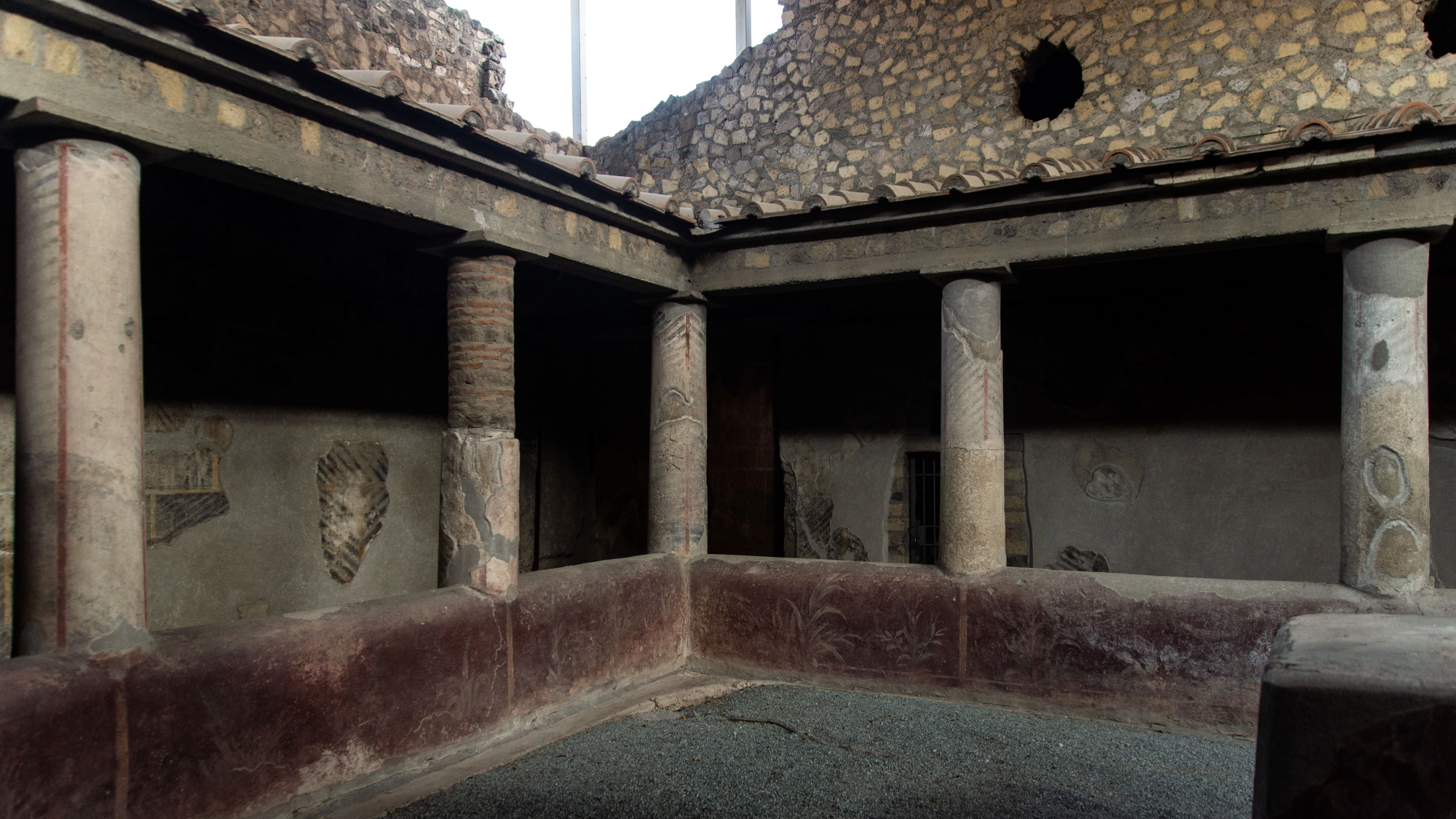
The eruption was not a single event but a complex series of pulses. The initial "Plinian" phase sent a massive column of ash and pumice high into the stratosphere, which then rained down on the surrounding countryside. This was followed by devastating pyroclastic surges—superheated clouds of gas and rock that moved at hurricane speeds, instantly incinerating anyone in their path. The ability to link specific mineral samples to these distinct phases allows researchers to create a "geological timeline" that matches the human timeline recorded by survivors.
Implications for Global Volcanic Hazards
The implications of this research extend far beyond the ruins of Italy. Volcanic activity remains a persistent threat to millions of people living in the shadows of active stratovolcanoes. Cities such as Mexico City, which is surrounded by the Trans-Mexican Volcanic Belt, and Yogyakarta, located near the volatile Mount Merapi in Indonesia, rely on accurate assessments of past eruptive history to predict future behavior.
By establishing a more precise calibration for argon-argon dating, the study enables geologists to better map the frequency and intensity of past eruptions in these regions. If scientists can precisely date the eruptive history of a volcano, they can develop more accurate hazard models. This, in turn, informs urban planning, emergency response strategies, and long-term risk mitigation. As Renne noted, "If you want to put together the eruptive history of a volcano in relatively recent time, precision and accuracy really count."
Future Directions in Geochronology
The research team is now looking to scale this methodology to other global benchmarks. The goal is to create a unified framework for dating that reconciles various methods, including radiocarbon dating, which is currently the standard for organic materials younger than 55,000 years.
The integration of Bayesian statistical approaches—a method that combines prior knowledge (such as historical records) with new experimental data—is becoming the gold standard in the field. By using the same mathematical rigor across different dating techniques, researchers hope to eliminate the discrepancies that often arise when comparing data from different parts of the world.
"We’re hoping to really unify as many geologic dating methods as we can by using the same mathematics, the same Bayesian approach, and just bringing more data, more raw observations into that mix," Renne stated. "But argon-argon dating is always going to be a standard—it’s going to be an important calibrant in that sense."
A Legacy of Science
The story of the Oplontis samples is a testament to the importance of archival research. By revisiting samples collected decades ago with the benefit of modern technology and historical insights, the team has turned a 2,000-year-old disaster into a masterclass in contemporary scientific precision.
The work of Caroline Hasler and her colleagues underscores that the study of the Earth’s past is not merely an exercise in historical curiosity. It is a critical component of planetary safety. As human populations continue to expand into regions historically shaped by volcanic forces, the ability to read the geological record with such extreme clarity becomes an essential tool for survival. By grounding our understanding of the Earth in the same precise, rigorous data that defines modern science, we are better equipped to face the inevitable challenges of a geologically active planet.
This research serves as a reminder that the catastrophic eruption of 79 CE continues to teach us—not just about the fragility of human civilization, but about the fundamental forces that shape our world and the tools we must master to understand them.