

On the Tuesday following Labor Day, a coalition of labor advocates and community organizers descended upon the grounds of a sprawling plant nursery in Leicester, North Carolina, marking a pivotal escalation in the campaign for worker-driven social responsibility in the agricultural sector. As the late-summer sun intensified over the facility’s vast network of greenhouses—where rows of ornamental houseplants are cultivated for national distribution—the group marched toward the corporate gates. Their objective was clear: the delivery of a formal petition to Costa Farms, the world’s largest indoor houseplant grower, demanding that the company codify mandatory protections against extreme heat, including guaranteed access to potable water, shade, and paid recovery breaks.
The protest in Leicester was not an isolated incident but part of a coordinated, multi-state day of action organized by WeCount, a labor and human rights organization. Simultaneous efforts took place across the five U.S. cities where Costa Farms maintains nursery operations, signaling a growing momentum in the push for corporate accountability regarding the welfare of agricultural laborers.
The Legislative Landscape and the Heat Crisis
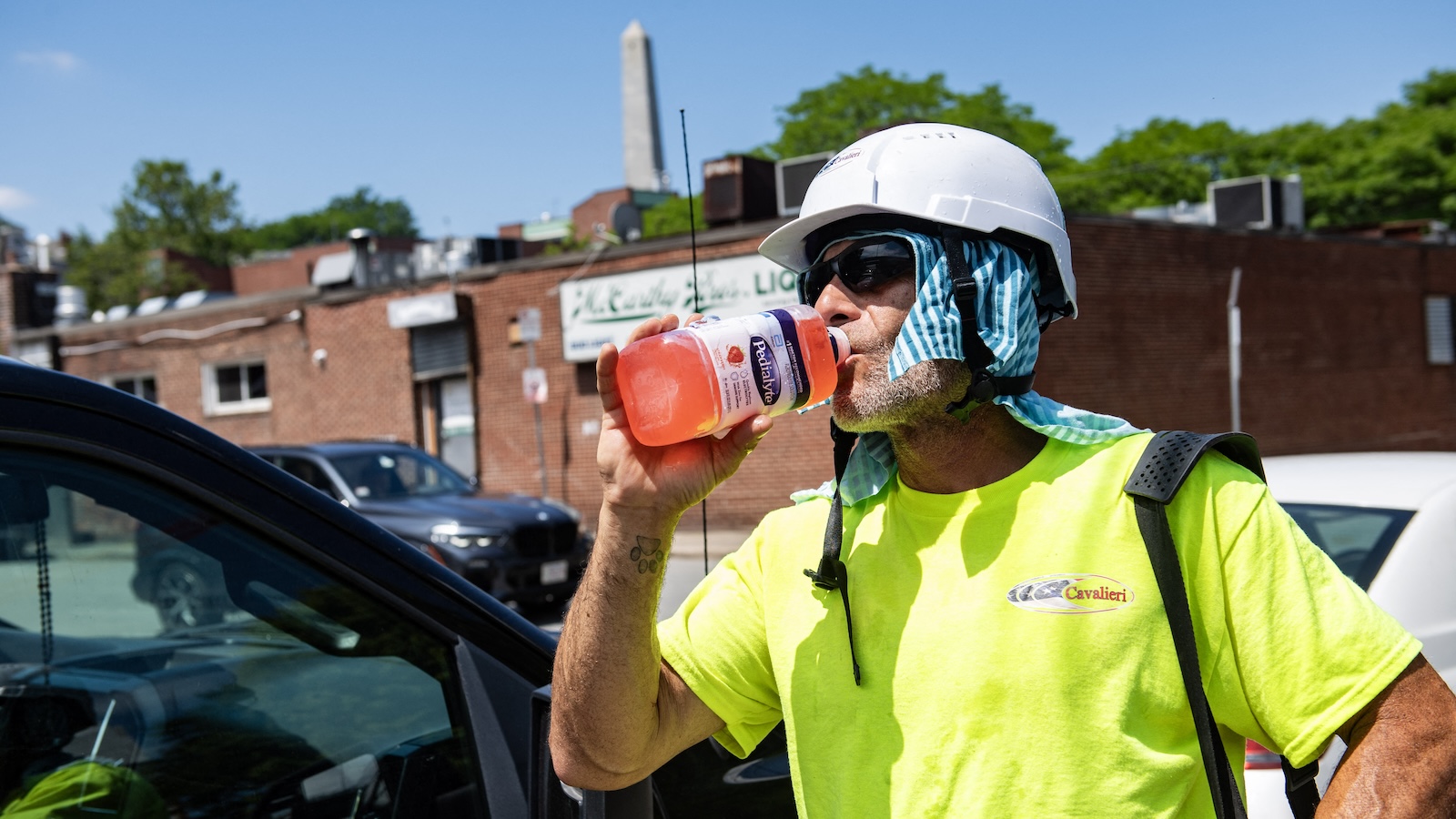
The urgency behind this campaign is rooted in the increasingly perilous reality of outdoor labor in the age of climate change. According to the U.S. Bureau of Labor Statistics and various public health studies, agricultural workers are disproportionately affected by environmental hazards. Research indicates that farmworkers are more than 35 times more likely to succumb to heat-related illnesses than their counterparts in other industries. Despite these statistics, the path toward regulatory relief has been fraught with legislative obstacles.
Since 2021, WeCount has been at the forefront of advocacy for outdoor workers, particularly in South Florida. The organization previously championed a municipal heat standard in Miami-Dade County, a region where climate modeling suggests that deaths from heat exposure are poised to spike by 600 percent during extreme weather events. However, these efforts suffered a major setback in 2024 when Florida Governor Ron DeSantis signed legislation that preempted local governments from enacting their own heat-safety regulations. The state-level intervention effectively nullified local initiatives, citing the potential for regulatory burdens on businesses.
This legislative gridlock extends to the federal level. For years, labor advocates have lobbied the Occupational Safety and Health Administration (OSHA) to implement a comprehensive federal heat standard—a set of universal guidelines designed to protect workers from heat exhaustion, heat stroke, and other cardiovascular strains induced by high temperatures. While the Biden administration signaled progress toward such a rule, current political volatility and congressional opposition have left these efforts in a state of suspended animation.
The "Planting Justice" Framework
The current campaign, dubbed "Planting Justice," draws inspiration from the Fair Food Program, an internationally recognized model of worker-driven social responsibility. Established in 2011 by the Coalition of Immokalee Workers, the Fair Food Program has been lauded for its effectiveness in improving labor conditions through market-based pressure. By leveraging the influence of major retailers, the program requires participating growers to adhere to strict codes of conduct.

WeCount’s adaptation of this model aims to secure a similar agreement from Costa Farms. The proposed code of conduct is rooted in foundational safety requirements: mandated education for supervisors on identifying symptoms of heat illness, the provision of consistent, cool hydration stations, the establishment of shaded rest areas, and a structured system for reporting and responding to heat stress in real-time.
The need for such a system, organizers argue, is evidenced by the discrepancy between corporate policy and worker experience. While Costa Farms maintains that its protocols meet current industry standards, worker testimonials paint a different picture. Alejandro Gonzalez, a nursery worker who spoke at a Florida rally, described conditions in which temperatures frequently exceed 110 degrees Fahrenheit. Gonzalez alleged that the water provided is often warm or contaminated, and that the promise of breaks and shade remains largely unfulfilled in practice.
Data and Worker Testimonials
The disconnect between management’s narrative and the lived reality of the workforce is underscored by a recent survey conducted by WeCount. Of the Costa Farms employees who participated in the study, 86 percent reported experiencing dangerous incidents related to their work environment, including heat-related illness, pesticide exposure, or mechanical accidents. Perhaps most concerning is the finding that over two-thirds of respondents indicated they were systematically denied necessary breaks and time off.
These vulnerabilities are compounded by the legal status of the workforce. Many workers in the houseplant industry operate under H-2A temporary agricultural visas, while others are undocumented. This precarious legal standing limits their ability to seek legal recourse or engage in collective bargaining—the latter of which is largely unavailable to agricultural workers under the National Labor Relations Act. Because these workers are often dependent on their employers for both their livelihood and their housing, the power imbalance is profound, making the "Planting Justice" campaign a critical effort to provide a platform for those who fear retaliation for speaking out.
Corporate Response and Institutional Challenges
In response to the actions led by WeCount, Costa Farms has maintained that its internal safety policies are robust and exceed current requirements. Ariana Cabrera de Oña, the company’s senior vice president and general counsel, stated that the company utilizes an on-site nurse and a functional medical clinic to manage worker health. Furthermore, she noted that following the impact of Hurricane Helene, the company instituted daily, five-minute safety briefings to keep supervisors and employees informed of weather-related risks.
"Our robust heat protection policy is aligned with the proposed OSHA heat safety rules," Cabrera de Oña said in a statement to the press. She added that when wet-bulb globe temperatures—a measure of heat stress—reach certain thresholds, the company provides increased break frequency and additional hydration stations.
However, organizers remain skeptical of the efficacy of self-regulation. Oscar Londoño, co-executive director of WeCount, noted that while the company reports providing hydration stations, workers have consistently reported instances of water with chemical odors or visible mold in coolers, suggesting that the existence of a policy does not equate to the effective implementation of safety standards.
The Broader Implications for the Retail Supply Chain
The "Planting Justice" campaign is also focusing its efforts on the retail end of the supply chain. Because Costa Farms supplies major national retailers such as Home Depot and IKEA, activists are calling on these corporate giants to implement ethical procurement policies. The argument is that retailers should only contract with growers who formally commit to a worker-designed code of conduct.
This strategy seeks to bridge the gap between consumer consumption and labor ethics. As demand for indoor greenery continues to grow, so too does the need for a transparent supply chain that accounts for the human cost of production. By targeting the retailers, WeCount aims to create an economic incentive for Costa Farms to come to the table and formalize a legally binding agreement.
Looking Ahead
The events of this past Tuesday served as a microcosm of the broader struggle for labor rights in the United States. As the activists in Leicester were eventually asked to leave the premises after delivering their petition, the event highlighted the ongoing tension between labor advocacy and corporate management.
For the organizers and workers involved, the day was not viewed as a conclusion, but as the beginning of a sustained effort to influence industry norms. As climate change continues to render traditional work environments more hazardous, the demand for mandatory, enforceable heat protections will likely intensify. Whether through federal legislation, which remains stalled, or through the direct, worker-led social responsibility models seen in the Fair Food Program, the push for a safer, more equitable agricultural industry is gaining momentum.
The future of this campaign rests on the ability of groups like WeCount to mobilize public awareness and maintain pressure on the corporations that define the modern agricultural market. Until structural changes are enacted that provide workers with the protections necessary to survive a warming world, the struggle for safety in the greenhouses of North Carolina and beyond is expected to continue.

