
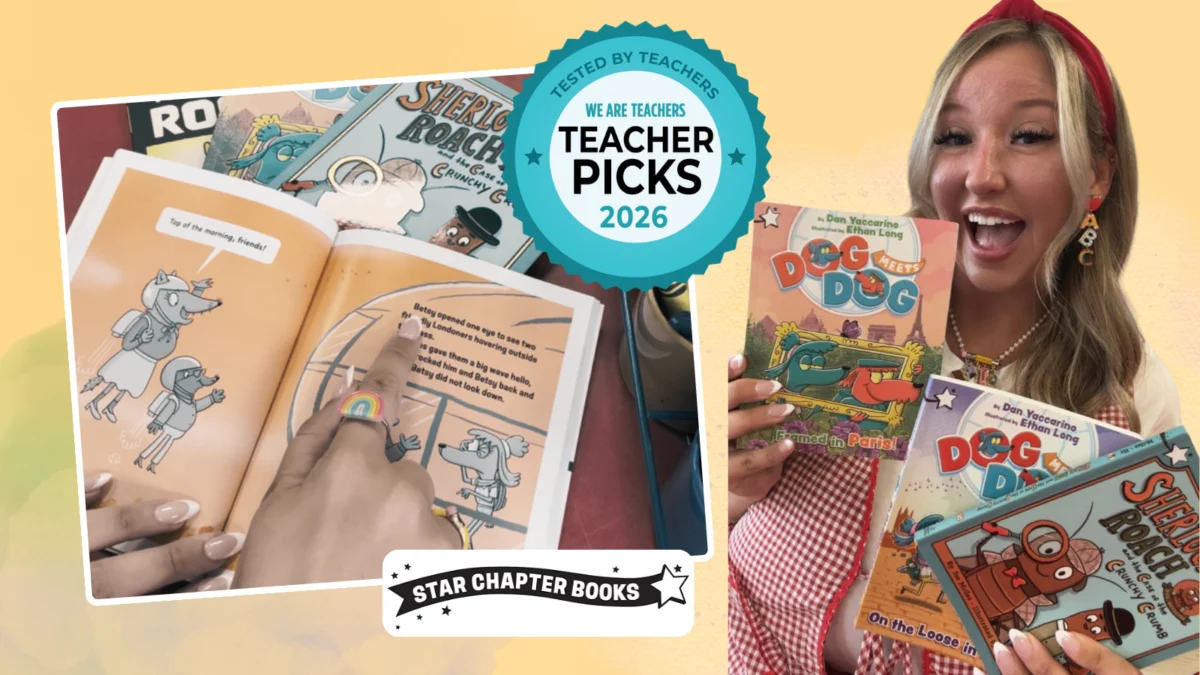
The critical period between learning to decode words and mastering independent reading comprehension represents one of the most significant milestones in elementary education. Educators often refer to this transition as the "fluency plateau," where students who have mastered basic phonics must suddenly grapple with the stamina required for traditional, text-heavy chapter books. For many second-grade students, this shift can be daunting, leading to a temporary decline in reading motivation. To address this pedagogical challenge, Simon & Schuster has introduced the Star Chapter Books series, a collection specifically engineered to provide a scaffolded, high-interest bridge for developing readers.
The Pedagogical Challenge: The "Big Kid" Book Hurdle
In the standard K-12 literacy curriculum, the second grade is a pivotal year. According to data from the National Assessment of Educational Progress (NAEP), the ability to read with sufficient fluency and comprehension by the end of third grade is a primary predictor of long-term academic success. However, the path to that goal is fraught with obstacles. Students often transition from leveled readers—which feature predictable text and high image-to-word ratios—to early chapter books that demand sustained attention.
When the gap between these two formats is too wide, students often report feelings of intimidation. Katie Tracy, a second-grade educator based in Lockport, Illinois, has observed this phenomenon firsthand. "Many students are eager to embrace the identity of a ‘big kid’ reader, but when they encounter a page with dense text and minimal visual cues, their confidence can falter," Tracy notes. This lack of confidence often manifests as a decline in independent reading time, a metric that is directly correlated with gains in vocabulary and syntactic awareness.
Design Principles of Star Chapter Books
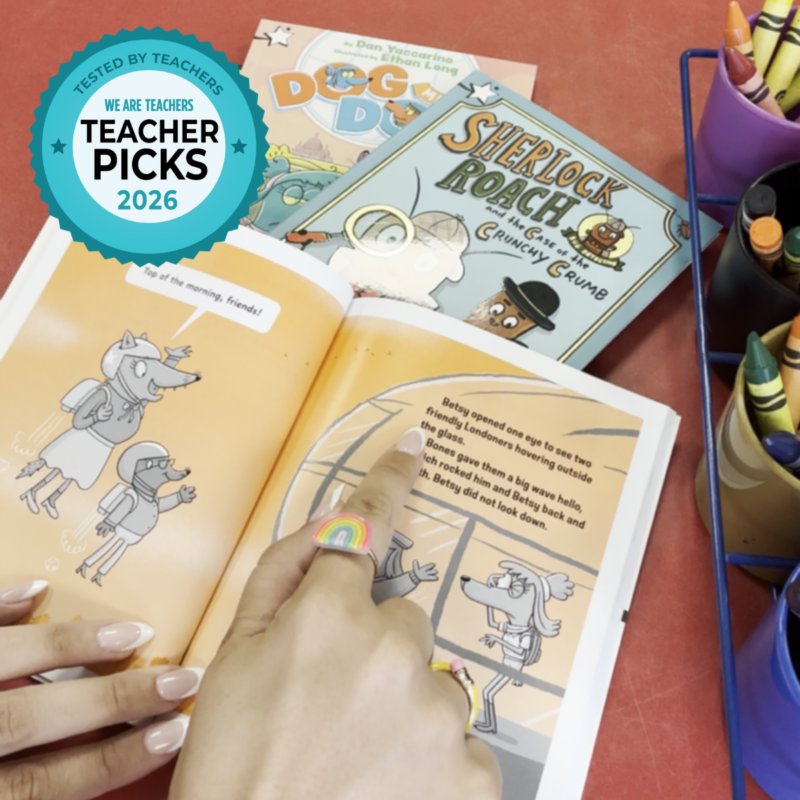
The Star Chapter Books series is built upon research-backed design principles aimed at lowering the cognitive load for emerging readers. The series utilizes a two-color illustration palette, which serves as a visual guide without distracting from the narrative flow. Unlike traditional early readers, which may prioritize simple sentences at the expense of plot, the Star Chapter Books series maintains an authentic narrative structure.
The books are characterized by:
- Controlled Complexity: Each page contains a manageable ratio of text to white space, typically limited to a few lines, which prevents visual fatigue.
- Narrative scaffolding: The use of short, distinct chapters provides natural "stopping points," allowing students to track their progress and build the stamina necessary for longer works.
- Structural Literacy: By incorporating features like a table of contents, the series introduces students to the non-narrative elements of book anatomy that are essential for future research and informational literacy.
Classroom Implementation and Student Engagement
The integration of these books into the Lockport, Illinois, classroom follows a structured timeline. Initially, the texts are utilized during guided reading sessions, where the teacher models how to navigate the table of contents and use illustrations to infer character motivations. As students gain familiarity with the characters—such as those in the Sherlock Roach or Dog Meets Dog series—the focus shifts to silent, independent reading.
In the case of Dog Meets Dog: Framed in Paris, the integration was cross-disciplinary. Following a science unit on engineering and architecture, students were able to apply their existing knowledge of the Eiffel Tower to the narrative context of the book. This synthesis of prior knowledge and new information is a cornerstone of the Science of Reading, which emphasizes that background knowledge is essential for successful comprehension.
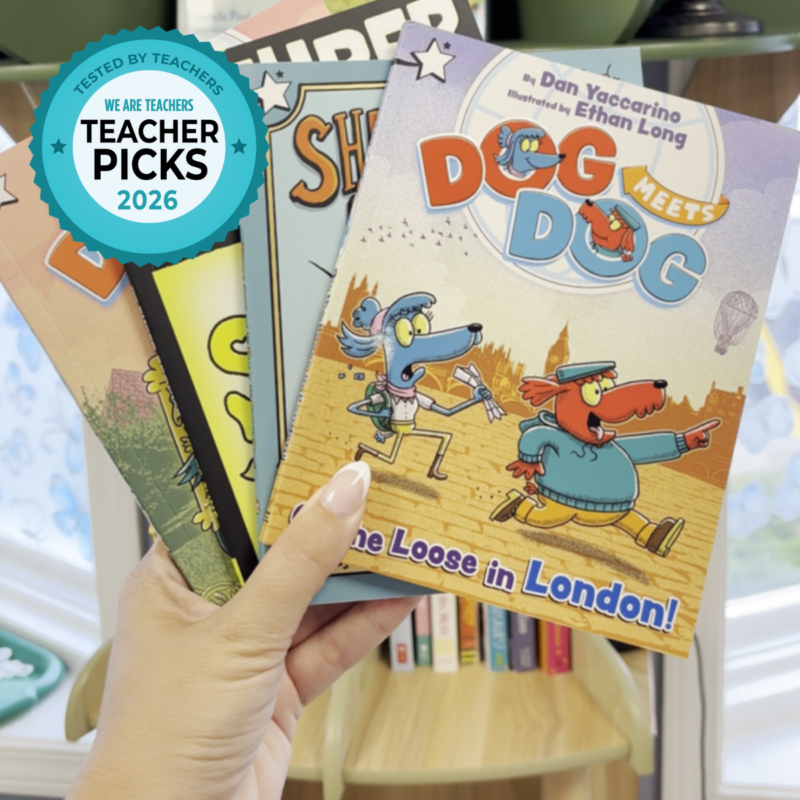
Data from the classroom suggests that interest-driven reading significantly impacts engagement. In the Sherlock Roach series, the "whodunit" mystery structure serves as an extrinsic motivator, encouraging students to finish chapters to solve the puzzle. This type of engagement is vital in the second-grade classroom, where the goal is to shift from "learning to read" to "reading to learn."
Industry Trends and the Evolution of Early Literacy
The publishing industry has observed a notable trend toward specialized "bridge" literature. For decades, the market was bifurcated into early readers and middle-grade fiction, with little in between. Recent industry reports indicate that publishers are increasingly investing in this "early chapter book" segment to capture the interest of readers who are developmentally ready for more complex stories but still require visual support.
This trend coincides with an increased focus on the "Science of Reading" in national educational policies. As states across the U.S. move toward literacy curricula that emphasize systematic phonics and knowledge-based instruction, the demand for high-quality, decodable-adjacent fiction has risen. Star Chapter Books fit into this ecosystem by providing a low-stakes environment where students can practice phonemic awareness and fluency without the stress of overwhelming page density.
Evaluating the Impact on Student Development
The impact of these tools is measurable through both qualitative and quantitative markers. Teachers reporting on the use of the series observe:
- Increased Stamina: Students who previously struggled to complete a single session of reading begin to sustain focus for longer intervals.
- Vocabulary Acquisition: The use of recurring characters and relatable, everyday scenarios allows for the reinforcement of high-frequency vocabulary in varied contexts.
- Metacognitive Growth: By engaging with the table of contents and chapter titles, students begin to think about the structure of a book, a foundational skill for later academic writing and analysis.
Looking Ahead: The Future of the Series
With five new titles slated for release this fall, the publisher is continuing to expand the catalog to meet the diverse interests of the K-2 demographic. The expansion is part of a broader commitment to provide educators with resources that are both academically sound and culturally relevant.
For educators like Tracy, the value of the series lies in its ability to foster a sense of accomplishment. "When a student finishes their first chapter book, it changes their entire perspective on their capabilities as a reader," she states. "They go from seeing reading as a task to be completed to seeing it as a rewarding experience they can choose for themselves."
Implications for Future Literacy Instruction
The success of the Star Chapter Books series underscores a broader truth in modern pedagogy: the transition to independent literacy is not merely a matter of decoding speed, but one of emotional and cognitive readiness. By providing a bridge that respects the student’s intellectual maturity while acknowledging their current developmental needs, the series helps to prevent the "summer slide" and the mid-year confidence dips that often derail early literacy efforts.
As school districts nationwide continue to refine their approach to early reading, the integration of materials that balance challenge with support will likely remain a top priority. The shift toward such resources represents a maturation in the publishing and education sectors—a collective realization that the most effective way to create a lifelong reader is to ensure the first chapter-book experience is a triumph, not a struggle. Through this, the foundation is laid for a generation of students who view reading not as a mandatory chore, but as a gateway to exploration and self-directed learning.

