
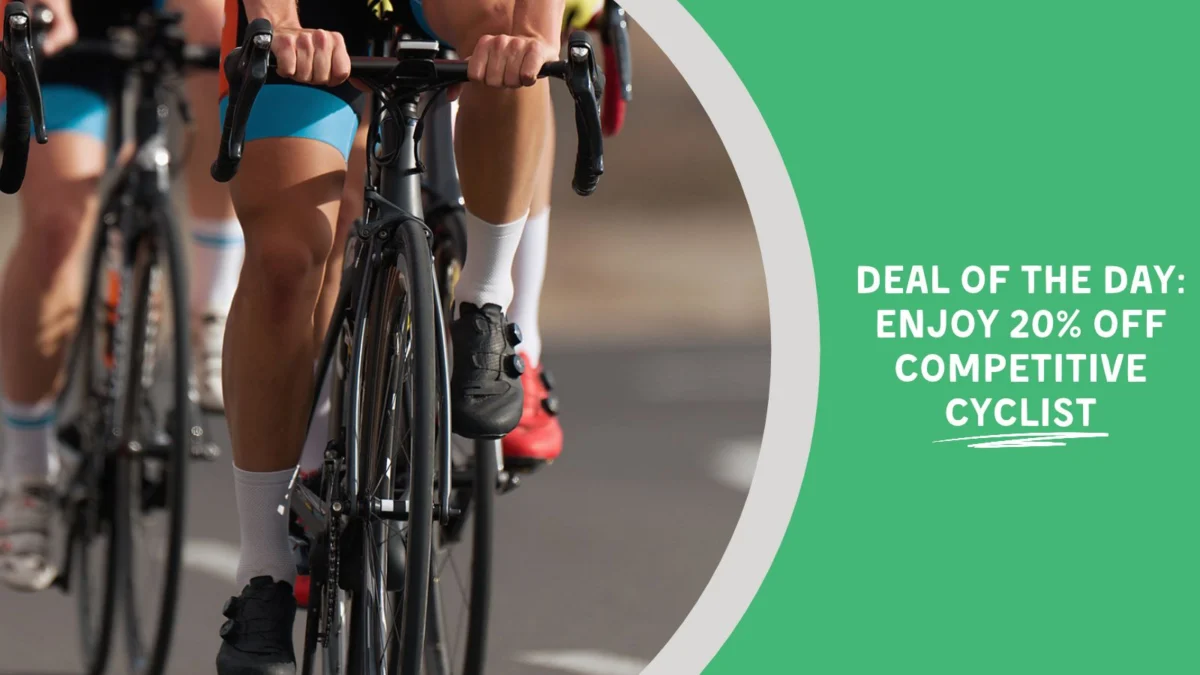
The intersection of physical health and professional burnout has become a central theme in modern educational discourse, leading to an increased emphasis on extracurricular stress management for school staff. Recognizing the demanding nature of the teaching profession, Competitive Cyclist has officially expanded its outreach initiatives by offering a permanent 20% discount on premium cycling equipment for verified educators. This program, facilitated through the identity verification platform ID.me, allows teachers, administrators, and school support staff to access high-end components, apparel, and accessories at a reduced price point, aiming to lower the financial barrier to entry for one of the most effective forms of cardiovascular exercise and mental decompression.
The Financial Landscape of Cycling for Educators
Cycling is widely regarded as a low-impact, high-reward form of aerobic exercise, yet the cost of participation remains a significant hurdle. A standard entry-level road or mountain bike, when paired with essential safety equipment—including helmets, reflective apparel, padded shorts, and technical shoes—can easily exceed $1,500 for a novice. For educators, whose average salary growth has struggled to keep pace with the rising cost of living in many regions, these figures represent a substantial portion of discretionary income.
Data from the National Education Association (NEA) suggests that the average public school teacher spends several hundred dollars of their own money annually on classroom supplies, further straining their personal budgets. By providing a 20% discount on full-price inventory, Competitive Cyclist is effectively providing a subsidy for health-oriented leisure activities. In a market where high-performance cycling gear—such as carbon-fiber frames, electronic shifting groupsets, and aerodynamic apparel—often carries a premium price tag, a 20% reduction can equate to savings of several hundred dollars on a single purchase.
Chronology of Retail Support for Public Servants
The trend of retail organizations offering specialized discounts to educators gained significant momentum during the post-pandemic economic recovery. Initially, these programs were focused on school supplies and technology; however, a shift has occurred toward lifestyle and wellness products.
- Early 2020: The retail industry saw a surge in "hero discounts," primarily directed at medical personnel and first responders during the onset of the COVID-19 pandemic.
- 2021–2022: As labor shortages and burnout rates in the education sector reached record highs, major retailers began formalizing teacher-specific programs.
- 2023: ID.me, the secure digital identity network, became the industry standard for verifying professional credentials, allowing retailers like Competitive Cyclist to integrate seamless, fraud-resistant discount processes.
- 2024: Competitive Cyclist solidified its educator discount program, moving beyond seasonal promotions to a permanent fixture of its customer service model.
Verification and Access Protocols
To ensure the integrity of the discount, Competitive Cyclist utilizes a digital credentialing process. Educators must navigate to the designated portal on the company’s website, where they are redirected to ID.me. This system requires users to provide institutional documentation, such as a school-issued email address, a pay stub, or a professional teaching license.
Once the status is confirmed, the system generates a unique, single-use or session-based discount code that can be applied at checkout. This mechanism prevents the misuse of the program while maintaining user privacy, as the retailer does not need to store sensitive personnel documents. This technological integration is essential for modern e-commerce, where high-value discounts are often vulnerable to coupon-site leakage and unauthorized usage.
Economic and Health Implications for Teachers
The implications of this initiative extend beyond simple consumer savings. Public health studies consistently demonstrate that consistent aerobic exercise, such as cycling, significantly reduces cortisol levels—the primary hormone associated with stress. Given that the teaching profession frequently reports higher-than-average stress scores compared to other professional sectors, facilitating affordable access to equipment is a pragmatic health intervention.
Furthermore, the cycling community has historically served as a social network for its participants. Many teachers who utilize these discounts often find themselves joining local cycling clubs or group rides, which provide a necessary social outlet detached from the school environment. This professional-social integration is a critical factor in mitigating the feelings of isolation that often contribute to teacher attrition.
Analysis of the Cycling Market
Competitive Cyclist occupies a unique niche in the retail market, catering to enthusiasts who require technical precision. By targeting this demographic with a professional discount, the company is effectively positioning itself as a partner in the "work-life balance" movement. From an economic standpoint, providing a discount to a stable demographic like educators is a strategic move for the retailer. Educators represent a cohort with consistent employment and a demonstrated preference for high-quality, long-term investments in their gear.
While the discount applies specifically to full-price items, it encourages brand loyalty. A teacher who purchases a helmet or jersey at a discount is statistically more likely to return to the platform for future components, such as tires, tubes, or drivetrain maintenance parts. This long-term customer value outweighs the immediate margin contraction caused by the 20% discount.
Broader Industry Trends
The move by Competitive Cyclist mirrors a broader shift in corporate social responsibility (CSR). More companies are moving away from broad-spectrum sales toward segmented discounts that reward specific professional contributions. Whether it is healthcare workers, military personnel, or educators, these groups are increasingly being recognized by the private sector as "essential" to the fabric of society.
Industry analysts observe that this trend is likely to continue as retailers seek to differentiate themselves in an increasingly crowded e-commerce space. When product prices and shipping speeds become standardized, value-add programs—such as military, first responder, and teacher discounts—become the primary drivers of brand preference.
Feedback Loops and Future Expansion
The call for continued suggestions regarding savings initiatives highlights the dynamic nature of retail engagement. By opening a direct line of communication with its customer base, Competitive Cyclist is adopting a crowdsourced approach to its promotional strategy. This allows the company to identify which demographics are most interested in their products and tailor their future offerings accordingly.
As the retail sector continues to evolve, the expectation for transparency and accessibility in discount programs will only increase. The success of this educator discount program will likely serve as a benchmark for how specialized retailers can support professional communities while maintaining robust financial health.
Conclusion
The implementation of a 20% discount for educators at Competitive Cyclist represents a meaningful convergence of retail strategy and public support. By lowering the financial barriers to high-performance cycling, the company is not only facilitating a healthier lifestyle for school staff but is also acknowledging the critical role these professionals play in the community. As the program continues to integrate with modern verification technologies, it sets a professional standard for how companies can provide tangible value to those who dedicate their lives to public service. Whether for the casual neighborhood commuter or the competitive weekend warrior, these savings offer a practical path toward physical and mental well-being in an increasingly demanding world.

