
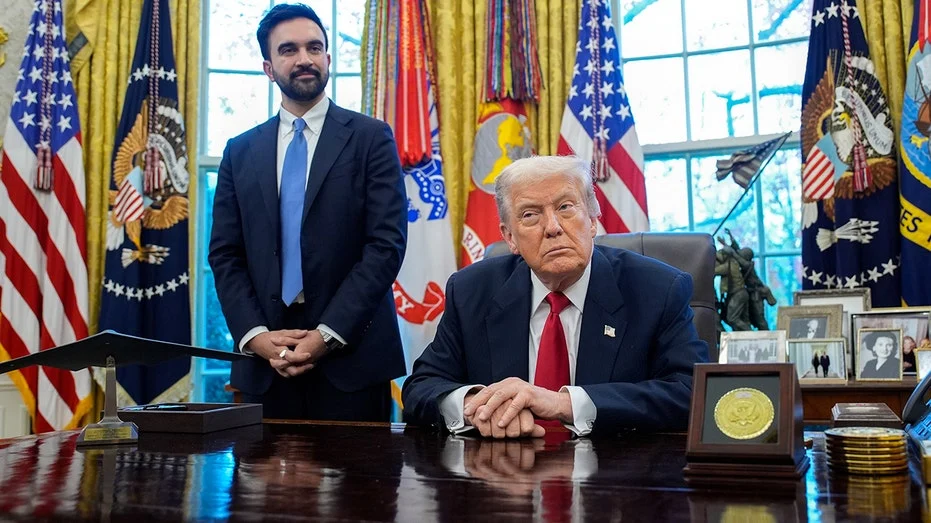
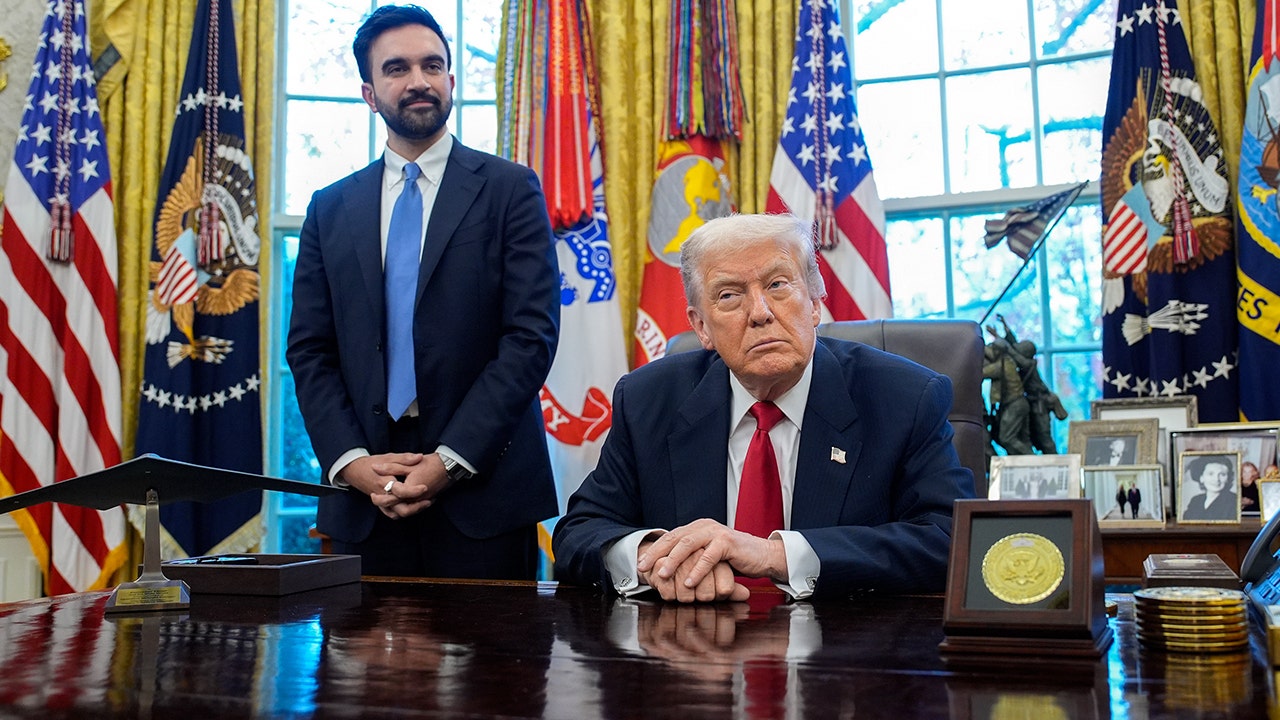
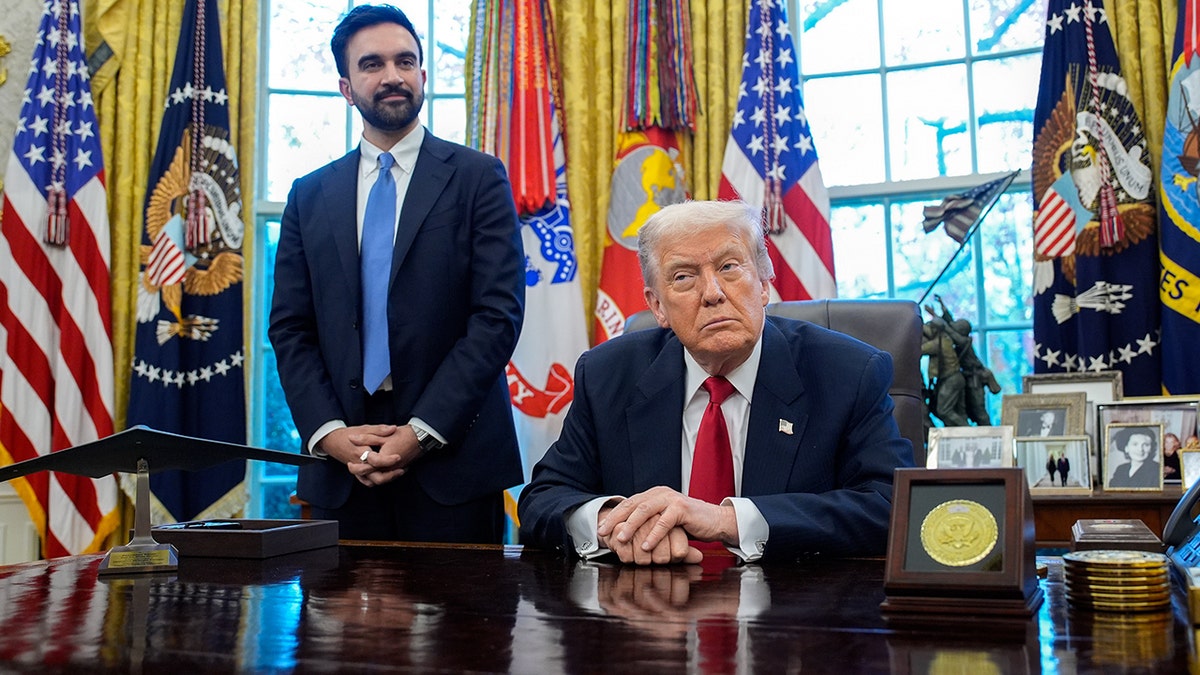
The official residence of New York City’s mayor, Gracie Mansion, is set to become the stage for a high-profile diplomatic engagement this Monday as President Donald Trump arrives for a private meeting with Mayor Zohran Mamdani. The sit-down, confirmed by the mayor’s office, represents a significant moment of cooperation between the federal executive branch and the leadership of America’s most populous city. While the specific agenda remains officially undisclosed, both administrations have indicated that the conversation will center on critical issues impacting New York City, including housing affordability, infrastructure, and urban economic development.
This meeting marks the third formal, in-person interaction between President Trump and Mayor Mamdani, signaling a sustained, albeit politically complex, working relationship. Their previous engagements—the first occurring in the Oval Office shortly after Mamdani’s electoral victory in November 2025 and the second at the White House in February—have been characterized by a pragmatic approach to federal-city relations, despite the stark ideological differences that define the two leaders’ respective platforms.
A Chronology of Engagement
The relationship between the Trump administration and the Mamdani mayoral office has been developing since the transition period of late 2025.
- November 2025: President Trump and Mayor-elect Mamdani held their inaugural meeting at the White House. The discussion was described as a preliminary effort to identify areas of policy alignment regarding the city’s immediate needs, particularly the surging cost of living and housing shortages.
- February 2026: A follow-up meeting took place in Washington, D.C., where the two leaders reportedly deepened their dialogue on federal funding streams for New York City’s aging transit and utility infrastructure.
- August 2026: Preparations for the Monday meeting at Gracie Mansion began amidst the backdrop of an impending global summit and a heated midterm election cycle.
This third meeting is particularly notable for its location. By hosting the President at Gracie Mansion, Mayor Mamdani is bringing the federal executive into the heart of the municipal landscape, a symbolic move that underscores the importance of the city’s specific grievances and requirements in the eyes of the current administration.
The Backdrop of the United Nations General Assembly
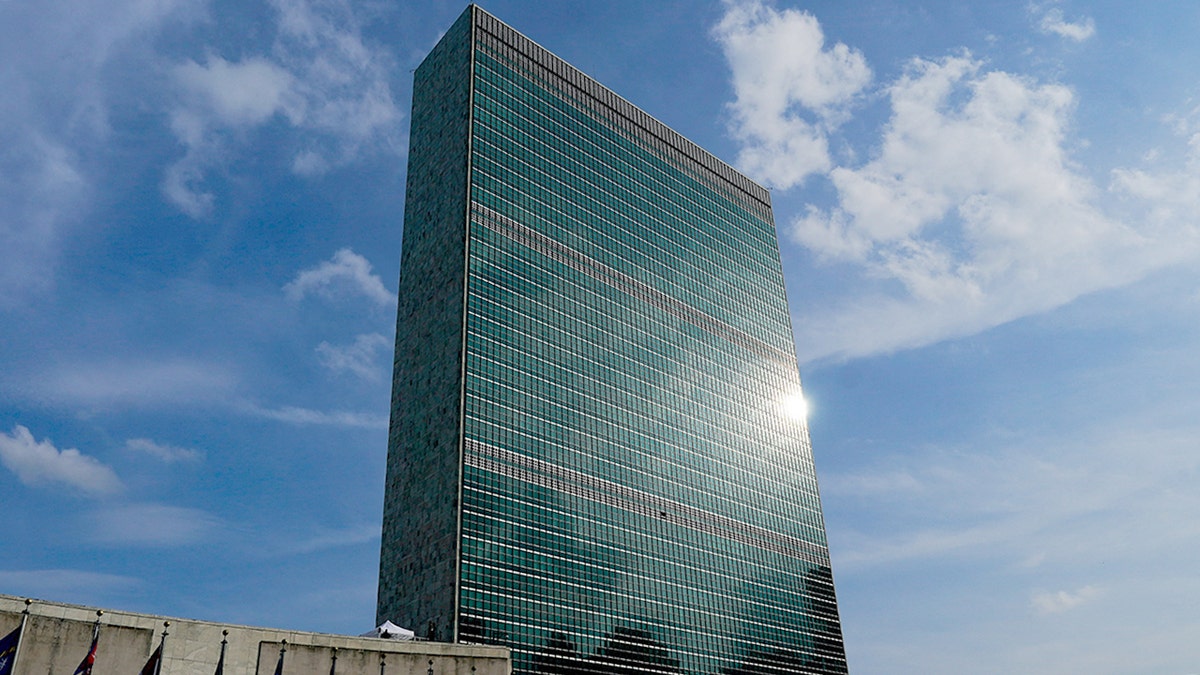
The meeting takes place during a uniquely high-stakes week for New York City. The city is currently finalizing preparations to host the annual United Nations General Assembly (UNGA), a logistical and security undertaking that draws hundreds of heads of state and government representatives to Manhattan. The convergence of the President’s visit and the UNGA requires an immense deployment of resources from the New York City Police Department (NYPD) and federal security agencies.
The overlap of these events serves as a reminder of New York City’s unique status as a global hub. The coordination required for such a high-security environment often necessitates close communication between City Hall and the White House, making this meeting a functional necessity as much as a political one.
The Economic Context: Housing and Affordability
Mayor Mamdani, a prominent figure among the progressive wing of the Democratic Party and a candidate backed by the Democratic Socialists of America (DSA), has made housing affordability the cornerstone of his administration. His primary campaign promise centered on aggressive zoning reform, tenant protections, and the acceleration of affordable housing unit production.
Recent economic data highlights the urgency of this mission. According to figures from the New York City Department of Housing Preservation and Development, vacancy rates for low-cost rental units remain at historic lows, while the median asking rent has consistently outpaced local wage growth for the third consecutive year. For the Mayor, securing federal support—whether through Department of Housing and Urban Development (HUD) grants or shifts in tax policy—is vital to fulfilling his mandate.
For the Trump administration, the focus on New York City serves as a strategic opportunity to address the concerns of large urban centers, which have historically been areas of political challenge for the Republican platform. By engaging directly with a progressive mayor, the President is positioning himself as a pragmatic federalist willing to negotiate with local leaders to deliver results for the American economy.
Broader Political Implications
The meeting occurs in the final, volatile weeks of the midterm election campaign. Nationwide, the success of DSA-aligned candidates in various primaries has ignited a robust debate regarding the ideological future of the Democratic Party. Mayor Mamdani stands at the center of this discourse; his ability to balance his progressive agenda with the requirements of governing a global financial center is viewed by analysts as a litmus test for the viability of his political faction.
"The meeting represents a fascinating intersection of modern political realities," notes political analyst Marcus Thorne. "You have a President who built his brand on a specific populist platform meeting with a Mayor who represents the vanguard of the modern progressive movement. The fact that they have managed to find a rhythm of communication suggests that, at least for the moment, the urgency of urban crisis resolution is superseding the partisan tribalism that defines much of the national conversation."
Official Stances and Public Reaction
The White House has maintained a disciplined silence regarding the specific deliverables of the upcoming meeting. Requests for comments from Fox News Digital regarding the agenda were not immediately returned, suggesting a desire on the part of the administration to keep expectations focused on the bilateral nature of the talks rather than specific policy announcements.
Mayor Mamdani’s office has likewise remained guarded, emphasizing the importance of "constructive dialogue" and "addressing the needs of New Yorkers." In previous statements, the Mayor has acknowledged the political divide between himself and the President but has insisted that his primary duty is to the residents of the city, regardless of federal administration politics.
Public reaction has been varied. Supporters of the Mayor argue that the meeting is a necessary, strategic engagement that ensures New York City has a seat at the table regardless of who occupies the White House. Critics, however, have questioned the optics of such close coordination, with some progressive groups expressing concern that the meetings could soften the Mayor’s stance on key issues, while some conservative commentators remain skeptical of the efficacy of a partnership with a DSA-backed official.
Analysis of Future Outlook
As the meeting approaches, the focus for both observers and stakeholders will be on whether the dialogue results in tangible policy shifts. Specific areas of potential cooperation include:
- Infrastructure Funding: Accelerated federal approval and funding for long-term subway and bridge maintenance projects.
- Federal Law Enforcement Cooperation: Continued collaboration between the Department of Justice and the NYPD regarding public safety, a perennial topic of concern for New York City residents.
- Economic Development Zones: Potential incentives for federal investment in emerging tech and green energy sectors in the outer boroughs to diversify the city’s tax base.
Regardless of the immediate outcome, the meeting itself is a significant development in the 2026 political landscape. It highlights a departure from the gridlock often associated with divided government, suggesting that the pressure of governing a major American city in an era of economic uncertainty can compel cooperation across the widest of ideological divides.
As the city prepares to welcome the world for the General Assembly and moves toward the midterm elections, the dialogue between Gracie Mansion and the White House will likely serve as a bellwether for the remaining months of the year. Whether this meeting yields a major policy breakthrough or remains a routine administrative consultation, it reinforces the necessity of the federal-local partnership in maintaining the stability and prosperity of the nation’s largest urban center.
The meeting is scheduled to begin on Monday, with details regarding the specific topics of conversation expected to emerge in the following days. For now, the focus remains on the logistical and symbolic weight of the interaction, as both leaders prepare to address the challenges facing the city and, by extension, the broader American landscape.

