
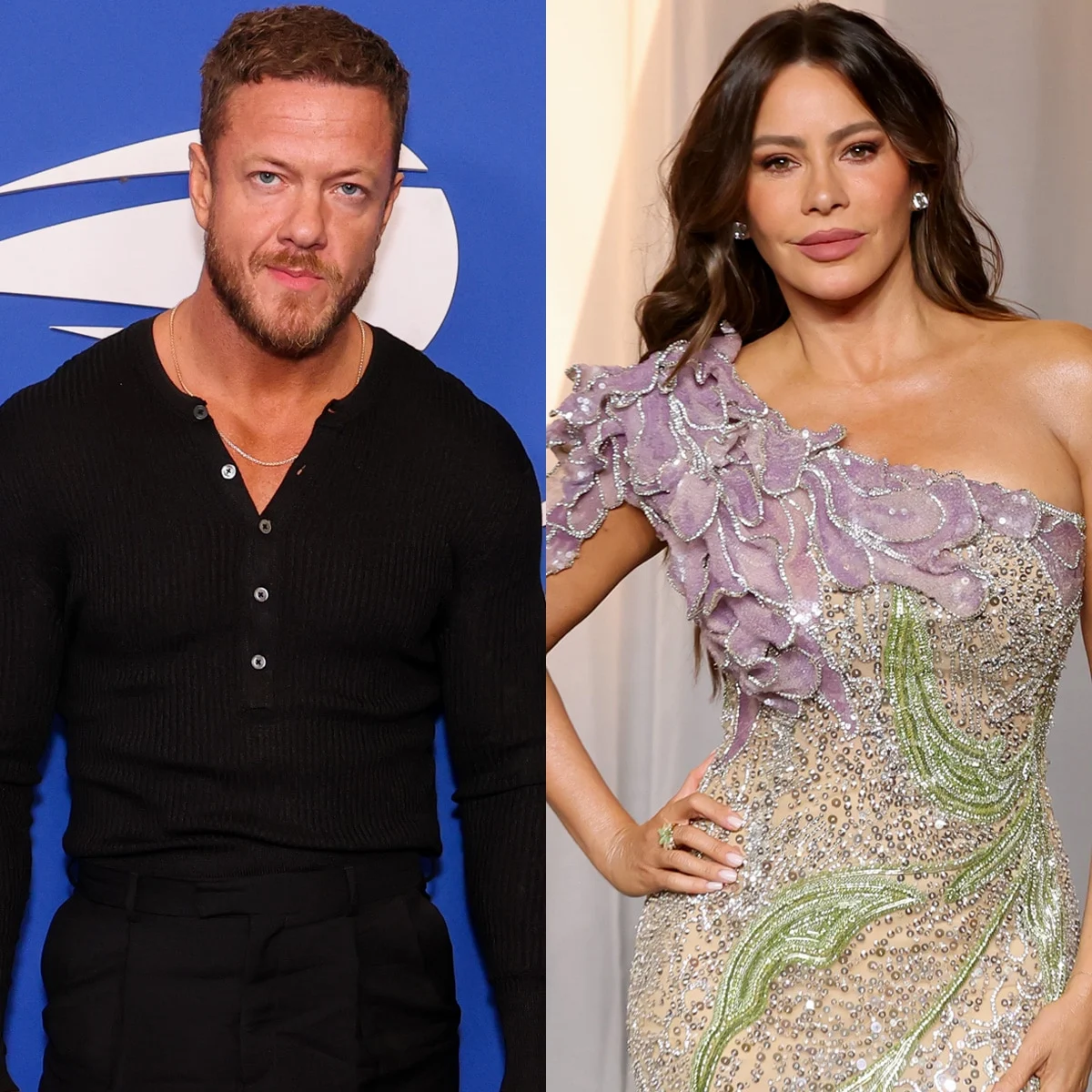
The landscape of Hollywood relationships remains in a constant state of flux, a reality underscored this week by the intersecting romantic headlines involving Imagine Dragons frontman Dan Reynolds and television personality Sofía Vergara. Following a flurry of recent high-profile separations, both entertainers have found themselves at the center of public speculation regarding their private lives, culminating in a notable joint appearance that has captivated industry observers.
On October 24, Reynolds, 39, and Vergara, 54, were photographed together during an evening outing at the upscale Italian restaurant Cipriani in Beverly Hills. The dinner, which included a group of mutual friends, saw the two stars engaging in a manner that observers described as intimate, with reports confirming that the pair held hands across the table. This development arrives against the backdrop of significant life transitions for both parties, as each navigates the aftermath of long-term domestic shifts.
A Chronology of Recent Transitions
The timeline of these events suggests a rapid period of adjustment for the Imagine Dragons singer. On October 7, multiple media outlets confirmed that Reynolds had ended his four-year relationship with actress Minka Kelly. The pair had been publicly linked since November 2022, and their breakup marked the conclusion of a significant chapter for the musician, who is also navigating the complexities of co-parenting four daughters with his ex-wife, Aja Volkman.
The transition for Reynolds appeared swift. Merely days after the news of his split from Kelly became public, he was observed attending a Miley Cyrus concert at the Hollywood Bowl on October 18 alongside influencer Chantel Jeffries. Footage captured by attendees showed the pair sitting in close proximity, sparking immediate media interest regarding the nature of their relationship. The sequence of these sightings—first with Jeffries and then a high-profile dinner with Vergara—illustrates the intense public scrutiny often applied to the dating lives of major musical figures.
For Sofía Vergara, the current public focus is inextricably linked to her past marriage to actor Joe Manganiello. As Manganiello begins a promotional tour for his upcoming memoir, Bloodlines, intimate details regarding the dissolution of their seven-year marriage have surfaced, creating a narrative of domestic friction that has resonated widely within pop culture discourse.
Contextualizing the Narrative: The Manganiello-Vergara Dynamic
The discourse surrounding Vergara’s personal life has been heavily influenced by excerpts from Manganiello’s book, in which he discloses a private seven-year struggle with a mysterious autoimmune disease. According to the Magic Mike star, this health battle placed an immense strain on their relationship, which he characterized as becoming "devoid of any emotionality" during his search for a medical diagnosis. Manganiello alleged that, during this period of physical vulnerability, Vergara was emotionally distant, even declining his requests for physical affection such as hugging.
In response to these public revelations, the Modern Family actress took to social media, sharing a cryptic post on her Instagram Stories that drew a sharp distinction between a "good man" and a "narcissistic man." The post, originally shared by her son, Manolo Vergara, offered a critical perspective on relationships, stating: "Remember kids, when dealing with a narcissist, it doesn’t matter how much you do for them, because they will resent you for it, and nothing will ever be enough and they’ll always somehow try to paint you as the bad guy."
While neither Vergara nor Manganiello has issued a direct, formal rebuttal to the other’s claims, the public exchange of perspectives serves to highlight the underlying tensions that often persist following the end of high-profile marriages.
Industry Implications and Public Perception
The intersection of these narratives highlights a broader trend in celebrity journalism, where the personal lives of public figures are increasingly viewed through the lens of digital breadcrumbs—cryptic social media posts, public outings, and memoir excerpts. For stars of the caliber of Reynolds and Vergara, these events are rarely isolated. They are analyzed for signs of emotional readiness, shifting priorities, and personal philosophies regarding future partnerships.
For Vergara, the parameters for future relationships appear well-defined. In a 2024 interview with People, the actress explicitly noted that a primary dealbreaker in her dating life is the prospect of having more children. This clarity of expectation provides a framework through which observers interpret her recent public appearances. As she moves forward from a period marked by a highly publicized divorce, her public interactions are closely monitored for consistency with these stated boundaries.
Comparative Analysis of Celebrity Dating Cycles
The situation involving Reynolds and Vergara reflects a common phenomenon in the entertainment industry: the "rebound" narrative. Sociological research into celebrity culture often notes that high-profile figures frequently seek out companionship shortly after the termination of long-term partnerships. This behavior is often interpreted by psychologists as a mechanism for emotional regulation or a search for stability in a life characterized by constant travel, performance, and public scrutiny.
When analyzing the public’s fascination with these events, one must consider the role of social media in amplifying the visibility of these encounters. Unlike previous decades, where a celebrity dinner might go unnoticed, the prevalence of mobile technology ensures that every interaction at a venue like Cipriani is documented. This creates a feedback loop where the event itself—a dinner—becomes a headline, regardless of the actual nature or longevity of the connection.
Looking Ahead
As the dust settles on the initial reports of their dinner, the industry remains in a "wait and see" pattern. For Reynolds, the challenge remains balancing the demands of a global musical career with the personal complexities of his recent separations. For Vergara, the focus remains on her professional projects and navigating the narrative fallout of her past marriage.
The public, for its part, remains engaged in the process of piecing together these fragments of information. Whether the dinner at Cipriani represents the beginning of a genuine connection or merely a social engagement between two high-profile figures remains to be seen. In the ecosystem of modern Hollywood, however, the visibility of the act is enough to sustain the conversation.
As Manganiello continues his book promotion and Vergara remains a fixture in the entertainment industry, the public will likely continue to parse their statements for further insights into their past union. Similarly, as Reynolds continues to perform and tour, his future romantic associations will inevitably be compared to his past relationships, creating a continuous, if sometimes repetitive, cycle of public interest.
The events of October 2026 serve as a reminder of the unique pressure exerted on those who live their lives in the spotlight. In an era where privacy is increasingly difficult to maintain, the intersection of personal grief, new beginnings, and public perception forms the backbone of celebrity journalism, transforming the everyday actions of individuals into significant markers of cultural transition. Whether these developments lead to lasting partnerships or are merely transient moments in a long career, they remain vital components of the public identity of those involved, continuously shaping the way audiences relate to, and perceive, the human element behind the fame.

