
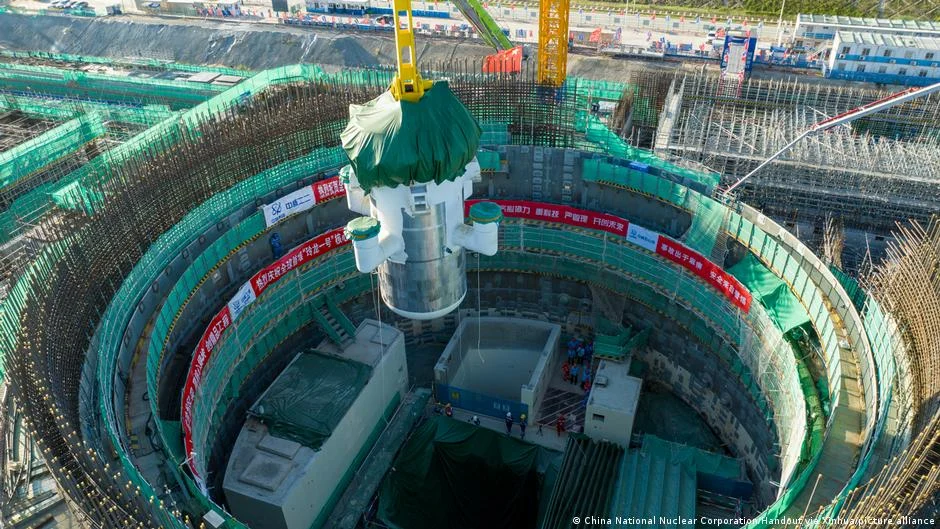
Across Southeast Asia, a region historically tethered to fossil fuels, a quiet but significant energy revolution is taking hold. As electricity consumption climbs to support rapid industrialization, the proliferation of electric vehicles, and the explosive growth of data centers, governments are fundamentally re-evaluating the role of nuclear energy. While no nation in the region currently operates a commercial nuclear power plant, a new wave of policy shifts suggests that the "nuclear taboo"—which largely took root following the 2011 Fukushima Daiichi disaster in Japan—is rapidly dissolving.
The transition is not merely a preference for low-carbon power; it is an economic and security imperative. With the International Energy Agency (IEA) reporting that Southeast Asian electricity generation has surged by 60% since 2015, the reliance on coal has deepened, with its share of the regional energy mix jumping from 37% to 47%. As these nations move toward net-zero emission targets by 2050 or 2060, they find themselves caught between the necessity of decarbonization and the volatile realities of the global energy market.
A Chronology of Renewed Ambition
The path toward nuclear adoption has been marked by long periods of dormancy followed by sudden bursts of diplomatic and regulatory activity. The current momentum represents a distinct departure from the post-Fukushima era, where safety concerns effectively mothballed nuclear development programs in the region for over a decade.
The current resurgence can be traced through several key milestones:
- 2011–2020: The "Nuclear Winter" for Southeast Asia. Following the Fukushima disaster, public skepticism and geopolitical caution led to the suspension of major nuclear projects across the ASEAN bloc.
- 2022–2023: Geopolitical shocks, specifically the war in Ukraine and the resulting global energy price volatility, force a rethink. Energy security becomes a top-tier national security priority.
- September 8, 2024: Vietnam’s state-owned entity, Petrovietnam, signs a cooperation agreement with South Korea’s KEPCO to advance the Ninh Thuan 2 project.
- September 14, 2024: Singapore’s government publicly acknowledges that it is studying nuclear energy and Small Modular Reactors (SMRs) with an "open mind," marking a major policy shift for the city-state.
Beyond these specific dates, the legislative landscape is shifting. Vietnam aims to bring two plants online by 2035; Indonesia is targeting an initial 500 megawatts (MW) of nuclear capacity by 2032; and the Philippines is aggressively working toward a 1,200 MW threshold within that same timeframe. Thailand, meanwhile, has integrated a maiden SMR project into its 2037 draft power development plan.
The Technological Catalyst: Why SMRs?
The primary technical driver behind this renewed interest is the emergence of Small Modular Reactors (SMRs). For decades, the nuclear industry was defined by massive, multi-billion-dollar reactors that required decades to build and enormous, stable power grids to support. For many emerging economies in Southeast Asia, these conventional reactors were simply too large and too expensive to be feasible.
SMRs offer a different value proposition. By using a modular design that allows for factory-based manufacturing and incremental site installation, these reactors provide greater flexibility. As Jie-Sheng Tan-Soo, an assistant professor at the Lee Kuan Yew School of Public Policy, notes, SMRs are compatible with smaller, less interconnected grids, making them a "game-changer" for regional nations that previously could not justify the massive capital expenditure of a full-scale plant.
However, the industry faces a significant hurdle: the "first-of-a-kind" cost. While the theory of mass-producing reactors suggests significant long-term savings, those economies of scale have yet to be proven at a global commercial level. The initial projects in the region will likely carry a high price tag, requiring robust state guarantees and long-term financial planning.
Data Centers and the Energy Crunch
The urgency of the transition is being accelerated by the digital economy. The rise of artificial intelligence and the cloud computing boom has transformed Southeast Asia into a global hub for data centers. These facilities are energy-intensive, requiring 24/7 "baseload" power that is difficult to provide with intermittent renewables like solar or wind.
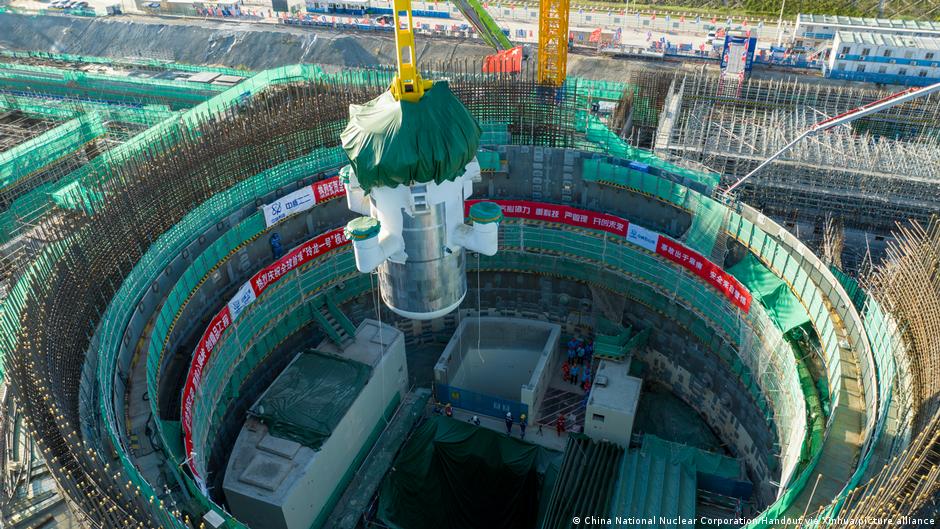
The IEA predicts that electricity demand from regional data centers will double by 2030. With over 70% of current capacity concentrated in Singapore and Johor, Malaysia, the strain on the existing grid is palpable. Governments now view nuclear energy as the only viable solution to provide the high-density, reliable power required to sustain this digital infrastructure without reverting to carbon-heavy coal plants.
The Governance Challenge
While the political will is growing, the institutional requirements for nuclear power are profound. Unlike other energy sectors, nuclear energy demands a rigid, independent regulatory framework, a highly specialized workforce, and a comprehensive long-term strategy for radioactive waste management and emergency response.
Julius Cesar Trajano of the S. Rajaratnam School of International Studies (RSIS) highlights that building the "ecosystem" around a reactor is as difficult as building the reactor itself. "Countries are approaching this with a much greater emphasis on governance and regulatory capacity than during previous attempts," Trajano observes. This includes establishing nuclear energy commissions that are insulated from political turnover, ensuring that safety standards remain the top priority for the decades-long lifespan of a facility.
Public Perception and Geopolitical Realities
Public sentiment remains a critical, albeit inconsistent, variable. In the Philippines, polling data suggests a high level of public support, with 70% of respondents viewing nuclear power as a legitimate component of the energy mix. Conversely, in Indonesia, a 2026 outlook report found that 78% of citizens identified nuclear as their least preferred energy source. This disparity underscores the challenge of public communication and education.
Geography also remains a persistent concern. Much of Southeast Asia is located along the "Ring of Fire," exposing potential reactor sites to seismic activity, volcanic risks, and tsunamis. Consequently, the vetting process for reactor sites will be among the most stringent in the world, adding significant time and cost to the development pipeline.
Strategic Implications for the Region
The pivot to nuclear power is not just a domestic energy matter; it is a regional strategic issue. As ASEAN nations seek to maintain their manufacturing competitiveness, the cost and sustainability of their electricity will determine their appeal to foreign investors.
If successful, the move toward nuclear power could provide a stable, low-carbon foundation for the region’s economy, insulating it from the geopolitical volatility that has plagued fossil fuel markets. Yet, the road ahead is long. Moving from an "ambition" or a "study phase" to a fully operational, licensed, and connected reactor requires a level of state institutional maturity that few nations have achieved.
As Alvin Chew, a senior fellow at RSIS, concludes, the momentum is undeniably shifting. "Nuclear energy is deemed to be the viable solution to address both the challenges of climate and energy security," he states. However, for nations like Singapore, Malaysia, and Vietnam, the transition will be defined by their ability to navigate the complex intersection of technology, finance, and public trust.
The next decade will serve as the litmus test. While the policy announcements of 2024 have set the stage, the actual realization of these plans will depend on whether governments can maintain the political discipline required to see a project through from the first design sketch to the first megawatt of carbon-free electricity. In the race to power the next generation of industrial growth, the atom has officially returned to the center of the Southeast Asian energy conversation.

