
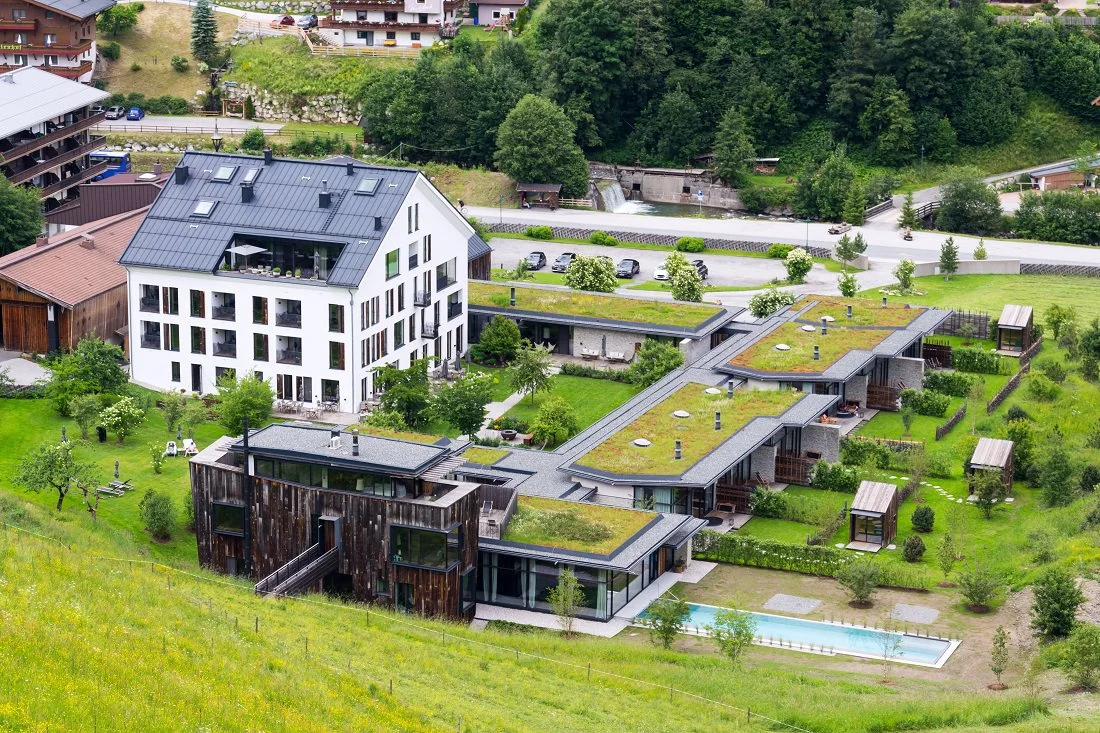
For a decade and a half, the city of Toronto served as a beacon for urban environmentalism across North America, proving that municipal policy could successfully integrate nature into the built environment. Its pioneering 2009 bylaw—the first on the continent to mandate green roofs while establishing rigorous construction standards—spawned more than 1,200 thriving living roofs throughout the metropolis. However, the landscape of sustainable urban planning shifted dramatically when the Ontario government abruptly revoked the specific provision of the City of Toronto Act that authorized the mandate. Executed without advance notice or a structured phase-out period, this sudden reversal underscores a broader international tension defining environmental architecture in 2026.
Across North America and Europe, eco-friendly construction practices are encountering significant political and economic headwinds. Surging housing costs and affordability pressures have prompted various regional governments to dilute or entirely scrap green building mandates. Conversely, other municipalities continue to double down on ecological requirements, often introducing flexible frameworks that allow building owners to choose between vegetation, solar panels, or a hybrid of both. For property developers, architectural firms, and municipal policymakers alike, the pressing challenge is determining which roofing system under local legal frameworks delivers maximum financial and environmental value.
Anatomy and Evolution of Modern Ecoroofs
Often referred to as living roofs or ecoroofs, modern green roofing systems are sophisticated, engineered assemblies designed to support living flora atop waterproof architectural membranes. While the historical concept of sod roofs dates back to the Middle Ages, contemporary installations require a precise stratification of materials to protect the underlying structure. According to municipal engineering standards, a standard green roof requires a minimum of a root-repellent barrier, an advanced drainage system, a filtering layer, an engineered growing medium, and specialized vegetation.

Today’s living roof systems are generally categorized into two distinct types: extensive and intensive. Extensive roofs utilize a shallow growing medium—typically just a few inches deep—and are planted with hardy, drought-tolerant species like sedums. These lightweight systems are designed primarily for environmental performance rather than public access. Intensive roofs, conversely, feature much deeper soil profiles capable of supporting complex flora, including grasses, perennial shrubs, and even small trees. These intensive systems often double as accessible rooftop gardens or recreational spaces.
According to data from environmental protection agencies, the cost differential between the two approaches is substantial. A basic, non-accessible extensive green roof typically costs anywhere from one-tenth to one-third of a heavy intensive roof designed for public recreation and deep-root planting. Despite these initial capital expenditures, comprehensive studies highlight the long-term economic and ecological benefits. Research published in Nature Cities and Nature Urban Sustainability indicates that widespread ecoroof implementation can reduce building energy use intensity significantly, slash HVAC loads by up to nearly 72 percent in dense urban environments, and lower peak summer rooftop surface temperatures by an average of 30 degrees Celsius. Furthermore, historical analyses by federal agencies previously suggested that energy savings on commercial and public structures can completely offset the initial installation costs within approximately six years.
Global Policy Landscape: Mandates, Modifications, and Repeals
The regulatory framework governing green roofs varies wildly across jurisdictions, reflecting a fractured global approach to climate resilience. While some cities are tightening restrictions to combat the urban heat island effect, others are retreating under pressure from real estate lobbies.
In Toronto, the sudden November 2025 repeal followed the rapid legislative passage of Bill 17, formally known as the Protect Ontario by Building Faster and Smarter Act. The provincial government argued that municipal green mandates conflicted with streamlined building codes aimed at accelerating housing construction. While the mandatory bylaw is defunct, green roofs remain legal on a voluntary basis, supported by municipal eco-roof incentive grants for existing structures.

Meanwhile, major U.S. cities have maintained varying degrees of regulatory compulsion, frequently blending vegetation requirements with clean energy initiatives. New York City’s Local Laws 92 and 94 mandate a "sustainable roofing zone" featuring green roofs, solar arrays, or a combination of both for all new construction and major roof replacements. San Francisco’s Better Roofs Ordinance requires a percentage of new construction rooftops to feature solar installations or living vegetation. Similarly, Denver’s Green Buildings Ordinance requires commercial and multi-family structures exceeding 25,000 square feet to dedicate specified rooftop percentages to vegetation or solar power, scaling requirements based on building footprints.
In Portland, Oregon, regulatory modifications reflect a pragmatic approach to the housing crisis. While maintaining its core ecoroof standard for large central city buildings, Portland enacted a housing regulatory relief package permitting solar panels as a direct compliance alternative for residential projects. Conversely, Massachusetts municipalities have moved in the opposite direction. Cambridge enforces strict vegetation or solar coverage on 80% of available roof space for large new buildings, levying steep financial contributions for non-compliance that reach upwards of $64 per square foot of unbuilt green space. Neighboring Somerville introduced equally stringent requirements for mid-rise and high-rise developments.
International policies face similar internal debates. French legislation progressively increased mandatory green or solar coverage thresholds for non-residential buildings to 40 percent, with plans to scale higher. However, legislative pushback continues to challenge the inclusion of vegetation, with lawmakers debating whether to prioritize solar power exclusively to align with broader energy directives.
Economic Incentives and Persistent Barriers
Despite proven environmental advantages and the availability of targeted financial incentives, widespread adoption of green roofs continues to face structural hurdles. In New York City, property tax abatements designed to offset installation costs have historically suffered from remarkably low utilization rates among private developers, prompting lawmakers to continually revise and extend program caps through 2030. Other municipalities offer floor area ratio (FAR) bonuses, permitting developers to construct larger, more profitable buildings in exchange for incorporating rooftop vegetation.

Primary barriers to widespread adoption include high upfront capital costs, a general lack of public and private awareness, limited regional contractor expertise, and uncertainties regarding long-term maintenance liabilities. Furthermore, while the microclimatic and stormwater management benefits of green roofs are well-documented, policy experts emphasize the ongoing need for standardized valuation metrics to accurately price these ecosystem services for commercial developers.
As urban centers grapple with the dual pressures of climate change and housing affordability, the trajectory of green roof policy remains fluid. Whether driven by municipal mandate, tax incentives, or voluntary corporate sustainability goals, the integration of living architecture into the urban fabric will continue to evolve as cities search for resilient, adaptable blueprints for the future.

