
Since its inception in 2018, International Jaguar Day, observed annually on November 29, has served as a critical global platform for assessing the status of Panthera onca. As the largest cat species in the Americas and the third-largest in the world, the jaguar occupies a position of ecological preeminence. However, the species faces an existential crisis driven by habitat fragmentation, illegal wildlife trafficking, and human-wildlife conflict. While the holiday is intended to celebrate the majesty of this apex predator, it has increasingly become a somber reminder of the vast territories lost over the last century.
A Shrinking Domain: From Continental Monarch to Fragmented Survivor
Historically, the jaguar’s range was immense, stretching across 19 million square kilometers (7.3 million square miles). Their territory once spanned from the southwestern United States down to the central regions of Argentina, encompassing a diverse array of biomes including tropical rainforests, scrublands, and riverine environments. Today, that range has been decimated by more than 50%, with the species now confined to approximately 9 million square kilometers (3.5 million square miles).
The current strongholds for the jaguar are largely concentrated within the Amazon Basin, the Pantanal wetlands, the Chaco dry forest, and the Llanos grasslands of Colombia and Venezuela. These regions provide the necessary canopy cover and prey density required for the species to thrive. However, the rapid expansion of agricultural frontiers, infrastructure development, and urbanization continues to press against these core habitats. The loss of connectivity between these pockets of wilderness is arguably the greatest threat to the species, as it prevents genetic exchange and limits the ability of jaguars to migrate in response to environmental changes.
Chronology of Conservation and Conflict
The plight of the jaguar is marked by a series of significant events over the past decade that highlight both the resilience of the species and the severity of the threats it faces.
- 2018: The first International Jaguar Day is established to unify conservation efforts across the Americas.
- 2020–2022: Increased reports of deforestation in the Amazon and the Pantanal draw global attention to the loss of critical jaguar corridors.
- Late 2025: A male jaguar identified as "Cinco" is captured on camera in southern Arizona, marking the fifth confirmed sighting in the region in 15 years, sparking discussions about the possibility of a northward recolonization.
- Early 2026: Researchers announce advanced genetic banking initiatives in Brazil’s Atlantic Forest, where fewer than 250 adults remain, including experimental attempts at IVF and cloning to prevent local extinction.
- April 2026: Camera traps in Honduras’s Sierra del Merendón record a young male at an altitude of 2,200 meters, the first such sighting in a decade, indicating the use of high-altitude mountain corridors.
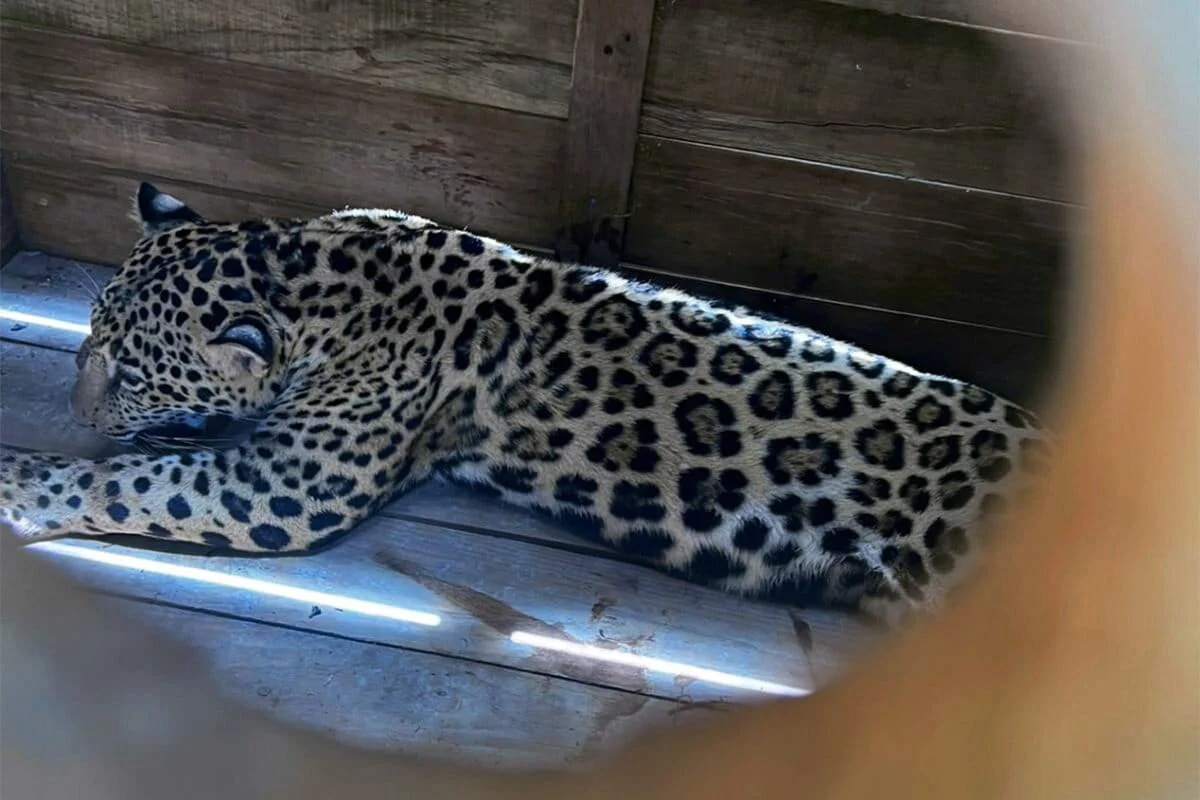
- May 2026: Honduran authorities conduct a major raid in Olancho, seizing a captive female jaguar, highlighting the persistent threat of illegal wildlife trafficking.
Resilience at the Edge: High-Altitude Sightings and Northern Range Shifts
While the core habitats are the focus of large-scale conservation efforts, the periphery of the jaguar’s range provides vital insights into the species’ adaptability. The sighting in the Sierra del Merendón in Honduras is particularly significant. This mountain range acts as a critical biological corridor connecting Honduras and Guatemala, facilitating the movement of fauna across national borders.
Allison Devlin, who directs the jaguar program at the conservation NGO Panthera, noted that the presence of the cat at such high elevations underscores the species’ remarkable resilience. When jaguars traverse these rugged, high-altitude landscapes, they demonstrate an ability to bypass human-modified lowlands where they are most at risk of poaching or vehicular collisions. Marcio Martinez, a coordinator at Honduras’s National Institute of Forest Conservation (ICF), emphasized that these sightings reaffirm the existence of dispersed, elusive populations in the northwestern regions of the country, which are often overlooked in broader regional surveys.
The Shadow of Wildlife Trafficking
Despite the optimism generated by range-edge sightings, the threat of illegal trade remains a persistent challenge. In May 2026, a significant enforcement action occurred in the Olancho department of Honduras, where authorities raided the private estate of a local businessman. The operation resulted in the recovery of a one-year-old female jaguar, alongside several other exotic species, including capuchin monkeys, parrots, and a python.
Authorities suspect the jaguar was captured in the Mosquitia forests, a primary stronghold for the species in Central America. The animal, currently being held at a rehabilitation facility managed by the Honduran armed forces, represents the collateral damage of a thriving underground market for exotic pets. The rehabilitation of such animals is complex; if a jaguar becomes too habituated to human presence, the prospect of reintroduction into the wild becomes increasingly precarious. Nevertheless, the successful seizure highlights the growing capacity of national agencies to combat environmental crime.

Scientific Innovation: Genetic Banking and the Future of the Atlantic Forest
In the eastern Atlantic Forest and the dry Caatinga of Brazil, the situation is far more critical than in the core Amazonian strongholds. With fewer than 250 adult jaguars remaining, the population is below the threshold required for long-term genetic viability without intervention. Scientists have turned to advanced biotechnology, including genome banking and experimental IVF, as a "last resort" measure.
While some critics argue that these resources should be focused entirely on habitat protection, supporters of these programs contend that once a population reaches a critical low, traditional conservation methods are insufficient to prevent the loss of unique genetic markers. The cloning and genetic preservation efforts in Brazil serve as a pilot for what may eventually be required in other isolated pockets of the jaguar’s range if fragmentation continues at the current pace.
Analysis: Implications for Continental Conservation
The status of the jaguar serves as a bellwether for the health of the American ecosystems. As an apex predator, the jaguar regulates prey populations, which in turn maintains the balance of plant and tree species within their habitat. The loss of jaguars can lead to trophic cascades that degrade the very forests and wetlands upon which local communities rely for water filtration, carbon sequestration, and climate regulation.
The data suggests a bifurcated reality for the species. On one hand, the "stronghold" areas in South America remain relatively stable, provided that anti-deforestation policies are strictly enforced. On the other hand, the northern and eastern fringes of the range are characterized by high instability and low population density. The long-term survival of the jaguar depends on the maintenance of "biological bridges"—the corridors that connect isolated populations. Without these, even the healthiest populations will eventually succumb to inbreeding and localized extinction.
The findings from 2026 indicate that while the jaguar is a survivor, it cannot be expected to survive in a fragmented, hostile landscape indefinitely. Policy decisions made in the next decade regarding land-use planning, the enforcement of anti-trafficking laws, and the protection of trans-border corridors will be the deciding factor in whether the jaguar remains a permanent feature of the American wilderness or becomes a relic of the past.
A Call for Integrated Regional Action
As the international community reflects on the challenges faced by Panthera onca, the consensus among experts is clear: isolated, country-specific conservation is insufficient. Because jaguars are wide-ranging animals that do not recognize political boundaries, the protection of the species requires a multinational framework.
Initiatives such as the Jaguar 2030 Roadmap, which aims to protect 30 priority landscapes by the end of the decade, represent the necessary scale of cooperation. However, the successful execution of such plans requires sustained funding, the empowerment of local indigenous communities who act as the primary stewards of these lands, and a rigorous commitment to legal enforcement against traffickers.
As International Jaguar Day concludes each year, the focus must shift from awareness to systemic action. Whether it is through the protection of a high-altitude mountain corridor in Honduras or the genetic safeguarding of a shrinking population in Brazil, every effort to secure a future for the jaguar is, ultimately, an effort to secure a future for the diverse ecosystems that sustain life across the Americas. The jaguar’s struggle is a reflection of the broader struggle for biodiversity; its survival is not merely a win for conservationists, but a vital necessity for the health of the planet.

