

The headlines confirm what the average household already knows: food is becoming significantly more expensive, placing a mounting strain on the budgets of families across the United States. Data from the U.S. Bureau of Labor Statistics indicates that both dining out and the costs associated with preparing meals at home have seen a persistent upward trajectory throughout this year. This financial tightening arrives just as the holiday season begins, with the American Farm Bureau Federation reporting that the total cost of a traditional Thanksgiving dinner has increased for the first time since 2022. As inflation persists, economists are signaling that this trend of rising food costs is likely to extend well into the coming year, raising fundamental questions about the role of the consumer in an increasingly fragile global economy.
The drivers behind this price surge are multifaceted and deeply interconnected. The high price of fuel—exacerbated by ongoing geopolitical tensions in the Middle East—has acted as a primary catalyst for the sticker shock at the supermarket. Because modern agriculture relies heavily on diesel for harvesting, processing, storage, and long-haul transportation, price volatility in the energy sector inevitably cascades down to the produce aisle. Simultaneously, the global climate crisis has moved from an abstract concern to a tangible economic disruptor. The current El Niño cycle has triggered extreme weather patterns across key agricultural zones, disrupting supply chains and suppressing crop yields. These environmental stressors, combined with structural inflation, have created a "perfect storm" for food security and affordability.
Despite these economic headwinds, consumer spending has demonstrated a surprising level of resilience. Consumer activity, which represents roughly two-thirds of the U.S. Gross Domestic Product (GDP), saw a 3.8 percent increase in the third quarter of this year. This paradox—where consumers are vocal about their frustrations regarding the cost of living while continuing to spend at record rates—has become a central narrative in the current economic cycle, significantly influencing political discourse and the shifting landscape of recent midterm elections.
The Erosion of the Ethical Shopper
For years, the concept of "voting with your dollars" has been championed as a powerful mechanism for change. Proponents of this theory argue that by choosing sustainably sourced, carbon-neutral, or ethically produced goods, shoppers can force corporations to adopt more environmentally friendly practices. However, with food systems currently responsible for between one-quarter and one-third of global greenhouse gas emissions, the efficacy of this individualistic approach is under renewed scrutiny. When shoppers are forced to choose between the integrity of their grocery budget and the integrity of their environmental values, the "conscience" often takes a back seat to survival.
Research on consumer motivation in this climate remains contradictory. While some studies show a segment of the population is still willing to pay a premium for "climate-proof" products, such as sustainably grown wine or organic produce, these choices are often secondary to other factors. Market research from firms like Boston Consulting Group suggests that consumers who opt for sustainable products are frequently driven more by perceived health benefits or superior taste than by altruistic environmentalism. When price parity disappears, the appeal of sustainability often vanishes alongside it.
The Economic Limits of Individual Choice
David Ortega, an agricultural economist and professor at Michigan State University, argues that the strategy of voting with your wallet has inherent, structural limitations. "The practice works when the sustainable option costs about the same as the conventional alternative," Ortega notes. "It becomes significantly less effective when there is a real, measurable premium attached to that sustainability, especially when household budgets are already stretched to their breaking point."
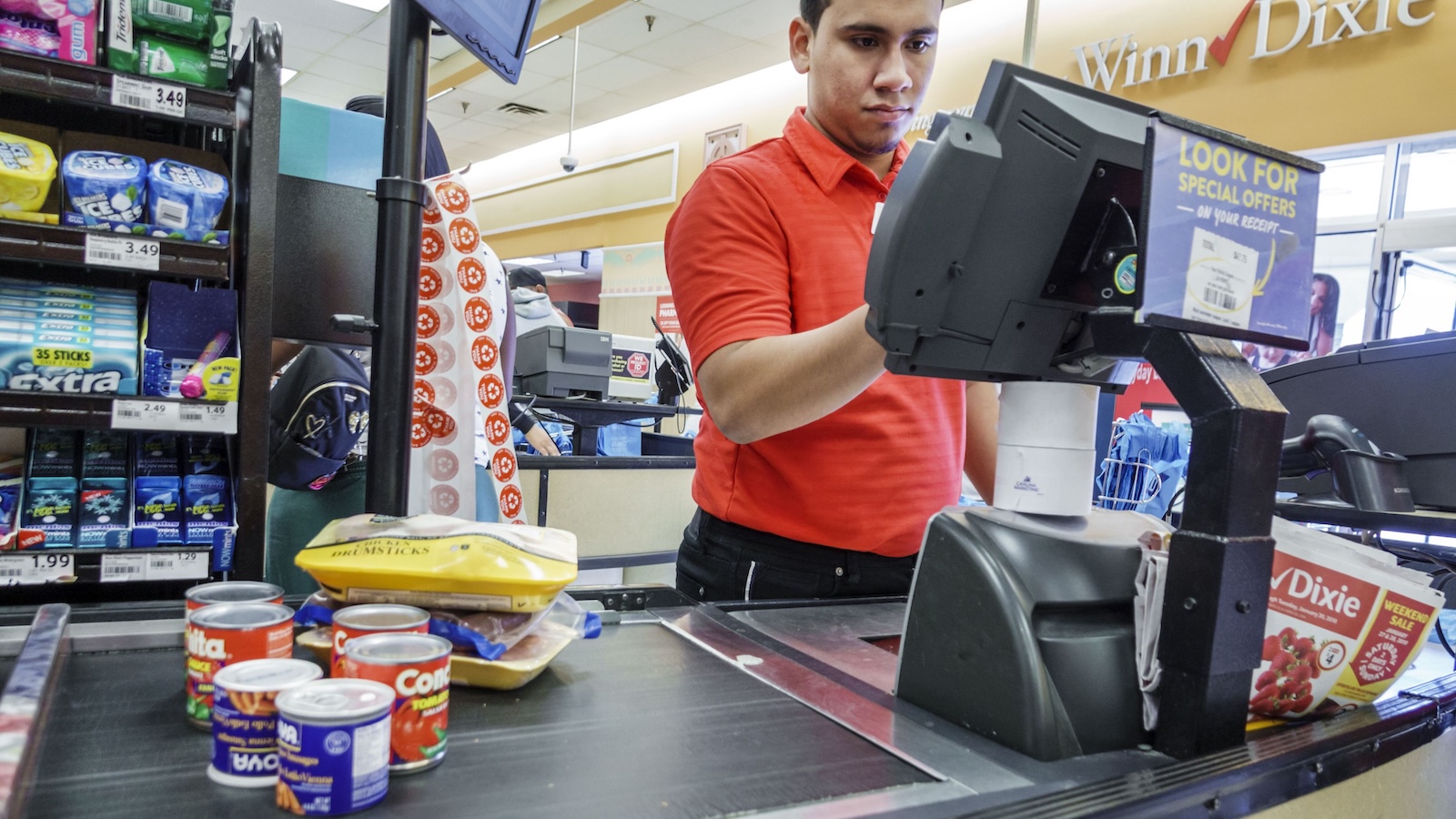
The volatility of the egg market serves as a perfect case study for this dynamic. When egg prices spiked significantly last year, the consumption patterns of lower-income and middle-income households shifted sharply toward conventional, lower-cost options. While affluent households maintained their preference for cage-free or premium eggs, the broader demographic of shoppers was forced to prioritize the cheapest available protein.
Furthermore, experts suggest that the perception of consumer power in the food sector is often overstated. A significant portion of the average household’s budget is now consumed by housing, leaving less discretionary income for "ethical" food spending. Moreover, shifts in industry standards—such as the widespread adoption of cage-free egg policies—are rarely the result of a sudden groundswell of consumer demand alone. Instead, these changes are often the product of long-term pressure from state legislation, institutional investor demands, and strategic commitments made by major retail chains.
A Chronology of Corporate Accountability
While individual consumer choices have limits, history provides evidence that sustained, collective action can reshape corporate supply chains.
- 2000s – The Amazon Soy Moratorium: In response to a high-profile Greenpeace investigation highlighting the link between soy production and Amazonian deforestation, major traders entered into a landmark agreement. For nearly two decades, this moratorium was considered a gold standard for private-sector environmental governance. Although the agreement faced significant strain and eventual collapse earlier this year, it demonstrated that targeted, industry-wide pressure could effectively decouple supply chains from destructive land-use practices for a generation.
- 2000-2004 – The Coalition of Immokalee Workers (CIW): This campaign serves as a blueprint for success. The CIW led a sustained, multi-year boycott against Taco Bell, focusing on the company’s labor practices within its tomato supply chain. By the end of four years, the parent company agreed to implement a worker-led code of conduct, ensuring fair treatment for agricultural laborers. This victory highlighted that "voting with your dollars" is most effective when it is part of a larger, coordinated campaign that targets the reputational risk of a corporation.
Looking Toward Systemic Reform
The recent rise of movements like "Make America Healthy Again" (MAHA) indicates that consumers remain deeply invested in the quality and origin of their food. However, as Jody Kirchner, director of market insights at the Good Food Institute, points out, the burden of fixing a broken food system should not rest solely on the shoulders of the individual shopper.
"Shoppers cannot break this loop on their own," Kirchner explains. The transition to a more sustainable, resilient food system requires a fundamental alignment of public policy, private investment, and consumer desire. When the status quo—which is often environmentally damaging—is significantly cheaper than the alternative, the market will naturally favor the status quo.
The path forward, according to many policy analysts, involves shifting from an individualistic model of change to one of systemic reform. This includes:
- Public Investment: Government subsidies currently favor commodity crops that are often the most carbon-intensive. Redirecting these funds toward regenerative agriculture could lower the cost of sustainable options, bringing them into price parity with conventional goods.
- Regulatory Frameworks: As seen with cage-free eggs, state-level mandates provide a consistent floor for environmental and animal welfare standards, removing the "price penalty" from the individual shopper by ensuring all products meet a baseline of sustainability.
- Transparency and Accountability: Without the backing of robust, verified labeling, consumers struggle to distinguish between genuine environmental benefits and corporate greenwashing, which further complicates the "voting with your wallet" strategy.
Ultimately, the frustration felt by American households at the checkout counter is a symptom of a larger, systemic failure to account for the true cost of food production. While consumers are undoubtedly feeling the pinch, the solution likely does not lie in asking them to sacrifice more, but in building a food system that does not require them to choose between their personal financial health and the health of the planet. As the economy moves into the new year, the discourse is shifting away from the idea that the consumer is the sole engine of change, moving toward a recognition that lasting progress requires a combination of policy, corporate responsibility, and collective, rather than individual, action.

