

In a significant shift for the Southeastern energy landscape, Georgia’s largest utility provider, Georgia Power, has received regulatory approval to launch the Customer-Identified Resource (CIR) program. This initiative, designed to empower large-scale commercial and industrial energy consumers, marks a pivotal departure from traditional utility-led procurement models. By allowing corporations to propose, fund, and integrate their own clean energy projects directly into the state’s electrical grid, the program aims to bridge the widening gap between ambitious corporate sustainability goals and the current fossil-fuel-heavy reality of the regional energy mix. The program was approved with bipartisan support from the Georgia Public Service Commission (PSC) on April 7 and is slated to begin operations by the summer of 2024.
The emergence of the CIR program comes at a time of unprecedented tension in the energy sector. Across the United States, Fortune 500 companies have committed to aggressive decarbonization targets, often pledging to reach "Net Zero" or 100% renewable energy use within the next decade. However, these companies are frequently tethered to local utility grids that rely on a combination of coal, natural gas, and nuclear power. In Georgia, while renewable energy capacity is growing, the utility’s long-term planning has recently trended toward expanding natural gas infrastructure to meet a massive surge in demand driven by the technology and manufacturing sectors. The CIR program offers a "third way," allowing the private sector to accelerate the deployment of renewables without waiting for the utility’s standard bidding cycles or legislative mandates.
A New Mechanism for Corporate Decarbonization
For years, corporations operating in Georgia faced a logistical hurdle when attempting to green their operations. While a company could install solar panels on its own roof, the scale of such projects rarely met the total energy requirements of a massive data center or an automotive manufacturing plant. To claim renewable energy use, companies often had to engage in complex financial maneuvers, such as purchasing Renewable Energy Credits (RECs) from wind farms in the Midwest or solar arrays in Texas. While these credits help fund renewable energy globally, they do not change the physical carbon intensity of the Georgia grid.
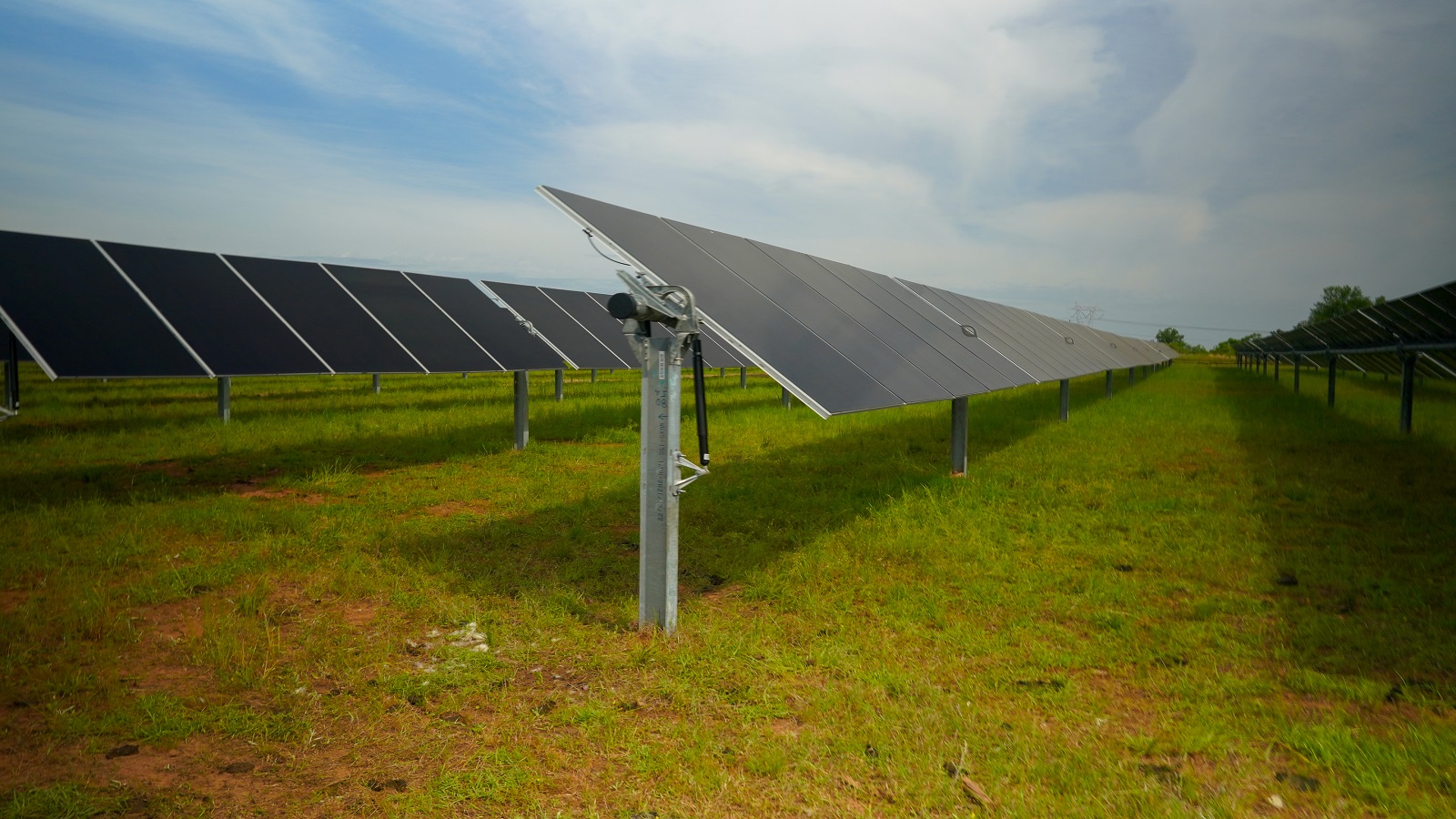
The CIR program changes this dynamic by providing a formal framework for customers to bring specific projects to Georgia Power. Under this new structure, a company—or a coalition of companies—can identify a site for a new solar field or battery storage facility and bring the proposal to the utility. If the project meets technical and safety standards, the company funds the development, and the energy generated is credited toward their specific consumption.
Priya Barua, Senior Director of Utility Partnerships and Innovation at the Corporate Energy Buyers Association (CEBA), played a central role in the development of the initiative. According to Barua, the program provides an unprecedented opportunity for customers to take an active role in grid planning. She noted that the program is not limited to individual corporate giants; it is designed to allow multiple customers to aggregate their demand and co-fund a single project. This collaborative aspect is expected to democratize access to clean energy, allowing small and medium-sized commercial enterprises to participate in large-scale solar developments that would otherwise be cost-prohibitive.
The Data Center Boom and the Natural Gas Conflict
The timing of the CIR program is critical, as Georgia finds itself at the center of a global surge in data center development. The rise of artificial intelligence (AI) and cloud computing has created an insatiable demand for electricity. Georgia has become an attractive destination for these facilities due to its relatively low land costs and favorable tax environment. However, this growth has strained the existing energy infrastructure.
In late 2023 and early 2024, Georgia Power updated its Integrated Resource Plan (IRP), a document that outlines how the utility will meet demand over the next two decades. The utility cited an "extraordinary" increase in demand projections, largely from data centers, and requested permission to build new natural gas turbines and extend the life of older fossil fuel units. While the Georgia PSC eventually approved these expansions, the decision met with fierce opposition from environmental advocates and consumer groups. These critics argued that the utility should instead prioritize solar, wind, and battery storage to meet the new demand.
The CIR program serves as a potential release valve for this pressure. By allowing data center operators to fund their own solar projects, the utility can theoretically reduce the amount of new natural gas generation it needs to build. Barua suggested that the program could "accelerate the clean energy projects coming to the system," potentially negating the need for future fossil fuel investments by meeting new demand with carbon-free resources from the outset.
Case Studies: Meta and Hyundai
The limitations of the previous system are best illustrated by the experiences of two major players in Georgia’s economy: Meta (formerly Facebook) and Hyundai.
Meta has invested heavily in Georgia, specifically with its massive data center complex in Social Circle. To power this facility, Meta collaborated with electric membership cooperatives (EMCs) to build several solar fields across the state. However, because Meta’s facility is served by an EMC rather than Georgia Power, it was able to utilize different procurement rules. For companies within Georgia Power’s service territory—the largest in the state—such options were historically more restricted.
Hyundai, which is currently constructing a multi-billion dollar "Metaplant" for electric vehicle production near Savannah, faced a different challenge. Seeking to ensure its manufacturing process was as green as the vehicles it produces, the company sought renewable energy options. Because a streamlined program like CIR did not yet exist within Georgia Power’s framework, Hyundai ultimately secured a deal to purchase energy credits from solar fields located in Texas. While this fulfilled the company’s corporate requirements, it meant that the economic and environmental benefits of the energy generation—such as local property taxes and grid greening—accrued to Texas rather than Georgia.
With the CIR program, future projects of this magnitude will be able to keep their investments within the state, creating a localized "green economy" where the energy produced, the jobs created, and the emissions reduced all stay within Georgia’s borders.
Georgia’s Standing in the Solar Market
Despite being a traditionally conservative state in terms of energy policy, Georgia has quietly become a leader in solar energy. According to the Solar Energy Industries Association (SEIA), Georgia currently ranks eighth in the nation for total installed solar capacity. This growth has been driven primarily by utility-scale solar projects rather than residential rooftop installations, which have faced more regulatory hurdles.
The SEIA data indicates that Georgia has enough installed solar to power over 650,000 homes. However, the state’s potential remains largely untapped. Unlike neighboring states like North Carolina, which implemented aggressive renewable portfolio standards years ago, Georgia’s solar growth has been pragmatic and market-driven. The CIR program aligns with this market-driven approach, as it relies on private capital rather than ratepayer subsidies to expand the renewable footprint.
Regulatory Chronology and Future Outlook
The path to the CIR program’s approval was marked by months of negotiation between the utility, the PSC staff, and stakeholders like CEBA. The April 7 vote by the Public Service Commission was a rare moment of bipartisan consensus. Commissioners recognized that providing corporate customers with the tools to manage their own energy costs and sustainability profiles was essential for maintaining the state’s competitive edge in attracting high-tech industry.
Timeline of Key Events:
- Late 2023: Georgia Power submits an emergency update to its Integrated Resource Plan, citing a massive spike in projected demand from data centers and industrial expansion.
- Early 2024: Negotiations begin between Georgia Power and corporate advocacy groups to create a mechanism for customer-led energy projects.
- April 7, 2024: The Georgia Public Service Commission votes to approve the Customer-Identified Resource program as part of a broader energy agreement.
- Summer 2024 (Expected): The program officially opens for applications, allowing companies to begin submitting project proposals.
As the program moves toward its summer launch, industry analysts will be watching closely to see how quickly it is utilized. The success of the CIR program could serve as a blueprint for other states in the Southeast and beyond. Many utilities in the region operate as vertically integrated monopolies, similar to Georgia Power, and face similar pressures from corporate customers who are no longer satisfied with a "one-size-fits-all" energy mix.
Broader Implications and Fact-Based Analysis
The CIR program represents a significant evolution in the relationship between utilities and their largest customers. Historically, utilities have guarded their role as the sole planners of energy generation. By opening the door to customer-identified resources, Georgia Power is acknowledging that the pace of the energy transition is being dictated as much by the private sector as by regulators.
However, challenges remain. The integration of these customer-funded projects must be handled carefully to ensure grid stability. Furthermore, there are questions regarding the "interconnection queue"—the waiting list of projects seeking to connect to the grid. If the utility’s internal processes are not streamlined to handle a sudden influx of CIR proposals, the program’s goal of "accelerating" clean energy could be hampered by administrative bottlenecks.
From an economic perspective, the program is likely to stimulate local construction and land-lease markets. Most large-scale solar projects are built on rural land, providing a steady stream of income for farmers and landowners. By incentivizing these projects to remain in-state, Georgia is effectively capturing "green" capital that might otherwise flee to more renewable-friendly markets.
In conclusion, the Georgia Power Customer-Identified Resource program is a pragmatic response to the dual challenges of skyrocketing energy demand and the corporate drive for sustainability. While it does not solve the overarching debate regarding the role of natural gas in the state’s energy future, it provides a vital mechanism for the private sector to lead by example. As the first projects under this program break ground, they will represent a new era of collaborative energy development, where the grid is shaped not just by the utility, but by the companies that rely on it.

