
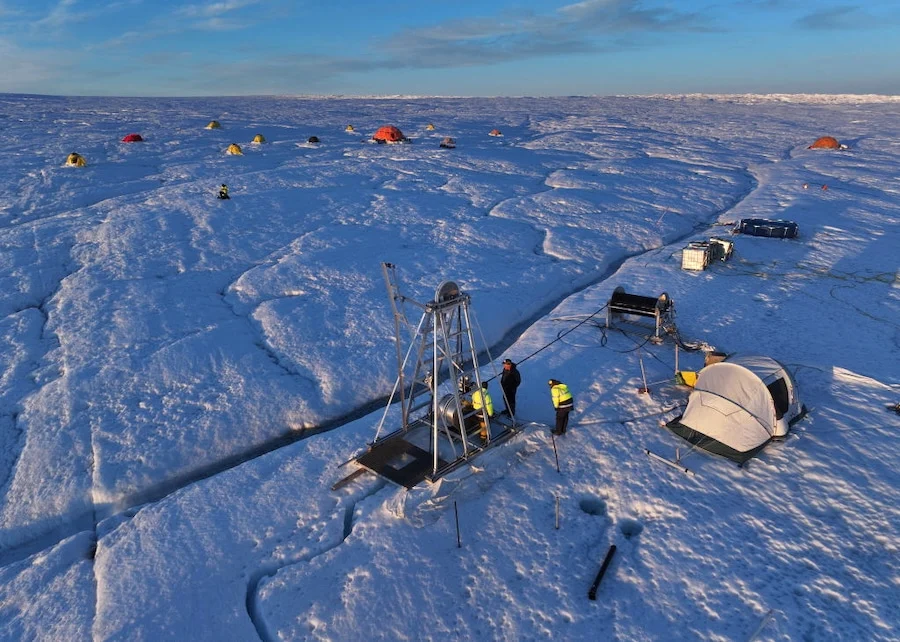
Methane, a colorless and odorless hydrocarbon, has emerged as one of the most significant challenges and opportunities in the global effort to mitigate the climate crisis. While carbon dioxide (CO2) often dominates the conversation regarding greenhouse gas emissions, methane (CH4) is responsible for approximately one-third of the global warming experienced since the Industrial Revolution. Composed of one carbon atom and four hydrogen atoms, this powerful gas is the primary component of natural gas, which currently facilitates roughly 25 percent of the world’s electricity generation. However, its role in the atmosphere is complex, acting as a short-lived but incredibly potent driver of temperature increases.
The Dual Nature of Methane: POTENCY AND PERSISTENCE
The climate impact of methane is defined by two contrasting characteristics: its extreme heat-trapping ability and its relatively short atmospheric lifespan. Unlike carbon dioxide, which can persist in the atmosphere for centuries, methane remains for only about 12 years before it is broken down by natural sinks, such as soil and chemical reactions in the troposphere.
Despite its shorter life, methane is far more effective at trapping heat than CO2. Over a 20-year period, methane is 86 times more potent than carbon dioxide on a per-mass basis. Even when measured over a 100-year horizon, it remains 28 times more powerful. This high Global Warming Potential (GWP) means that reducing methane emissions offers an immediate "brake" on global warming. The Intergovernmental Panel on Climate Change (IPCC) and the Global Methane Assessment both emphasize that curbing methane is likely the most effective strategy for decreasing the rate of warming over the next two decades. To remain on a pathway toward limiting global temperature increases to 1.5 degrees Celsius, methane emissions must be slashed by approximately 34 percent by 2030 compared to 2019 levels.

A Chronology of Rising Concentrations
The history of atmospheric methane is a record of accelerating human industrial and agricultural activity. Before the Industrial Revolution, methane concentrations in the atmosphere were relatively stable. However, as of 2023, concentrations have soared to 1,934 parts per billion (ppb)—a staggering 265 percent increase over pre-industrial levels.
- Pre-1800s: Stable concentrations maintained by natural cycles in wetlands and geological seeps.
- 1800s–1950s: Gradual rise linked to the expansion of coal mining and the beginnings of industrial agriculture.
- 1950s–1990s: Rapid acceleration due to the global oil and gas boom and the intensification of livestock farming.
- 2000s–Present: A period of "exceptional growth," particularly between 2020 and 2022, driven by both human activity and climate-induced feedback loops in tropical wetlands.
If current trends continue without aggressive intervention, human-caused methane emissions are projected to rise by another 13 percent by 2030.
Mapping the Sources: Human vs. Natural Emissions
Methane enters the atmosphere through a variety of biological and geological pathways. Approximately 60 percent of current emissions are the result of human activity, while the remaining 40 percent stem from natural processes.
Agricultural Drivers
Agriculture is the largest source of human-caused methane, accounting for 40 percent of emissions. The majority of this—about 32 percent—comes from livestock. Ruminant animals like cows, sheep, and goats possess a unique digestive process called enteric fermentation. Microbes in their stomachs break down plant matter and produce methane as a byproduct, which is then released primarily through burps. Additionally, rice cultivation contributes 8 percent of human-caused emissions, as flooded paddies create oxygen-poor environments where methane-producing archaea thrive.

Fossil Fuel Infrastructure
The energy sector is responsible for 35 percent of human-caused methane emissions. During the extraction and transport of oil and gas, methane is often intentionally vented or accidentally leaked. Coal mining also contributes significantly; methane trapped in coal seams is released during the mining process or seeps from abandoned shafts. Recent data suggests that "super-emitters"—massive, localized leaks from pipelines or wells—are far more common than previously reported, with over 1,000 major incidents detected by satellites in 2022 alone.
Waste Management
Landfills and wastewater treatment systems account for 20 percent of human-caused emissions. As organic waste decomposes in oxygen-free environments, it releases methane. With global solid waste production expected to rise by 73 percent by 2050, this sector represents a rapidly growing threat.
Natural Sources and Feedback Loops
Wetlands are the primary natural source of methane, accounting for one-third of all global emissions. However, the line between "natural" and "human-caused" is blurring. Rising global temperatures are triggering "positive feedback loops." For instance, as the Arctic warms, permafrost thaws, releasing methane that has been trapped for millennia. Similarly, warmer temperatures and shifting rainfall patterns are causing tropical wetlands to expand and emit more gas, further accelerating the warming that caused the expansion in the first place.
The Measurement Revolution: Satellites and Data Discrepancies
Accurately tracking methane has historically been difficult because it is invisible. Traditional "bottom-up" methods rely on engineering estimates—multiplying the number of cows or oil wells by an average emission factor. However, these often miss the reality of leaks and super-emitting events.

"Top-down" measurements, conducted via airplanes and satellites like MethaneSAT and GHGSat, have revealed a significant "implementation gap." One landmark study found that U.S. oil and gas methane emissions were actually 60 percent higher than Environmental Protection Agency (EPA) estimates. By providing real-time, high-resolution data, satellite technology is now allowing scientists and regulators to identify specific leak points, forcing transparency in an industry that has long operated on estimates.
The "Bridge Fuel" Myth and the LNG Controversy
For years, natural gas was marketed as a "bridge fuel" that would help the world transition from coal to renewables. The logic was simple: burning natural gas emits about half as much CO2 as burning coal. This narrative fueled a massive boom in liquefied natural gas (LNG) infrastructure, particularly in the United States, which became the world’s leading exporter by 2022.
However, recent scientific analysis has debunked the bridge fuel premise. Because methane is so potent, even a small leak rate of 0.2 percent in the supply chain makes natural gas just as damaging to the climate as coal. Some studies now suggest that when the full lifecycle of LNG—including cooling, shipping, and regasification—is considered, its global warming potential over 20 years could be 33 percent higher than that of coal. Climate advocates warn that the current build-out of LNG terminals could "lock in" decades of high emissions, canceling out progress made in the renewable energy sector.
Public Health and Environmental Co-Benefits
Reducing methane is not only a climate necessity but also a public health imperative. Methane is a primary precursor to ground-level ozone (smog), which is formed when methane reacts with other pollutants in the presence of sunlight. Ozone is a toxic air pollutant that causes respiratory illnesses, heart disease, and premature death.

Current estimates suggest that methane-generated ozone is responsible for 500,000 premature deaths annually. Experts calculate that for every million metric tons of methane reduced, 1,430 annual deaths from respiratory and heart disease could be prevented, along with 4,000 asthma-related emergency room visits. Furthermore, because ozone damages crops, reducing methane could prevent the loss of 145,000 metric tons of wheat, soybeans, and rice each year.
Strategies for Mitigation: Technology and Policy
The IEA asserts that the oil and gas sector could reduce its methane emissions by 70 percent using existing technologies, with 40 percent of those reductions coming at no net cost because the captured gas can be sold. Key technical fixes include:
- Leak Detection and Repair (LDAR): Using infrared cameras and sensors to find and fix leaks.
- Equipment Upgrades: Replacing pneumatic controllers that vent gas with "zero-bleed" electric alternatives.
- Agricultural Innovation: Adding seaweed or chemical inhibitors like 3-NOP to cattle feed can reduce enteric methane by up to 80 percent.
- Circular Waste Systems: Diverting organic waste from landfills to composting facilities or anaerobic digesters that capture biogas for energy.
The Global Response and the Implementation Gap
The 2021 launch of the Global Methane Pledge at COP26 marked a turning point in international policy. With over 150 nations now committed to a 30 percent reduction in methane emissions by 2030, the framework for action exists. However, the gap between pledges and reality remains wide. Methane emissions hit record highs in 2023, and only about 13 percent of global emissions are currently covered by enforceable domestic policies.
The IEA and other international bodies are calling on governments to move beyond voluntary pledges and implement strict regulations, such as the methane fees recently introduced in the United States or the new methane transparency requirements in the European Union.

Broader Implications and Individual Action
While systemic change in the energy and agricultural sectors is paramount, individual choices also play a role in the methane landscape. Dietary shifts—specifically reducing the consumption of beef and dairy—can significantly lower the demand for high-methane agricultural products. Additionally, reducing food waste and composting at home prevents organic matter from reaching anaerobic landfill environments.
Ultimately, the methane crisis is a race against time. Because the gas is short-lived, every ton of methane prevented from entering the atmosphere today has an immediate cooling effect. As satellite technology brings the invisible threat of methane into the light, the pressure on political and corporate leaders to act is reaching a fever pitch. The science is clear: we cannot meet the goals of the Paris Agreement without a rapid and sustained assault on methane emissions. The coming decade will determine whether methane remains a "climate bomb" or becomes the catalyst for a stabilized global temperature.

