
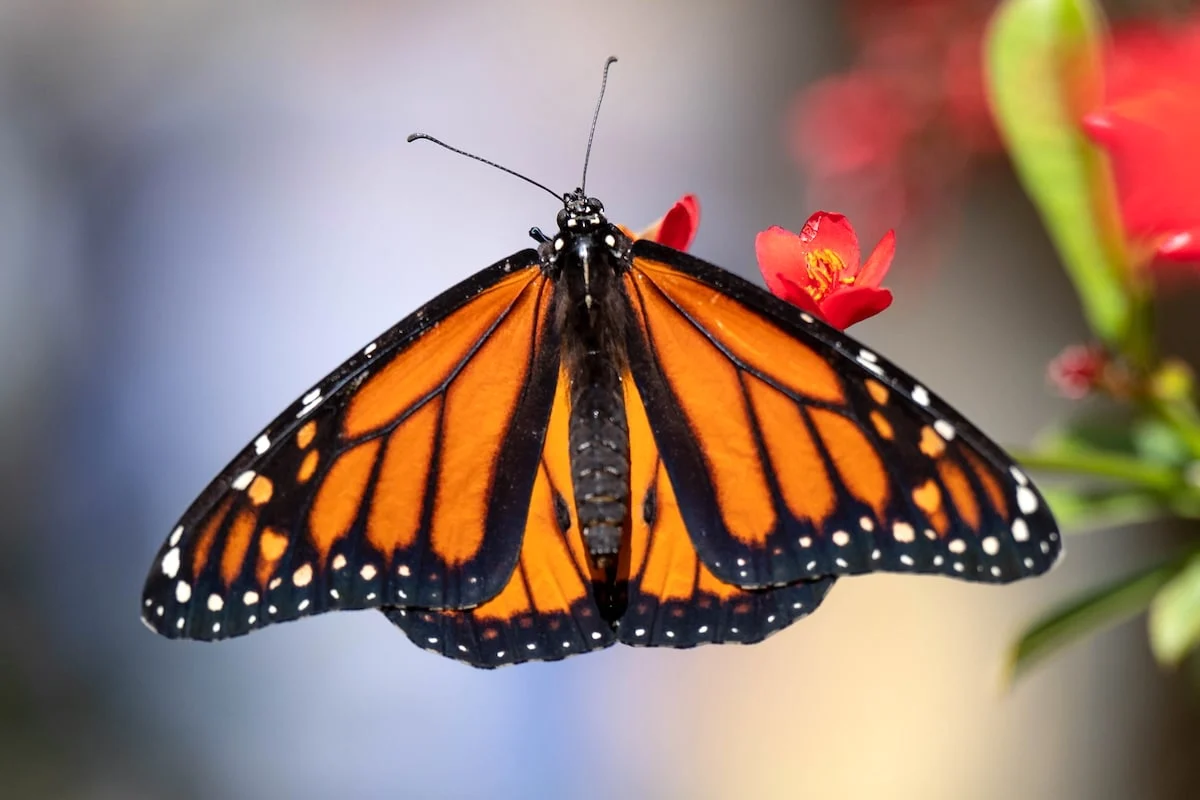
A comprehensive peer-reviewed study has identified a lethal combination of pesticides as the primary driver behind a catastrophic mass die-off of Western monarch butterflies in early 2024. The research, published in the prestigious journal Environmental Toxicology and Chemistry, provides a forensic look at the chemical exposure that decimated hundreds of monarchs near the Pacific Grove Monarch Sanctuary, a critical overwintering site on California’s central coast. The findings come at a precarious moment for the species, as population counts reach historic lows and the threat of extinction looms larger than ever before.
In January 2024, conservationists and visitors at the Pacific Grove sanctuary—famously known as "Butterfly Town, USA"—were met with a grim scene: hundreds of butterflies were found dead or convulsing on the forest floor. Initial observations suggested neurotoxic poisoning, characterized by tremors and an inability to fly. This prompted an immediate investigation by the Xerces Society for Invertebrate Conservation and academic researchers, who utilized advanced chemical analysis to determine the exact cause of the mortality event.
Forensic Analysis and the "Cocktail Effect"
To uncover the cause of death, researchers employed liquid and gas chromatography alongside mass spectrometry. These sophisticated techniques allowed the team to detect chemical residues at microscopic levels within the butterfly tissues. The results were startling: the butterflies were not exposed to a single toxin, but rather a "toxic cocktail" of 15 different chemicals, including a mix of insecticides, herbicides, and fungicides.
According to the study, the researchers found an average of seven different pesticides per butterfly. Among the most concerning were three synthetic pyrethroids: bifenthrin, cypermethrin, and permethrin. These are human-made insecticides designed to mimic the natural toxins found in chrysanthemum flowers but are engineered to be far more persistent and potent. The analysis revealed that these chemicals were present at or near lethal doses in the majority of the samples. Specifically, every butterfly tested contained bifenthrin and cypermethrin, while all but two samples contained permethrin.
Staci Cibotti, the lead author of the study and a pesticide risk prevention specialist at the Xerces Society, noted that while the exact source of the chemicals could not be pinpointed by Monterey County officials, the high concentrations left little doubt regarding the cause of death. The presence of multiple insecticides suggests that the butterflies likely encountered these toxins through "pesticide drift"—the airborne movement of chemicals from nearby agricultural fields or urban residential areas—or through direct contact with contaminated surfaces during their migration or overwintering period.
The Fragile State of the Western Monarch
The 2024 die-off is particularly devastating given the long-term trajectory of the Western monarch butterfly (Danaus plexippus). Unlike the Eastern monarch population, which migrates to Mexico, the Western population spends its winters in groves along the California coast. Since the 1980s, this population has plummeted by approximately 95%.
In the late 20th century, millions of monarchs would blanket the eucalyptus and Monterey cypress trees of California. However, habitat loss, climate change, and pesticide use have systematically eroded their numbers. The Xerces Society’s annual Western Monarch Count provides a sobering timeline of this decline. In early 2024, the population had already dropped to the second-lowest number ever recorded. By the 2025 count, the situation had grown even more dire, with only 9,119 individual butterflies recorded across the entire overwintering range.
The International Union for Conservation of Nature (IUCN) currently lists the migratory monarch butterfly as endangered. Furthermore, biological projections from the U.S. Fish and Wildlife Service and reports highlighted by the Los Angeles Times suggest that the Western monarch faces a staggering 99% probability of extinction by the year 2080 if current trends are not reversed. Mass mortality events, such as the one in Pacific Grove, act as "extinction accelerators," removing large swaths of the breeding population in a single incident.
Vulnerability During Migration and Overwintering
The study emphasizes that monarchs are uniquely vulnerable during their migration and overwintering phases. During these periods, thousands of individuals cluster together in small geographic areas. This behavioral trait, while providing protection against the elements and predators, makes the population highly susceptible to localized environmental hazards.
"These are times when butterflies gather in large numbers, meaning even a single pesticide application has the potential to kill hundreds of individuals at once," Staci Cibotti explained in a follow-up statement. This vulnerability was previously demonstrated in September 2020 in North Dakota, where hundreds of monarchs were killed following an aerial mosquito control spray during their southward migration.

The Pacific Grove incident highlights a dual threat: agricultural runoff and urban pesticide use. While industrial farming is often blamed for insect declines, the study points out that chemicals like bifenthrin and permethrin are staples in structural pest control, home gardening, and municipal landscaping. When these chemicals are applied to residential gardens or along city streets near overwintering groves, the resulting drift can settle on the very trees where monarchs cluster, leading to mass poisoning.
Institutional Responses and Policy Recommendations
In the wake of the study’s publication, conservation groups are calling for a fundamental shift in how pesticides are managed near sensitive habitats. The Xerces Society has outlined a series of urgent recommendations aimed at protecting the remaining Western monarch population.
First among these is the establishment of "pesticide-free zones" or buffer strips around known overwintering sites. Such zones would prohibit the application of highly toxic insecticides within a specific radius of the groves, reducing the risk of drift. Additionally, the society is advocating for increased public education, urging homeowners and landscaping companies to adopt integrated pest management (IPM) practices that prioritize non-chemical solutions.
Emily May, co-author of the study and agricultural conservation lead at the Xerces Society, emphasized the need for policy-level intervention. "Protecting monarchs from pesticides will require both public education and policy change," May stated. "We are committed to working with communities and decision-makers to ensure that overwintering sites are healthy refuges for these butterflies."
There is also a growing push for public officials to improve the tracking and coordination of pesticide applications. Currently, many applications—especially those in urban or residential settings—are not strictly monitored for their impact on non-target species like pollinators. Strengthening the regulatory oversight of these chemicals is seen as a vital step in preventing future mass die-offs.
Broader Implications for Biodiversity
The plight of the monarch butterfly is often viewed by scientists as a "canary in the coal mine" for broader insect biodiversity. Insects are the foundation of many ecosystems, serving as pollinators, decomposers, and a primary food source for birds and other wildlife. The fact that an iconic and relatively hardy species like the monarch is being decimated by common pesticides suggests that thousands of less visible insect species may be facing similar or worse fates.
The "cocktail effect" identified in the Pacific Grove study—where multiple low-level exposures combine to create a lethal outcome—is a growing area of concern in environmental toxicology. Most regulatory safety limits for pesticides are determined based on exposure to a single chemical. However, in the real world, organisms are rarely exposed to just one toxin. The synergistic effects of 15 different chemicals can overwhelm the biological defenses of even healthy insects, making traditional safety thresholds inadequate for protecting endangered species.
Conclusion: A Race Against Time
The findings of the 2024 study serve as a final warning for the conservation of the Western monarch. With the population hovering below 10,000 individuals, every butterfly is essential for the survival of the migration phenomenon. The transition from millions of butterflies to a few thousand in just four decades represents one of the most rapid declines of a high-profile species in modern history.
While the 99% extinction risk by 2080 is a grim projection, researchers insist that it is not a certainty. The recovery of the Western monarch is still possible through aggressive habitat restoration, the planting of native milkweed (the only plant monarch larvae eat), and the immediate reduction of pesticide use in critical corridors.
The Pacific Grove die-off has provided the scientific community with the evidence needed to link specific chemicals to the decline. The question remains whether this data will translate into the legislative and behavioral changes necessary to save the "King of Butterflies" before it vanishes from the California coast entirely. As the 2025 season approaches, the focus of conservationists will remain on turning these overwintering sites back into the safe havens they were once meant to be.

