
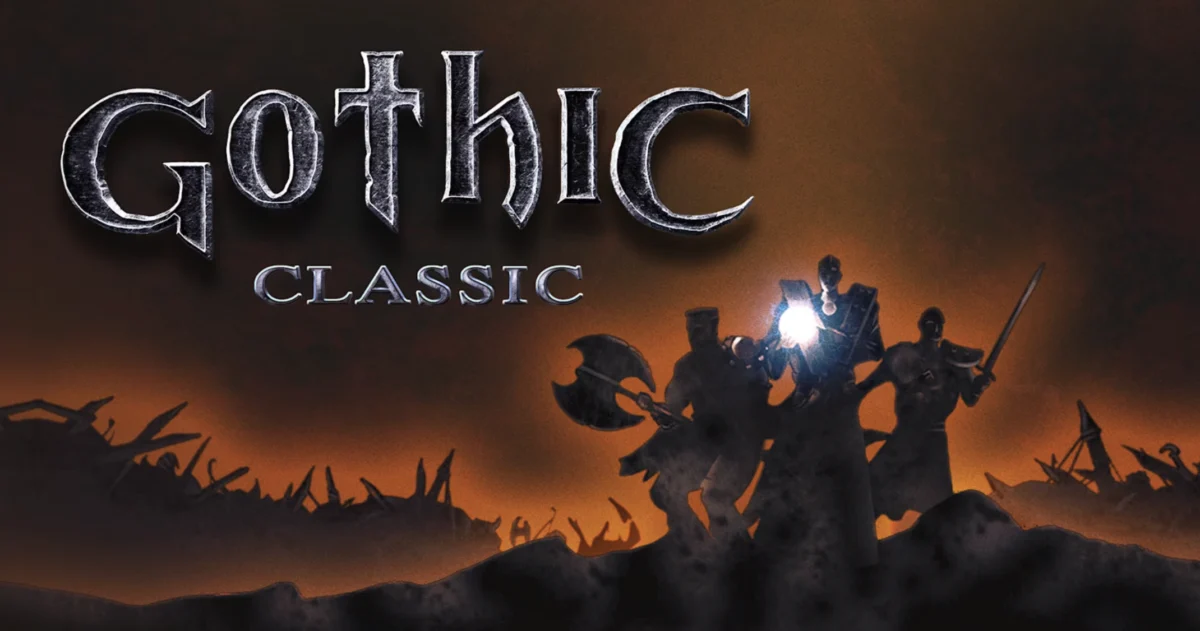
THQ Nordic has officially confirmed that the foundational Gothic trilogy, a series that redefined the open-world role-playing genre upon its debut over two decades ago, will finally transition to modern home consoles. This summer, players on PlayStation 5, PlayStation 4, Xbox Series X/S, and Xbox One will gain access to the storied franchise that helped pave the way for the contemporary European RPG movement. The rollout is strategically timed to revitalize interest in the intellectual property as the highly anticipated Gothic Remake moves toward its projected launch on June 5, 2026. This multi-platform initiative marks the first time the complete original trilogy will be available outside of the PC and Nintendo Switch ecosystems, representing a significant milestone in the preservation and accessibility of classic gaming history.
The Return of a Cult Classic: Release Schedule and Platform Availability
The deployment of the Gothic series onto modern hardware follows a phased approach intended to allow both veteran fans and newcomers to experience the evolution of the series. While the Nintendo Switch received versions of Gothic Classic and Gothic II Complete Classic in late 2023, the move to PlayStation and Xbox systems represents a broader push into the mainstream console market. According to official statements from THQ Nordic, the first installment, Gothic Classic, is scheduled to launch on July 28 for PlayStation and Xbox consoles.
This release strategy serves a dual purpose: it caters to the "cult" following that has maintained the series’ relevance through community patches and mods for twenty years, while also serving as an onboarding ramp for the upcoming remake. By providing the original source material on the same platforms where the remake will eventually reside, the publisher is establishing a cohesive ecosystem for the franchise.
A Detailed Look at the Gothic Trilogy
The Gothic series is renowned for its uncompromising difficulty, immersive atmosphere, and a "living" world where NPCs follow strict daily routines—a feature that was revolutionary in the early 2000s.
Gothic Classic: The Foundation of the Colony
The first title, Gothic Classic, introduces players to the penal colony of Khorinis, a territory encased in a magical dome known as the Barrier. Players take on the role of the Nameless Hero, a convict thrown into this lawless environment. Unlike many RPGs of its era, Gothic did not utilize a traditional class system at the start; instead, players earned their way into different factions—the Old Camp, the New Camp, or the Sect Camp—based on their actions and allegiances.
The console port promises to retain the original’s 50-plus hours of gameplay, featuring a deep combat system that requires timing and rhythm, rather than simple button mashing. With dozens of spells and a wide array of medieval weaponry, the game’s progression system remains a hallmark of the "zero-to-hero" narrative arc, where the world is initially lethal to the player, but gradually becomes manageable as they master the mechanics.
Gothic II Complete Classic: Expanding the Horizon
Widely considered the pinnacle of the series, Gothic II Complete Classic includes the "Night of the Raven" expansion, which significantly increased the game’s difficulty and world size. The sequel moved beyond the confines of the mining colony into the city of Khorinis and its surrounding forests and mountains.
The scope of the second game is vastly larger than its predecessor, boasting more than 100 missions and a cast of over 500 unique NPCs. One of the most praised aspects of Gothic II was its fully voice-acted dialogue, which added a layer of cinematic immersion that was rare at the time of its 2002 release. The arsenal also saw a significant upgrade, offering over 200 weapons and magical spells, allowing for highly specialized character builds.
Gothic III Classic: The War for Myrtana
The final chapter of the original trilogy, Gothic III Classic, represents the series’ most ambitious undertaking. Set on the mainland of Myrtana, the game features a massive, free-roaming world that was one of the largest of its generation. The narrative centers on the aftermath of an Orcish invasion, placing the player in a world where humanity has been enslaved and the gods have seemingly abandoned their followers.
Gothic III introduced a class-free character development system that allowed for unprecedented freedom in how players interacted with the world’s three primary factions: the rebel humans, the occupying Orcs, and the desert-dwelling Hashishin. With over 50 different species of animals and monsters and a dynamic reputation system, the game offered a non-linear experience that influenced the design of later open-world epics.

Chronology of the Gothic Franchise
The journey of the Gothic franchise is one of technical ambition and corporate transitions. Understanding the timeline is essential for contextualizing the importance of the upcoming console ports:
- 2001: Piranha Bytes releases the original Gothic on PC. It gains immediate acclaim in Germany and Eastern Europe for its gritty realism.
- 2002: Gothic II is released, followed by the Night of the Raven expansion in 2003, cementing the series as a premier RPG franchise.
- 2006: Gothic 3 launches. While commercially successful, it is plagued by technical bugs, leading to a rift between developer Piranha Bytes and then-publisher JoWooD.
- 2010: Arcania: Gothic 4 is released by a different developer (Spellbound), though it is later distanced from the main canon by fans and current rights holders.
- 2019: THQ Nordic, having acquired the rights to the IP, releases a "Playable Teaser" for a Gothic Remake on Steam to gauge fan interest.
- 2023: Gothic Classic and Gothic II are ported to the Nintendo Switch, proving the viability of the series on modern controllers.
- 2024: THQ Nordic announces the July 28 release of the trilogy on PlayStation and Xbox.
- 2026: The full Gothic Remake, developed by Alkimia Interactive, is slated for a June 5 release.
Technical Adaptation for Modern Consoles
One of the primary challenges in porting the Gothic trilogy to consoles is the control scheme. The original games were designed specifically for keyboards, with the first game famously not even requiring a mouse for its original input layout. THQ Nordic has indicated that the modern console releases will feature updated UI (User Interface) elements and optimized controller mapping to ensure the games feel intuitive on the DualSense and Xbox Wireless controllers.
Performance-wise, these ports are expected to take advantage of the increased processing power of the PS5 and Xbox Series X. While the graphical assets remain faithful to the "Classic" aesthetic, players can expect stable frame rates, faster loading times via SSD integration, and higher resolution outputs compared to the original PC releases. These "Quality of Life" improvements are intended to preserve the soul of the games while removing the technical friction that often accompanies playing twenty-year-old software.
The Role of Alkimia Interactive and the Gothic Remake
The revival of the classic trilogy is inextricably linked to the development of the Gothic Remake. Based in Barcelona, Alkimia Interactive was established by THQ Nordic specifically to handle the daunting task of reimagining the first Gothic game from the ground up using Unreal Engine 5.
The developer has been transparent about its progress, frequently sharing "Dev Diaries" and concept art that highlight a return to the dark, oppressive atmosphere of the original 2001 release. By releasing the "Classic" versions now, THQ Nordic is providing a baseline for the community. It allows players to appreciate the massive leap in fidelity that the 2026 remake will provide, while also ensuring that the original vision of Piranha Bytes is not lost to time.
Market Analysis: The "Euro-RPG" Renaissance
The decision to bring Gothic to modern consoles reflects a broader trend in the gaming industry: the "Euro-RPG" renaissance. In recent years, titles like The Witcher 3: Wild Hunt, Kingdom Come: Deliverance, and Piranha Bytes’ own Elex series have found massive global audiences. These games are characterized by their "hardcore" sensibilities, complex systems, and worlds that do not revolve solely around the player.
Industry analysts suggest that there is a growing appetite for RPGs that offer a high degree of challenge and agency. Gothic, as one of the progenitors of this style, occupies a unique market position. For many console-only players, this will be their first opportunity to experience the "DNA" that influenced modern masterpieces. The success of the Switch versions demonstrated that there is a lucrative niche for these titles, even in a market dominated by high-fidelity blockbusters.
Impact and Implications for the Industry
The release of the Gothic Classic trilogy on PlayStation and Xbox is more than a simple port; it is a statement on the longevity of well-designed game worlds. In an era where "live service" games often disappear when servers shut down, THQ Nordic’s commitment to the Gothic back catalog highlights the value of single-player, narrative-driven experiences.
Furthermore, this move sets a precedent for how publishers can manage long-dormant IPs. By combining the preservation of original titles with the development of high-budget remakes, THQ Nordic is creating a multi-generational bridge for the franchise. If the July 28 launch of Gothic Classic proves successful, it could signal a trend of other classic PC-centric RPGs making the leap to the living room, further blurring the lines between PC and console gaming history.
As the June 5, 2026, release date for the Gothic Remake approaches, the availability of the original trilogy ensures that the conversation around the franchise remains active. Whether players are revisiting the Barrier or stepping into the shoes of the Nameless Hero for the first time, the Gothic series is poised to reclaim its position as a cornerstone of the RPG genre.

