
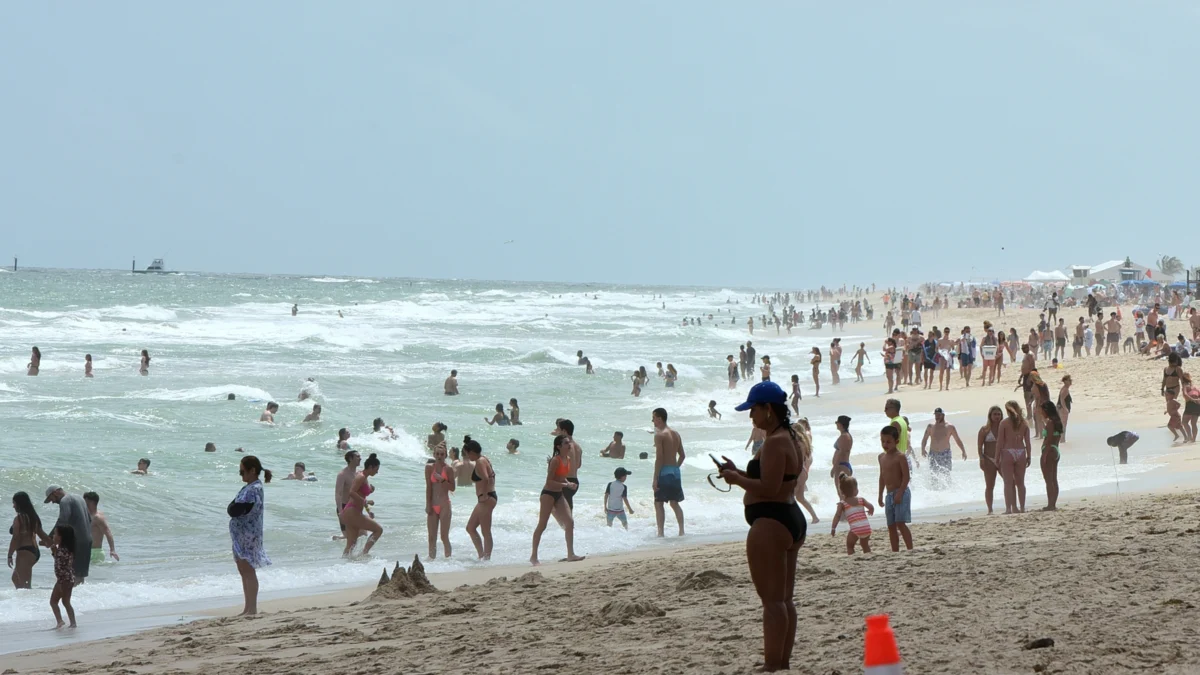
As global sea surface temperatures reach record highs, a microscopic inhabitant of the world’s coastal waters is garnering increased attention from public health officials and climate scientists alike. Vibrio, a genus of Gram-negative bacteria that has existed for hundreds of millions of years, represents a complex intersection of marine biology, environmental science, and emergency medicine. While the majority of the more than 70 identified species are benign components of the aquatic ecosystem, a handful of specific strains pose significant risks to human health, ranging from mild gastrointestinal distress to life-threatening systemic infections.
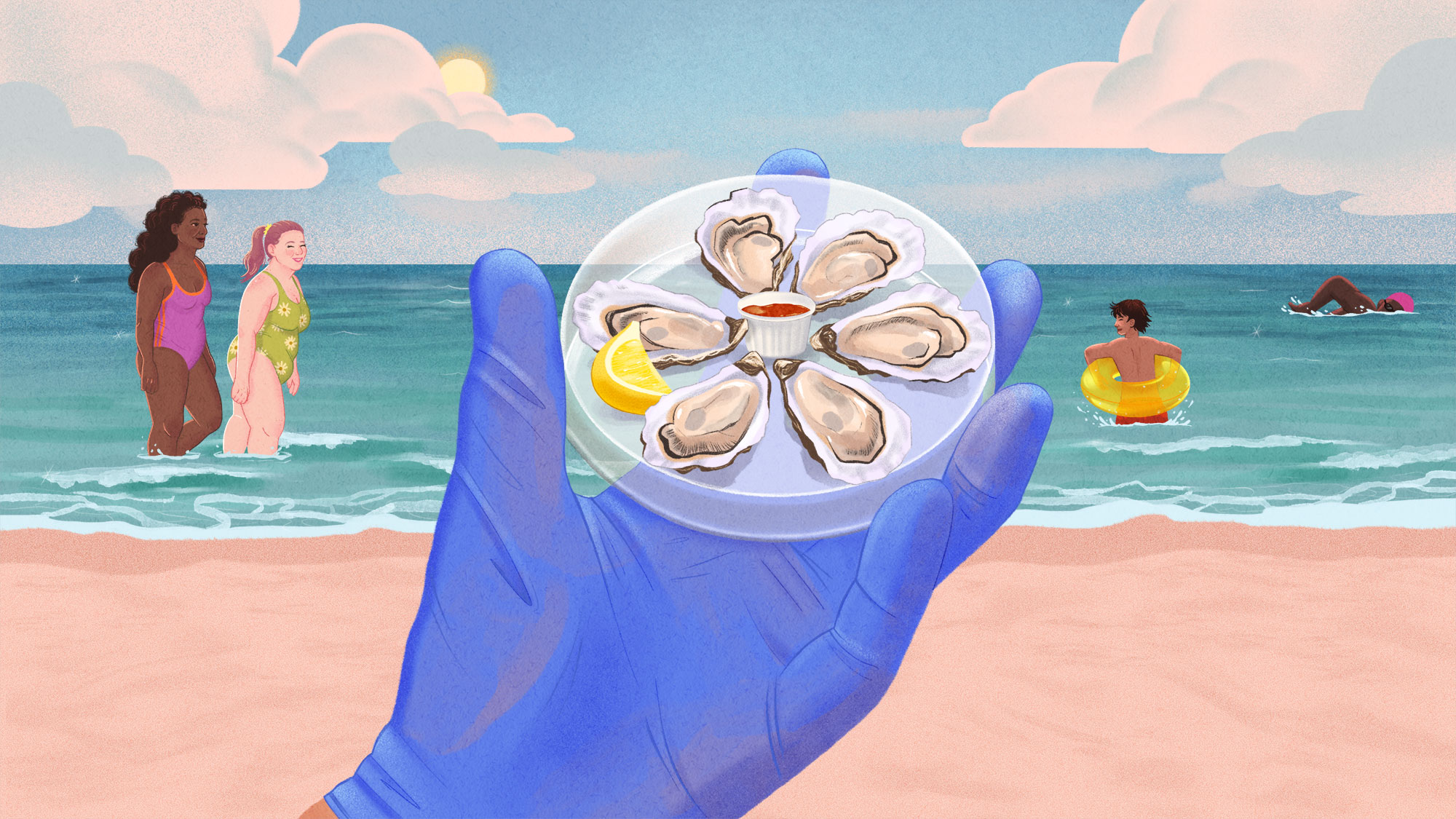
The bacteria are halophilic, or salt-loving, thriving primarily in warm, brackish environments where fresh water meets the sea, such as estuaries, bays, and lagoons. They maintain a symbiotic relationship with marine life, often attaching themselves to the chitinous shells of microscopic plankton and various types of algae. From these hosts, they accumulate in high concentrations within bivalve mollusks—specifically clams and oysters—which act as natural water filters. For humans, the primary routes of infection are the consumption of raw or undercooked shellfish and the exposure of open wounds to contaminated seawater.
The Biological Profile and Taxonomy of Infection
To understand the public health implications of Vibrio, one must distinguish between the various clinical presentations of the disease known as vibriosis. The Centers for Disease Control and Prevention (CDC) estimates that approximately 80,000 cases of vibriosis occur annually in the United States, leading to about 100 deaths. These figures, however, represent a spectrum of severity dictated by the specific strain involved.
The most common culprit is Vibrio parahaemolyticus. This strain is responsible for the vast majority of cases, typically manifesting as acute gastroenteritis. Most patients encounter this pathogen through the consumption of raw oysters. The symptoms—nausea, vomiting, abdominal cramps, fever, and chills—generally appear within 24 hours of ingestion. While debilitating, the illness is usually self-limiting in healthy individuals, lasting approximately three days.
In stark contrast stands Vibrio vulnificus, a rare but far more virulent strain. Often sensationalized in popular media as "flesh-eating bacteria," V. vulnificus does not actually consume tissue but causes necrotizing fasciitis—a condition where the infection spreads rapidly, causing the surrounding soft tissue to die. This strain is particularly dangerous because it can enter the bloodstream through a wound as small as a pinprick. Once systemic, the fatality rate for V. vulnificus infections climbs to between 15 and 50 percent. For those who survive, the medical intervention often involves intensive care and, in many instances, the surgical amputation of affected limbs to prevent the further spread of necrosis.
Geography of Risk: The Florida Epicenter
While Vibrio is found globally, the United States sees a disproportionate number of cases in the Gulf of Mexico and along the Atlantic coast. Florida remains the national epicenter for vibriosis. Within the state, the Indian River Lagoon—a 156-mile-long estuary on the Atlantic Coast—is a known hotspot, accounting for nearly 20 percent of Florida’s reported cases.
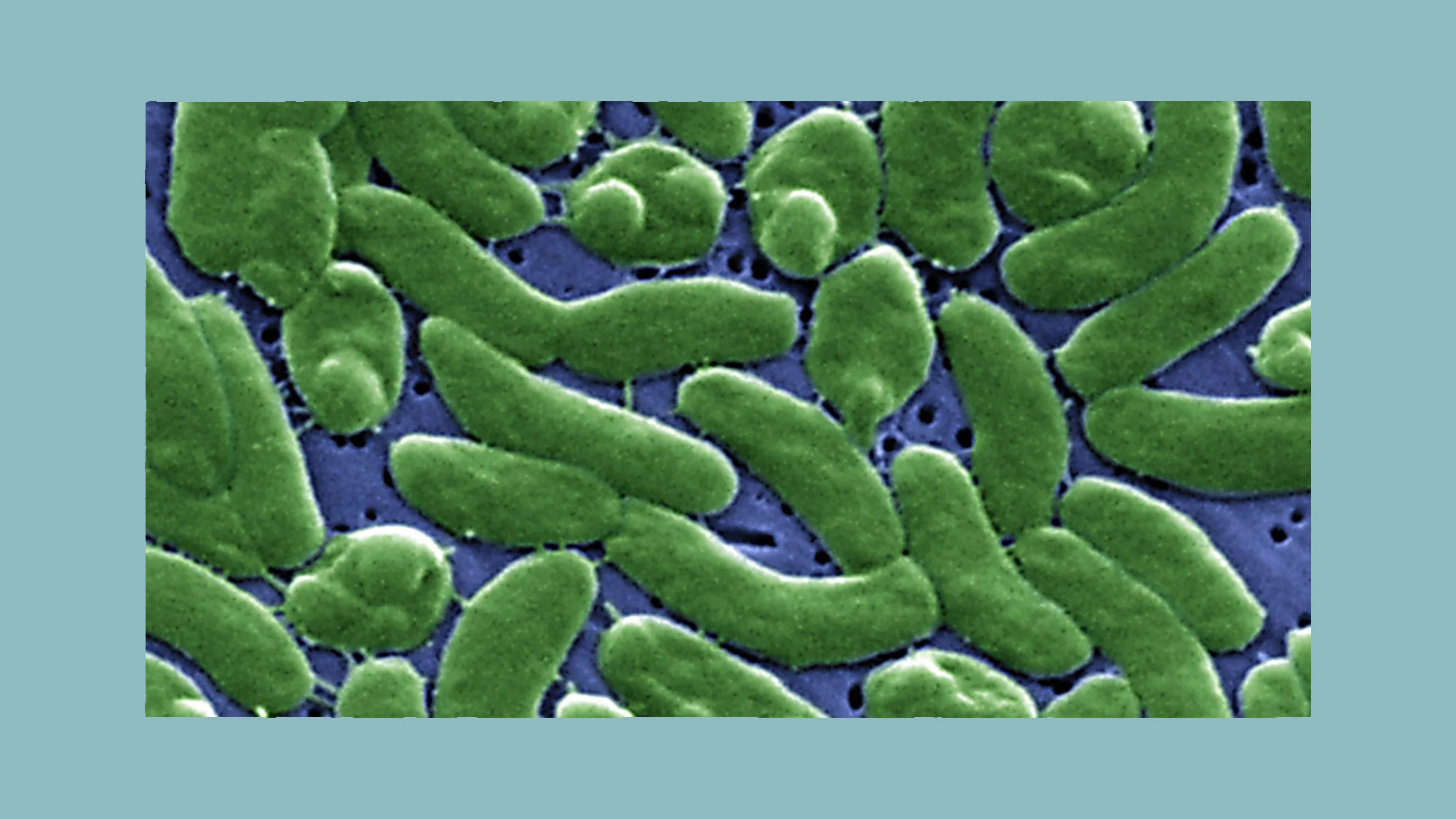
The lagoon’s unique geography makes it a perfect incubator. Its shallow waters warm quickly under the subtropical sun, and the mixing of freshwater runoff with Atlantic saltwater creates the brackish conditions in which Vibrio thrives. The region is also a premier destination for recreational activities, including wading, fishing, and boating, which increases the frequency of human-water contact. Public health data suggests that the peak window for infection aligns with the warmest months, spanning from May through October, though warming trends are beginning to extend this season.
The Climate Change Catalyst
The expansion of Vibrio’s geographic range is one of the most visible biological markers of climate change. The world’s oceans have absorbed more than 90 percent of the excess heat trapped by greenhouse gas emissions, and this thermal energy is fundamentally altering marine microbiology. Vibrio bacteria become metabolically active when water temperatures exceed 60 degrees Fahrenheit (15.5 degrees Celsius). As these temperatures are reached earlier in the spring and persist later into the autumn, the window for bacterial proliferation widens.
Furthermore, as northern waters warm, Vibrio is migrating. Historically confined to the warmer southern latitudes, the bacteria are now being detected with increasing frequency in the Northeast United States, including the waters of the Long Island Sound and the Massachusetts coast. This northward shift represents a significant challenge for healthcare providers in temperate regions who may not be accustomed to diagnosing or treating tropical marine infections.
Beyond temperature, climate change influences Vibrio through altered precipitation patterns. Heavy rainfall and intensified storm cycles increase freshwater runoff into coastal areas, lowering salinity levels in previously high-saline environments. This creates a larger expanse of the brackish water that Vibrio prefers, effectively expanding their habitat further into coastal tributaries.
Technological Advancements in Risk Prediction
As the threat grows, the scientific community is leveraging big data and satellite technology to protect the public. A pioneering effort led by microbiologists at the University of Maryland has resulted in a sophisticated predictive model designed to forecast vibriosis risks.
This model integrates decades of public health data—specifically CDC records of foodborne and waterborne illnesses from 1997 to 2019—with real-time satellite imagery. By monitoring sea surface temperatures, chlorophyll levels (an indicator of the plankton that Vibrio inhabit), and salinity, the team can predict high-risk conditions for coastal counties up to a month in advance.
The efficacy of this modeling was put to a rigorous test during the 2024 hurricane season. Following the landfalls of Hurricanes Helene and Milton, the model accurately flagged several Florida counties as high-risk zones. Post-storm surveillance confirmed the model’s precision: more than 80 percent of the vibriosis cases reported in the aftermath of these storms occurred in the counties the system had already identified. Such predictive tools are becoming essential for state health departments, allowing them to issue targeted public service announcements and harvest closures before an outbreak occurs.
Chronology of Vulnerability: The Role of Natural Disasters
The link between hurricanes and Vibrio spikes is well-documented and presents a specific timeline of risk. In the immediate 24 to 72 hours following a major storm, coastal flooding pushes brackish water into residential areas. This water is often contaminated not only with Vibrio but also with debris that can cause skin abrasions, providing the bacteria with a direct entry point into the human body.
- Pre-Storm Phase: Rising temperatures and calm waters allow bacterial concentrations to build.
- Impact Phase: Storm surges transport these bacteria inland, flooding homes and streets.
- Recovery Phase: This is the highest risk period. Residents and emergency workers engage in cleanup efforts, often wading through stagnant water. Minor injuries sustained during debris removal become conduits for V. vulnificus.
- Post-Storm Evaluation: Public health officials typically see a surge in reported cases 7 to 14 days after the weather event, as the 12-to-72-hour incubation period for the bacteria passes and symptoms become severe enough to require hospitalization.
Economic and Social Implications
The rise of Vibrio also carries heavy economic weight, particularly for the multi-billion-dollar shellfish industry. Oysters are a culinary staple and a vital economic driver for coastal communities. However, the "tasteless and odorless" nature of Vibrio makes it impossible for consumers or harvesters to detect the bacteria without laboratory testing.
When an outbreak is linked to a specific harvest area, the resulting closures can devastate local economies. Furthermore, the "flesh-eating" stigma associated with V. vulnificus can lead to broader consumer "shunning" of seafood, even if the majority of products are safe. To combat this, the industry has invested heavily in "high-pressure processing" and rapid cooling techniques, which are designed to kill or inhibit bacterial growth immediately after harvest.
Guidelines for Public Safety and Prevention
While the risks are real, health experts emphasize that informed precautions can significantly reduce the likelihood of infection. For the general public, the following measures are recommended:
- Wound Management: Individuals with open wounds, cuts, or even recent tattoos should avoid entering saltwater or brackish water. If contact occurs, the area should be washed immediately and thoroughly with soap and clean water.
- Shellfish Safety: Consumers should avoid raw oysters and clams, particularly during the summer months. Cooking shellfish to an internal temperature of 145 degrees Fahrenheit effectively neutralizes Vibrio.
- High-Risk Awareness: People with underlying health conditions—specifically liver disease, cancer, diabetes, or any immunocompromised state—should exercise extreme caution. For these individuals, V. vulnificus is not just a risk; it is a potential death sentence.
- Prompt Medical Attention: If a person develops a skin infection after water exposure or severe gastrointestinal symptoms after eating shellfish, they should seek medical care immediately. In the case of V. vulnificus, hours can mean the difference between a successful recovery and a fatal outcome.
A Future of Vigilance
Vibrio serves as a biological sentinel for a changing planet. Its migration and proliferation are direct responses to the warming of the global commons. As the climate continues to shift, the intersection of marine ecology and human health will require increasingly sophisticated surveillance and a more robust public understanding of the hidden risks within the water. Through the combination of predictive modeling, industrial innovation, and public education, the goal is to manage the presence of this ancient bacterium without surrendering the cultural and economic vitality of the world’s coastlines.

