
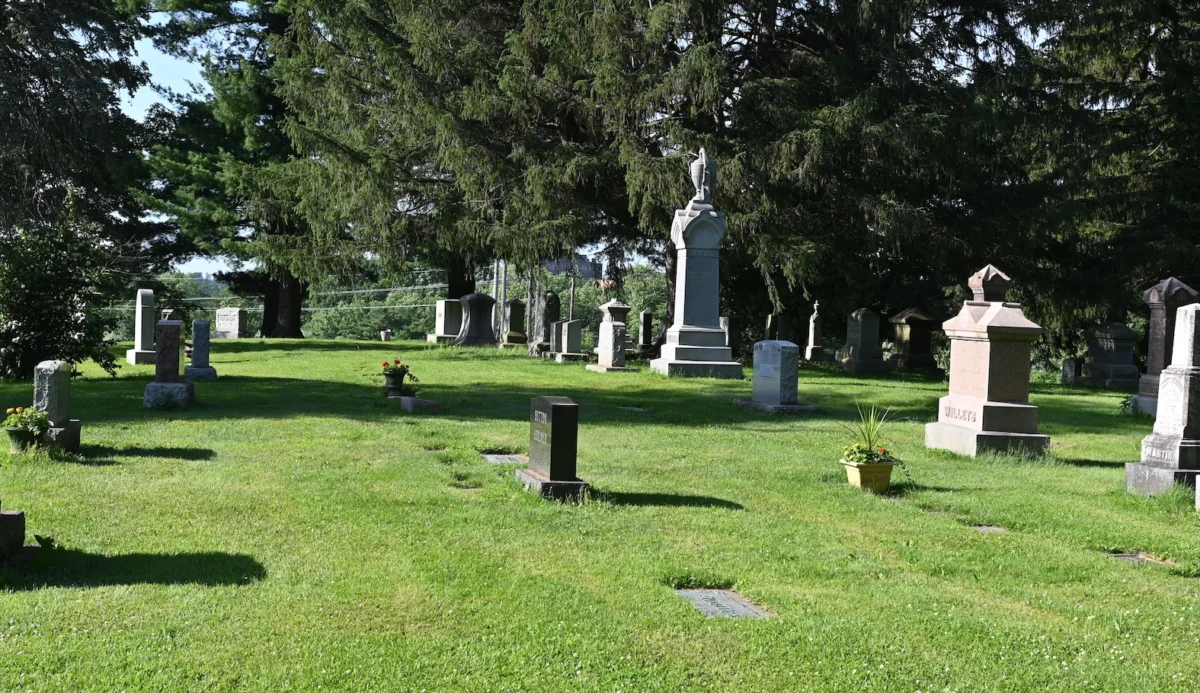
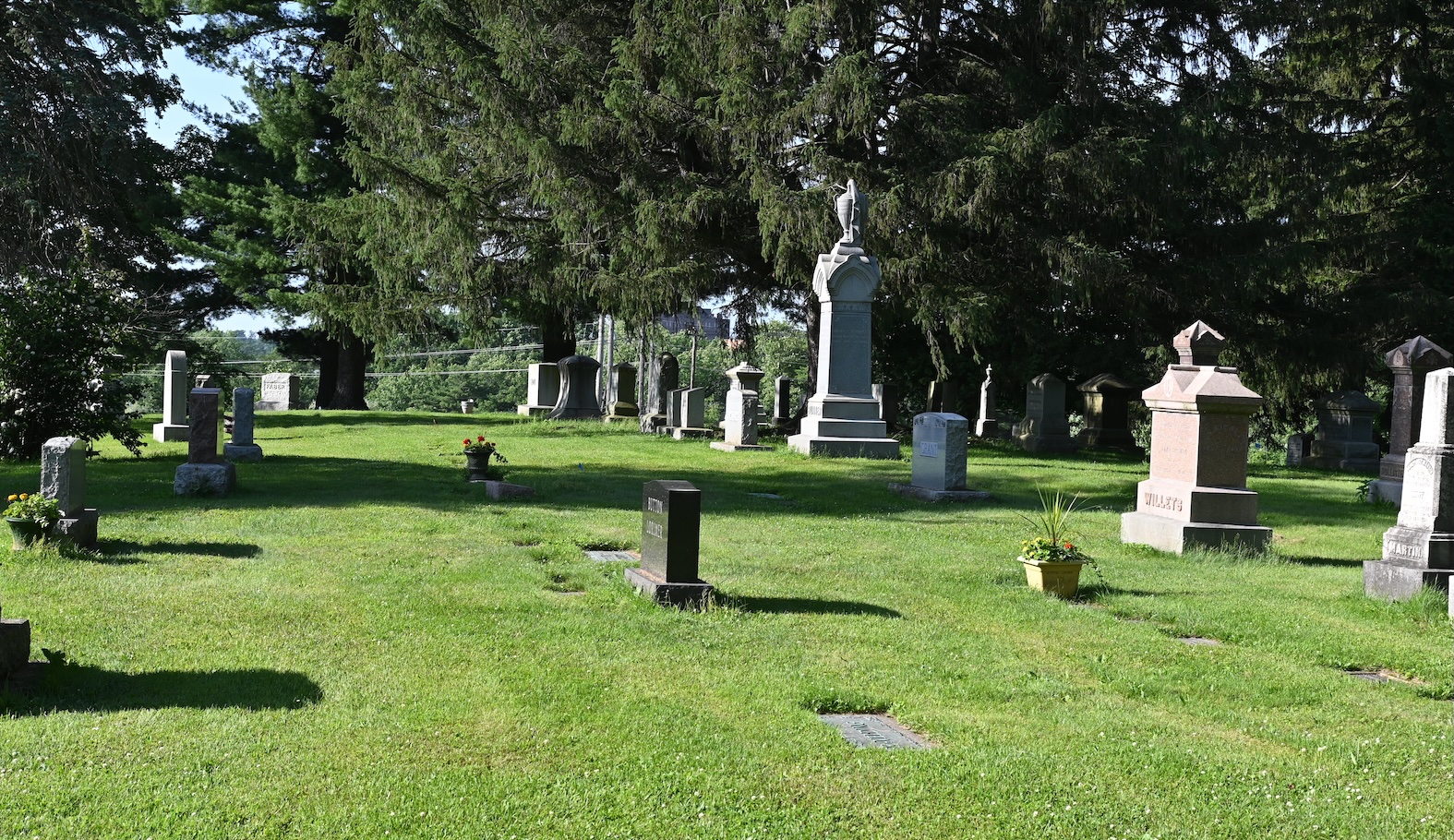
In the quiet, manicured expanses of the East Lawn Cemetery in Ithaca, New York, a massive biological phenomenon is occurring beneath the feet of visitors. While the site is dedicated to the memory of the deceased, it has become a thriving metropolis for the living—specifically for Andrena regularis, more commonly known as the regular miner bee. Recent research conducted by entomologists and ecologists at Cornell University has revealed that this cemetery, characterized by its cropped lawns and granite headstones, hosts one of the largest and oldest known communities of ground-nesting bees in the world. The discovery highlights a growing scientific consensus: cemeteries are not merely sites of mourning but are essential, unintended refuges for wildlife in an increasingly urbanized and chemically treated landscape.
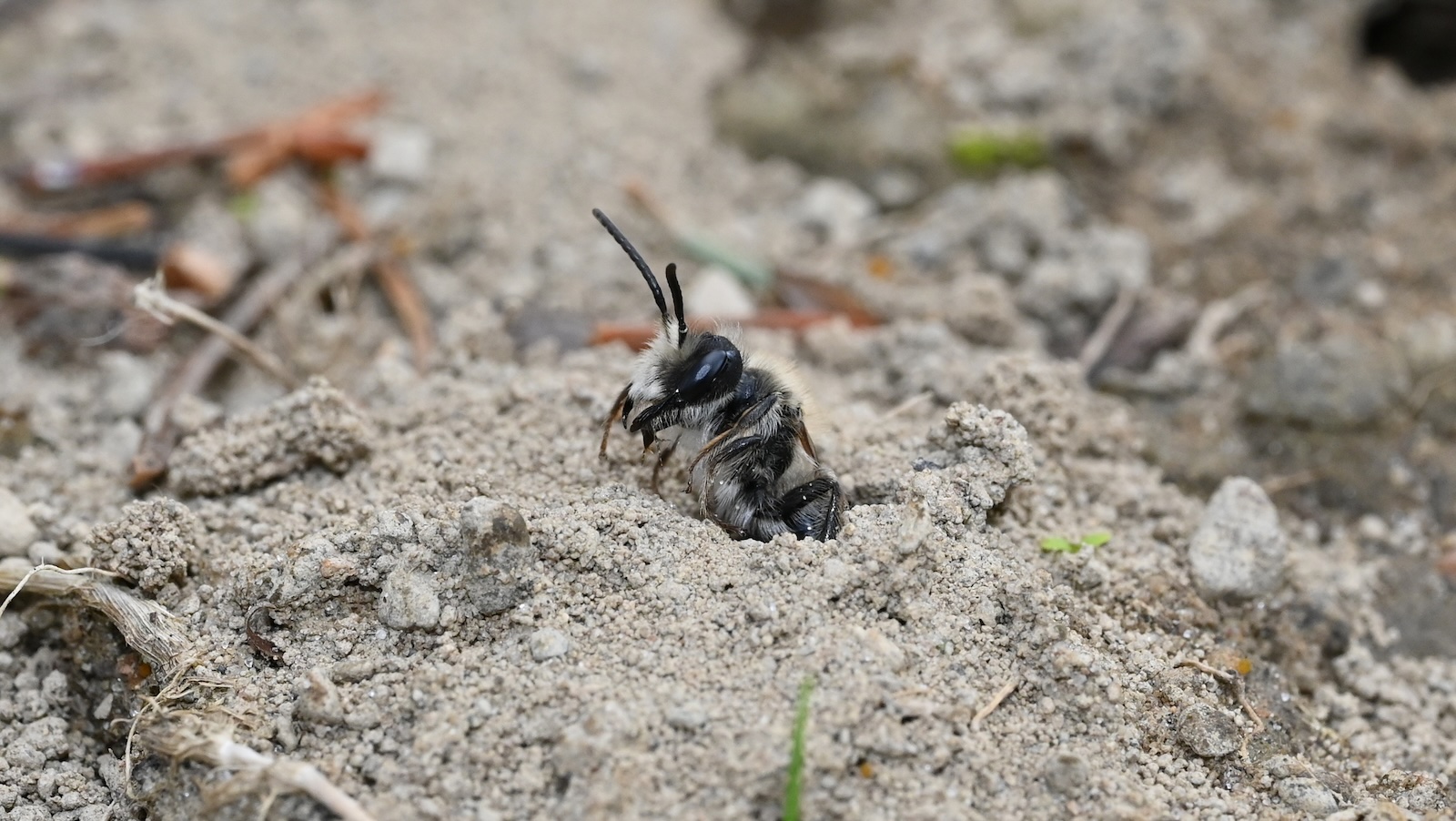
The regular miner bee is a solitary species, a stark departure from the social honey bees that dominate the public imagination. Clad in black and tan fuzz, occasionally dusted with the yellow of collected pollen, these insects do not build hives in trees or produce honey for human consumption. Instead, they represent the 90 percent of bee species that live solitary lives. Their survival depends on their ability to excavate intricate tunnels into the earth, where they lay eggs that will hatch into larvae and emerge as adults the following spring. At East Lawn, the scale of this population is staggering. Researchers estimate that the grounds support between 3 million and 8 million bees, including various species beyond the miner bee. In certain high-density zones of the cemetery, scientists observed thousands of individuals emerging from a single square meter of soil.
The Architectural Appeal of the Graveyard
The suitability of cemeteries for ground-nesting bees is rooted in the same logic that makes them suitable for human interment. Jordan Kueneman, a community ecologist at Cornell University and co-author of the study, notes that these sites typically feature well-drained soil that is easy to excavate and resistant to collapse. For a miner bee, a flood-prone area or overly compacted soil is a death sentence. The elevated, stable topography of East Lawn provides a perfect subterranean real estate market.
Furthermore, the very maintenance routines that define a traditional cemetery—regular mowing and the maintenance of short grass—provide unexpected benefits to these pollinators. While tall grass is often touted as a boon for biodiversity, ground-nesting bees require patches of exposed earth and short turf. Low-cropped lawns allow the ground to warm more quickly in the morning sun, which in turn allows the bees to become active earlier in the day. The lack of dense vegetation also facilitates easier entry and exit from their burrows. This synergy between human landscaping and insect biology has created a "novel ecosystem" where a seemingly sterilized environment becomes a biodiversity hotspot.
A Chronology of the Rural Cemetery and Wildlife Conservation
The role of the cemetery as a green space is not a new concept, though its ecological value is only now being quantified. To understand why places like East Lawn are so vital today, one must look at the evolution of urban burial:
- The Early 19th Century: Prior to the 1830s, burials were largely confined to cramped churchyards in city centers. As urban populations swelled, these sites became public health hazards.
- 1831 – The Rural Cemetery Movement: The establishment of Mount Auburn Cemetery in Massachusetts marked the beginning of the "Rural Cemetery Movement." These sites were designed as "garden cemeteries," intended to be park-like retreats for the living as much as resting places for the dead.
- Mid-20th Century: As suburbanization accelerated, cemeteries became some of the few remaining fragments of undeveloped land within expanding metropolitan footprints.
- The 21st Century: Researchers began to recognize these sites as "islands" of biodiversity. Studies in Europe and North America have since documented rare plants, lichens, and animal species that have been extirpated from the surrounding urban "sea" but survive within cemetery walls.
The Cornell study, published in the journal Apidologie, represents a critical point in this timeline, shifting the focus from the plants and birds of cemeteries to the vital subterranean world of native pollinators.
Supporting Data: The Economic and Ecological Stakes
The health of the regular miner bee population is not merely a matter of biological curiosity; it has direct implications for the regional economy. Andrena regularis is a primary pollinator for New York’s apple industry. New York is the second-largest apple-producing state in the U.S., with the industry contributing over $260 million annually to the state’s economy. While honey bees are often trucked into orchards to assist with pollination, native solitary bees like the miner bee are frequently more efficient pollinators of fruit trees on a per-bee basis.
The Cornell researchers determined the health of the East Lawn population by analyzing the sex ratios of the emerging bees. Because female miner bees require more resources to produce than males, a population with a high proportion of females indicates an environment with abundant food and low stress. The flourishing female population at East Lawn suggests that the cemetery and the surrounding Ithaca landscape provide a high-quality habitat that supports the continued reproduction of these essential insects.
However, the bees are not without their own natural challenges. The presence of Nomada imbricata, or the cuckoo bee, adds a layer of complexity to the ecosystem. Cuckoo bees are cleptoparasites; they do not build their own nests but instead invade the burrows of miner bees to lay their eggs. When the cuckoo larvae hatch, they use large mandibles to consume the host’s provisions and, often, the host larvae themselves. While this sounds gruesome, ecologists view the presence of these parasites as a positive indicator of the host population’s robustness. A parasite cannot thrive without a massive, healthy host population to exploit.
Beyond Pollinators: The Cemetery as an Urban Refuge
The findings at East Lawn align with observations from other urban wildlife experts. Seth Magle, senior director of the Urban Wildlife Institute at the Lincoln Park Zoo, notes that cemeteries offer a suite of resources that are increasingly rare in cities. Beyond the absence of large-scale development, cemeteries lack the two primary stressors found in public parks: high volumes of people and domestic dogs.
Wildlife cameras in cemeteries across the United States have captured a diverse array of inhabitants, including:
- Mammals: Foxes, coyotes, deer, and various species of bats use cemeteries for foraging and denning.
- Birds: Migrating geese, owls, and hawks find refuge in the mature trees often preserved on cemetery grounds.
- Flora: Rare species of native grasses and wildflowers that have been wiped out by modern agriculture often persist in the "neglected" corners of older graveyards.
Moreover, cemeteries provide a sanctuary from one of the greatest threats to urban wildlife: the automobile. It is estimated that hundreds of millions of birds and large mammals are killed by vehicles in the United States annually. The gated, low-speed environment of a cemetery significantly reduces this mortality rate, allowing wildlife populations to stabilize.
Official Responses and Management Recommendations
The recognition of cemeteries as biodiversity hubs has prompted calls for a shift in how these lands are managed. Christopher Grinter, collection manager of entomology at the California Academy of Sciences, emphasizes the "aha" moment that occurs when people realize biodiversity exists in such unexpected places. The goal, experts suggest, is not to stop managing cemeteries but to manage them more thoughtfully.
To foster this biodiversity, researchers and conservationists suggest several low-cost adjustments to cemetery maintenance:
- Timing of Mowing: Mowing early in the morning before ground-nesting bees emerge can prevent direct mortality of the insects during their most active hours.
- Native Plant Integration: Replacing ornamental, non-native flowers with native species provides a better food source for native pollinators.
- Chemical Reduction: Limiting the use of rodenticides is crucial. Birds of prey, such as owls and hawks that frequent cemeteries, often die after consuming poisoned rats or mice. Similarly, reducing neonicotinoid pesticides helps protect the very bees the soil supports.
- Buffer Zones: Leaving the perimeters of cemeteries slightly more "wild" can provide nesting sites for birds and cover for small mammals.
The Broader Impact: Redefining Urban Nature
The discovery at East Lawn Cemetery challenges the traditional dichotomy between "nature" and "the city." For decades, urban areas were viewed as biological deserts, with conservation efforts focused almost exclusively on remote wilderness areas. However, as climate change and habitat loss accelerate, the "pocket habitats" found in cities—cemeteries, golf courses, and even highway medians—are taking on new importance.
Pollinators like the regular miner bee are the engines of urban ecosystems. By fertilizing plants, they support the greenery that mitigates the "urban heat island" effect, lowering temperatures in paved environments. They ensure the survival of the trees that sequester carbon and filter the air.
As the world continues to urbanize, the lesson from the miner bees of Ithaca is clear: we must look for life in the places we have reserved for the dead. By acknowledging and protecting the biodiversity within our cemeteries, we do more than honor the past; we secure the ecological future of the landscapes the living continue to inhabit. The "silent cities" of our ancestors are, in reality, buzzing with a vitality that is essential to the health of our planet.

