
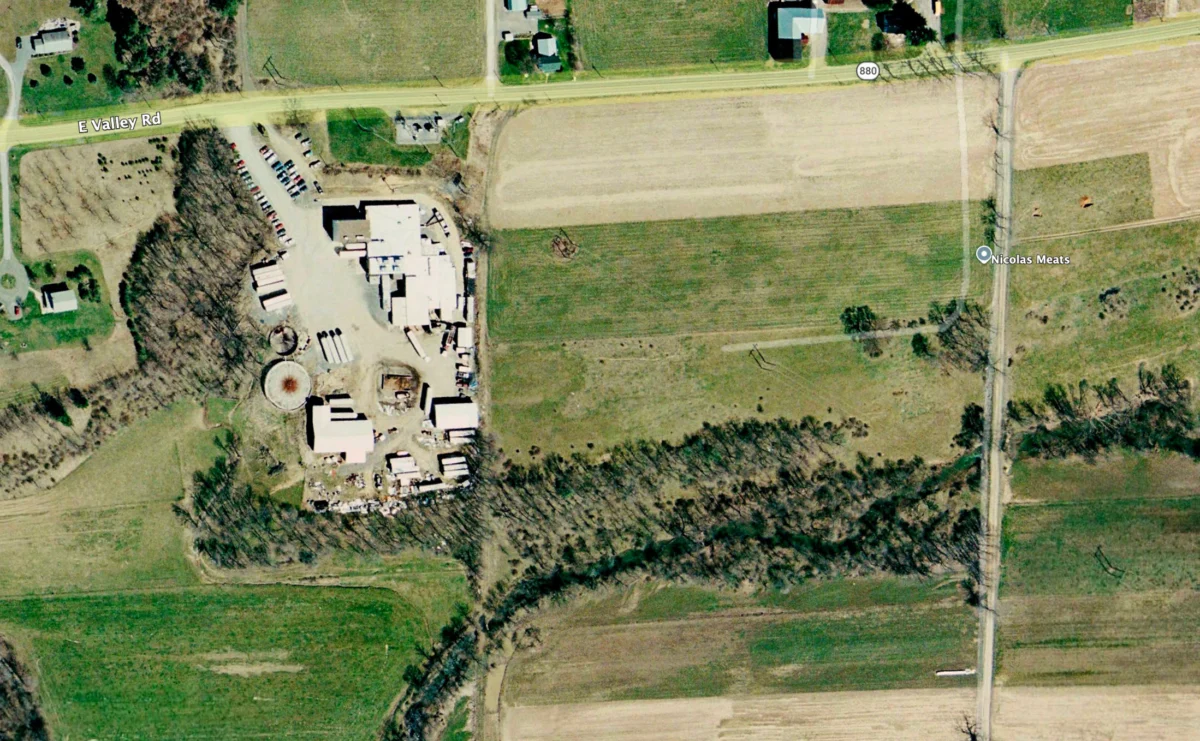
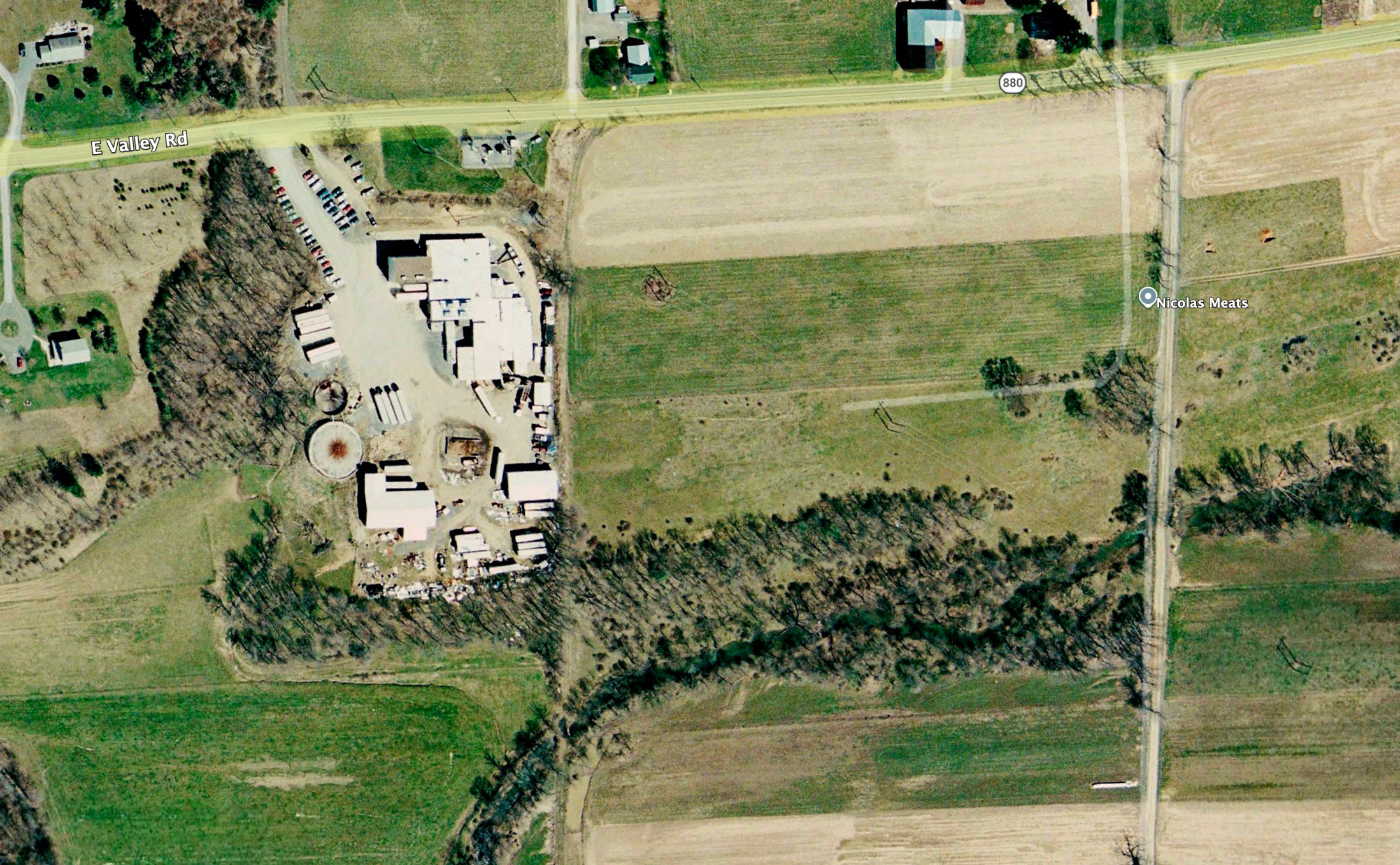
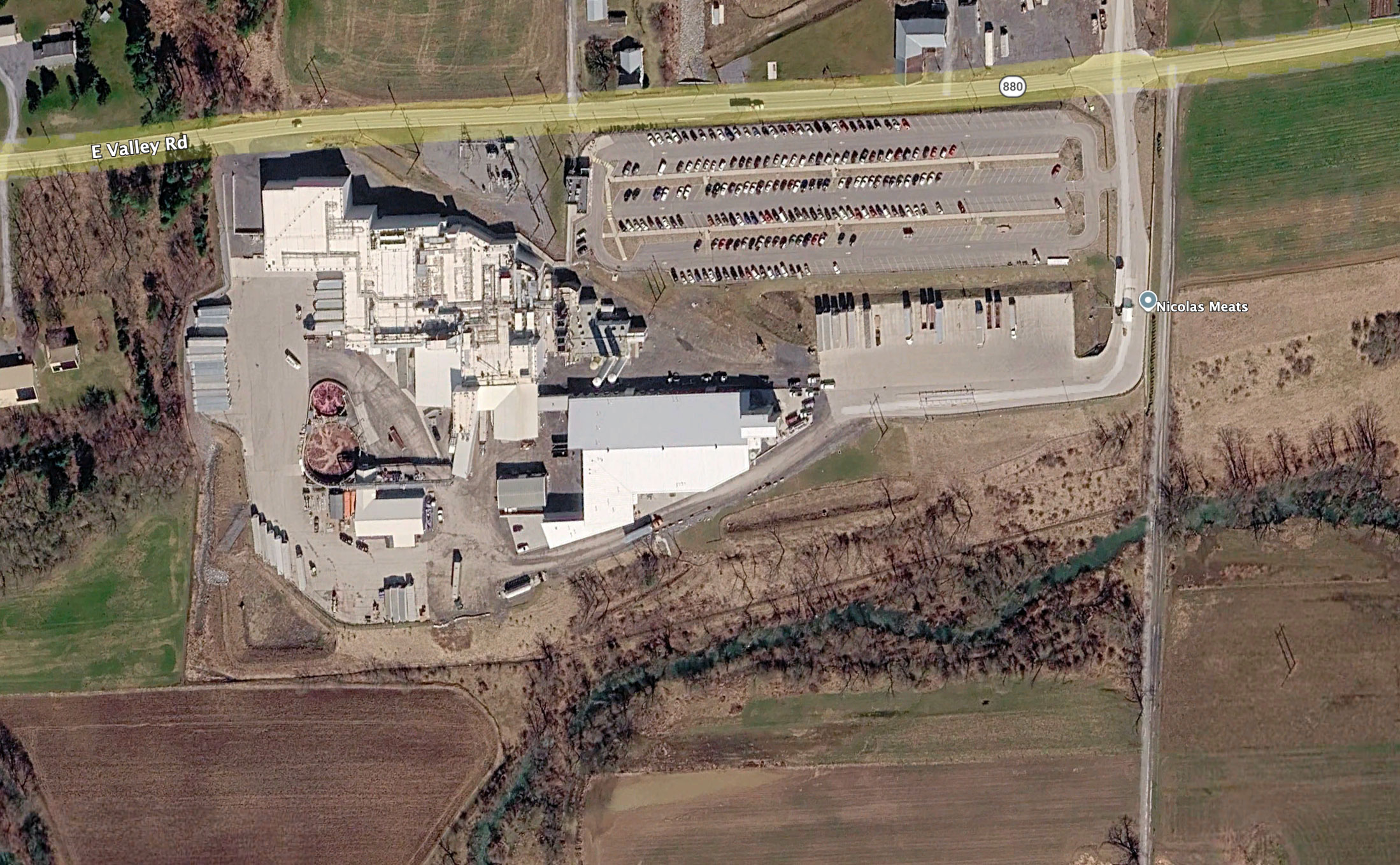
When Trish Leigey’s kitchen taps began running with a brown, foul-smelling liquid in late 2019, she initially hoped it was a temporary plumbing anomaly. Living in the rural, scenic landscape of Loganton, Pennsylvania, she had long valued the clear mountain water that supplied her home. However, the stench and the color suggested something far more sinister than rust. Subsequent forensic testing confirmed her worst fears: the water was infiltrated with bovine DNA. This biological signature linked the contamination directly to the operations of Nicholas Meat, a massive slaughterhouse and meat processing facility that has become a dominant, yet polarizing, economic force in Clinton County.
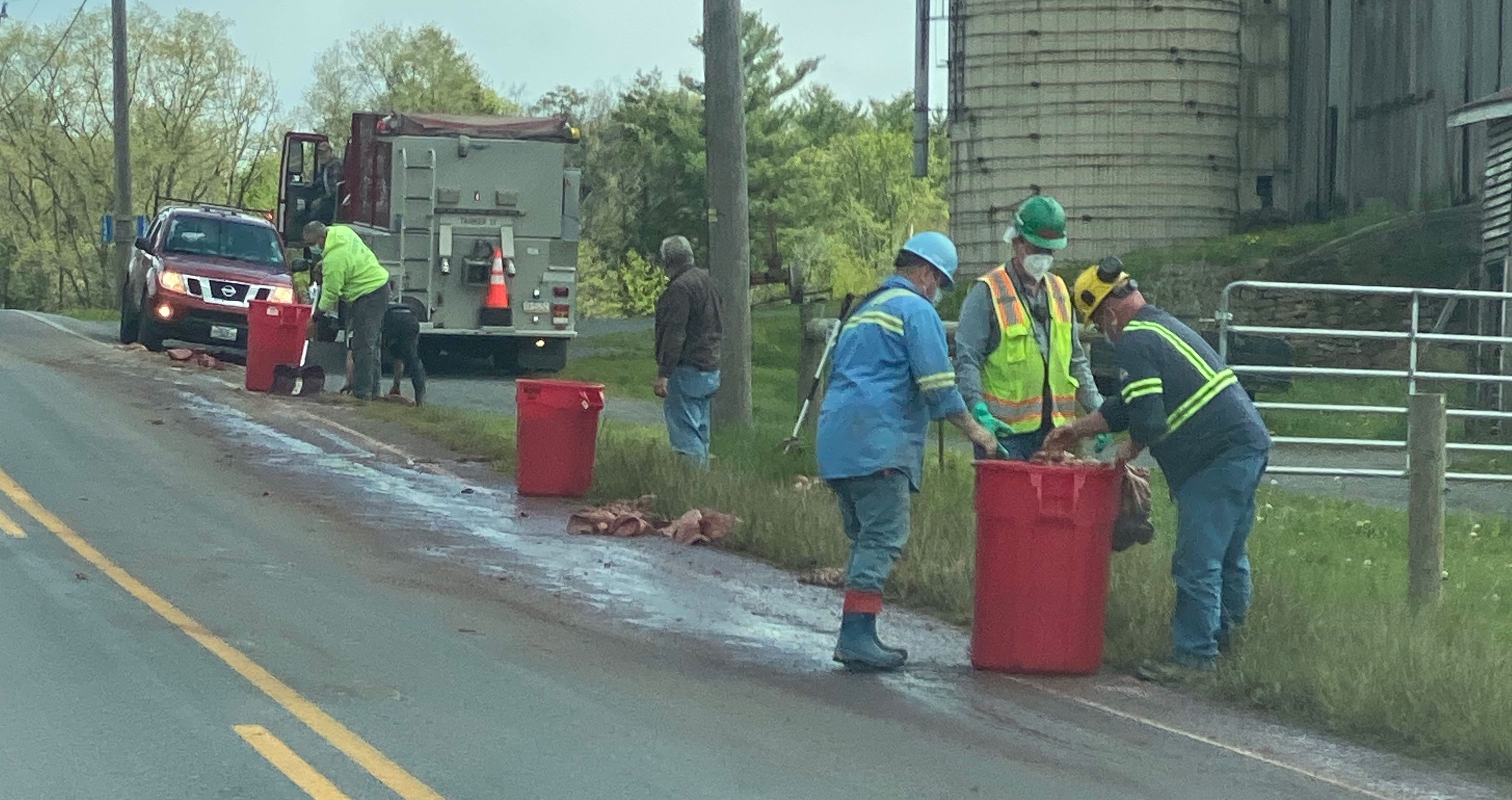
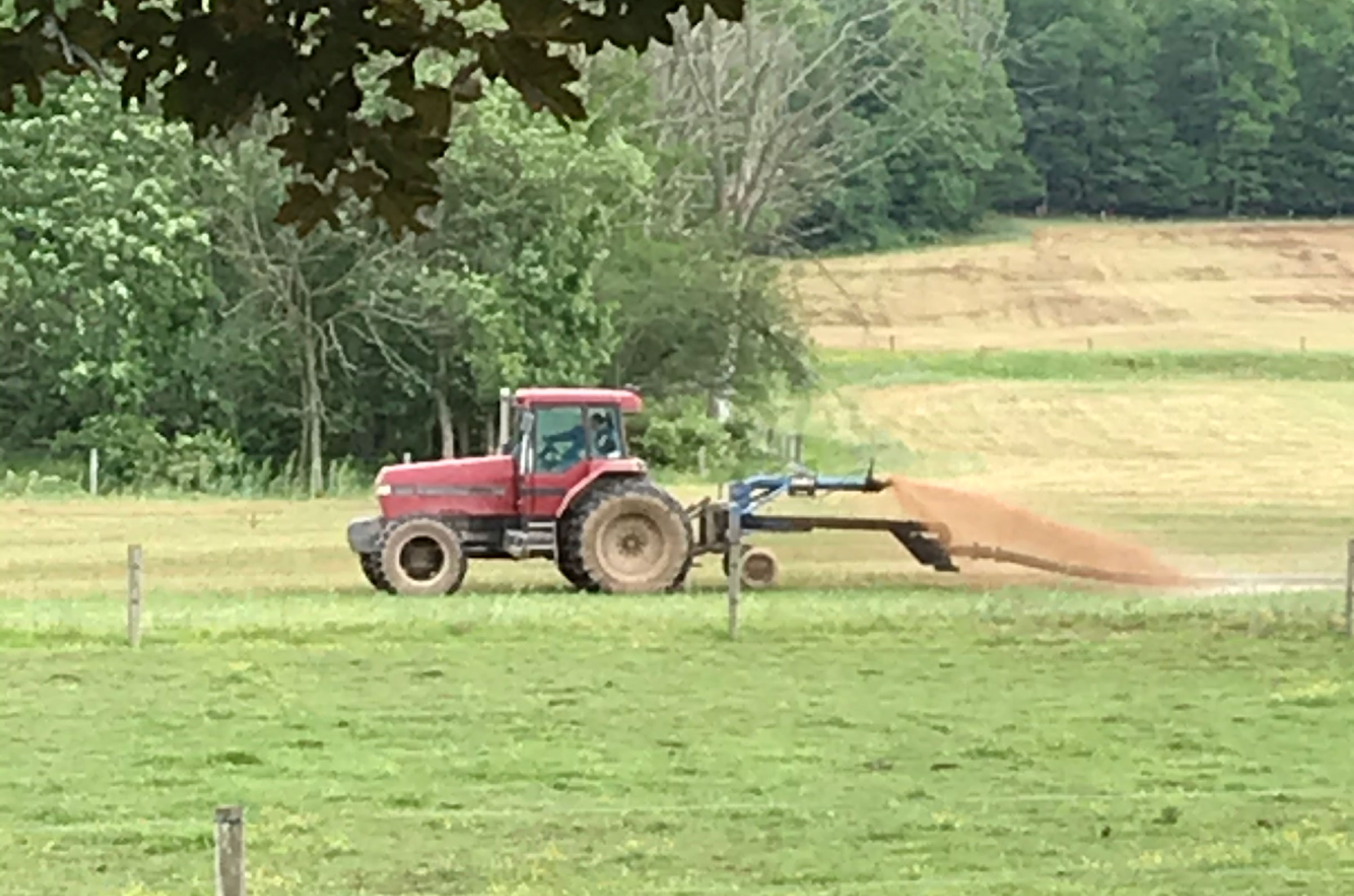
Leigey’s experience was not an isolated incident. For years, residents of Sugar Valley had observed trucks spraying a thick, crimson cocktail of blood, urine, process water, and slaughterhouse refuse across local farmland. This mixture, legally classified as "food processing residuals," was being applied to fields in such quantities that it saturated the soil, occasionally spilling onto public roads and leaving desiccated animal parts in its wake. Despite the visible and olfactory evidence of a mounting environmental crisis, few in the community felt empowered to speak out against a company that employs over 425 people—a workforce roughly equal to the entire population of Loganton—and processes approximately 10 percent of Pennsylvania’s beef.
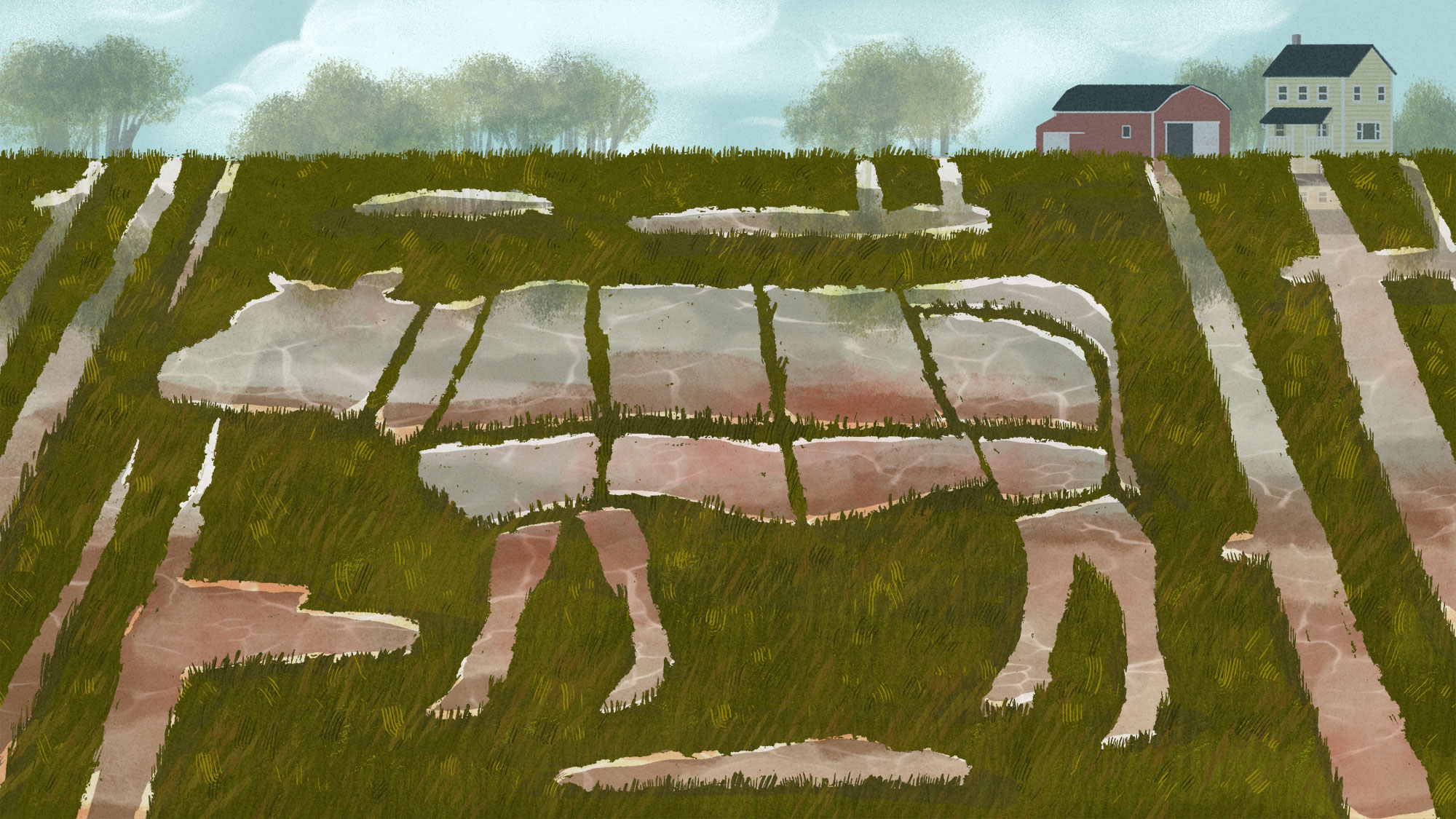
Driven by the need to protect her family’s health and the integrity of her home, Leigey, a single mother working three jobs, filed a lawsuit against Nicholas Meat. In December, a Clinton County jury delivered a landmark verdict, holding the company liable for creating a private nuisance and for trespassing on the properties of Leigey and three other plaintiffs. The jury awarded the group $145,000 in damages, marking a rare legal victory in a state where "Right to Farm" laws often shield agricultural operations from such litigation. However, while the verdict provided a moral victory, the broader implications for industrial waste management in Pennsylvania remain uncertain.
The Evolution of an Industrial Giant
Nicholas Meat began in 1987 as a modest family-run business processing a few dozen cattle per day. Over the following three decades, it transformed into a massive industrial complex. Today, the facility slaughters approximately 1,000 cattle every day, supplying major supermarket chains like Giant and global fast-food franchises such as Burger King. This growth has made it one of Clinton County’s largest private employers, providing a critical economic lifeline to a region where industrial opportunities are scarce.
The sheer scale of the operation generates a staggering volume of waste. According to court documents, Nicholas Meat produces at least 200,000 gallons of liquid waste daily. To manage this, the company maintains the capacity to store 1 million gallons on-site and an additional 4.3 million gallons at secondary locations. The most cost-effective method for disposing of this "slop" is land application—spraying or injecting it into the soil of nearby fields owned or leased by the Nicholas family.
While this practice is framed as a form of fertilization, critics argue it is essentially an unregulated industrial dumping scheme. Because the state considers these slaughterhouse byproducts to be "food processing residuals" (FPR) rather than industrial waste, they are subject to minimal oversight. Nicholas Meat saves an estimated $4,500 per hour by spreading the waste locally rather than transporting it to a certified wastewater treatment facility. Over a single week of operation, these savings represent hundreds of thousands of dollars in reduced overhead, a powerful incentive to maintain the status quo regardless of the environmental toll.
A Chronology of Contamination and Complaints
The conflict between Nicholas Meat and its neighbors intensified significantly following the facility’s reopening in 2010 after a major fire. The subsequent expansion of the plant led to a dramatic increase in the volume of waste being applied to the surrounding landscape.
- 2013–2019: Records from the Pennsylvania Department of Environmental Protection (DEP) indicate a steady stream of complaints from residents regarding unbearable odors and polluted runoff. Many residents reported waiting days or weeks for a response from regulators, by which time the evidence of runoff had often dissipated.
- 2017: A groundwater assessment conducted by the U.S. Geological Survey (USGS) in Clinton County found that more than half of the 54 private wells tested contained fecal bacteria. Approximately 25 percent of these wells tested positive for E. coli. While the study did not definitively name Nicholas Meat as the sole source, it established a baseline of widespread contamination in the area.
- 2019: Trish Leigey’s well water became visibly contaminated. Forensic analysis of the water samples identified bovine DNA and human fecal markers, suggesting a mix of slaughterhouse waste and potentially failing septic systems in the area.
- 2021: Leigey was forced to spend $10,000 to dig a deeper well to find clean water. During the same period, incidents of slaughterhouse waste spilling from trucks onto local roads were documented, further fueling community outrage.
- December 2023: After a two-week trial, the jury found Nicholas Meat liable for nuisance and trespass.
- May 5, 2024: Attorneys for Nicholas Meat, from the high-powered firm Fox Rothschild, officially appealed the verdict.
Geological Vulnerability and Public Health Risks
The environmental crisis in Loganton is exacerbated by the region’s unique geology. Central Pennsylvania is characterized by Karst topography, a landscape shaped by the dissolution of soluble rocks like limestone. This results in a network of sinkholes, springs, and underground channels that act as high-speed conduits for surface liquids to enter the groundwater.
During the trial, groundwater experts testified that Nicholas Meat continued to spray waste on fields known to contain sinkholes. Evidence showed that the company applied the liquid mixture even when fields were saturated, frozen, or covered in snow—conditions that exponentially increase the risk of runoff. When the "bloody mixture" enters a sinkhole, it bypasses the natural filtration provided by soil, flowing directly into the aquifers that supply private wells.
The health implications of this contamination are severe. Meat processing waste can harbor a variety of pathogens, including viruses, bacteria, and parasites. Exposure can lead to:
- Gastrointestinal Illness: E. coli and other fecal bacteria cause severe abdominal cramps, diarrhea, and vomiting.
- Methemoglobinemia: Often called "blue baby syndrome," this condition can be caused by high nitrate levels in water, which is a common byproduct of concentrated animal waste.
- Respiratory Issues: Airborne particles from the spraying process can exacerbate asthma and other chronic lung conditions.
- Psychological Impact: Residents described the smell of "rotting flesh and blood" as inescapable, forcing them to stay indoors with windows sealed even during the peak of summer. The persistent stench has been linked to increased blood pressure, chronic stress, and a diminished quality of life.
The Regulatory Gap and Legislative Efforts
The core of the issue lies in Pennsylvania’s antiquated regulatory framework. The land application of food processing residuals is currently governed by guidelines published in 1994. These guidelines do not require a formal permit for spreading and offer little more than suggestions on how to avoid waterways and drinking sources.
"There is really no oversight by anyone except residents," noted Angela Harding, a Clinton County Commissioner. This lack of state-level scrutiny leaves small communities to fend for themselves against large industrial actors.
In response to the Nicholas Meat case and similar incidents across the state, Pennsylvania Representative Paul Friel has introduced legislation aimed at tightening oversight. His proposed bill seeks to create a clear legal distinction between "normal farming practices" and "industrial waste disposal."
"There has to be a distinction," Friel stated. "Some bad actors are turning farm fields into unregulated landfills. There’s not a path forward to manage this without legislation." The proposed bill would require more rigorous testing of waste products, mandatory permits for large-scale land application, and steeper penalties for environmental violations.
Economic Pressures and Industry Consolidation
The situation in Loganton is a microcosm of a broader trend in the American beef industry, which is valued at approximately $161 billion. Over the last several decades, the industry has seen massive consolidation. Smaller, local slaughterhouses that processed dozens of animals have been replaced by centralized industrial hubs that process thousands.
Michael Kovach, president of the Pennsylvania Farmers Union, argues that this concentration of processing power is the root cause of the environmental friction. "What we need is a lot fewer plants that can handle 600 to 1,000 cattle a day and more that can handle 100 a day," Kovach said. Smaller operations produce waste at a volume that the local land can actually absorb as fertilizer. When the volume reaches hundreds of thousands of gallons a day, the land becomes a disposal site rather than a productive agricultural resource.
The economic reality, however, favors the giants. Large-scale processors benefit from economies of scale that allow them to keep meat prices lower for consumers while maintaining high profit margins. The environmental "externalities"—the cost of contaminated wells, ruined air quality, and declining property values—are borne by the local community rather than the corporation.

Conclusion: A Fragile Victory
For Trish Leigey and her neighbors, the $145,000 verdict is a validation of their struggle, but it is far from a permanent solution. The jury did not award punitive damages, which are intended to punish a defendant and deter future misconduct. Without such a financial deterrent, and with the company saving millions annually through its current disposal methods, there is little economic reason for Nicholas Meat to change its operations.
While the air in Loganton has been clearer in the months following the trial, residents report that the company has simply shifted its spraying operations to other fields in the Sugar Valley. The threat of groundwater contamination remains a constant shadow over the community.
"Innocent people should not have to suffer for the greed of other people," Leigey said. As the legal appeal moves through the courts and the proposed legislation faces the hurdle of industry lobbying, the residents of Loganton remain vigilant. They have proven that a small community can successfully challenge an industrial giant in court, but they also recognize that until the laws governing industrial waste are modernized, their "piece of heaven" remains at risk of being treated as a dumping ground.

