
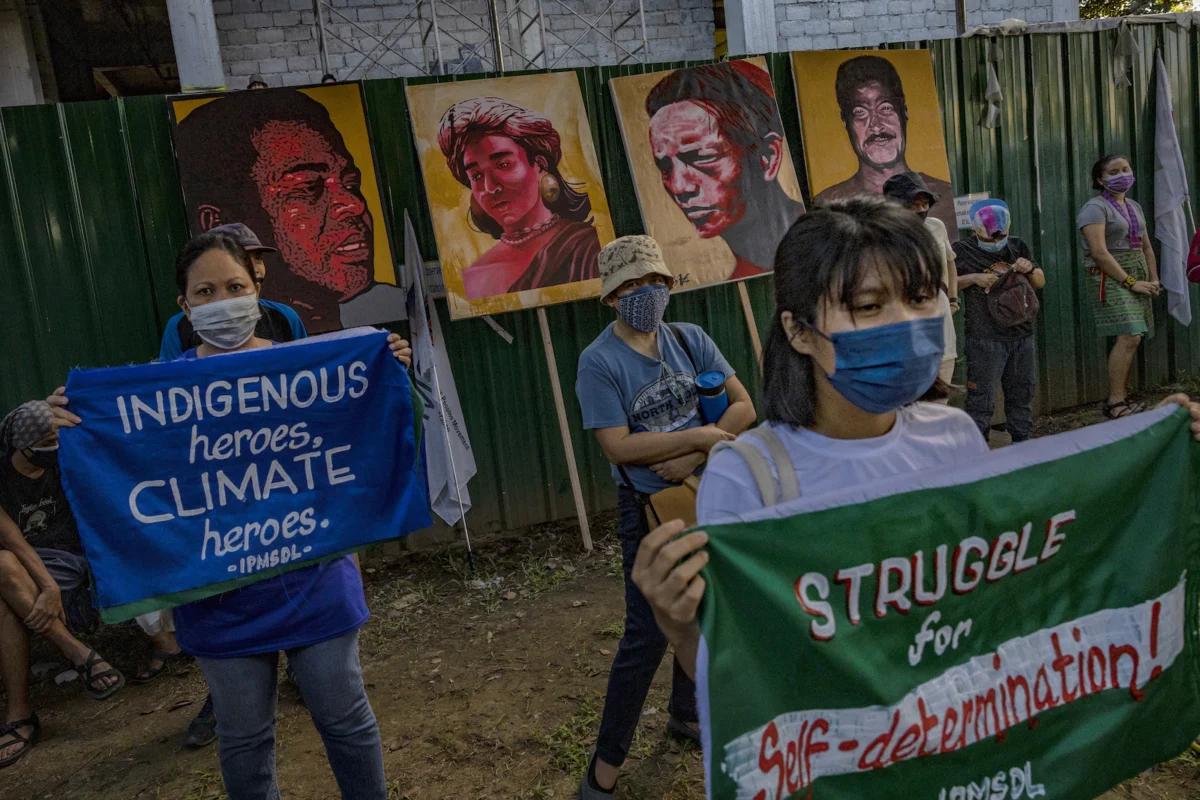
The global struggle for environmental preservation and Indigenous sovereignty reached a harrowing crossroads in 2025 as a new report reveals that activists continue to face unprecedented levels of violence despite significant advancements in international human rights law. According to the latest annual findings from Front Line Defenders, a Dublin-based organization dedicated to the protection of activists at risk, at least 358 human rights defenders were killed last year. This figure highlights a persistent and lethal gap between the theoretical protections offered by international courts and the brutal reality faced by those on the front lines of land and resource conflicts.
The report underscores a disturbing trend: environmental and Indigenous rights defenders remain the most targeted categories of activists worldwide. Nearly a quarter of all documented killings—84 individuals—were directly linked to the defense of land and the environment. These activists, often working without pay or formal institutional support, were murdered in a diverse array of nations, including Brazil, Colombia, Ecuador, France, Honduras, Guatemala, Mexico, India, Indonesia, Peru, the Philippines, Turkey, Somalia, and Palestine. Furthermore, Indigenous rights defenders, whose work frequently overlaps with environmental protection but is categorized separately, accounted for an additional 17 percent of the documented fatalities.
A Lethal Paradox: Legal Triumphs vs. Physical Peril
The escalation of violence in 2025 occurred against a backdrop of what appeared to be a turning point for environmental jurisprudence. Throughout the year, international courts issued landmark rulings affirming that a healthy environment is a prerequisite for the enjoyment of all other human rights. The Inter-American Court of Human Rights, in a widely cited advisory opinion, stated that the protection of environmental defenders is fundamental to the strengthening of democracy and the rule of law. The court emphasized that in the face of an accelerating climate crisis, the role of these individuals is more critical than ever, as they facilitate public involvement in environmental decision-making.
Globally, more than 165 countries have now recognized the human right to a clean, healthy, and sustainable environment. This legal shift was intended to provide a robust framework for communities to challenge extractive industries and state-sponsored environmental degradation. However, the data from 2025 suggests that these legal victories have yet to translate into safety on the ground. Instead, the recognition of these rights appears to have intensified the pushback from those with vested interests in "economies of violence"—the overlapping networks of government officials, private corporations, and criminal syndicates that profit from land dispossession and resource extraction.
The Case of Efraín Fueres and the Ecuadorian Context
Ecuador serves as a poignant and tragic example of the dangers faced by environmental leaders. Among those killed in 2025 was Efraín Fueres, a 46-year-old community leader and environmental defender. Fueres was a prominent voice in nationwide protests sparked by the Ecuadorian government’s aggressive push toward pro-extractive policies and authoritarian measures. His death, captured in social media footage, provides a chilling look at the mechanics of state and paramilitary violence.
Videos show Fueres being gunned down while participating in a peaceful march. As he lay dying in the street, a military vehicle approached, and armed officers were filmed surrounding his body and assaulting a companion who was attempting to provide aid. Despite the graphic nature of the evidence and the international outcry following the incident, both the Ecuadorian Consulate in Washington, D.C., and the country’s public prosecutor’s office have remained silent, failing to respond to repeated requests for comment or updates on a criminal investigation.
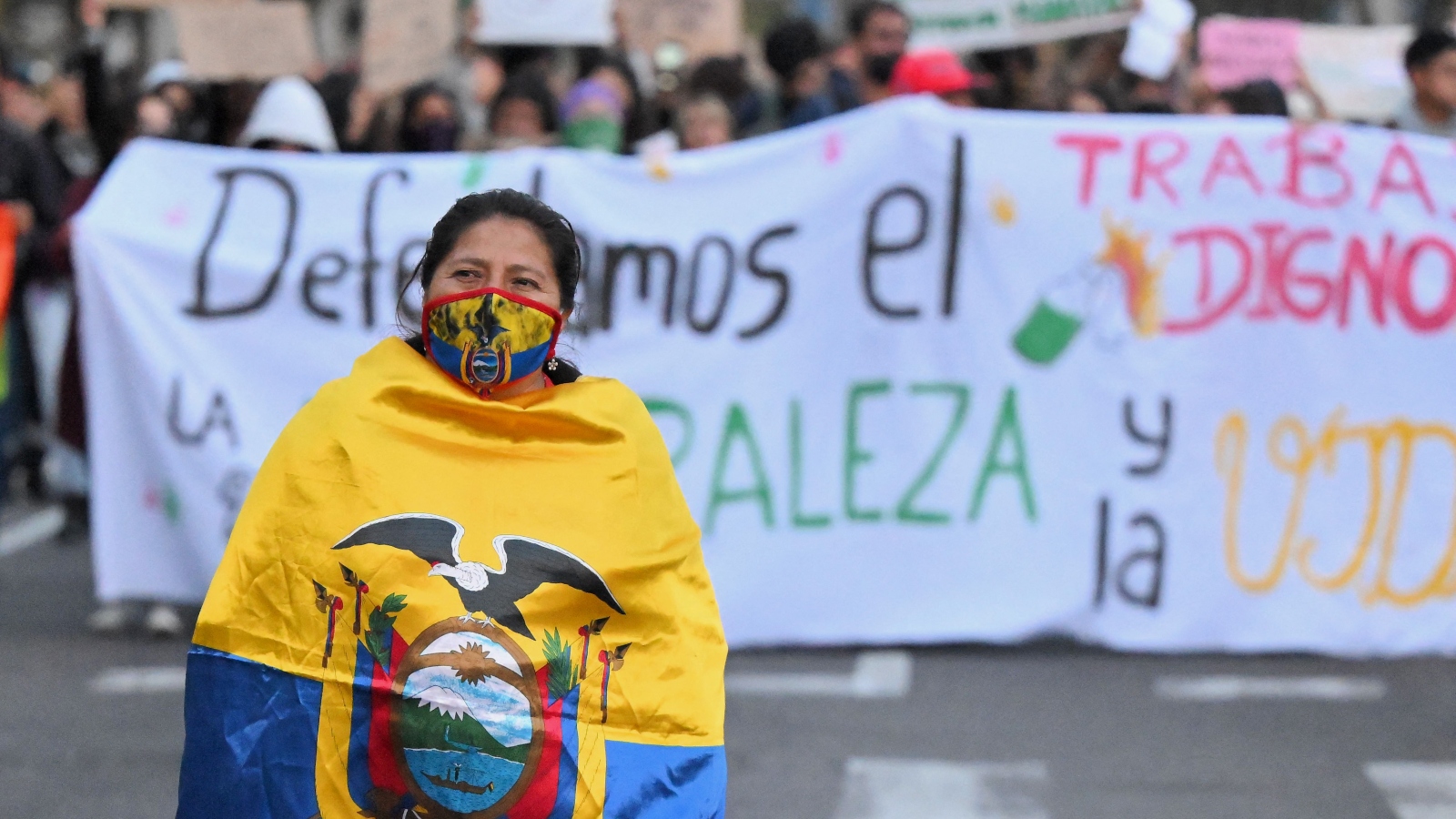
The situation in Ecuador reflects a broader regional trend in Latin America, which remains the deadliest part of the world for land defenders. The Front Line Defenders report notes that in Ecuador, the majority of "criminalization" cases—where activists are targeted with legal instead of physical force—occur within the context of mining projects imposed on communities without their free, prior, and informed consent (FPIC).
The Rise of Non-Lethal Attacks and "Lawfare"
While the number of killings remains the most shocking metric, the report highlights a massive surge in non-lethal attacks designed to silence dissent. In 2025, there were nearly 4,000 documented instances of non-lethal violations against human rights defenders across 119 countries. These attacks include arbitrary detention, enforced disappearances, torture, physical assault, and sophisticated surveillance operations.
One of the most insidious tools used by both states and corporations is "lawfare"—the use of the legal system to harass and bankrupt activists. Retaliatory lawsuits, often referred to as Strategic Lawsuits Against Public Participation (SLAPPs), and unfounded criminal charges of "terrorism" or "sabotage" are increasingly used to tie up defenders in years of litigation. This tactic not only removes leaders from their communities but also serves as a deterrent to others who might consider speaking out.
The report’s authors emphasize that the figure of 4,000 attacks is likely a significant undercount. In many parts of the world, including China, the Democratic Republic of Congo, and Iran, the "total closure of civic space" makes it nearly impossible to document abuses. Internet blackouts, the suppression of independent media, and the direct targeting of human rights documenters ensure that many victims suffer in silence, away from the gaze of the international community.
Economies of Violence: The Nexus of Power
A central theme of the 2025 report is the concept of "economies of violence." This term describes the convergence of formal and informal power structures around extractive industries such as mining, oil and gas, logging, and large-scale agribusiness. Researchers found that environmental defenders often confront the same networks of power regardless of whether the activity they are protesting is technically legal or illegal.
In remote regions of the Amazon and Southeast Asia, illegal mining operations frequently exist within the concessions of legitimate corporations. This blurring of lines creates a volatile environment where private security forces, local police, and criminal gangs work in tandem to protect profits. For Indigenous communities, this often results in a "pincer movement" of pressure: they are squeezed by state-sanctioned development on one side and illicit encroachment on the other.
The report notes that the global transition to "green" energy has inadvertently fueled some of these conflicts. The skyrocketing demand for minerals like lithium, cobalt, and copper—essential for electric vehicle batteries and renewable energy infrastructure—has led to a new wave of mining projects in ecologically sensitive and Indigenous territories. In many cases, these "green" projects are being implemented with the same disregard for local rights as the fossil fuel projects they are intended to replace.

Chronology of a Growing Crisis (2015–2025)
The violence documented in 2025 is the culmination of a decade-long upward trend in the targeting of environmental defenders:
- 2015-2016: Following the Paris Agreement, there is an initial hope for increased protection for climate activists, yet killings in Brazil and the Philippines spike as land-grabbing intensifies.
- 2018: The Escazú Agreement is adopted in Latin America and the Caribbean, the first regional treaty to include specific protections for environmental human rights defenders.
- 2021: The United Nations Human Rights Council formally recognizes the right to a clean, healthy, and sustainable environment.
- 2023-2024: A series of "anti-protest" laws are passed in several Western democracies, including the UK and parts of the US and France, criminalizing non-violent environmental civil disobedience.
- 2025: Front Line Defenders reports 358 killings, showing that despite a decade of legal progress, the physical safety of defenders has reached a new low.
Analysis of Global Implications
The findings of the 2025 report suggest that the international community is failing in its duty to protect those who are essentially performing a global public service. Environmental defenders are often the final line of defense against the destruction of carbon sinks and biodiversity hotspots that are crucial for climate stability.
The persistent impunity for those who kill or harass activists is a primary driver of the crisis. When governments fail to investigate the murder of leaders like Efraín Fueres, they send a message of tacit approval to perpetrators. The report argues that unless international trade agreements and corporate accountability laws are strengthened to include mandatory human rights due diligence, the "economies of violence" will continue to flourish.
Furthermore, the targeting of Indigenous peoples—who manage or hold tenure over 25 percent of the world’s land surface but protect 80 percent of its remaining biodiversity—is particularly catastrophic. Their displacement or silencing directly correlates with increased rates of deforestation and environmental degradation.
Conclusion and Official Reactions
Human rights organizations and UN special rapporteurs have responded to the report with calls for urgent action. "We are witnessing a systemic attempt to dismantle the defense of our planet," said one UN representative in an informal statement following the report’s release. "The law is being used as a weapon against the vulnerable, while the powerful operate with total disregard for the life and dignity of those who stand in their way."
As the world continues to grapple with the climate emergency, the report from Front Line Defenders serves as a grim reminder that the fight for a sustainable future is being fought not just in policy halls and corporate boardrooms, but on the ground, in forests, and on the streets—often at the cost of human life. The challenge for 2026 and beyond will be to bridge the chasm between international legal rhetoric and the lived experience of the world’s most essential protectors.

