
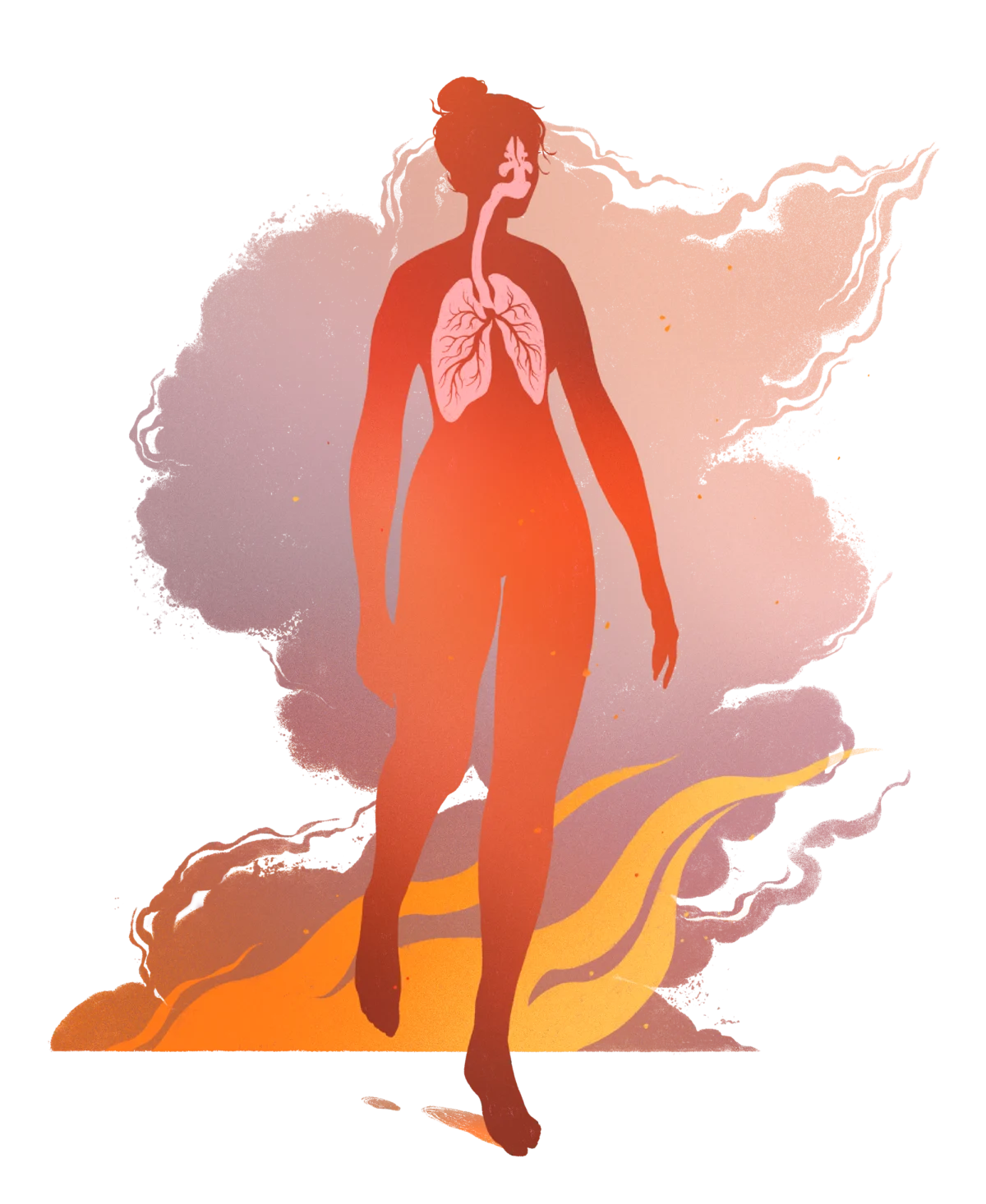
The human body is an intricate network of systems designed to maintain a narrow internal temperature and biological equilibrium, yet the accelerating pace of climate change is pushing these systems toward their breaking points. As global temperatures continue to shatter records, medical researchers and public health officials are documenting a profound shift in the landscape of human pathology. From the immediate trauma of extreme weather events to the insidious, long-term degradation of internal organs, the climate crisis is no longer just an environmental or economic issue; it has become an urgent medical emergency. Leading medical journals, including The Lancet and the New England Journal of Medicine, have issued increasingly dire warnings that rising greenhouse gas emissions are jeopardizing decades of hard-won progress in global health.
The Immediate and Chronic Burden on the Cardiovascular System
The cardiovascular system serves as the body’s primary cooling mechanism, but under extreme thermal stress, this system can quickly become overwhelmed. When ambient temperatures rise, the heart is forced to work significantly harder to dissipate heat. To facilitate cooling, the body dilates peripheral blood vessels, shunting blood toward the skin’s surface. This process requires the heart to pump two to four times as much blood per minute as it does under temperate conditions.
This physiological strain is compounded by dehydration, which occurs as the body loses fluids through sweat. As the volume of water in the bloodstream drops, the blood becomes more viscous, or "thicker," making it significantly more difficult for the heart to circulate. The immediate result of this dual pressure—increased demand and increased resistance—is a spike in heart failure and heatstroke, a condition where the internal cooling system fails entirely and core temperatures exceed 103 degrees Fahrenheit.
However, the threat extends beyond acute events. Longitudinal data indicates that repeat exposure to heatwaves over several seasons places a cumulative strain on the heart, contributing to chronic cardiovascular disease. In the United States alone, extreme heat is now linked to an additional 600 to 700 cardiovascular deaths annually. These risks are disproportionately borne by those in the "wildland-urban interface" and outdoor laborers, but new research suggests that "tropical nights"—where temperatures do not drop sufficiently to allow the body to recover—are becoming a primary driver of mortality. In regions like East Asia, modeling suggests that if current emission trajectories continue, hot nights alone could account for nearly 6 percent of all deaths by the end of the century.
Respiratory Vulnerabilities in a Thirstier Atmosphere
As the global atmosphere warms, it becomes "thirstier," a phenomenon known as increased vapor pressure deficit. This causes the air to pull more moisture from plants and soil, leading to the desiccation of landscapes and the subsequent ignition of massive wildfires. The public health implications of this trend are staggering, particularly as the number of people living in fire-prone areas has doubled in recent decades.
Wildfire smoke is a complex chemical cocktail. It contains ultrafine particulate matter (PM2.5) that is small enough to bypass the body’s natural filters, penetrating deep into the lungs and entering the bloodstream. This triggers systemic inflammation, which exacerbates chronic conditions such as asthma and chronic obstructive pulmonary disease (COPD). Beyond the lungs, recent studies have linked wildfire smoke to dermatological issues, including the worsening of eczema and psoriasis, as pollutants dry out the skin and trigger inflammatory pathways.
Climate change also alters the chemical composition of the air we breathe in more subtle ways. Higher temperatures and intense sunlight catalyze the reaction between nitrogen oxides and volatile organic compounds, speeding the formation of ground-level ozone. This pollutant acts as a powerful lung irritant, causing immediate respiratory distress. Furthermore, the warming planet is extending the duration and intensity of allergy seasons. Earlier springs and delayed frosts mean that plants produce more pollen over longer periods, increasing the burden on those with respiratory sensitivities. Indoors, the increase in extreme flooding and humidity provides the perfect environment for black mold, turning domestic spaces into sources of chronic respiratory illness.
The Neurological Frontier: Cognitive Decline and Mental Health
One of the most concerning areas of emerging research is the impact of climate stressors on the human brain. Scientists are discovering that the particulate matter from wildfire smoke can travel through the olfactory bulb directly into the brain, contributing to neuroinflammation. This process is increasingly linked to cognitive decline, increased risk of stroke, and the development of dementia. Perhaps most alarming are the findings regarding prenatal exposure; babies exposed to wildfire smoke in utero may face a higher risk of developing autism and other neurodevelopmental disorders, though researchers emphasize that more long-term data is required.
The brain’s functionality is also directly impaired by heat. Studies have consistently shown that students perform worse on standardized tests during heatwaves and that workplace accidents spike as high temperatures lead to confusion and slower reaction times. The elderly are particularly vulnerable, often experiencing profound disorientation during periods of extreme warmth.
The psychological and social impacts are equally measurable. Data from over 400 U.S. counties reveals a clear correlation between temperature deviations and social instability: for every 18-degree Fahrenheit increase above the norm, the rate of violent crime rises by approximately 10 percent. Furthermore, extreme heat is a known trigger for psychiatric emergencies. High temperatures are linked to increased rates of suicide and the exacerbation of symptoms in individuals with severe mental illnesses, such as schizophrenia, partly because certain psychiatric medications interfere with the body’s ability to regulate temperature.
Reproductive Health and the Risks to Future Generations
The reproductive system is highly sensitive to environmental stressors, and climate change is creating new hazards for both maternal and fetal health. Heat exposure during pregnancy has been shown to increase the risk of preterm birth by as much as 26 percent. While the exact biological mechanisms are still being mapped, experts believe that heat-induced cardiovascular stress and hypertension in the mother directly affect the placental environment.
Climate change also acts as a force multiplier for infectious diseases that target pregnant women. As warming temperatures and shifting rainfall patterns expand the habitat of disease-carrying mosquitoes, more pregnant individuals are being exposed to malaria. This is particularly dangerous because the immune system is naturally suppressed during pregnancy to protect the fetus, making pregnant women three times more likely to develop severe, life-threatening cases of the disease.
In coastal regions, the threat is further complicated by rising sea levels. Saltwater intrusion into freshwater aquifers is forcing many populations to consume water with high sodium content. For pregnant women, this leads to increased rates of gestational hypertension and preeclampsia, which are leading causes of miscarriage and maternal mortality. Even male fertility is not immune; high ambient temperatures have been shown to negatively impact sperm quality, volume, and motility, potentially affecting long-term population trends.
Gastrointestinal Stability and the Spread of Pathogens
The gastrointestinal system is the primary interface between the human body and the external environment’s food and water supplies, both of which are being destabilized by climate change. Warmer water temperatures are allowing pathogenic bacteria, such as Vibrio vulnificus (often termed "flesh-eating bacteria"), to thrive in coastal regions where they were previously rare. This increases the risk of severe infection through the consumption of raw shellfish or simple contact with brackish water.
Simultaneously, the intensification of the hydrological cycle—characterized by heavier downpours and more frequent flooding—is overwhelming aging sanitation infrastructure. When sewage systems overflow, they contaminate drinking water supplies with pathogens that cause diarrheal diseases. This remains a leading cause of death for children under the age of five globally.
On the opposite end of the spectrum, extreme droughts are destroying crops and disrupting food chains, leading to widespread malnutrition. Malnutrition does not just cause hunger; it weakens the gut’s immune defenses, leaving children more susceptible to intestinal infections that can lead to stunting and permanent developmental delays.
The Renal System: The Silent Epidemic of Kidney Disease
Perhaps the most striking example of climate change’s chronic impact on the body is the emergence of a new form of chronic kidney disease (CKD) that is not linked to traditional risk factors like diabetes or obesity. In agricultural regions of Central America, South Asia, and the Middle East, doctors are treating thousands of young outdoor workers for kidney failure.
The cause is a cycle of chronic dehydration and heat stress. When the body is repeatedly pushed to its thermal limit without adequate rehydration, the kidneys suffer micro-injuries. Over years of labor in extreme heat, these injuries accumulate, leading to permanent scarring and organ failure. This phenomenon is particularly evident among migrant construction workers returning to Nepal from the Gulf States. Many of these workers, who left their homes in peak physical health, return needing dialysis or transplants after years of laboring in temperatures that frequently exceed 120 degrees Fahrenheit.
Analysis of Broader Implications and Official Responses
The evidence gathered by the "Vital Signs" initiative and other global health bodies paints a picture of a systemic health crisis that transcends national borders. The World Health Organization (WHO) has estimated that climate change will cause an additional 250,000 deaths per year between 2030 and 2050 from malnutrition, malaria, diarrhea, and heat stress alone. However, many experts believe this is a conservative estimate that fails to account for the secondary effects of healthcare system collapses and economic migration.
The economic burden is also substantial. The loss of labor productivity due to heat stress is estimated to reach trillions of dollars by mid-century, and the cost of treating climate-related illnesses will place an unprecedented strain on national health budgets. In response, some nations have begun to implement "Heat Action Plans," which include early warning systems and the creation of urban cooling centers. However, public health advocates argue that these are merely "band-aid" solutions.
The consensus among medical professionals is that public health cannot be separated from climate policy. Without a rapid transition away from fossil fuels and a massive investment in climate-resilient infrastructure, the systems of the human body will continue to bear the brunt of a warming planet. The "Vital Signs" are clear: the environment is changing faster than the human body can adapt, and the window to protect global public health is rapidly closing.

