
The global wine industry, an ancient trade rooted in the stability of seasonal cycles and the specificities of geography, is currently facing an unprecedented existential threat. As global temperatures continue to rise, the delicate balance of heat, water, and soil—collectively known as "terroir"—is being disrupted in nearly every major wine-producing region on Earth. From the parched valleys of Chile to the smoke-shrouded vineyards of California and the frost-bitten hills of Champagne, winemakers are being forced to choose between tradition and survival. A landmark study from Cornell University suggests that the path to resilience may lie in a surprising place: the consumer’s willingness to pay more for wines that embrace climate adaptation, even when those adaptations alter the very identity of the product.
The Triple Threat of a Changing Climate
To understand the necessity of the Cornell study, one must first look at the deteriorating conditions in the field. Viticulture is uniquely sensitive to climate because the quality of a wine is determined by the precise timing of grape maturation. In Chile, a "mega-drought" lasting over a decade has decimated water reserves, forcing a radical overhaul of irrigation infrastructure. Winemakers there are no longer just artisans of flavor; they are becoming engineers of water conservation, utilizing precision sensors to deliver moisture only when absolutely necessary.
In the United States, the challenge is more visceral. California’s wine industry, valued at over $40 billion, has been battered by increasingly frequent and intense wildfires. Beyond the immediate threat of flames, "smoke taint" has emerged as a silent crop-killer. When grapes are exposed to wildfire smoke, volatile phenols such as guaiacol and 4-methylguaiacol are absorbed through the skin, bonding with sugars. During fermentation, these bonds break, releasing an acrid, ashy taste that can render an entire vintage undrinkable. This has forced vintners to invest heavily in atmospheric monitoring and expensive filtration technologies.
Meanwhile, in Europe, the paradox of climate change is on full display. While average temperatures are rising, the stability of the seasons is collapsing. In France’s Champagne region, unseasonably warm winters are followed by sudden, severe spring frosts. These events kill the early buds, drastically reducing yields and altering the acidity levels that give Champagne its signature crispness. While some growers are experimenting with late-pruning techniques to delay budding, others are beginning to accept that the flavor profile of the world’s most famous sparkling wine is permanently shifting.
The Cornell Study: Three Paths to Resilience
Against this backdrop of environmental volatility, researchers at Cornell University’s School of Hotel Administration conducted a market study to determine how producers should navigate these changes. The study, published in the American Journal of Enology and Viticulture, identified three primary adaptation strategies:
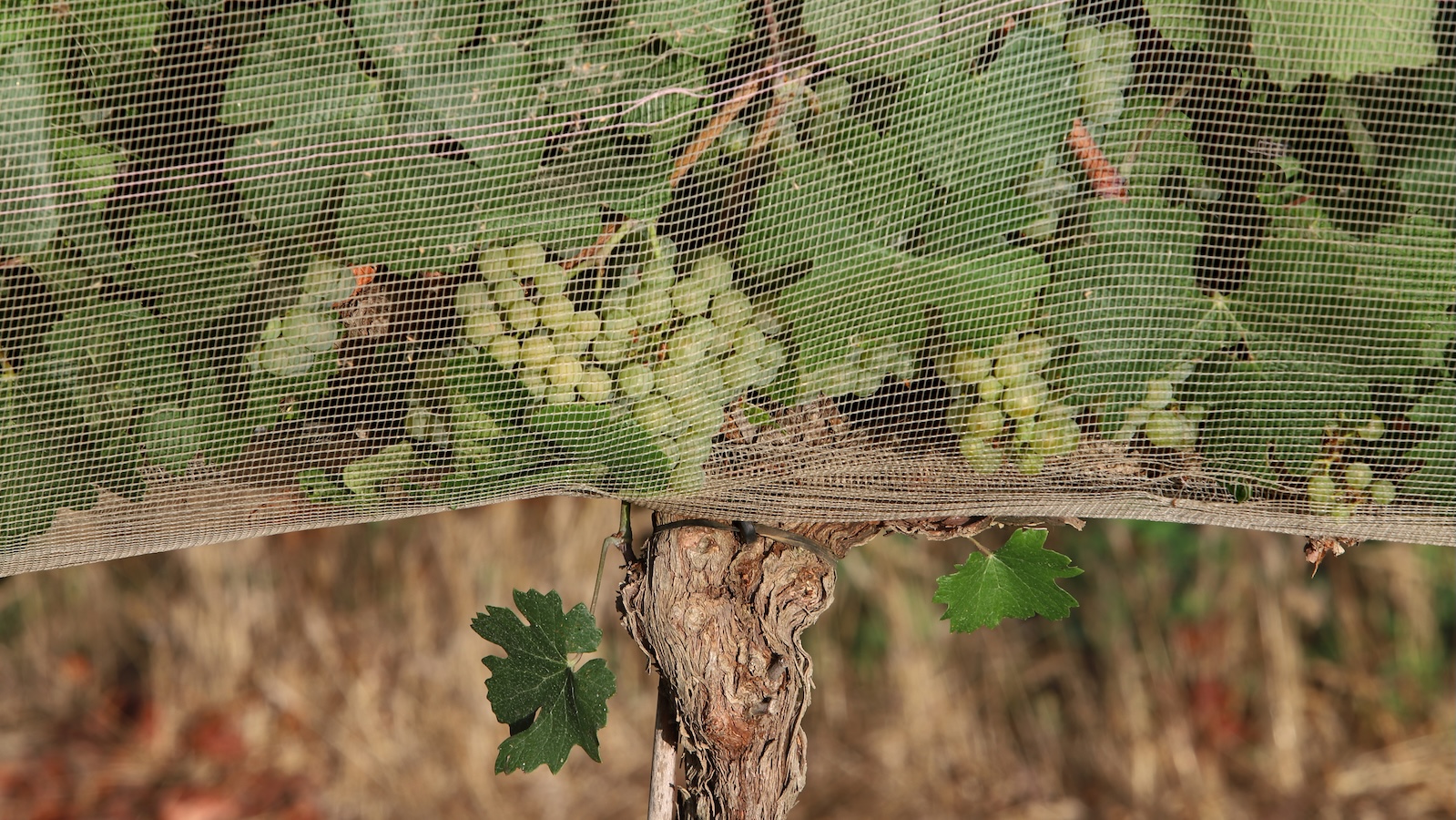
- Infrastructure Investment: The installation of shade cloths to protect grapes from excessive UV radiation and heat-induced "sunburn."
- Varietal Shifting: Replacing traditional, temperature-sensitive grapes (like Cabernet Sauvignon or Pinot Noir) with heat-tolerant varieties (such as Carignan or Mourvèdre) that can thrive in hotter, drier conditions.
- Geographic Relocation: Moving vineyard operations to cooler latitudes or higher elevations—a "managed retreat" that involves abandoning established regions for new frontiers.
The researchers, led by Alex Susskind, a professor of food and beverage management, sought to understand the economic viability of these moves. "A producer can make all the changes in the world—but if they don’t resonate well with consumers, then it’s moot," Susskind noted. The study surveyed 300 participants, primarily college-educated individuals under the age of 40 who expressed a keen interest in environmental issues and food labeling.
The results were unexpected. The study found that when the reasons for these changes were clearly communicated on wine labels, consumers were not only accepting but were actually willing to pay a premium for "climate-resilient" wines. This finding challenges the long-held industry belief that "brand heritage" and "regional prestige" are the only factors that justify high price points.
The Trade-off: Prestige versus Survival
One of the most significant hurdles to climate adaptation is the legal and cultural framework of the wine world. In many regions, the name of the place is the brand. For instance, a bottle labeled "Napa Valley Cabernet Sauvignon" carries a level of prestige that allows it to command a high price. However, if a Napa grower realizes that Cabernet can no longer thrive in the valley’s rising heat and decides to move an hour north to the cooler Lake County, they lose the right to use the "Napa Valley" designation.
The Cornell study found that while relocation was the "least desirable" option among the three—likely due to the loss of familiar regional names—consumers were still willing to pay extra for the resulting product if they understood the move was a response to climate change. This suggests a shift in consumer psychology: the value is moving away from the "where" and toward the "how."
"Those grapes don’t end up producing a bottle of Napa Valley Cabernet anymore; that’s a Lake County Cabernet," Susskind explained. The fact that consumers are willing to bridge that gap in prestige indicates a growing awareness of the environmental pressures facing the agricultural sector.
Expert Reactions and the Economic Reality
The findings have been met with cautious optimism by industry professionals. Jimena Balic, a prominent winemaking researcher in Chile, described the work as "genuinely valuable." She emphasized that the economics of climate adaptation are historically under-documented. "Putting real numbers to ‘go, stay, or change’ is exactly the kind of evidence growers need," Balic said.
However, Balic also pointed out that adaptation is rarely a single choice. "Wine risk is multifactorial," she noted, explaining that a single vineyard might face drought, hail, and pests simultaneously. She expects growers to adopt a "piecemeal" approach, perhaps planting new varieties on one hillside while installing shade cloths on another to spread their risk.
Greg Jones, a world-renowned wine climatologist and CEO of Abacela Winery in Oregon, echoed the importance of the study but added several caveats. Jones, who has spent 25 years studying the intersection of climate and viticulture, argued that the industry’s success depends heavily on consumer education. "We have a system where the consumer is hard to read," Jones said. He noted that while the Cornell study shows a willingness to pay more, the industry must figure out how to sustain that interest once the "novelty" of climate-resilient labeling wears off.
Chronology of the Wine Industry’s Climate Pivot
The current crisis is the culmination of decades of incremental change:
- 1990s: Climate scientists begin warning that traditional "wine belts" (30–50 degrees latitude) are shifting. Early data shows harvest dates moving earlier in the year across Europe.
- 2006: A seminal study predicts that up to 81% of premium wine-growing acreage in the U.S. could be lost by 2100.
- 2011–2022: Chile enters its "mega-drought," the longest in at least 1,000 years, forcing the abandonment of some historic vineyards.
- 2017–2020: Record-breaking wildfire seasons in California and Australia lead to the widespread loss of entire vintages due to smoke taint.
- 2021: France experiences one of its worst frost years on record, causing an estimated $2 billion in losses and prompting the government to declare a "state of agricultural disaster."
- 2024: The Cornell study provides the first robust evidence that consumers may be willing to subsidize the cost of the industry’s adaptation.
Broader Implications and Future Outlook
The implications of this research extend far beyond the wine cellar. If consumers are willing to pay a premium for climate-resilient wine, it suggests a potential market for other "climate-adapted" agricultural products, such as coffee, cocoa, and grains. This could incentivize farmers to adopt sustainable practices earlier, rather than waiting for a total crop failure to force their hand.
However, the Cornell researchers were careful to note the study’s limitations. The sample size of 300 is relatively small and skewed toward a younger, more environmentally conscious demographic. Whether this "green premium" will hold true for the average supermarket shopper remains to be seen. Furthermore, the study focused on adaptation (surviving the change) rather than mitigation (stopping the change). There is a risk that by focusing on shade cloths and relocation, the industry might overlook the need to decarbonize its own supply chains—from glass bottle production to global shipping.
As the planet continues to warm, the wine industry serves as a canary in the coal mine for global agriculture. The transition from "Napa Cabernet" to "Lake County Carignane" is more than just a change in flavor; it is a testament to the necessity of human ingenuity in the face of an altering environment. The success of this transition will depend on whether the industry can turn the story of its survival into a value proposition that resonates with the next generation of wine drinkers. For now, the Cornell study offers a glimmer of hope that the world is willing to pay the price for a glass of wine that tastes like resilience.

