
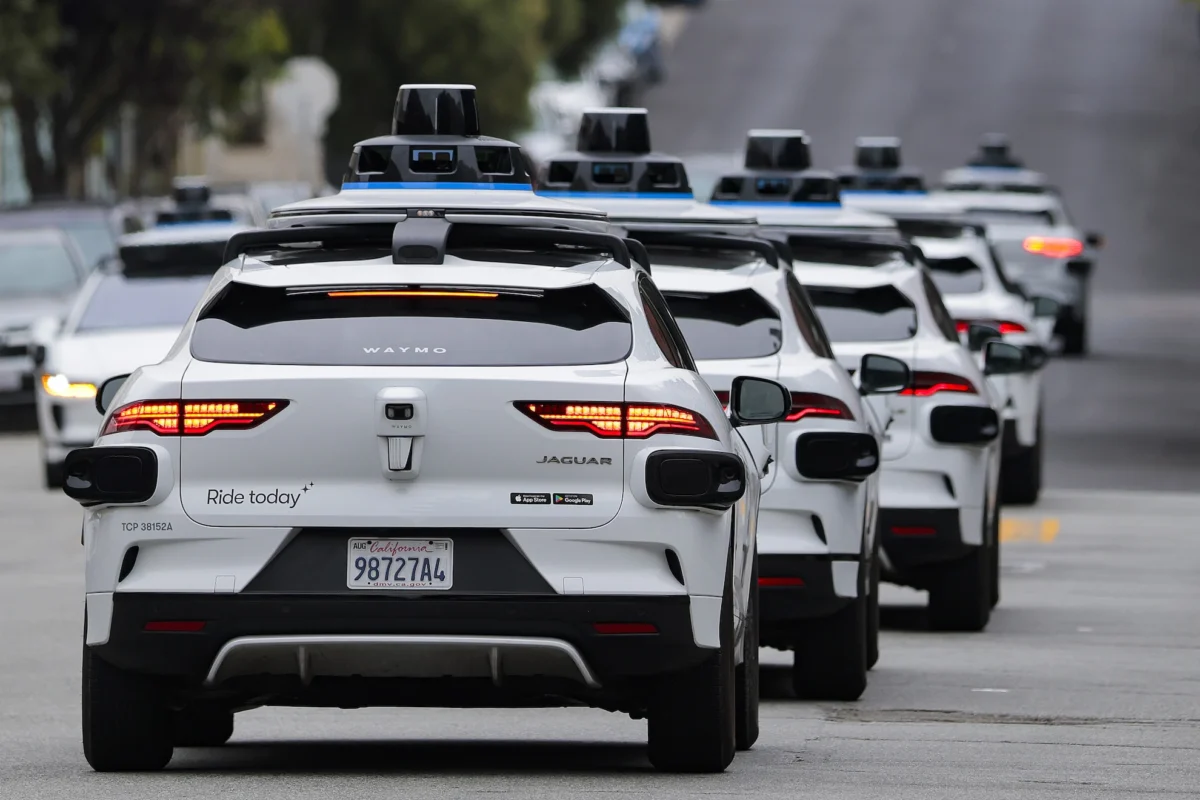
Waymo has announced that its fully autonomous robotaxi service has resumed operations in San Francisco, following a temporary pause that affected the city’s operations on Saturday, July 18, 2026. The disruption, which lasted approximately one hour, was a direct response to a significant power outage that impacted an estimated 7,000 Pacific Gas and Electric (PG&E) customers across various San Francisco neighborhoods. The incident highlights the ongoing challenges and considerations for autonomous vehicle deployment in urban environments, particularly when faced with critical infrastructure failures.
The temporary suspension of Waymo’s service was communicated to its San Francisco riders via a notification, a screenshot of which was shared on social media. This message indicated that the service was "temporarily paused" and that "freeway routes are unavailable." The swift action by Waymo underscores the company’s commitment to safety and its protocol for managing unforeseen external events that could compromise the operational integrity of its driverless fleet.
A spokesperson for Waymo, the Alphabet-owned autonomous driving company, confirmed the situation in a statement to TechCrunch. "We are making temporary adjustments to our service while we monitor local conditions," the spokesperson stated. "We know riders depend on us, and we will return to normal operations as soon as possible." This initial statement acknowledged the service adjustments and the company’s intention to restore full operations promptly.
Following the initial publication of the news, Waymo provided further clarification regarding the duration and rationale behind the pause. A spokesperson elaborated that the company "decided to pause service for approx. one hour to assess the scale of the power outage affecting a large portion of San Francisco and coordinate with local officials." This detailed explanation reveals a deliberate and measured approach, involving an assessment of the outage’s scope and communication with city authorities, suggesting a collaborative effort to ensure public safety and operational continuity.
The power outage itself, reported to have affected around 7,000 PG&E customers, began on Saturday morning and caused widespread disruptions. While the exact cause of the outage was not immediately detailed in Waymo’s communications, the impact on the city’s infrastructure served as a critical factor for the robotaxi operator. The reliance of modern urban systems, including advanced transportation networks, on stable power grids was starkly demonstrated by this event.
This is not the first instance where external power disruptions have impacted Waymo’s operations in San Francisco. The city has witnessed similar incidents in the past, underscoring a recurring vulnerability. In December 2025, a blackout led to a significant number of Waymo vehicles stalling on city streets, causing considerable disruption. Another notable event occurred on the Fourth of July, when a similar power failure coincided with a fireworks display, leading to traffic paralysis and further highlighting the intersection of autonomous vehicle operations with public events and infrastructure reliability. These past occurrences have contributed to a growing dialogue about the resilience and regulatory oversight of autonomous vehicle technology.
The cumulative effect of such incidents has prompted significant responses from city officials. San Francisco Mayor Daniel Lurie has been a vocal advocate for enhanced regulatory frameworks governing autonomous vehicles. In response to previous Waymo-related traffic disruptions, Mayor Lurie has explicitly called for "tougher state regulations" to "adequately address how autonomous vehicles operate during major incidents, planned or not." This suggests a broader push within San Francisco’s municipal government to establish clearer guidelines and accountability measures for AV companies, particularly concerning their behavior and operational protocols during emergencies.
Background: The Evolving Landscape of Autonomous Vehicles in San Francisco
San Francisco has been a key testing ground and deployment zone for autonomous vehicle (AV) companies, including Waymo and Cruise (a subsidiary of General Motors). The city’s complex urban environment, characterized by its dense population, varied topography, narrow streets, and unpredictable traffic patterns, presents a unique set of challenges and opportunities for AV development. Both Waymo and Cruise have been granted permits to operate commercial services in the city, marking significant milestones in the AV industry’s journey toward widespread adoption.

However, the expansion of these services has not been without its controversies and operational hiccups. Incidents involving AVs, ranging from minor traffic disruptions to more significant operational failures, have drawn public scrutiny and regulatory attention. These events have fueled debates about the safety, reliability, and overall readiness of AV technology for mass deployment. The California Public Utilities Commission (CPUC) and the California Department of Motor Vehicles (DMV) have been instrumental in establishing regulatory frameworks, but the pace of technological advancement often outstrips the development of comprehensive legal and operational guidelines.
The recurring nature of power outages affecting AV operations, as seen with Waymo, brings into focus the critical interdependence between technological innovation and existing infrastructure. It also raises questions about the preparedness of AV companies to operate autonomously in a city where power grid reliability can be a concern. While AVs are programmed to handle a wide array of driving scenarios, complete cessation of power can create unprecedented operational challenges.
Chronology of the July 18, 2026 Incident
- Morning of July 18, 2026: A significant power outage commences in San Francisco, affecting approximately 7,000 PG&E customers. The exact cause of the outage is not immediately specified but leads to widespread disruptions across the city.
- Mid-morning/Early Afternoon: Waymo, monitoring local conditions and alerted to the power outage’s impact, initiates a temporary pause of its robotaxi service. This decision is made to ensure the safety and operational integrity of its fleet.
- During the Pause: Waymo communicates the temporary service suspension to its riders, informing them that freeway routes are unavailable. A spokesperson provides a statement to TechCrunch, indicating "temporary adjustments" and a commitment to resuming normal operations.
- Post-Pause Assessment: Waymo undertakes a one-hour assessment of the outage’s scale and coordinates with local officials.
- Afternoon of July 18, 2026: Waymo announces the resumption of its robotaxi service, indicating that it has returned to normal operations after the brief interruption. The company confirms this update through further statements to media outlets.
Supporting Data and Context
The 7,000 PG&E customers affected by the July 18th outage represent a notable segment of the city’s population, indicating a widespread impact. While the exact geographical spread of the outage is not detailed, such disruptions can affect critical services, including traffic signals, communication networks, and businesses. For a service like Waymo, which relies on constant communication and sophisticated navigation systems, a localized power failure can create a cascade of operational challenges.
Previous incidents offer quantitative context:
- December 2025 Blackout: Numerous Waymo vehicles stalled on city streets. The exact number of stalled vehicles was not publicly disclosed, but reports indicated a significant disruption to traffic flow in affected areas.
- Fourth of July Incident: Similar traffic paralysis occurred, compounding the challenges of managing public gatherings and emergency services during a holiday event.
These events have contributed to a growing body of data that regulators and policymakers can use to evaluate the performance of AVs under adverse conditions. The ability of AVs to safely navigate and manage disruptions like power outages is a critical factor in public trust and regulatory approval.
Official Responses and Broader Implications
The ongoing dialogue between AV companies and city officials in San Francisco is indicative of a national trend. As AV technology matures, the focus shifts from initial testing and demonstration to commercial deployment and integration into the urban fabric. This integration necessitates robust regulatory frameworks that address a wide spectrum of potential issues, including:
- Operational protocols during emergencies: How AVs should behave during power outages, severe weather, or other unforeseen events.
- Data sharing and transparency: Requirements for companies to share operational data, especially during incidents, to inform regulatory decisions.
- Liability and accountability: Clear definitions of responsibility in case of accidents or disruptions caused by AVs.
- Public safety integration: Ensuring AV operations do not impede emergency services or create new hazards for pedestrians and other road users.
Mayor Lurie’s calls for tougher state regulations are a direct reflection of these evolving concerns. The San Francisco Municipal Transportation Agency (SFMTA) has also been actively involved in scrutinizing AV operations and advocating for measures that prioritize public safety and minimize disruption.
For Waymo, the incident serves as a reminder of the dynamic and often unpredictable nature of operating in a major metropolitan area. While the company has demonstrated a capacity to adapt and resume operations quickly, these recurring disruptions highlight the need for:
- Enhanced resilience in AV systems: Exploring backup power solutions or fail-safe mechanisms for critical onboard systems.
- Improved communication protocols: Developing more robust communication channels with city infrastructure and emergency services.
- Proactive risk assessment: Continuously analyzing potential failure points and developing contingency plans for a wider range of scenarios.
The resumption of Waymo’s service on July 18th signifies a successful, albeit brief, resolution to the immediate operational challenge. However, the underlying issues surrounding AV deployment in complex urban environments, particularly in the face of infrastructure vulnerabilities, remain a critical area of focus for the industry, regulators, and the public. The ongoing evolution of autonomous technology will undoubtedly continue to shape discussions about urban mobility, public safety, and the future of transportation.

