
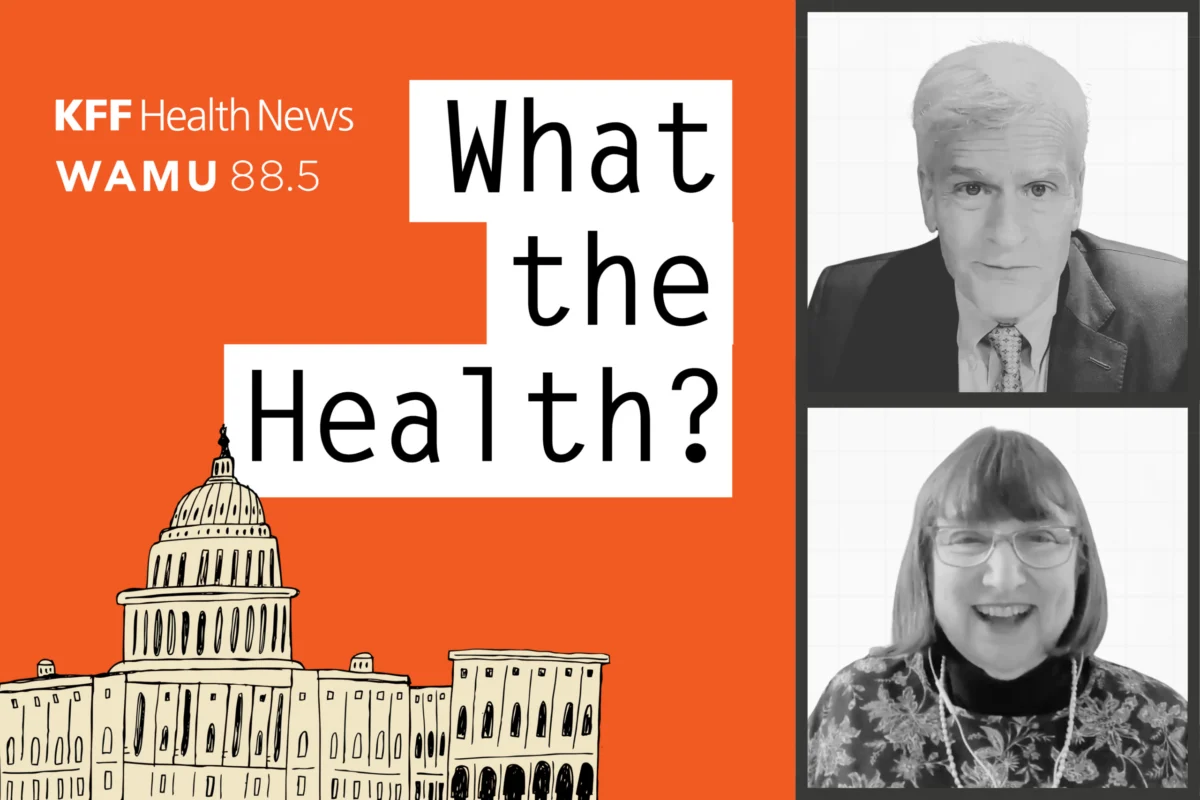
Senator Bill Cassidy, a prominent Republican voice on health policy and chairman of the Senate Health, Education, Labor, and Pensions (HELP) Committee, has acknowledged that former President Donald Trump’s proposed tariffs on imported generic drugs could lead to increased costs for American patients. However, he suggested this potential financial burden might be a justifiable price to pay for enhancing the nation’s pharmaceutical supply chain security.
In an exclusive interview with KFF Health News on July 22, Senator Cassidy stated, "The national security might be something worth paying for." This sentiment comes as the United States continues to grapple with persistent drug shortages, a vulnerability exacerbated by its significant reliance on foreign countries, particularly China, for the production of active pharmaceutical ingredients (APIs) – the core components of many medications. A study published last fall in JAMA Health Forum highlighted this dependency, noting that domestic facilities have increasingly shifted production or ceased operations altogether.
"Do we want China to have that sort of leverage for these drugs to be produced principally, maybe 99%, over there, and we don’t have access to them if tension rises between the two countries?" Cassidy, who is also a physician, questioned, underscoring the strategic implications of this reliance.
The former President’s proposal, articulated via a social media post on July 21, outlines a two-year grace period for generic drug companies to relocate their production back to the United States. Following this period, Trump intends to implement substantial tariffs: a 100% tariff on imported products in the first year, escalating to a 200% tariff in the subsequent year. This policy initiative targets generic drugs, which constitute an estimated 90% of all prescriptions filled in the U.S., indicating a broad potential impact on the accessibility and affordability of essential medicines for millions of Americans.
Cassidy, who has served in Congress since 2009, faced a political challenge in his recent bid for re-election. He lost his primary race in May after former President Trump endorsed a rival candidate, Representative Julia Letlow. This political dynamic adds a layer of complexity to his public pronouncements on Trump’s policy proposals.
Examining the Rationale: National Security and Pharmaceutical Independence
The core argument underpinning the proposed tariffs centers on bolstering national security by ensuring a robust and domestically controlled supply of essential medicines. The COVID-19 pandemic served as a stark reminder of the fragility of global supply chains, revealing how disruptions in one part of the world could have profound and immediate consequences for healthcare access in the United States. The reliance on China for APIs, particularly for antibiotics and other critical medications, has been identified as a significant geopolitical and public health risk.
According to the JAMA Health Forum study, the U.S. pharmaceutical industry has seen a decline in API manufacturing capacity over the past few decades. This trend has been driven by a combination of factors, including lower production costs overseas, stringent regulatory hurdles for new domestic facilities, and the prioritization of higher-margin drugs by some U.S.-based manufacturers. The result is a supply chain where the foundational elements of many widely used generic drugs originate from a single, or very few, foreign sources.
Cassidy’s perspective suggests that the economic costs associated with reshoring pharmaceutical manufacturing, potentially leading to higher prices for generic drugs, are a necessary investment to mitigate the risks of supply chain disruptions. These risks are amplified by geopolitical tensions, trade disputes, or even unforeseen global health crises that could cut off access to vital medications. The senator’s physician background likely informs his emphasis on the practical implications of drug availability for patient care.
The Proposed Tariff Mechanism and Timeline
Former President Trump’s proposal sets a clear, albeit aggressive, timeline for companies to comply with the reshoring mandate. The two-year window is intended to provide sufficient time for companies to establish or expand manufacturing capabilities within the U.S. The proposed tariff structure is designed to create a strong financial incentive for this relocation. A 100% tariff effectively doubles the cost of imported drugs, while a subsequent increase to 200% would make foreign-sourced generics prohibitively expensive for many consumers and healthcare providers.
The sheer volume of generic prescriptions filled in the U.S. – approximately 90% – means that any significant price fluctuation in this market segment would have widespread repercussions. Patient advocacy groups and pharmaceutical industry representatives have already begun to voice concerns about the potential economic impact on consumers, particularly those with fixed incomes or limited insurance coverage.
Broader Context: Cassidy’s Tenure and Recent Health Policy Debates
Senator Cassidy’s remarks on the drug tariffs are situated within a broader context of his long-standing engagement with health policy and his recent interactions with key figures within the Biden administration. His tenure in Congress, spanning from 2009, has seen him play a significant role in shaping legislation, including his co-authorship of the 2020 No Surprises Act, which aimed to protect patients from unexpected medical bills.
In a recent appearance on CBS News’ Face the Nation, Cassidy discussed his vote to confirm Robert F. Kennedy Jr. as the head of the Department of Health and Human Services (HHS). Cassidy stated that Kennedy had broken promises made to him during the confirmation process, specifically concerning changes to federal recommendations for childhood vaccines. This issue resurfaced as researchers at Johns Hopkins University reported in 2026 that the number of confirmed measles cases in the U.S. had surpassed the total for 2025, marking the highest incidence in 35 years.
Cassidy’s stance on Kennedy’s appointment highlights a recurring theme in his approach to health policy: balancing trust and oversight. He indicated that while he had asked for Kennedy to appear before the Senate HELP Committee to address these concerns, he had not yet received a response regarding his potential testimony. Kennedy had previously testified before the committee in April 2026 regarding the Trump administration’s fiscal year 2027 budget request for HHS.
Cassidy explained his rationale for supporting Kennedy’s nomination, stating he had trusted Kennedy’s assurances about not disparaging vaccines. "If they agree to guardrails and disregard those guardrails, you can judge me," Cassidy remarked, acknowledging the possibility that his judgment might be questioned but asserting his good faith in the decision. He further reasoned that Kennedy was likely to exert influence on the administration regardless of his official position, and therefore, having him in an appointed role allowed for greater public scrutiny and oversight. "I’m pretty sure that RFK was going to have the president’s ear whether he was in office or not," he commented.
Addressing Surprise Medical Bills and Price Transparency
Beyond the drug tariff debate and vaccine policy, Senator Cassidy also addressed the ongoing implications of the No Surprises Act. Despite reports indicating that healthcare providers have been awarded substantial sums through the arbitration system established by the law, Cassidy maintains that the act does not require significant modifications. The law was designed to shield patients from unanticipated bills for out-of-network care, a critical consumer protection measure.
However, an analysis by The Wall Street Journal revealed that providers received nearly $15 billion in disputed claims in 2025, more than tripling the $4.08 billion awarded in 2024. Cassidy’s perspective on this development emphasizes the importance of price transparency as a foundational element for ensuring fair deals in healthcare. "The initial step to make sure that people are getting their best deal is price transparency," he asserted.
In line with this focus, the Senate HELP Committee overwhelmingly approved the bipartisan Patients Deserve Price Tags Act on July 22. This legislation aims to expand the existing requirements for hospitals, insurers, and other healthcare providers to make their prices readily accessible to patients and employers. A similar bill has advanced through a House committee with bipartisan support, though the ultimate passage of either measure by the full House and Senate remains uncertain.
Future of Healthcare Policy and Cassidy’s Agenda
The interview with Senator Cassidy was part of KFF Health News’ ongoing "How Would You Fix It?" series, a platform for prominent figures to discuss their approaches to critical healthcare challenges. Cassidy also touched upon his "Money and Value for Patients" proposal, indicating his continued commitment to addressing healthcare affordability and value.
An abbreviated version of this interview was featured in Episode 456 of What the Health? From KFF Health News, titled "A Shrinking Safety Net," which aired on July 23, 2026. This broader discussion underscores the multifaceted nature of healthcare policy debates, encompassing drug supply chain security, public health mandates, patient cost protection, and the overarching goal of ensuring accessible and affordable care for all Americans. The potential economic impact of the proposed drug tariffs remains a significant point of discussion, with policymakers and stakeholders carefully weighing the perceived benefits of enhanced national security against the immediate concerns of patient affordability.

