

As the nation approaches a solemn milestone, the family of fallen Fire Department of New York (FDNY) firefighter Stephen Siller is preparing to honor his extraordinary sacrifice on the 25th anniversary of the September 11 terrorist attacks. Frank Siller, CEO of the Tunnel to Towers Foundation, alongside other members of the Siller family, will participate in a private, reflective walk retracing Stephen’s historic final steps through the Brooklyn-Battery Tunnel toward the World Trade Center site.
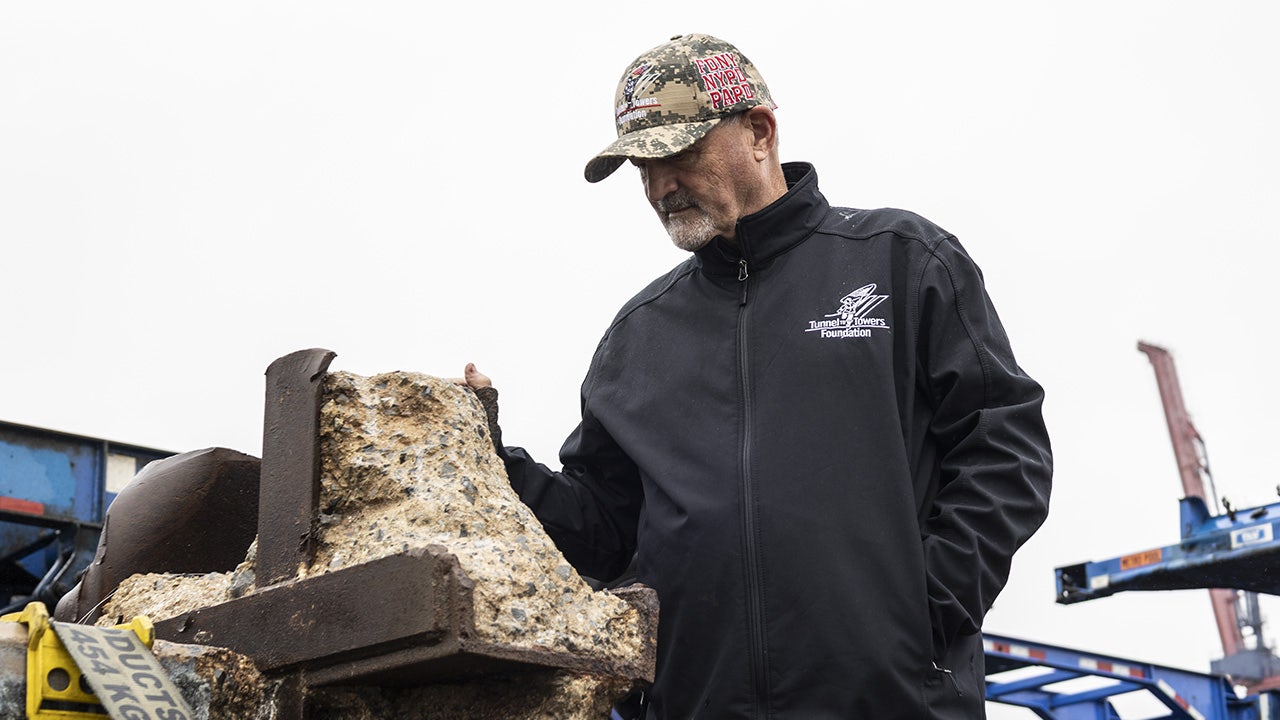
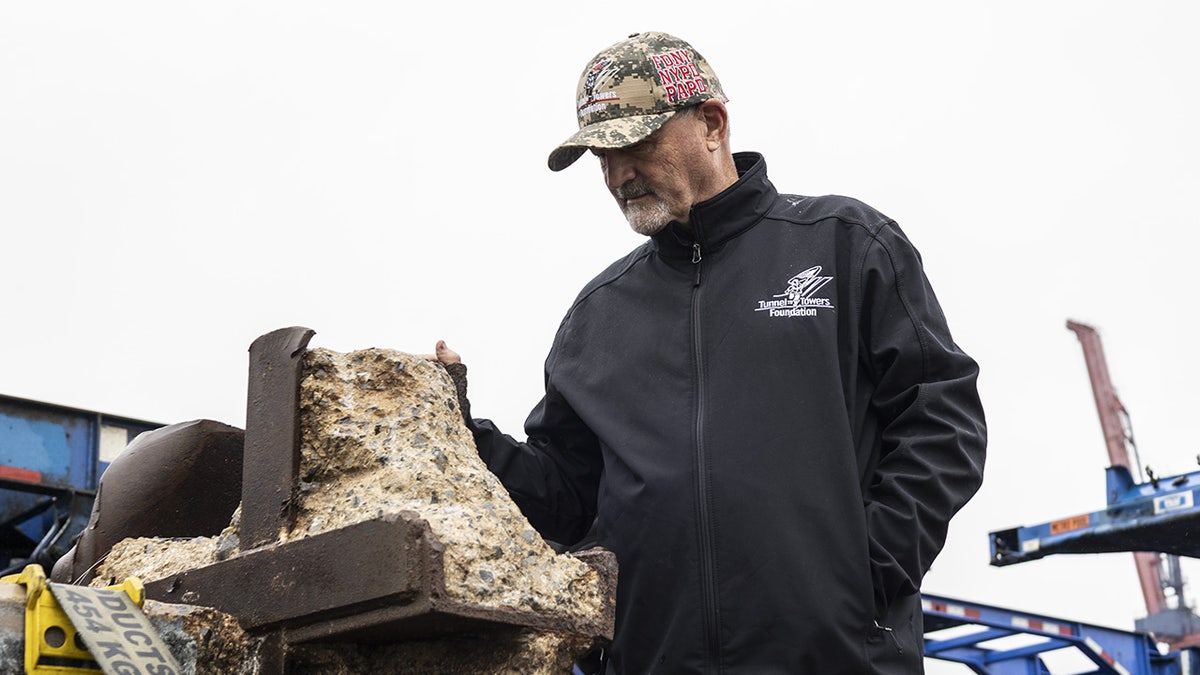
This deeply personal journey will serve as the emotional crescendo of the Tunnel to Towers Foundation’s nationwide Steel Across America tour. Since launching in May, the tour has traveled extensively across the country, carrying a powerful piece of American history—a 21-foot structural steel beam salvaged from the South Tower of the World Trade Center. Following the private morning walk, the Siller family and the touring artifact will be welcomed by hundreds of friends, supporters, and fellow first responders at the historic FDNY Ten House, located directly across from the World Trade Center complex in Lower Manhattan.
The commemoration underscores a quarter-century of resilience, remembrance, and the enduring mission of the Tunnel to Towers Foundation, an organization that has grown from a family tragedy into one of the most prominent veterans’ and first responders’ support charities in the United States.
The Heroism of Stephen Siller: A Timeline of Courage on September 11, 2001
To fully understand the gravity of the upcoming anniversary, historians and public safety advocates frequently look back at the harrowing chronology of September 11, 2001—a day that permanently altered the geopolitical landscape of the world and the domestic security framework of the United States.
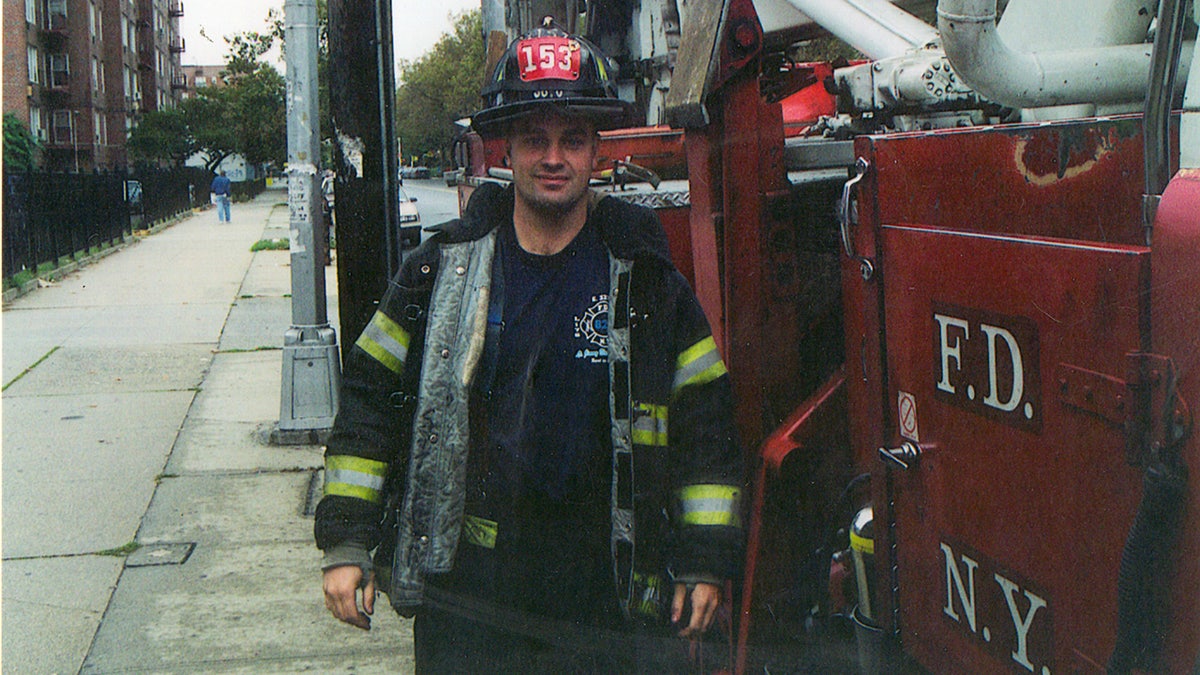
On that fateful Tuesday morning, Stephen Siller had just completed a demanding overnight shift as a firefighter assigned to Squad 1 in Park Slope, Brooklyn. Off duty and heading home to spend time with his wife, Sarah, and their five children, Siller heard the initial reports on his truck’s radio that a commercial airliner had crashed into the North Tower of the World Trade Center.
Without hesitation, Siller turned his vehicle around and headed toward Lower Manhattan. By the time he reached the entrance of the Brooklyn-Battery Tunnel—which connects Brooklyn to the southern tip of Manhattan—law enforcement and security personnel had already closed the tunnel to vehicular traffic out of fear of additional coordinated attacks.
Faced with an impassable barrier and a city under siege, Siller refused to turn back. He strapped approximately 60 pounds of heavy firefighting gear, air tanks, and rescue equipment to his back and ran the length of the 1.7-mile tunnel on foot. Evolving accounts from that morning place him exiting the Manhattan side of the tunnel and pressing onward into the financial district, ultimately arriving at the burning Twin Towers. Siller made the ultimate sacrifice that morning, giving his life alongside 342 of his fellow FDNY brothers while helping to evacuate thousands of civilians from the collapsing skyscrapers.
The Genesis of the Tunnel to Towers Foundation
In the wake of the national tragedy, Stephen Siller’s surviving siblings sought a way to honor his memory while ensuring that his selfless dedication to helping others would live on. Led by his brother Frank Siller, the family established the Tunnel to Towers Foundation. Guided by Stephen’s favorite biblical phrase—derived from Galatians 6:10, "While we have time, let us do good"—the organization initially set out to recreate the annual Stephen Siller Tunnel to Towers Run in New York City, tracing his exact path through the Brooklyn-Battery Tunnel.
Over the past two and a half decades, that localized tribute has expanded into a massive national institution. The foundation has steadily broadened its scope from a localized memorial race into a multifaceted powerhouse of charitable housing assistance, educational outreach, and veteran advocacy.
According to organizational data, the foundation has successfully provided more than 1,700 mortgage-free homes to the surviving families of fallen service members, police officers, firefighters, and emergency medical personnel. Additionally, the charity has extended critical housing assistance and comprehensive support services to more than 20,000 homeless veterans across the United States. These initiatives have positioned Tunnel to Towers as a vital safety net for individuals who sustained catastrophic injuries or lost primary breadwinners in the line of duty, both during the post-9/11 conflicts in Iraq and Afghanistan and in domestic public safety operations.
The Steel Across America Tour and the 343 Homes Initiative
As part of the lead-up to the 25th anniversary, the Steel Across America tour has served as a rolling monument to the resilience of the American spirit. The 21-foot steel beam from the South Tower of the World Trade Center has traveled to nearly all 50 states and parts of Canada, stopping at military installations, state capitals, schools, and community centers. The tour has offered millions of Americans—many of whom were too young to remember the events of 2001 or were born in the years following—a tangible connection to the history of that day.
At every stop, the artifact has sparked critical conversations about patriotism, civic duty, and the invisible scars carried by military veterans and first responders. To further amplify this educational mission, the Tunnel to Towers 9/11 Institute has developed robust kindergarten-through-12th-grade educational curricula. These programs are designed to teach younger generations about the extraordinary heroism demonstrated by everyday citizens on September 11, while framing the tragedy within a broader context of national unity and democratic resilience.
In alignment with the 25th-anniversary milestone, the foundation also rolled out its ambitious 343 Homes Initiative. Named explicitly to honor every single FDNY firefighter who perished on September 11, the initiative aims to deliver 343 mortgage-free homes to a combination of fallen service members’ families, fallen first responder families, and catastrophically injured combat veterans nationwide. Leadership at the foundation notes that this campaign represents a fitting tribute to the fallen department, ensuring that the legacy of the 343 firefighters continues to build safe, secure futures for those who wear the uniform today.
Broader Impact, Sociological Analysis, and Public Sentiment
The 25th anniversary of September 11 arrives at a complex juncture in modern American history. Sociological analysts and cultural commentators point out that a full generation has now passed since the terrorist attacks, meaning a majority of the current U.S. workforce and student population possesses no direct, living memory of the events.
Recent demographic and polling data underscore a shifting national landscape regarding patriotism, historical awareness, and civic engagement. Organizations like Tunnel to Towers argue that sustained, physical acts of remembrance—such as the Brooklyn-Battery Tunnel walk, the cross-country transit of World Trade Center steel, and hands-on veteran support—are more critical than ever to bridge the generational divide.
By tying historical commemoration directly to active philanthropy, the foundation has managed to sustain public engagement well beyond the traditional anniversary news cycle. Rather than allowing the memory of 9/11 to be confined exclusively to textbooks or solemn yearly broadcasts, initiatives like the 343 Homes Initiative and the mobile museum exhibits translate grief and historical trauma into tangible community support.
As Frank Siller and his family take their quiet, reflective steps through the subterranean gloom of the Brooklyn-Battery Tunnel this September, they will not only be walking in the footsteps of a beloved brother, husband, and father. They will be demonstrating to a watching nation that memory, when wedded to purposeful action, possesses the enduring power to heal, protect, and uplift generations to come.

