
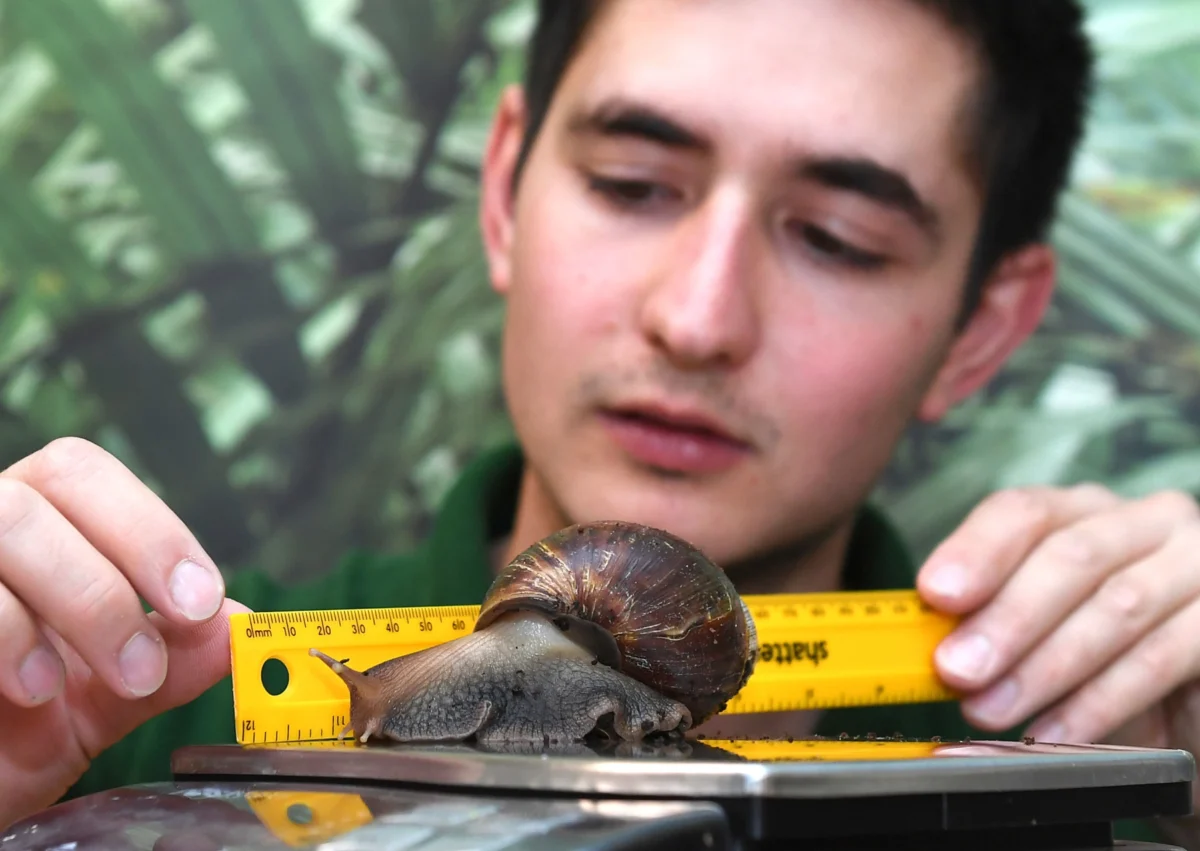
A significant milestone in international conservation biology has been reached as 500 adult Partula snails, bred under the meticulous care of the Detroit Zoological Society in Royal Oak, Michigan, have begun a critical journey toward their ancestral home in French Polynesia. This shipment, which recently made a strategic transit stop at the St. Louis Zoo in Missouri for dietary stabilization, represents more than just a simple animal transfer; it is a vital component of a decades-long, multi-institutional effort to reverse the catastrophic decline of a genus that was once written off as extinct in the wild.
The snails, which are being transported via priority overnight shipping using specialized climate-controlled packaging and phase-change materials to ensure their survival, are destined for release into the wild in Tahiti. This operation is part of an ongoing, coordinated recovery program involving zoological institutions worldwide that have collectively returned over 17,000 individual snails to their native habitats.
A Legacy of Loss: The Decline of the Partula Snail
To understand the gravity of this reintroduction, one must examine the ecological history of the South Pacific. Partula snails, often referred to as Polynesian tree snails, are iconic components of the island ecosystems of French Polynesia. Beyond their biological importance, they hold significant weight in the cultural heritage of the region, where individual shell patterns and colorations have historically been associated with specific islands.
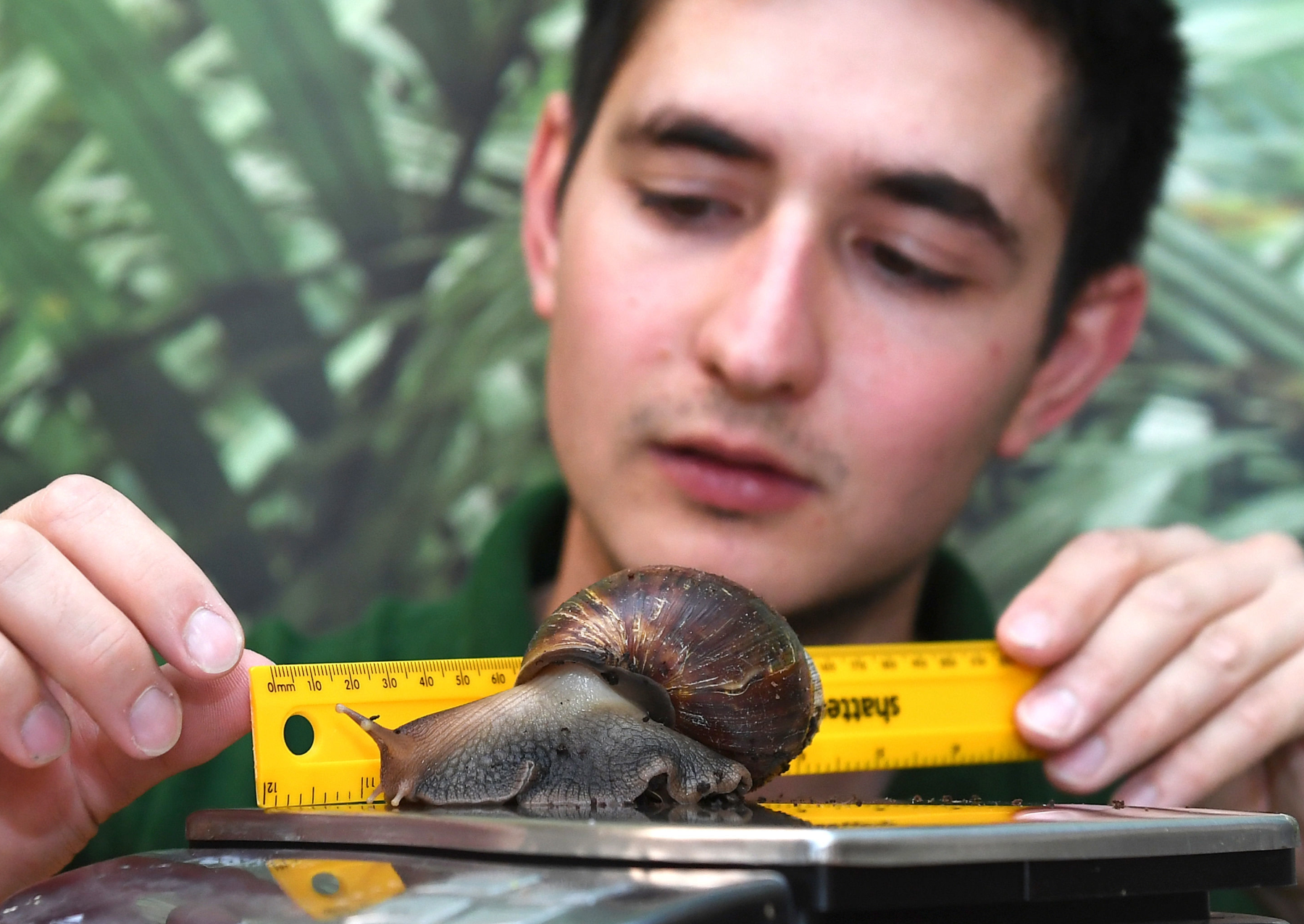
The crisis began in the mid-20th century, largely due to human interference. In an attempt to control the population of an invasive giant African land snail that was damaging agricultural crops, authorities introduced the rosy wolf snail (Euglandina rosea) to the islands. The predatory rosy wolf snail did not discriminate between the invasive species and the native Partula snails. Because the native snails had no evolutionary defense against this aggressive predator, the population of Partula snails plummeted with terrifying speed. By the 1980s and 1990s, many species were declared extinct in the wild, leaving the remaining populations entirely dependent on captive breeding programs in zoos across the United States and Europe.
Chronology of Recovery: From Captivity to Reintroduction
The road to the 2026 release has been paved by decades of rigorous scientific research and institutional collaboration. The timeline of this recovery is a testament to the persistence of conservationists:
- 1980s–1990s: The "extinction crisis" peaks as the rosy wolf snail wipes out numerous native Partula species. International zoos begin "emergency rescue" captive breeding programs to prevent complete extinction.
- Early 2000s: Focused efforts are directed toward managing captive populations and identifying "safe" environments within the islands where the predatory snails can be excluded or controlled.
- 2010s: Pilot reintroductions begin, providing critical data on the survival rates of captive-bred snails in the wild.
- 2020–2025: Scaling of efforts takes place, with zoos like the Detroit Zoo and the Audubon Nature Institute in New Orleans intensifying their breeding cycles to provide larger cohorts for release.
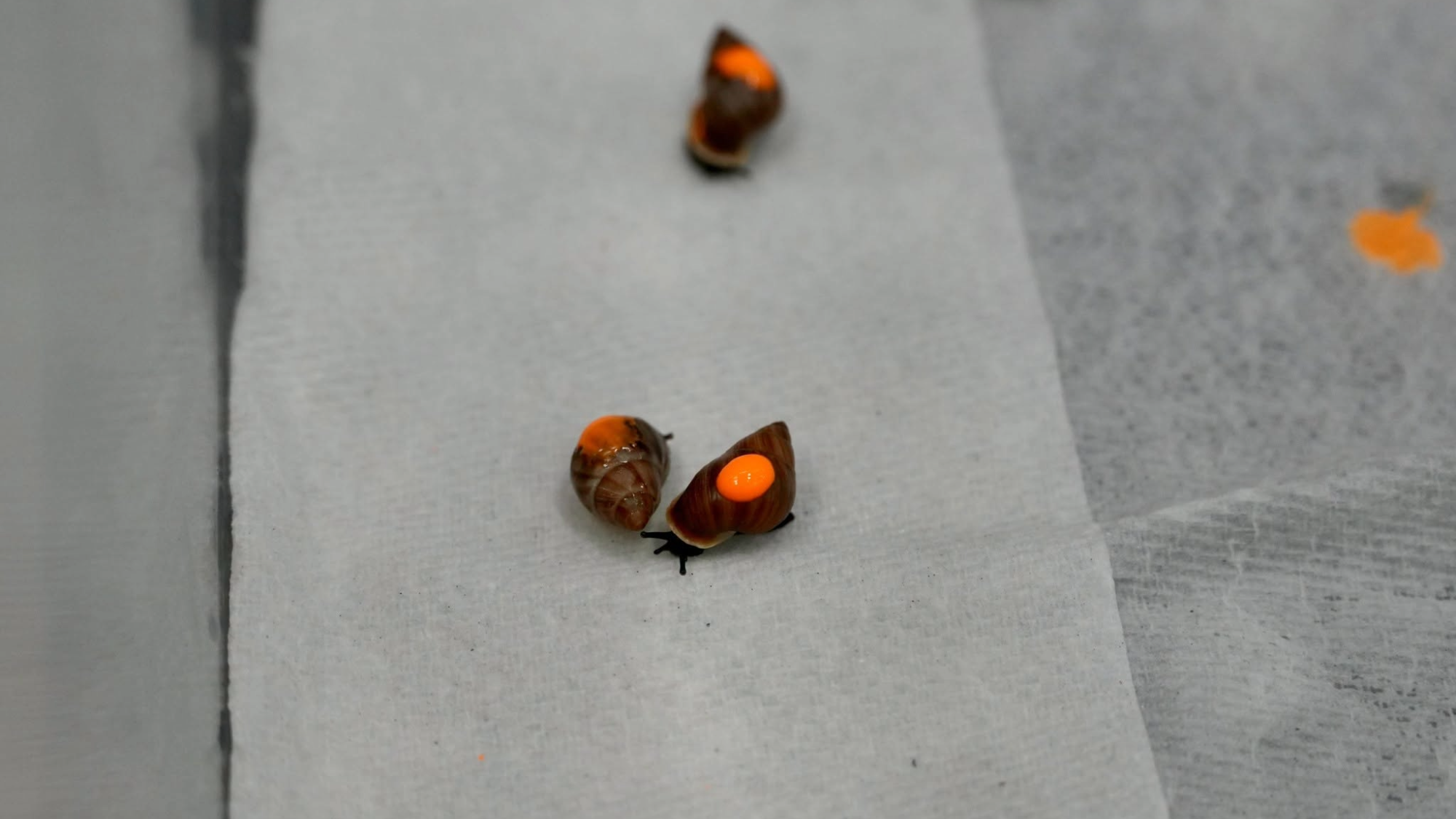
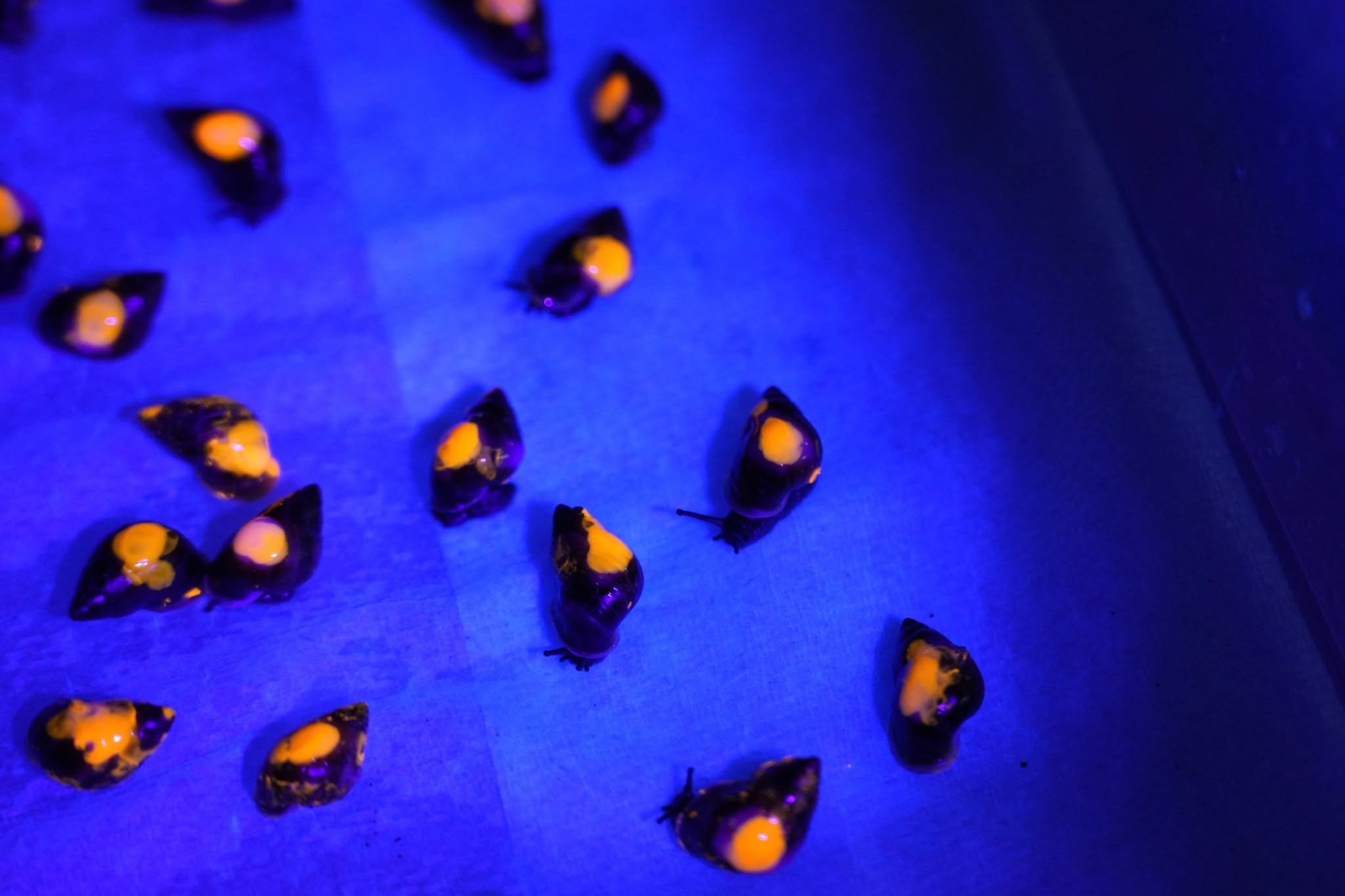
- September 2026: The current cohort of 500 snails from the Detroit Zoo is prepared for release, marked with ultraviolet-reactive, non-toxic orange dots to facilitate long-term tracking.
Technical Logistics: Ensuring Survival in Transit
The logistical demands of moving hundreds of live invertebrates across the globe are substantial. Mark Vassallo, the Curator of Amphibians at the Detroit Zoological Society, explains that the process is highly controlled to minimize stress on the organisms. The snails are housed in custom containers that maintain humidity and temperature stability—factors critical for the survival of delicate, moisture-dependent mollusks.
The stop at the St. Louis Zoo is not merely a logistical convenience; it is a biological necessity. Upon arrival, the snails are provided with a specific, nutrient-dense diet designed to prepare their metabolic systems for the transition from the protected, predictable environment of the zoo to the complex, competitive environment of the Tahitian rainforest. This "soft-landing" approach, which involves acclimation and nutritional priming, has become a standard protocol for the reintroduction of endangered species.
Monitoring and the UV-Tracking Initiative
A critical innovation in this year’s release is the use of animal-safe, UV-reflective paint on the shells of the snails. This marking system allows field biologists in Tahiti to conduct night-time surveys using UV flashlights. By identifying the specific color-coded markings—in this case, orange for the 2026 cohort—researchers can effectively monitor the growth, movement, and survival of these specific individuals.
This data is invaluable for assessing the health of the reintroduced populations. By tracking how these individuals interact with the environment, researchers can refine their strategies for future releases. The ability to distinguish between different release years also allows for long-term demographic studies, helping to determine if the reintroduced snails are successfully reproducing in the wild.
Defining Success in Conservation
Success in a project of this scale is rarely immediate. As Vassallo notes, the ultimate goal is not just the presence of the animals, but the establishment of a self-sustaining population. This involves several benchmarks:
- Survival: A high percentage of the released individuals must survive the initial transition period.
- Reproduction: The individuals must reach sexual maturity and successfully produce offspring in the wild.
- Recruitment: These wild-born offspring must themselves survive and reproduce, indicating that the population is growing without further intervention.
- Habitat Protection: The local environment must remain free of the invasive predators that caused the initial collapse, requiring ongoing habitat management and invasive species control by local authorities and conservation partners.
The fact that experts have already observed wild-born offspring of previously "extinct-in-the-wild" species, such as Partula nodosa, provides significant optimism. It confirms that the captive-bred individuals retain the necessary instincts and biological fitness to thrive once they are returned to their natural range.
Broader Implications for Global Biodiversity
The success of the Partula snail project serves as a compelling model for "ex-situ" conservation—the practice of protecting species outside their natural habitat. In an era where climate change and invasive species are putting unprecedented pressure on island ecosystems, the work being done in Detroit, St. Louis, and New Orleans provides a roadmap for how specialized zoos can function as biological insurance policies.
However, the implications go beyond just the snail. These programs underscore the importance of international cooperation. No single zoo or nation could have saved these species in isolation. The synergy between research institutions, local government bodies in French Polynesia, and logistical partners like courier services has created a resilient network capable of managing complex biological operations.
As the 500 snails complete their journey, the international conservation community watches with keen interest. The recovery of the Partula snail is a slow, methodical process, but it is one that offers a tangible victory against the backdrop of global biodiversity loss. If the 2026 cohort follows the path of its predecessors, it will represent another successful step toward restoring the ecological balance of the South Pacific, ensuring that these small, shell-bearing residents can once again claim their place in the wild.
While the threats to island ecosystems remain significant, the sustained investment in these programs demonstrates that even the smallest species can be brought back from the brink of oblivion through rigorous scientific application and persistent, multi-generational effort.

