
The annual celebration of ursine biology and survival, Fat Bear Week, has reached a fever pitch as the competition moves into its second round. Following a series of high-stakes matchups on September 25, 2026, the bracket has been whittled down to a selection of the most formidable brown bears in Katmai National Park. The tournament, which serves as both a public engagement tool for the National Park Service and an educational platform regarding the biological necessities of hibernation, continues to draw global interest. As the bears prepare for the upcoming winter, the public has been tasked with voting for the individuals that have most successfully transformed the salmon-rich waters of the Brooks River into the essential fat reserves required for their survival.
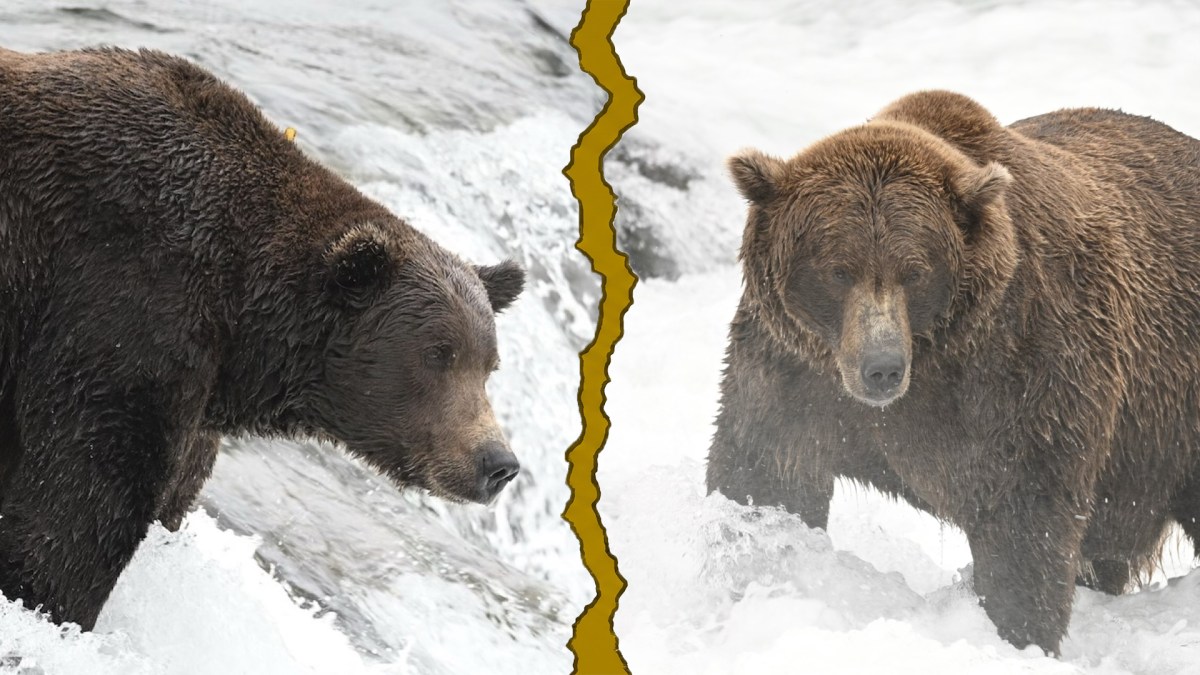
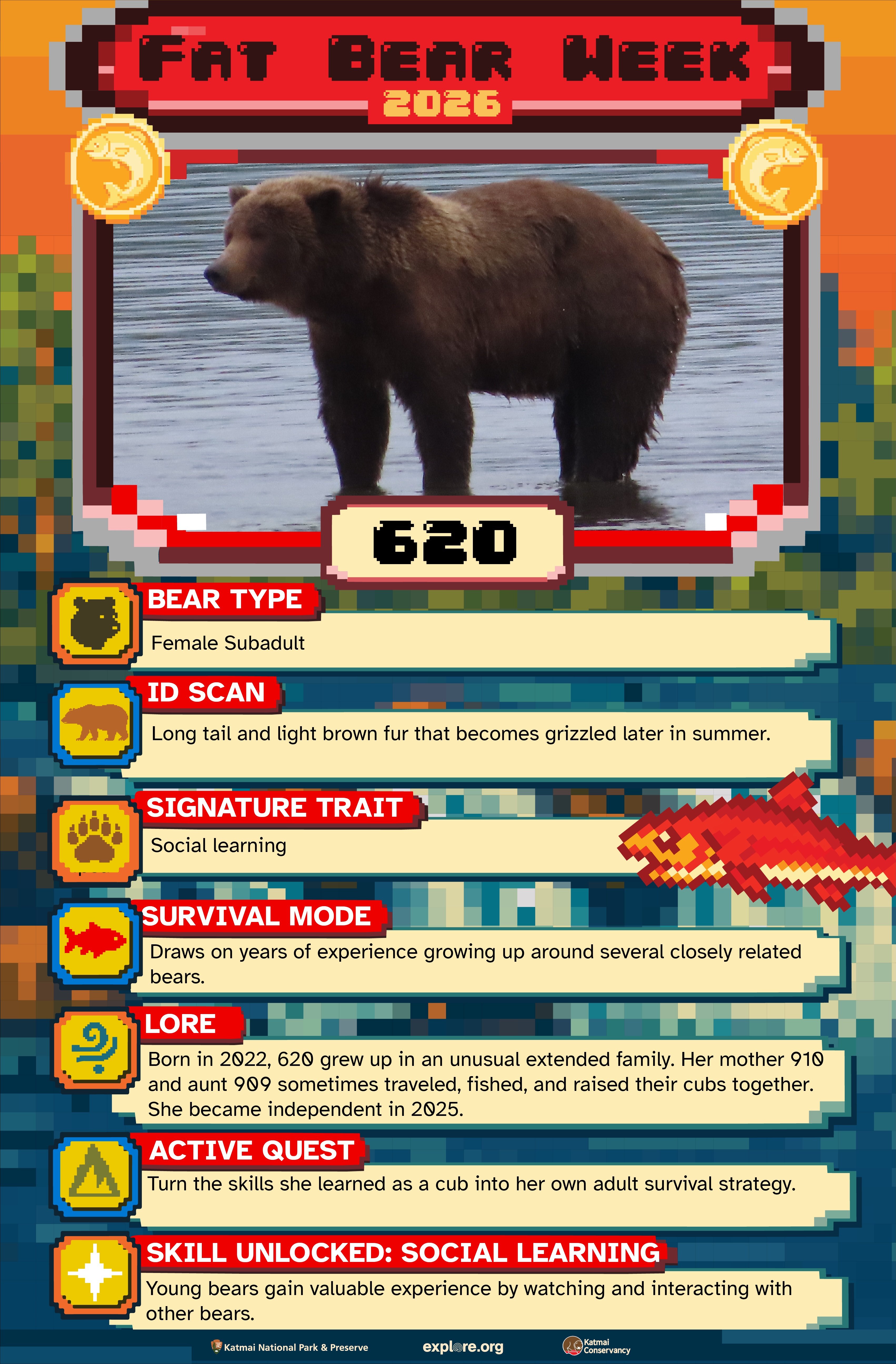
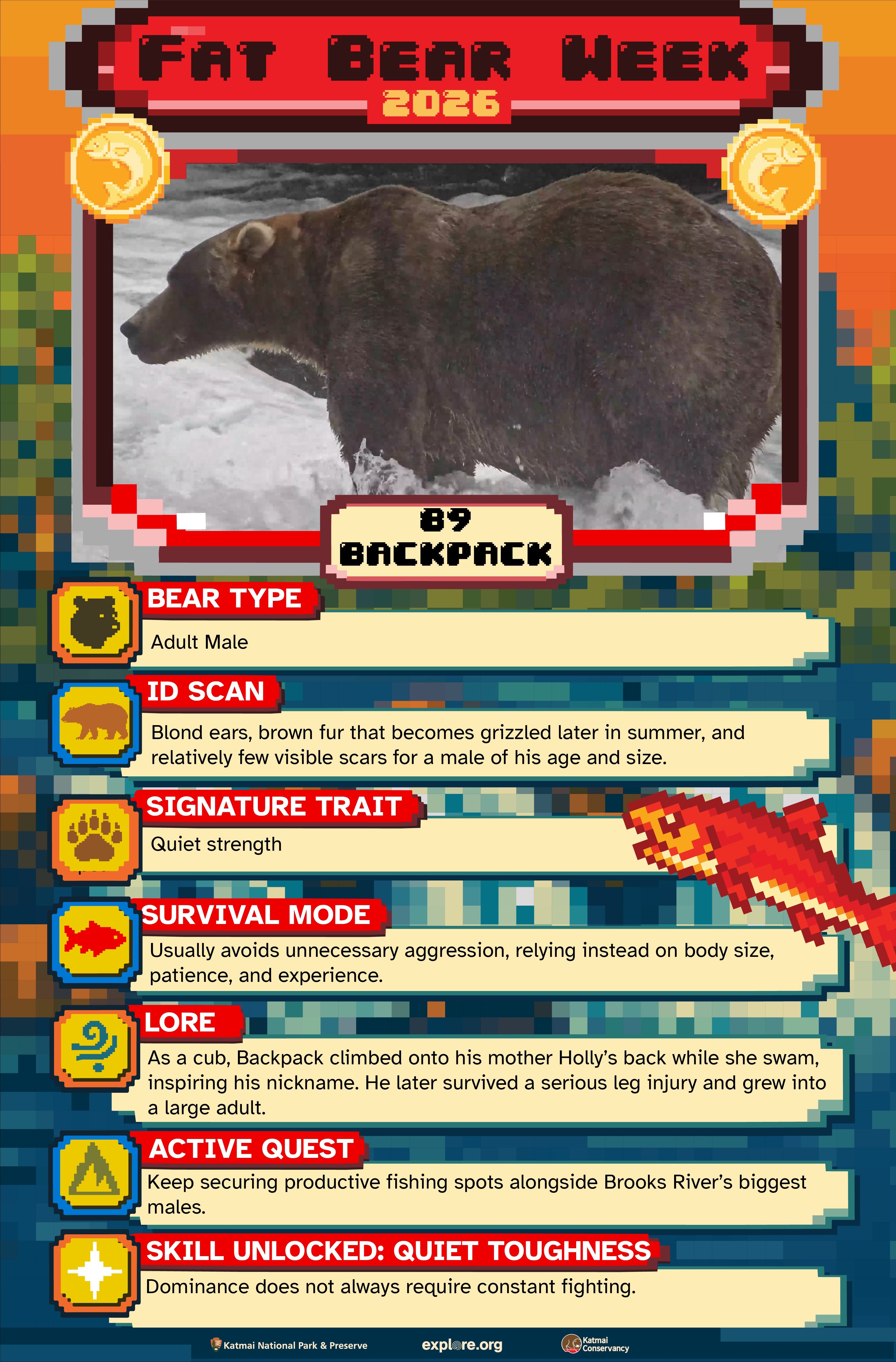
The results from the most recent voting cycle saw Bear #164, known as Bucky Dent, secure a significant victory over the seasoned Brooks River regular Bear #151, Walker. In a display of maternal resilience, the family of Bear #132 successfully moved forward in the bracket by defeating the family of Bear #806. Additionally, a sibling rivalry concluded with Bear #910 prevailing over her sister, Bear #909. Perhaps the most striking result of the day occurred in the match between Bear #89, affectionately known as Backpack, and Bear #620, where Backpack secured his advancement with a commanding margin of more than 95 percent of the total vote.
Understanding the Biological Significance of Fat Bear Week
Fat Bear Week is not merely a social media phenomenon; it is a critical opportunity for scientists and park rangers to highlight the biological imperative of hyperphagia. In the months leading up to winter, brown bears in Alaska enter a period of excessive eating to prepare for months of dormancy. During this time, they must accumulate enough body fat to survive the winter and, for females, to sustain the metabolic demands of pregnancy and lactation.
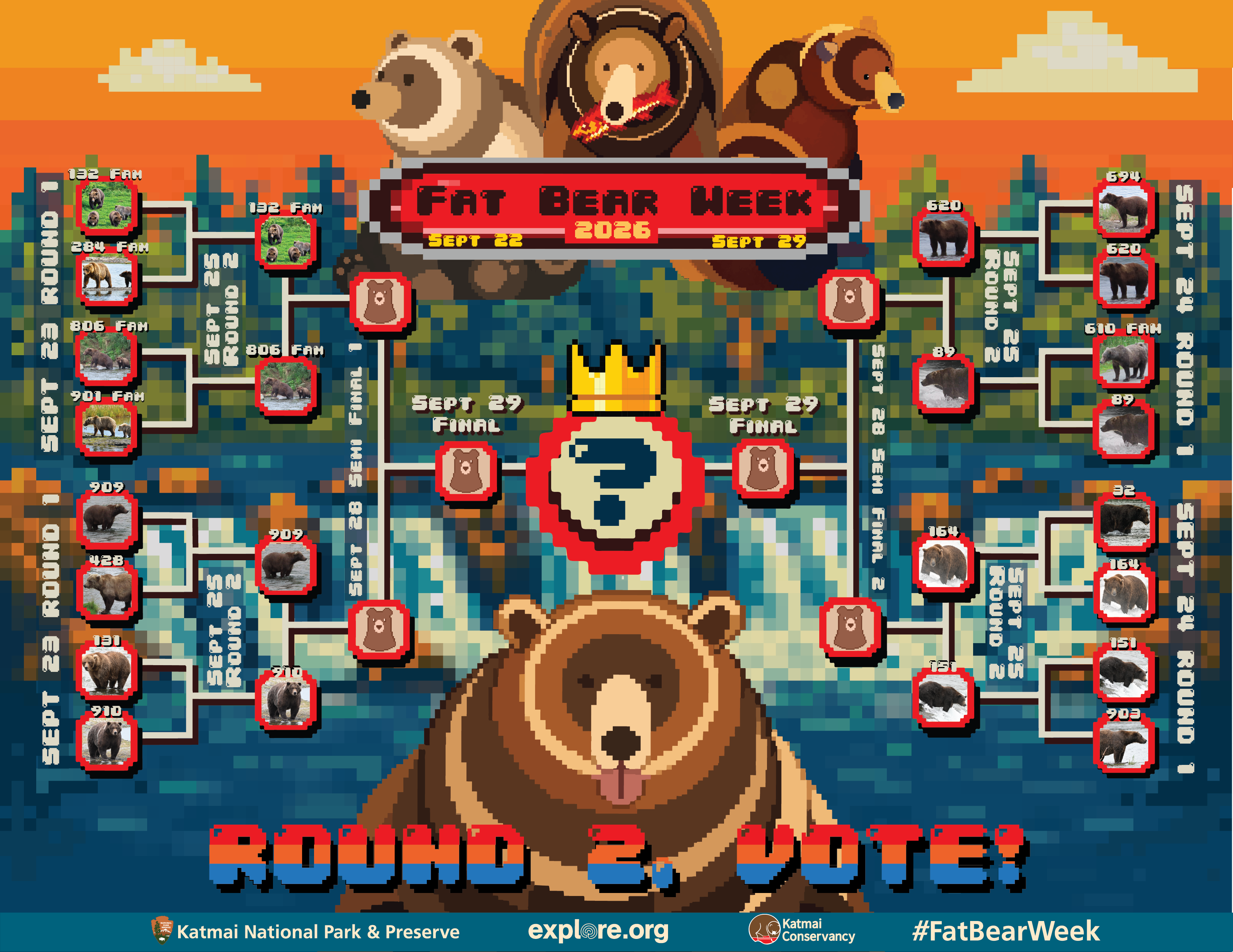
The competition utilizes a bracket-style format where the public votes on which bear appears to have gained the most significant weight. This subjective measurement is grounded in the reality of the ecosystem. The bears that secure the best fishing spots at the Brooks River Falls are generally the ones that thrive. The competition effectively gamifies the scientific observation of animal behavior, encouraging the public to engage with the complex life histories of individual bears that have been tracked by the National Park Service for years.
A Chronology of the 2026 Tournament
The 2026 season has been marked by both triumph and tragedy, providing a poignant reminder of the harsh realities of the Alaskan wilderness. The season began with the usual anticipation as bears gathered at the Brooks River to take advantage of the salmon run. However, the summer of 2026 became notable for several unconventional behavioral events.
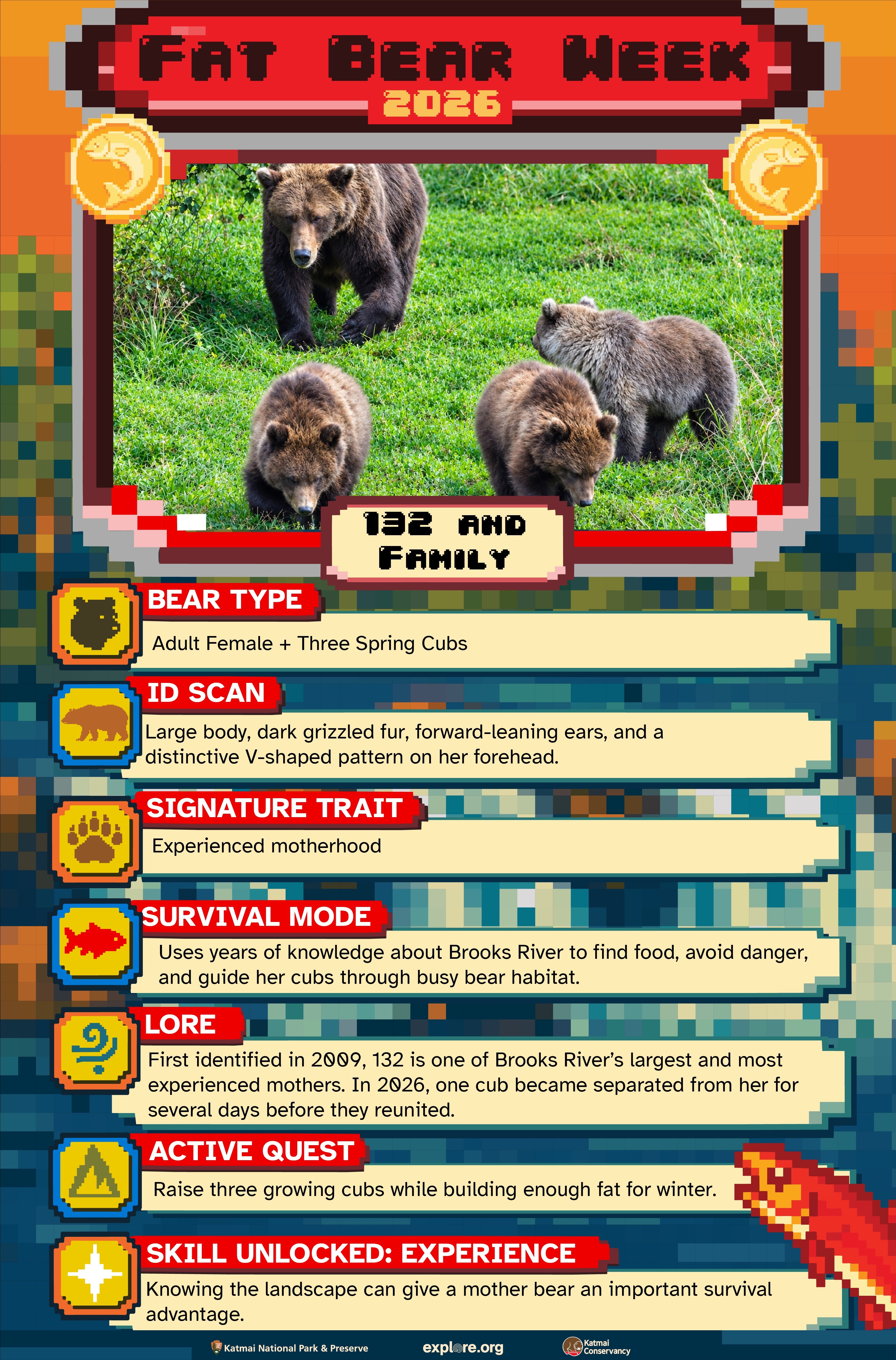
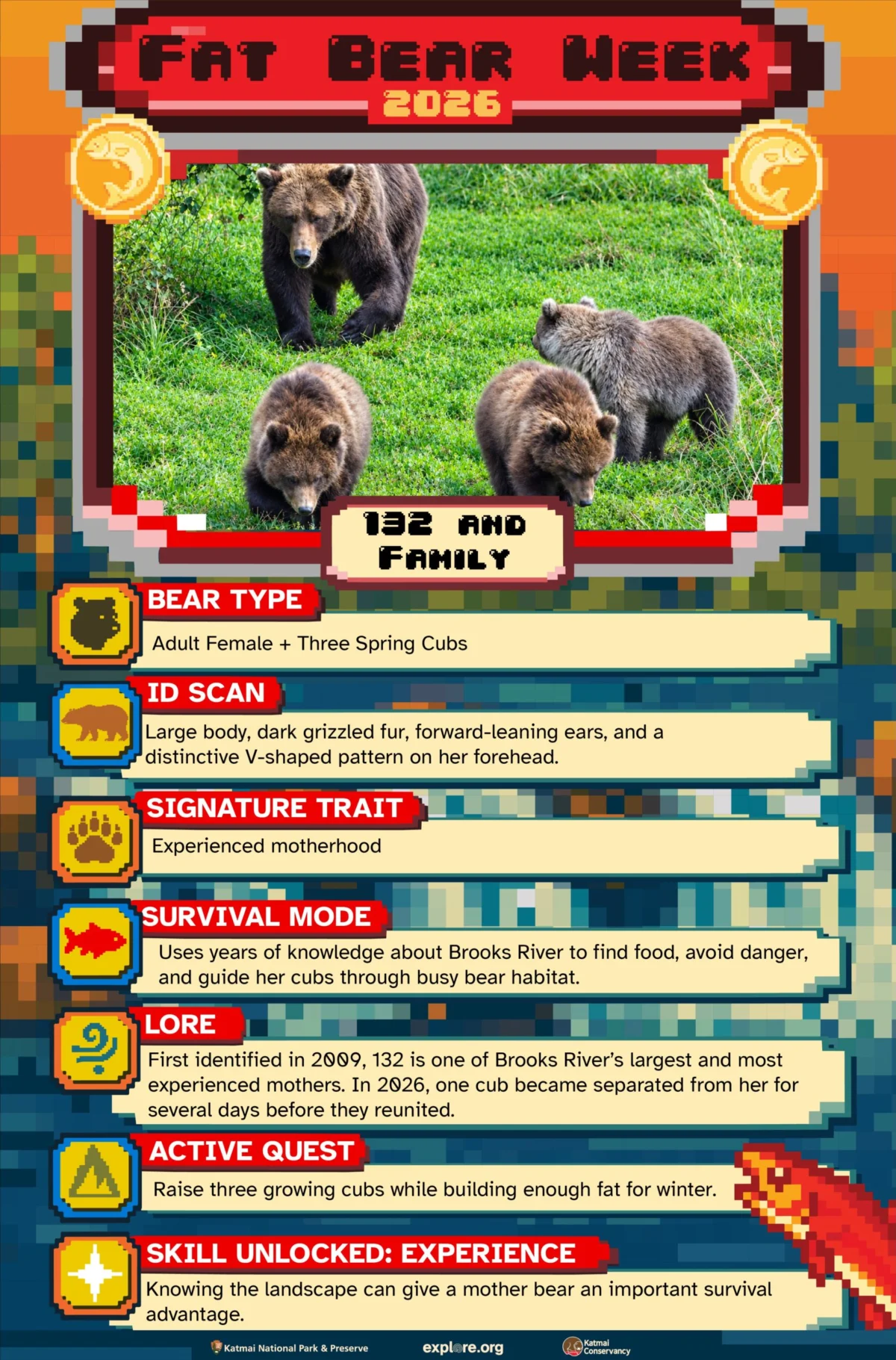
In mid-July, the family of Bear #132 faced a perilous situation when one of her spring cubs became separated from the group. For several days, the cub wandered the river alone, a situation that usually results in a negative outcome for a young bear. Through sheer chance and survival instinct, the cub eventually reunited with its mother, a narrative that captivated observers and solidified support for Bear #132’s first-ever appearance in the Fat Bear Week bracket.
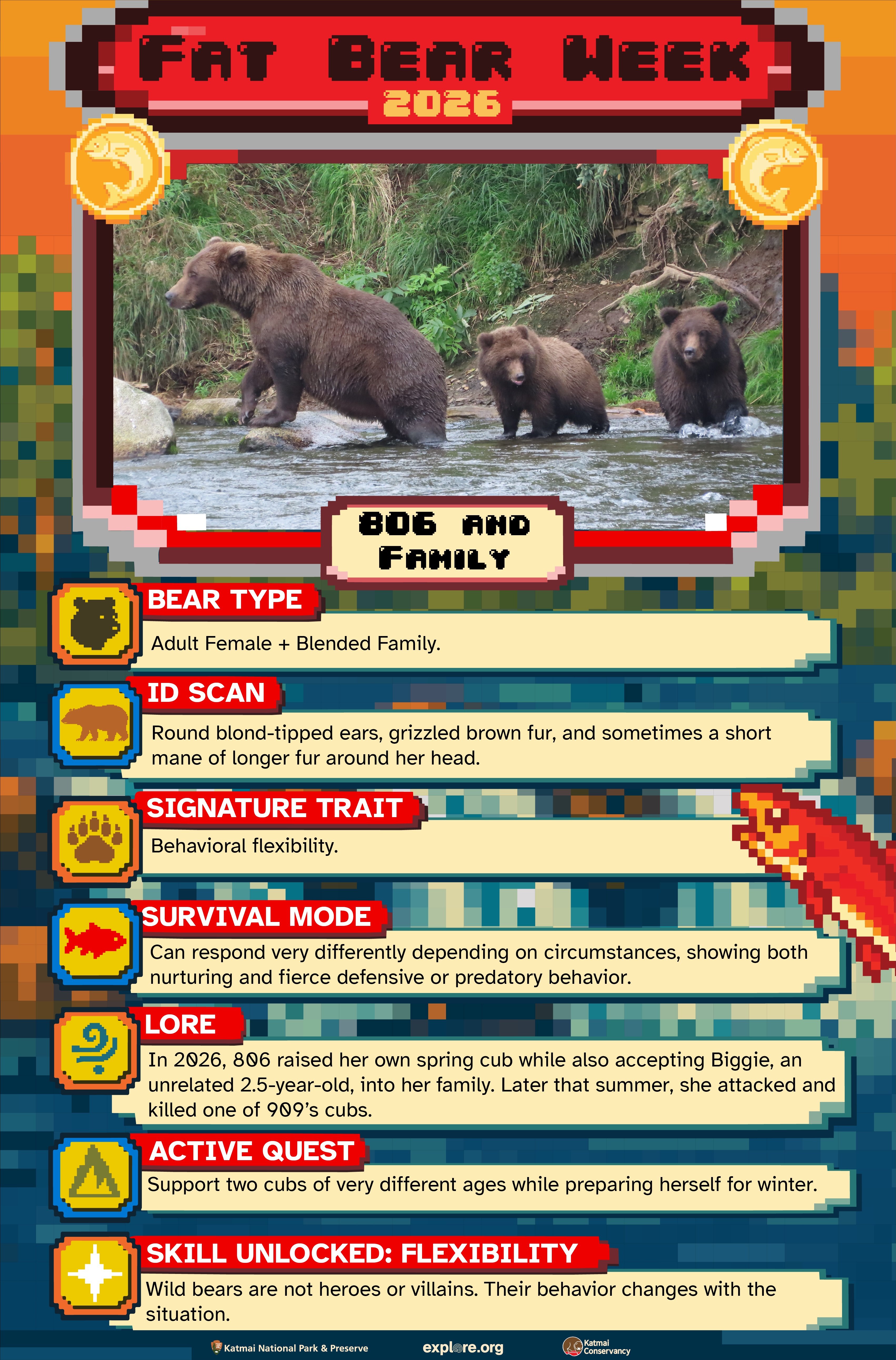
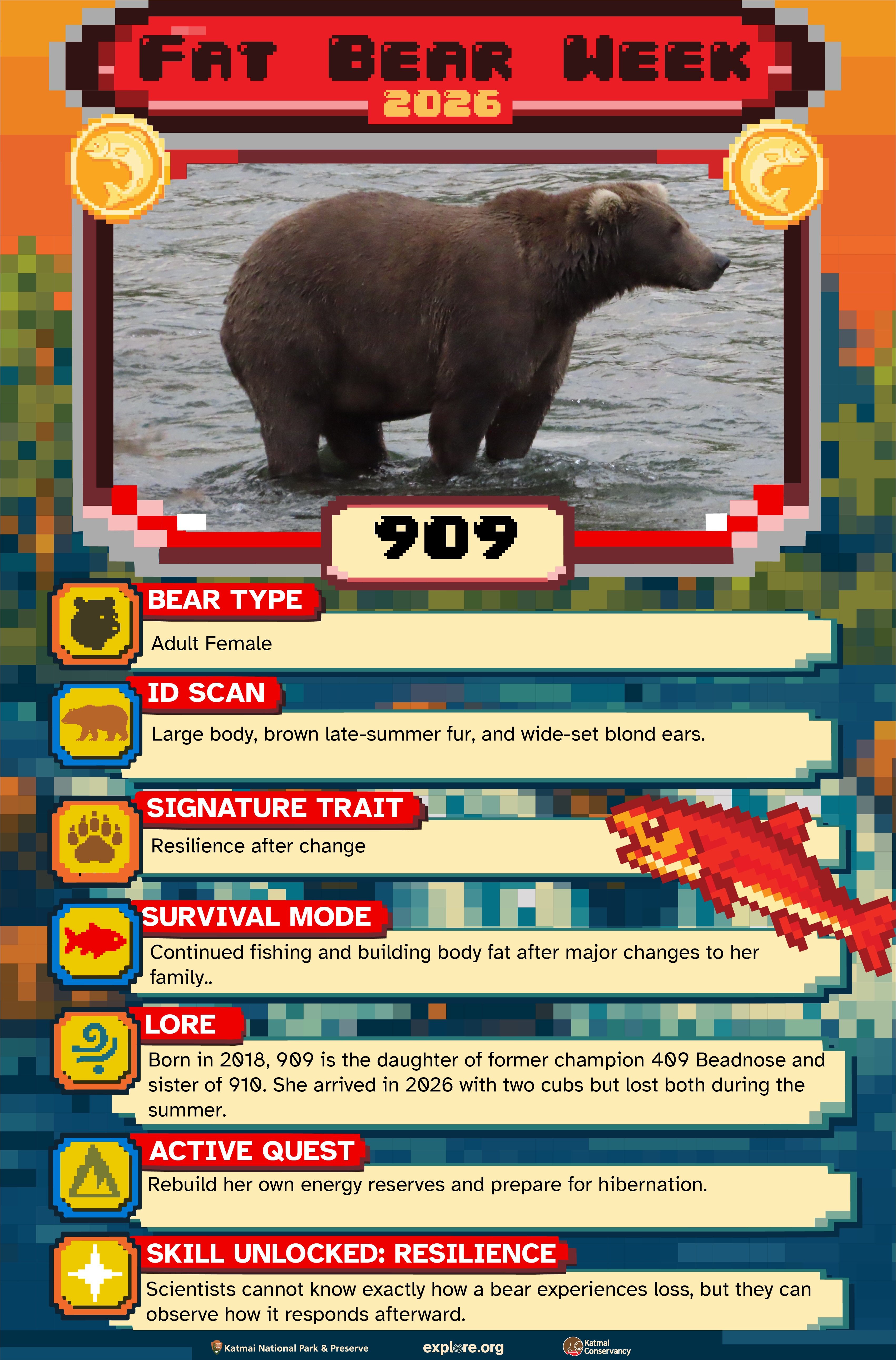
Conversely, the story of Bear #806 introduced a darker element to the season. On July 28, 2026, rangers documented an instance of inter-species aggression that resulted in the death of a spring cub belonging to Bear #909. This event, later identified as a rare case of infanticide by an adult female, was captured by park webcams and sparked significant scientific discourse. Despite this, Bear #806 and Bear #909 both entered the competition, forcing voters to reconcile their admiration for the bears’ survival skills with the often-violent reality of their existence.
Analyzing the Contenders and Family Dynamics
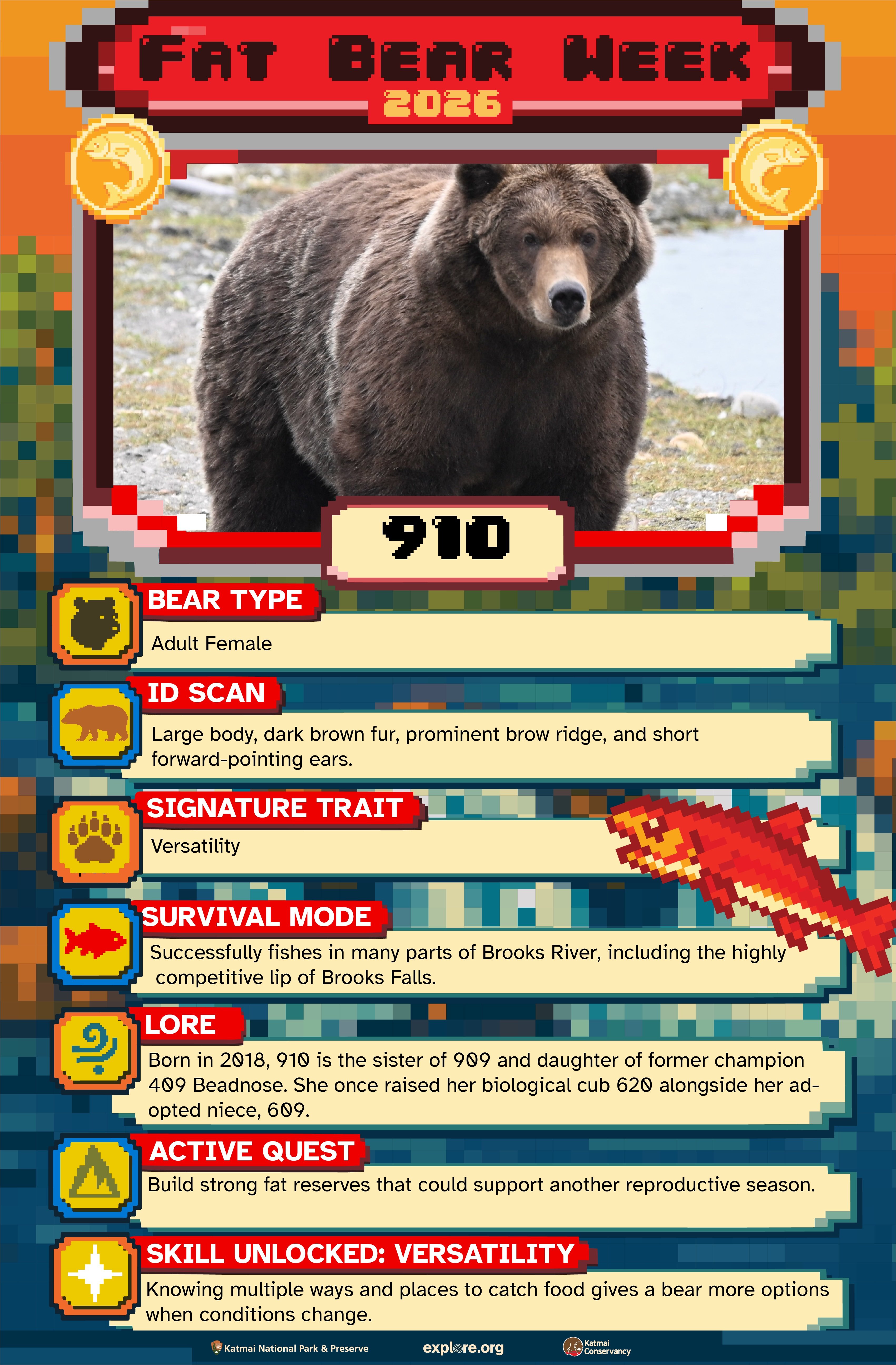
The bracket for the second round highlights the intricate social structures and family lineages present within the Katmai bear population. The competition between Bear #909 and Bear #910 is particularly notable, as it represents a clash between two sisters who have been central to the park’s most fascinating social developments. In 2022, Bear #910 engaged in an exceptionally rare act of cross-family adoption, integrating her sister’s yearling into her own family unit. This behavior challenged previous assumptions regarding the solitary nature of brown bears and has made both sisters perennial favorites among researchers and the public alike.
The upcoming matchup between Bear #132 and her cubs against Bear #910 represents a clash of distinct survival strategies. While Bear #132 is celebrated for her recent success in keeping her family intact after a near-loss, Bear #910 is recognized for her role in the "Brady Bunch" blended family, a testament to the adaptability of brown bears in resource-rich environments.
On the other side of the bracket, the contest between Bucky Dent (#164) and Backpack (#89) showcases the transition of younger bears into adulthood. Bucky Dent has gained notoriety for his innovative fishing techniques, having discovered a way to harvest salmon from the depths of the plunge pool—a skill that has allowed him to compete with much larger, more established males. Backpack, meanwhile, has been a symbol of resilience since his yearling days, when a severe leg injury threatened his survival. His recovery and subsequent maturation into a dominant figure at the falls serve as a case study in the persistence of the species.
Institutional Perspectives and Conservation Efforts
The National Park Service and the Katmai Conservancy emphasize that Fat Bear Week is fundamentally about conservation. The funding generated through the associated Otis Fund—named in honor of the legendary Bear #480, who won four titles—provides the necessary resources for habitat protection and wildlife research.
"The goal is to foster an appreciation for the ecosystem that supports these incredible animals," noted a representative from the Katmai Conservancy. The organization’s decision to match all donations made between September 22 and October 3 reflects the urgency of ensuring that the Brooks River remains a viable habitat for future generations of bears. Scientists involved in monitoring the population have noted that while the competition is lighthearted, the data collected on weight gain and behavioral patterns is invaluable for assessing the overall health of the park’s environment.
Implications of the 2026 Competition
The 2026 bracket reflects a shift toward acknowledging the individual histories of these animals. By providing voters with detailed, evidence-based profiles, the competition has transcended simple aesthetic appreciation. Voters are now considering factors such as family history, recovery from injury, and behavioral ingenuity.
This shift has broader implications for wildlife education. As the public becomes more invested in the specific lives of these bears, there is a measurable increase in interest regarding the environmental policies that affect their habitat. The decline of salmon populations, the impact of climate change on the length of the fishing season, and the pressure of human activity near the Brooks River are all topics that have gained traction as a direct result of the curiosity sparked by Fat Bear Week.
As the tournament progresses toward the final round on September 29, the attention remains on the biological success stories of these bears. Regardless of which individual is ultimately crowned the winner, the event has once again succeeded in turning the spotlight toward the vital importance of wilderness preservation. The final rounds, which will pit the winners of the remaining matches against each other, promise to be the most competitive in the event’s history, reflecting the high stakes of survival in the Alaskan wild.
Voting remains open at explore.org, where participants can access real-time data, watch the live cams, and contribute to the ongoing conservation efforts that protect the legacy of the bears of Brooks River. The culmination of this event is more than a crowning ceremony; it is a celebration of the enduring vitality of one of the most protected and observed wilderness areas in the world.

