
The Iraqi government has initiated high-level diplomatic talks with the United States in a bid to secure a critical waiver from comprehensive international aviation restrictions targeting Iranian carriers. The enforcement of the stringent U.S. measures by regional aviation authorities this week has resulted in sweeping disruptions across Iraqi airspace, critically impacting the holy city of Najaf, which serves as the primary conduit for passenger traffic between Iraq and Iran.
The developments unfold against a backdrop of escalating military, economic, and diplomatic crises across the Middle East, characterized by an ongoing U.S.-Iran conflict, retaliatory Houthi drone and missile campaigns across the Arabian Peninsula, severe strain on global energy markets, and frantic backchannel negotiations at the United Nations General Assembly in New York. As world leaders grapple with the widening geopolitical aperture of the conflict, the humanitarian and economic toll is increasingly felt from European energy hubs to the overwhelmed hospitals of Yemen.
Diplomatic and Humanitarian Fallout of the Iranian Airline Ban
The implementation of the U.S. ban follows a stern declaration from U.S. Treasury Secretary Scott Bessent, who announced that Iranian airlines would be comprehensively shut down, threatening nations and entities that facilitate their operations with expulsion from the U.S. dollar financial system. Iraq, alongside regional partners like the United Arab Emirates, moved swiftly to comply with the directive, halting flights across its national airports.
However, the suspension has hit Iraq particularly hard due to deep-seated religious, cultural, and economic ties with neighboring Iran. The Prime Minister’s media office in Baghdad emphasized that direct negotiations are underway with American counterparts to carve out exemptions for specific Iraqi airports. The proposed waivers would permit flights to resume on humanitarian grounds, explicitly covering medical treatment, educational pursuits, religious pilgrimages, and the general welfare of civilians.
Iranian carriers traditionally transport thousands of Iraqi Shia pilgrims to holy sites in Iran, while simultaneously ferrying Iranian visitors to sacred shrines in Iraq, such as those in Najaf and Karbala. Furthermore, these routes sustain a vital corridor for Iraqi students enrolled in Iranian academic institutions and patients seeking specialized medical therapies unavailable domestically.
Amid these compliance efforts, resistance has emerged from hardline figures within the Iranian apparatus. Mohammad Mokhber, an adviser to Iranian Supreme Leader Ayatollah Mojtaba Khamenei, issued a stark warning on social media, asserting that if Iranian aviation is paralyzed, no regional nation will be permitted to operate functional airspace or airport services.
Chronology of Escalation: The Wider Regional Conflict
The aviation ban is merely one facet of a broader military confrontation that reignited dramatically in February 2026 with joint U.S.-Israeli strikes targeting Iranian military infrastructure and leadership. The conflict has since metastasized, drawing in multiple regional proxies and threatening global trade routes.
- February 2026: The outbreak of the U.S.-Iran war sees sweeping precision strikes against Iranian military assets, resulting in the death of Supreme Leader Ali Khamenei and the subsequent elevation of Mojtaba Khamenei.
- July 2026: The United States reinstates a rigorous naval blockade on the Strait of Hormuz, halting commercial traffic entering or exiting Iranian ports and precipitating severe energy supply shocks globally. Simultaneously, a fragile years-long truce in Yemen shatters as Iran-backed Houthi forces launch an aggressive campaign, seizing Yemen’s entire Red Sea coast and escalating missile and drone attacks against Saudi infrastructure.
- September 2026: High-level diplomatic overtures take shape on the sidelines of the UN General Assembly in New York, where Iranian officials present a seven-day proposal to reopen the Strait of Hormuz in exchange for preliminary sanctions relief and renewed nuclear negotiations. Concurrently, Houthi attacks on Saudi Arabia intensify, prompting emergency defense coordination among regional allies, while European officials warn of a profound energy price and supply crisis.
Strait of Hormuz Blockade and High-Stakes Diplomacy in New York
While commercial aviation faces mounting paralysis, the central economic battleground remains the Strait of Hormuz. According to data provided by U.S. Central Command (CENTCOM), the U.S. naval blockade has successfully redirected 122 commercial vessels since its reinstatement, with 12 ships diverted in the final week of September alone. Despite the disruption, U.S. military escorts have successfully facilitated the transit of nearly 40 million barrels of crude oil through the chokepoint over a 48-hour period, bringing throughput back to near pre-war levels.
Diplomatic efforts to untangle the maritime chokehold saw movement in New York, where Iranian Foreign Minister Abbas Araghchi presented a tentative seven-day plan to U.S. mediators. Under the proposal, if specific conditions are met—mirroring elements of a previously shelved memorandum of understanding negotiated in Islamabad—the Strait of Hormuz would be reopened, paving the way for comprehensive ceasefire and nuclear talks.
U.S. officials, including representatives engaging through Qatari and Omani mediators, have described the discussions as positive and constructive. However, Washington has displayed no immediate urgency to capitulate to Iranian timelines, maintaining that its naval dominance in the gulf provides a strategic advantage. Reports from Al Jazeera indicate that these indirect talks have recently advanced into a detailed technical phase, with specialized experts joining the delegations to negotiate sanctions relief, unfreezing of assets, and potential frameworks for the joint management of maritime security.
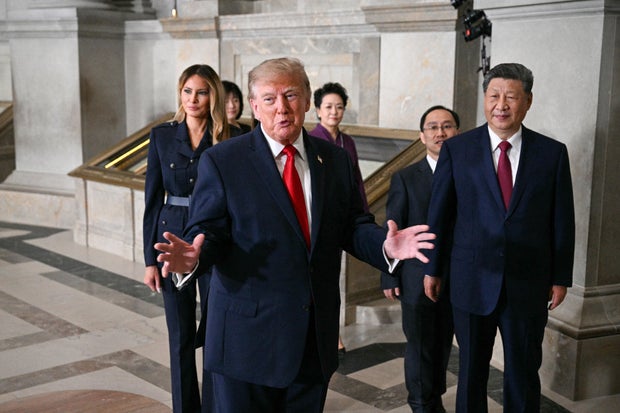
Adding a global dimension to the diplomatic chess match, U.S. President Donald Trump discussed the Iran war with visiting Chinese President Xi Jinping during a state visit to Washington. U.S. Ambassador to China David Perdue reiterated that Washington has made it unequivocally clear to Beijing that any direct or indirect material, intelligence, or military assistance to Tehran is entirely unacceptable. While U.S. officials acknowledge no direct proof of Chinese military intervention, they have expressed acute concern over indirect support contributing to the continuation of the maritime standoff.
The Yemeni Front and Escalating Threats to Saudi Arabia
The conflict’s humanitarian and security dimensions have converged heavily in Yemen, where the Iran-backed Houthi movement has dramatically expanded its offensive. The group’s naval blockade of the Red Sea coast and subsequent drone and ballistic missile strikes targeting Saudi territory—including strikes reaching the vicinity of Riyadh and Khamis Mushait—have triggered international condemnation.
The United Nations Security Council issued a rare, unified joint statement strongly condemning the Houthi escalation, particularly strikes impacting civilian and energy infrastructure that have injured non-combatants, including women and children. The Security Council demanded an immediate cessation of hostilities and a strict adherence to international maritime law.
In response to the mounting threat, Saudi Arabia has galvanized regional defense partnerships. Following a joint defense agreement signed the previous month between Saudi Arabia, Pakistan, and Turkey, foreign ministers from the three nations met in New York to coordinate urgent chief-of-staff-level talks aimed at bolstering the Kingdom’s defensive posture. Meanwhile, Rashad al-Alimi, head of Yemen’s Saudi-backed Presidential Leadership Council, issued a nationwide call for general mobilization to counter the Houthi advance, offering an amnesty to any fighters willing to defect.
The domestic toll of the fighting has proven catastrophic for Yemen’s civilian population. Humanitarian organizations report that hospitals and medical facilities across the country are severely overwhelmed by an influx of war-wounded patients, compounded by outbreaks of malnutrition and preventable diseases among displaced populations. Over 130,000 individuals have been forced to flee their homes along the contested western coast, pushing the nation’s fragile healthcare infrastructure to the brink of total collapse.
Political Shifts, Nuclear Inspections, and the European Energy Crisis
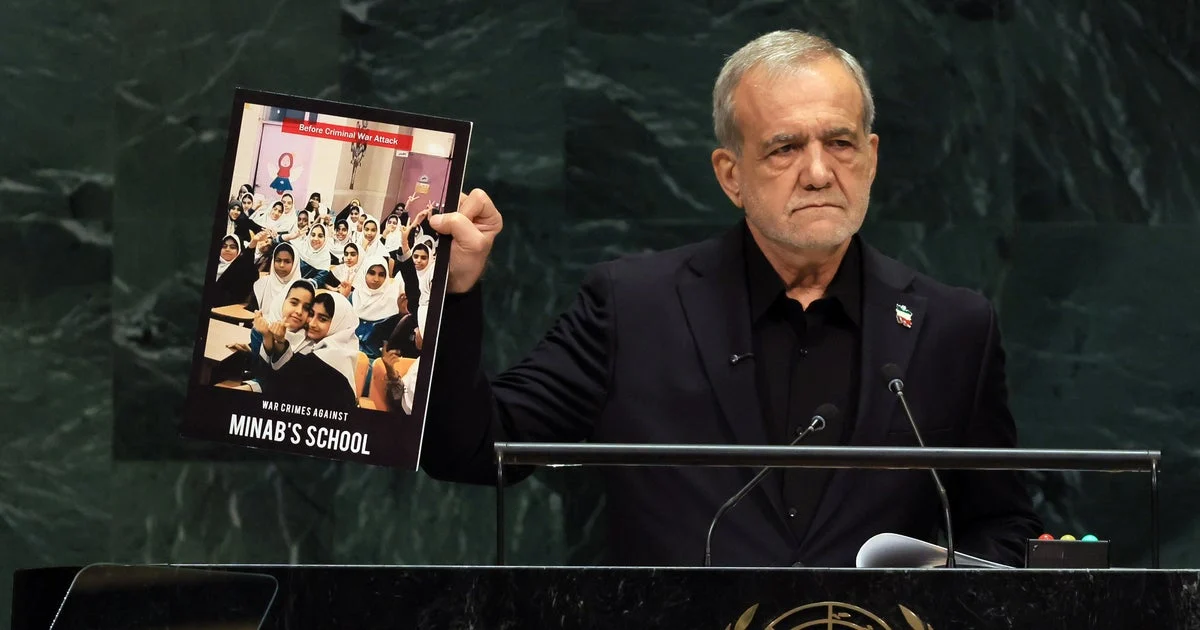
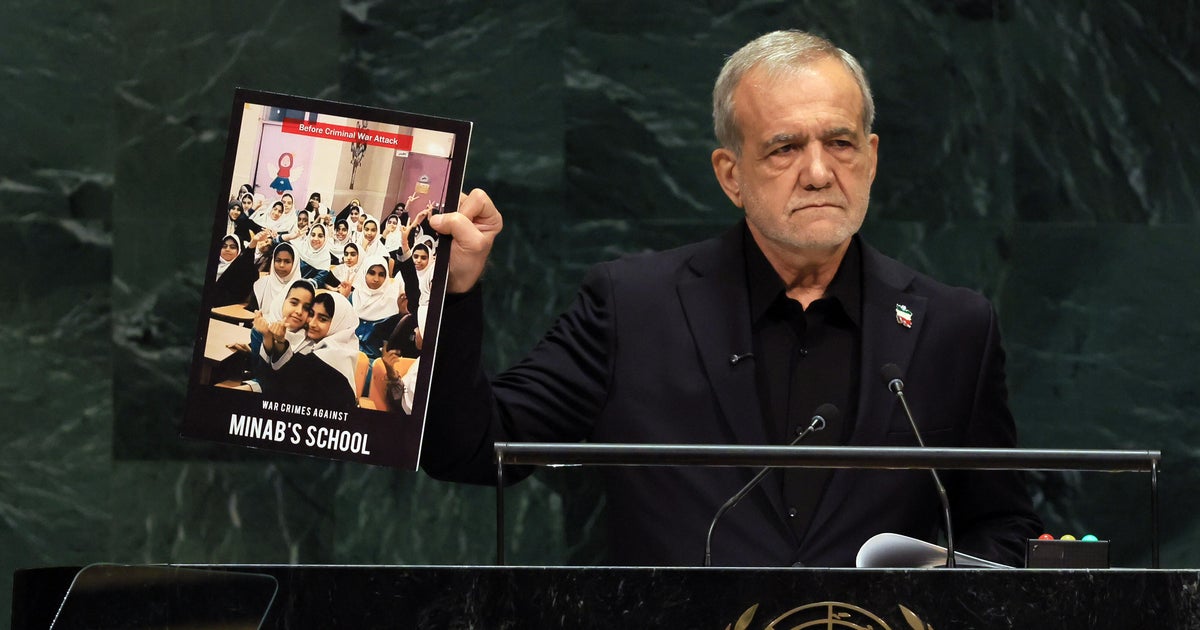
Political maneuvering within Tehran has run parallel to military developments. Iranian President Masoud Pezeshkian, addressing international media during the UN General Assembly, sought to project an image of diplomatic flexibility. Pezeshkian affirmed that a revitalized peace framework would include granting United Nations nuclear inspectors full access to Iranian facilities, reiterating assertions that Iran’s religious jurisprudence strictly forbids the pursuit of nuclear weaponry. Furthermore, Pezeshkian maintained that the current administration desires a conclusive diplomatic settlement prior to the United States midterm elections in November, disputing claims by President Trump that Tehran is deliberately stalling for political leverage.
Addressing concerns regarding the domestic leadership, Pezeshkian dismissed rumors regarding the health of Supreme Leader Mojtaba Khamenei, assuring international interlocutors that the leader is in sound medical condition following the tragic loss of his father earlier in the year.
The economic fallout of the protracted conflict has reverberated acutely across the European Union. In a leaked internal communication, European Commissioner for Energy and Housing Dan Jorgensen warned fellow EU member states of an unprecedented "price crisis" intertwined with a severe supply crunch. Jorgensen urged European capitals to implement immediate demand-reduction strategies for gas and electricity to preserve vital storage reserves for the winter months, underscoring how deeply Western economies remain vulnerable to the destabilization of Middle Eastern energy corridors.
As the international community navigates the delicate equilibrium between enforcement of sweeping sanctions and the urgent imperative to prevent total regional conflagration, the coming weeks will prove decisive. Whether backchannel technical talks in New York can successfully translate tentative peace proposals into a lasting cessation of hostilities remains the central question for a volatile and exhausted region.

