
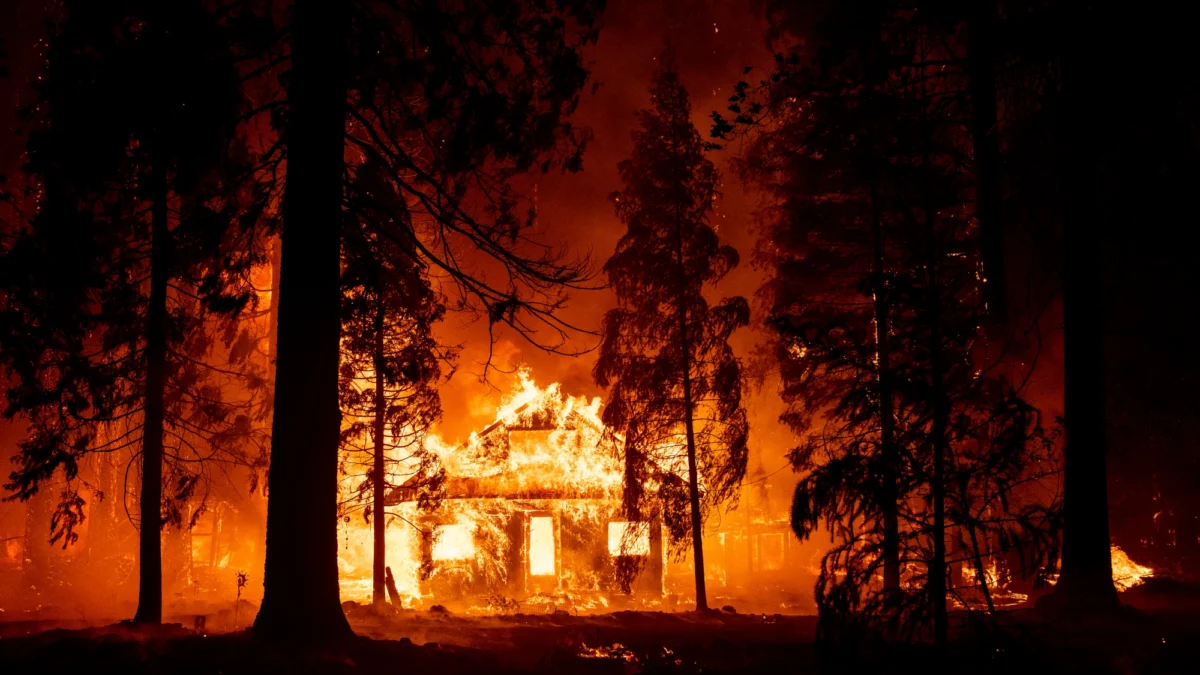
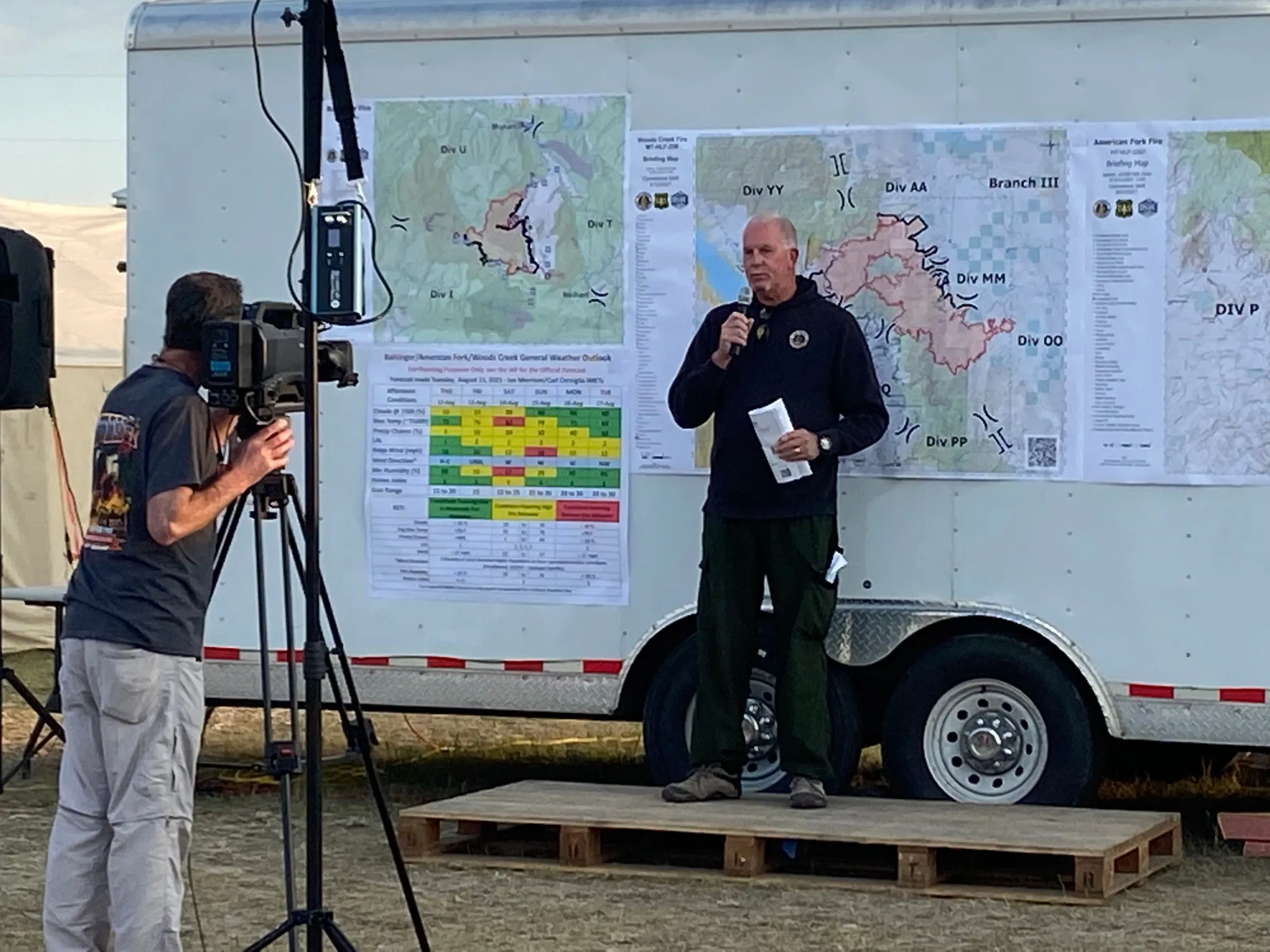
Dan Dallas has spent his career mastering the art of the fire line. As an incident commander for the U.S. Forest Service, his professional life is governed by the playbook: contain, suppress, and defend. Yet, as he drove toward Northern California’s Six Rivers National Forest in August 2023, the veteran strategist found himself wrestling with a growing existential dread. A series of lightning strikes had ignited a sprawling wilderness of conifer and hardwood, and the fires were merging into a complex, high-stakes event. For years, Dallas had followed the standard operating procedure—throwing immense resources, bulldozers, and fire retardant at every spark. But the repeated cycles of returning to the same landscapes to fight increasingly severe blazes had led him to a haunting realization: by suppressing the small fires, he was merely preserving the fuel for a future, inevitable catastrophe.
The Vicious Cycle of Suppression
The logic of fire suppression is intuitively appealing: protect human lives and property by extinguishing ignitions as quickly as possible. However, this century-old strategy has fundamentally altered the ecology of the American West. By preventing natural, low-intensity burns, the federal government has inadvertently allowed forests to become overgrown, creating a "continent-sized pyre." When environmental conditions—such as extreme heat, drought, and low snowpack—converge, these dense forests ignite with a ferocity that modern firefighting technology cannot manage.
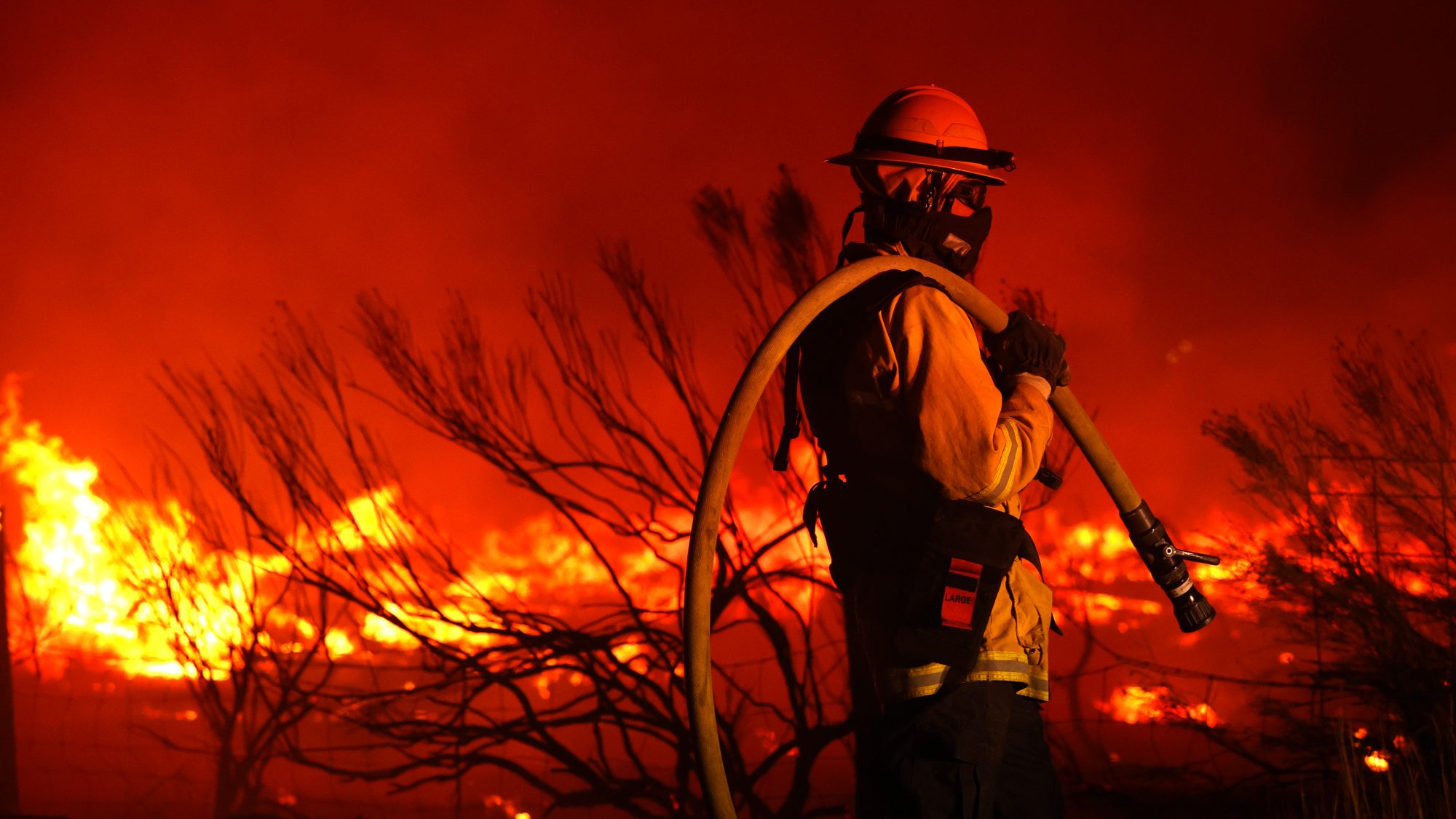
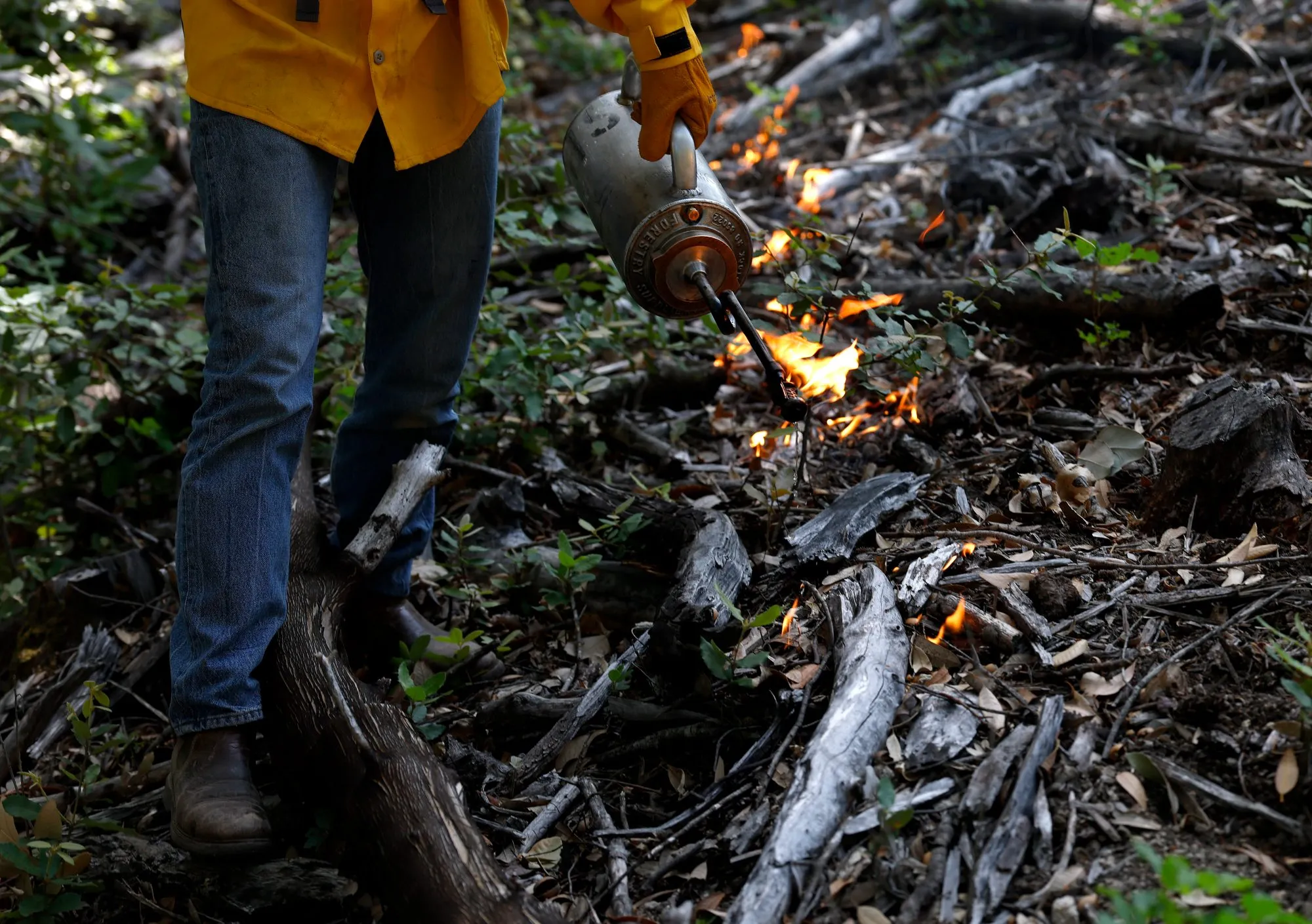
The strategy Dallas and his colleagues attempted in the Six Rivers National Forest during the 2023 season marked a departure from the traditional "all-out" approach. Recognizing that the weather conditions were mild and the fire was burning in an area where it could safely clear out accumulated undergrowth, they allowed the fire to creep along the forest floor. The objective was clear: burn 50,000 acres of excess fuel today to prevent a 50,000-acre megafire tomorrow. While the effort was successful, such tactical flexibility is increasingly rare in an era of heightened political and environmental pressure.
A Chronology of Escalation
The shift toward "full suppression" is not a new phenomenon, but it has gained renewed momentum. In 2013, the U.S. Forest Service commissioned a foresight panel, bringing together futurists, fire ecologists, and social scientists to project the trajectory of wildfire management. Their 2015 report, "Wildland Fire Management Futures," served as a stark warning: the existing suppression-heavy model was unsustainable. The panel predicted that if current policies continued, the American West would face a systemic collapse of forest health, with catastrophic consequences for biodiversity and human settlements.
Despite these warnings, the intervening years have seen a marked increase in the frequency and severity of megafires—blazes exceeding 100,000 acres. As of 2026, the United States has recorded over 53,000 wildfires burning more than 8 million acres. This figure represents an increase of 3 million acres over the previous decade’s average. The strain on resources is now acute; on August 11, 2026, the National Multi-Agency Coordinating group issued a memo warning that logistical capacity was approaching its absolute limit, leaving many requests for assistance unfulfilled.
The Economics of Disaster
The financial implications of this policy trajectory are staggering. Federal spending on wildfire suppression has surged from an average of $450 million annually in the 1990s to over $3 billion in recent years, with a record $4.3 billion spent in 2021. Climate modeling suggests that if current trends persist, this cost could escalate to $13 billion annually by the end of the century.
The funding structure itself creates a "perverse incentive" loop. Emergency suppression funds are readily available to fight active fires, functioning similarly to a wartime budget. Conversely, proactive investments in fuels reduction—such as prescribed burns and mechanical thinning—are subject to strict budgetary caps, complex environmental review, and logistical hurdles. As noted by former fire management chief Kelly Martin, there is no inherent "punishment" for spending unlimited funds to suppress a fire, yet there is significant political and career risk associated with allowing a fire to burn, even when it would be ecologically beneficial.
Political Shifts and the "Full Suppression" Mandate
The current administration has doubled down on the full-suppression doctrine. Recent mandates require the Forest Service to extinguish all wildfires, regardless of whether they pose an immediate threat to human life or infrastructure. Furthermore, these directives have been paired with calls to increase timber production on public lands. While proponents argue that mechanical thinning—essentially logging—is a necessary tool for fuel management, critics, including environmental scientists and veteran firefighters, argue that the focus on total suppression is akin to "steering an aircraft carrier with a canoe paddle."
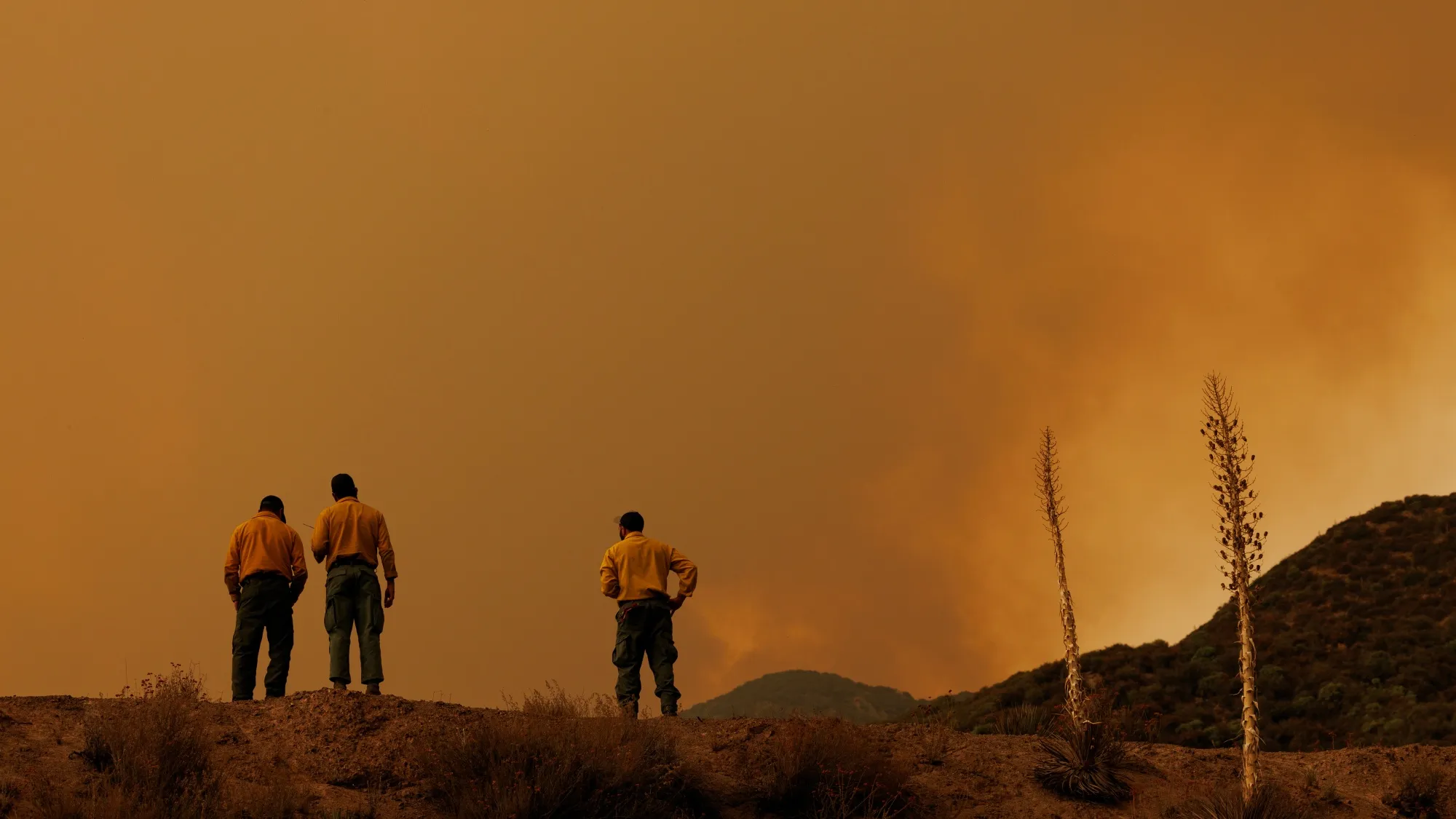
Internal data from the Forest Service reveals that fuel-reduction projects are often stalled by the very workforce required to execute them. Firefighters, who are tasked with planning and conducting prescribed burns, are frequently redeployed to suppress active fires for up to six months of the year. A ProPublica investigation recently highlighted that as of July 2025, over a quarter of the agency’s firefighting positions remained vacant, further hampering efforts to perform necessary preventative work.
The Human Dimension and the "War" Narrative
Part of the challenge in reforming fire policy lies in the public perception of wildfire. Media coverage frequently adopts a "war" frame, documenting the destruction of homes and the heroism of firefighters. This narrative fosters a patriotic zeal to defend the "homeland" from an invading enemy, making it politically difficult for officials to advocate for "letting it burn."
"I hate war analogies when it comes to fire," says Riva Duncan, president of Grassroots Wildland Firefighters. "It’s not a war, and firefighters are not soldiers. We shouldn’t expect them to give their lives for a policy that prioritizes suppression over safety."

Yet, the bureaucratic momentum is difficult to break. As retired research forester Dave Calkin notes, the path of least resistance for any land manager is to suppress a fire immediately. If they allow a fire to burn and it grows out of control, the repercussions are severe. If they suppress it and it leads to a future megafire, the original manager is long gone, and the catastrophic fire is treated as an act of God rather than a consequence of policy.
Implications for the Future
The scientific consensus remains consistent: our forests require a reintroduction of fire to remain resilient. However, the window of opportunity for controlled burning is narrowing as climate change extends the fire season and deepens drought conditions. While some regions, such as the Great Basin, require fire exclusion to protect against invasive grasses, the majority of Western forests are suffering from a "fire deficit."
The path forward, according to many experts, involves a fundamental restructuring of how we value and manage the landscape. This includes hardening communities to withstand lower-intensity fires, scaling up prescribed burning programs, and shifting federal funding from a reactive emergency model to a proactive management model.
For Dan Dallas, the future is increasingly precarious. He remains a pragmatic, dedicated public servant, but his perspective has been altered by the reality of the "doom loop." Each time he suppresses a fire, he is aware that he is leaving behind a tinderbox. The system, he argues, is currently taxed beyond capacity. Unless the federal government pivots toward a more nuanced, ecologically sound strategy, the next fire he arrives to manage may well be the one that escapes his grasp entirely, confirming the fears of the 2013 foresight panel and accelerating the irreversible transformation of the American landscape.

