
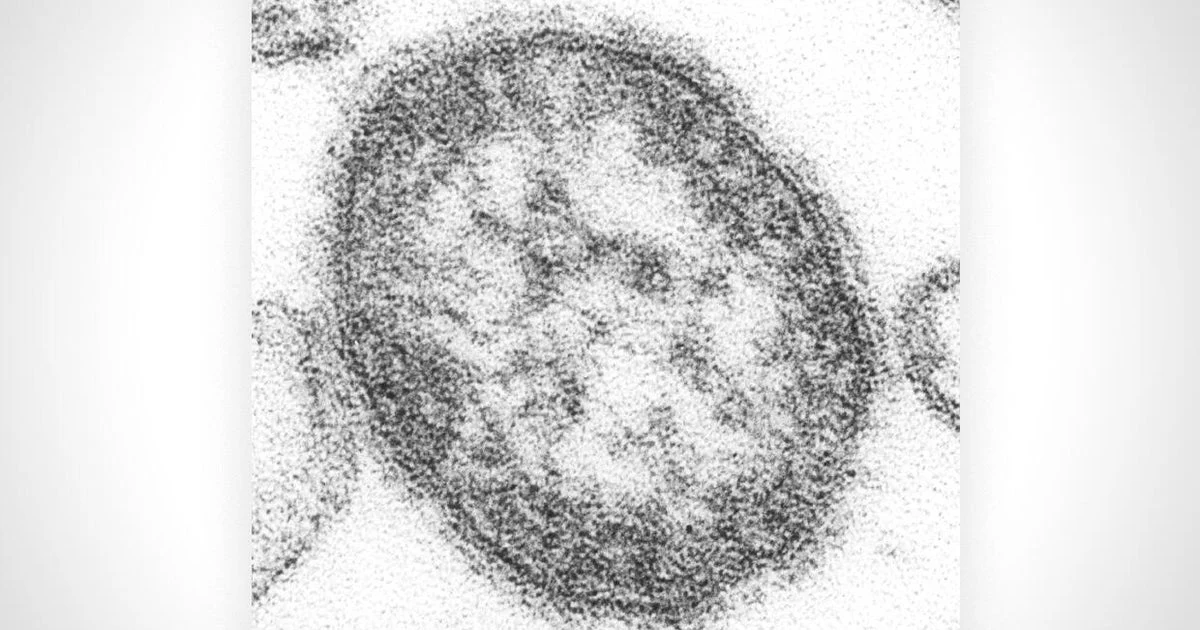
The Jefferson County Coroner’s Office confirmed on Saturday the first measles-related fatality within the county, marking a grim milestone in an ongoing public health crisis that has gripped Pennsylvania throughout 2026. The victim, a 40-year-old woman, succumbed to complications arising from the highly contagious viral infection. This latest tragedy follows two previously documented measles-related deaths in Lancaster County, underscoring a growing trend of severe outcomes as the state grapples with its most significant outbreak in decades.
Coroner Greg Furlong, who announced the death, noted that the woman suffered from underlying health conditions and had not received the measles, mumps, and rubella (MMR) vaccine. The infection reportedly stemmed from direct exposure to a neighbor who had been diagnosed with the virus. While the woman’s husband also contracted the disease, he has since made a full recovery. Coroner Furlong, who described the case as presenting with classic "textbook" symptoms—including the characteristic rash that appeared several days after initial exposure—stated he is confident that pending laboratory results will officially confirm the diagnosis.
A Growing Public Health Crisis in Pennsylvania
The death in Jefferson County is not an isolated incident but rather a symptom of a broader, state-wide surge in infectious disease. According to the latest data from the Pennsylvania Department of Health as of September 14, 2026, the commonwealth has recorded 693 confirmed cases of measles since the start of the year. The velocity of the outbreak is particularly concerning to health officials, as 99 of those cases were reported within the final week leading up to the announcement.
The surge in Pennsylvania reflects a wider national trend. The United States has seen over 3,200 cases of measles reported throughout 2026, representing the highest volume of infections in the country in several decades. The resurgence has forced local health departments to shift their focus from routine monitoring to aggressive containment and public awareness campaigns.
Clinical Perspectives and the Reality of Complications
The medical community has expressed increasing alarm at the public’s perception of measles. Often dismissed as a routine childhood illness, the virus can be devastating for unvaccinated adults and those with compromised immune systems. Jefferson County Deputy Coroner Jason Stiver issued a stern warning following the confirmation of the fatality, emphasizing that the disease’s reach is far broader than many realize.
"Many people associate measles with a childhood illness, but it can lead to severe complications in individuals of any age," Stiver stated. "Measles is highly contagious and can result in serious respiratory illness, hospitalization, and in rare cases like this, death."
Medical experts, including Dr. Jon LaPook, CBS News’ chief medical correspondent, have highlighted that the virus is one of the most contagious known to human medicine. It spreads primarily through respiratory droplets, and the virus can remain airborne or on surfaces for up to two hours after an infected person has left a room. For individuals who are not immunized, exposure frequently leads to infection, with a high probability of progression to secondary issues such as pneumonia, encephalitis (inflammation of the brain), and long-term respiratory damage.
Chronology of the 2026 Outbreak
The current escalation did not occur overnight. The 2026 outbreak follows a period of declining vaccination rates across various regions, which public health experts have identified as a primary driver for the current spike.
- Early 2026: Scattered clusters of measles begin to emerge across the United States, prompting initial warnings from the Centers for Disease Control and Prevention (CDC).
- Spring 2026: Pennsylvania sees a localized surge, with Lancaster County becoming an early epicenter. The state reports the first two measles-related deaths, drawing significant attention to the necessity of the MMR vaccine.
- Summer 2026: Despite increased vaccination outreach, the virus spreads into neighboring counties. Public health officials struggle to conduct contact tracing as the volume of cases begins to overwhelm local resources.
- September 2026: Jefferson County reports its first death, and state-wide cumulative cases reach 693. The Department of Health intensifies calls for residents to check their immunization status.
The Role of Vaccination in Disease Control
The MMR vaccine is widely considered one of the most effective tools in modern medicine, with a 97% success rate in preventing measles after two doses. However, the resurgence in 2026 has been linked to gaps in community immunity. When vaccination rates fall below the threshold required for "herd immunity"—typically cited as 95%—the virus gains the ability to spread rapidly through pockets of unprotected individuals.
The Pennsylvania Department of Health is currently working in conjunction with local coroners and county health officials to manage the outbreak. Strategies include pop-up vaccination clinics, school-based immunization checks, and public service announcements directed at adults who may have missed their childhood vaccinations or who are unsure of their immunization history.
Societal and Economic Implications
The strain on the Pennsylvania healthcare system is becoming increasingly apparent. Beyond the tragic loss of life, the surge in cases is forcing hospitals to dedicate significant resources to isolation protocols and the treatment of severe respiratory cases. Each confirmed case requires extensive contact tracing, which places a heavy burden on county health departments that are already stretched thin.
Economically, the impact of the measles outbreak is significant. Beyond the direct costs of hospitalization and medical care, there are indirect costs associated with work absenteeism, school closures, and the loss of productivity as individuals and families are forced into quarantine. Furthermore, the psychological toll on communities that are experiencing active outbreaks has led to increased anxiety and a demand for more robust local health infrastructure.
Looking Ahead: Policy and Preparedness
The situation in Jefferson County serves as a sobering reminder of the importance of public health vigilance. As the Commonwealth of Pennsylvania continues to battle this outbreak, officials are urging citizens to prioritize science-based preventive measures.
"We encourage residents to stay informed, follow guidance from public health officials, and take appropriate steps to protect themselves and their families," Deputy Coroner Stiver added.
The state’s strategy for the remainder of 2026 focuses on three pillars: education, accessibility, and monitoring. By targeting specific demographics where vaccination rates have dipped, the Department of Health hopes to break the chain of transmission. However, as the national count exceeds 3,200, the broader implications remain clear: the virus is opportunistic, and as long as there are pockets of vulnerability, the threat of further outbreaks remains a constant reality.
For residents, the message from medical professionals is unified: verify your vaccination status with your primary care provider. For those who are unsure, a simple blood test can determine immunity, and a booster shot can provide the necessary protection to prevent another tragic outcome. As the state mourns the loss of the victim in Jefferson County, the focus turns toward preventing future tragedies and ensuring that a disease that was once considered eliminated in many parts of the country does not continue its devastating march through the population.

