
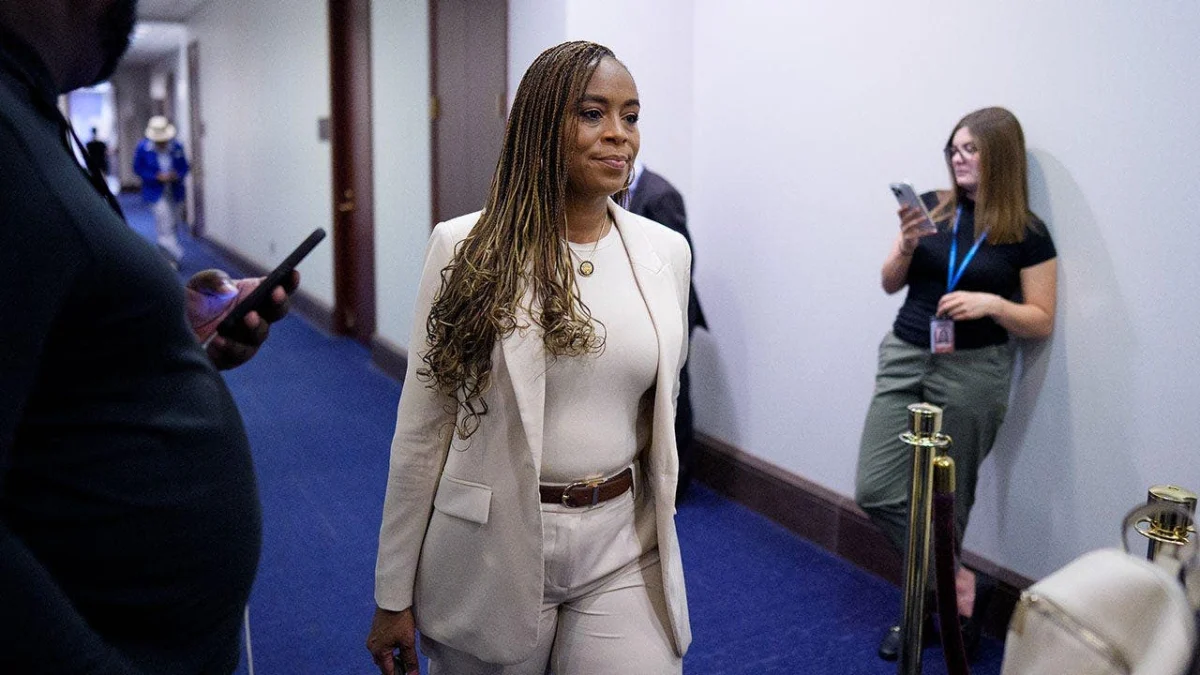
A firestorm of political controversy has erupted following recent assertions by prominent Democratic lawmakers that the United States is witnessing a resurgence of lynchings targeting Black Americans. Representative Shontel Brown of Ohio, alongside Representative Ayanna Pressley of Massachusetts and other progressive voices, has called for comprehensive federal investigations into what they characterize as an alarming trend of hanging deaths. However, these claims have been met with intense skepticism and sharp criticism from observers, law enforcement officials, and public commentators, who point to investigative findings that suggest these characterizations are disconnected from the established facts of the specific cases cited.
The debate centers on a series of deaths across the country where individuals were discovered hanging from trees. Proponents of the federal investigation argue that the historical resonance of such imagery necessitates a heightened level of federal scrutiny to ensure that potential hate crimes are not being overlooked by local authorities. Conversely, critics argue that the narrative is a politically motivated attempt to manufacture racial tension, noting that the vast majority of these cases have been independently investigated by local and state law enforcement agencies and formally ruled as suicides.
A Chronology of the Controversy
The current legislative push gained momentum when Representative Ayanna Pressley and a coalition of 50 Democratic members of Congress formally requested that the Department of Justice initiate a federal probe into every hanging death of a Black individual reported in recent years. This request was bolstered by vocal support on social media platforms from members of the congressional progressive caucus, including Representative Alexandria Ocasio-Cortez, who publicly framed these incidents as acts of "racial terror" and "modern-day lynchings."
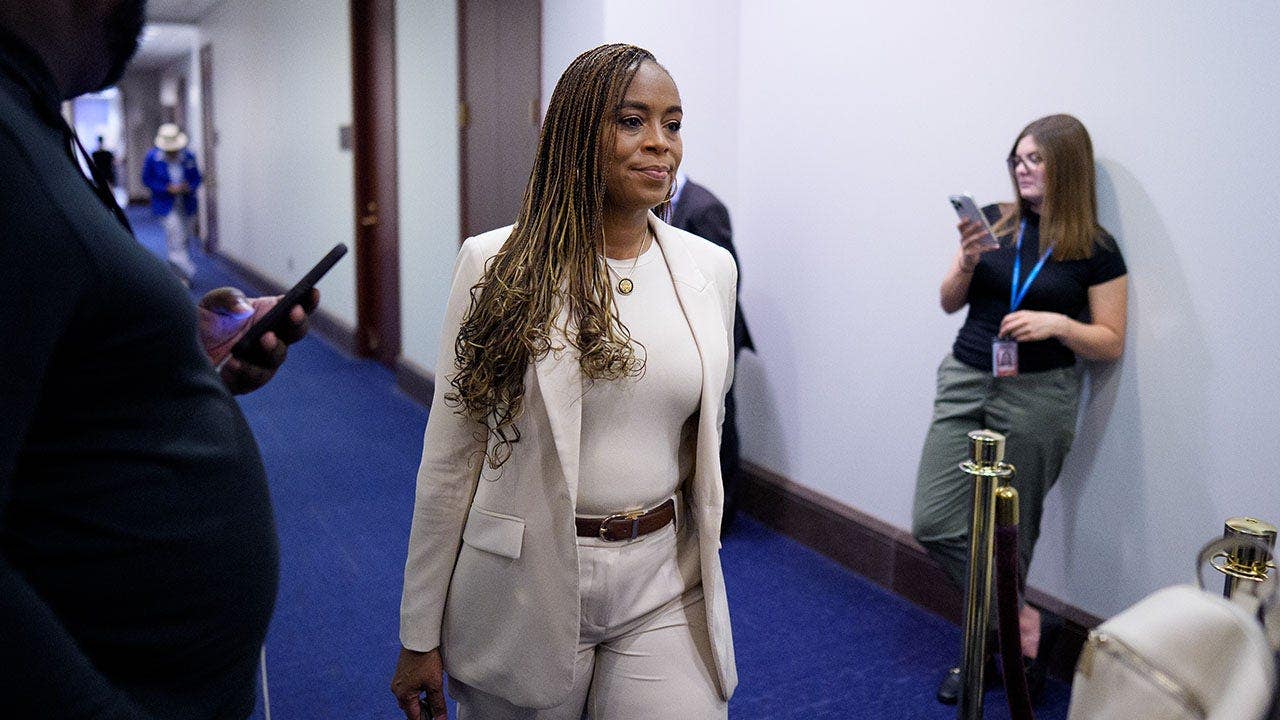
Representative Shontel Brown subsequently amplified this narrative on social media, writing, "In the last year, there’s been an alarming increase in Black Americans found dead hanging from trees. We know what that has meant throughout our history. That’s why I’ve joined Rep. Ayanna Pressley to demand a federal investigation into possible lynchings."
The reaction was swift and largely skeptical. Investigative reports and official police statements regarding the specific cases referenced by these lawmakers tell a different story. In March, the death of a 21-year-old man found in a tree in Cobb County, Georgia, was subject to a thorough review by local law enforcement, which concluded that the individual was alone at the time of death and that there was no evidence of foul play. Similar conclusions were reached by authorities in Charlotte, North Carolina, and Miami-Dade County, Florida, where 16-year-old and 27-year-old individuals, respectively, were found under circumstances that were ultimately determined to be suicides.
Fact-Checking the Narrative
The assertion that there is a widespread, systemic rise in lynchings appears to be contradicted by available law enforcement data. In the United States, a lynching is defined as the act of killing someone, especially by hanging, for an alleged offense with or without a legal trial, typically executed by a mob. The current cases being highlighted do not fit this definition according to the evidence provided by forensic pathologists and medical examiners.
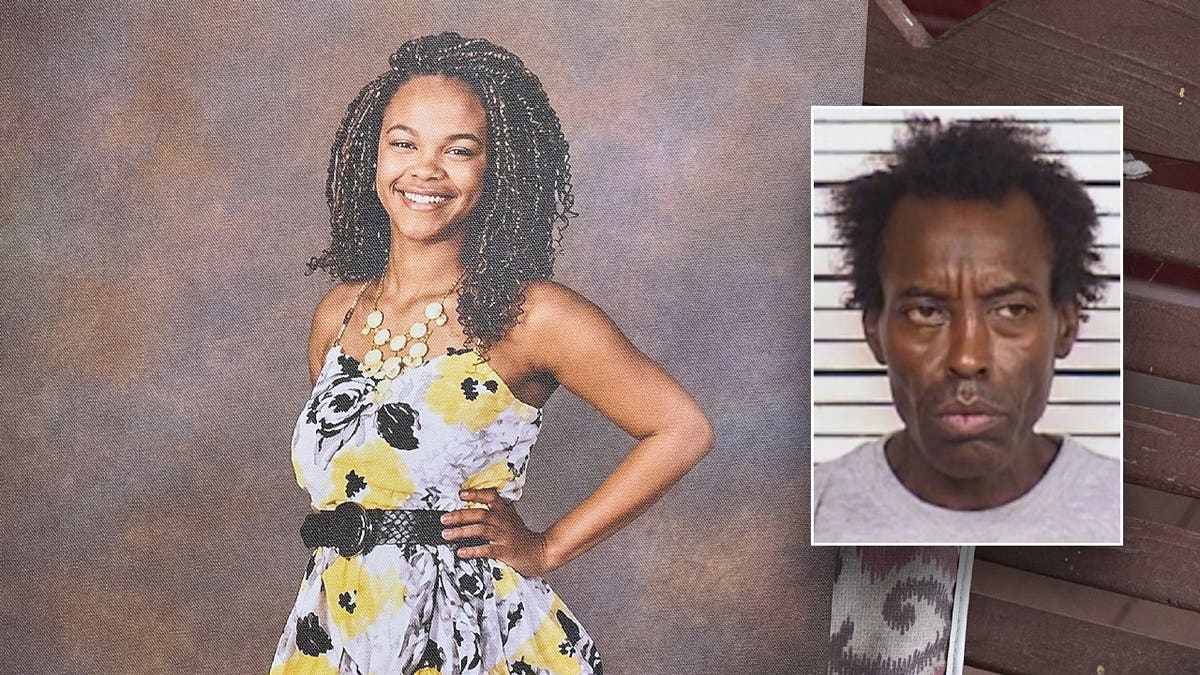
One case frequently discussed in the public discourse is the death of Tasia Fortune, whose case remains distinct from the others. While many of the cases cited by activists have been closed as suicides, the death of Ms. Fortune in Mississippi is being treated as a homicide. Significantly, authorities have arrested a Black male suspect, Jarques Ratliff, in connection with her death. The divergence between the "hate crime" narrative pushed by some activists and the legal reality of the Fortune case has become a primary point of contention for those criticizing the political framing of these events.
The Impact of Rhetoric on Public Discourse
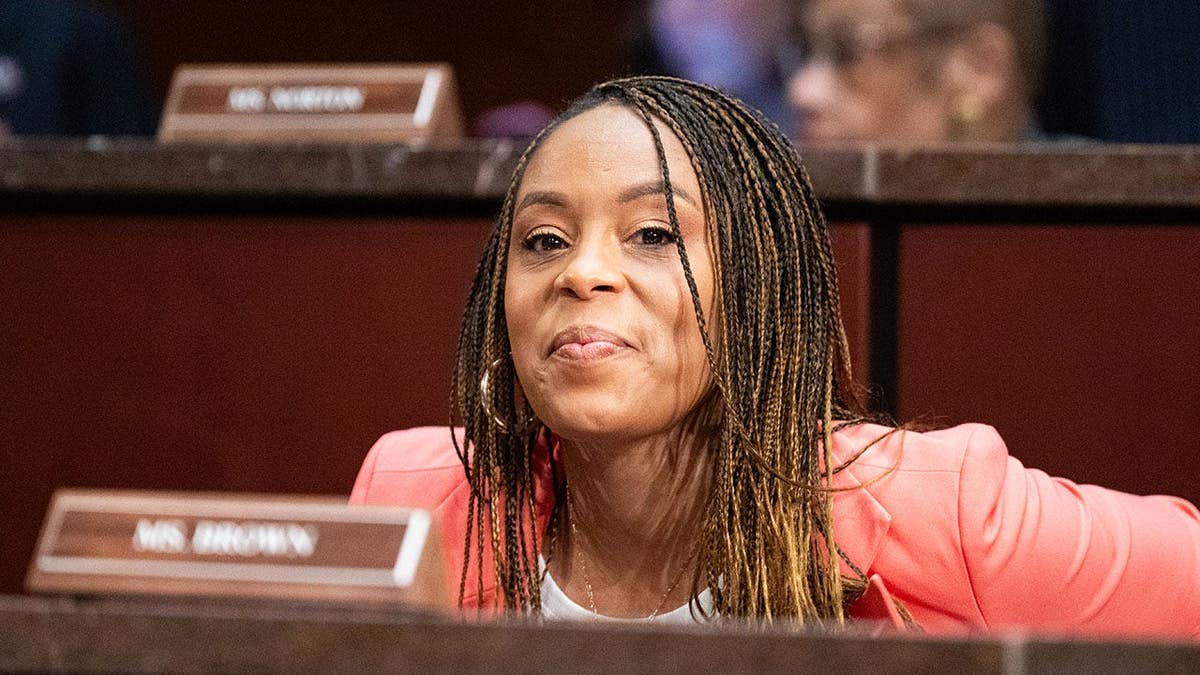
The backlash against the claims made by Representatives Brown, Pressley, and Ocasio-Cortez has spanned a broad spectrum of the American public. Critics argue that by mischaracterizing suicides as hate crimes, these lawmakers are not only misrepresenting the facts but are also potentially causing secondary harm to the families of the deceased and inflaming racial tensions for political gain.
Public commentators and cultural figures have weighed in heavily on the matter. Actor Dean Cain characterized the rhetoric as "inventing racism" and described the messaging as "pernicious." Similarly, various political analysts have pointed out the risks of utilizing such sensitive historical terminology without substantial evidence. The comparison to the Jussie Smollett case—in which a fabricated hate crime narrative dominated headlines before being debunked by investigators—has been frequently invoked by those who believe the current narrative is another instance of ideological theater.
Analysts suggest that this trend of "rhetorical escalation" is a byproduct of a highly polarized political environment where social media engagement often prioritizes emotional impact over objective verification. By linking isolated, tragic events to a broader, historically charged narrative, these lawmakers may be attempting to signal urgency to their base, but in doing so, they are increasingly finding themselves at odds with the findings of local police departments and medical examiners.
Official Responses and Institutional Integrity
The silence from the offices of the involved lawmakers regarding the discrepancies in their claims has been noted by political observers. When asked for comment, the office of Representative Shontel Brown did not provide a statement, leaving the original social media posts uncorrected despite the subsequent release of official investigative reports in the cited cases.
This lack of response has fueled further criticism from those who believe that elected officials have a duty to ensure their public statements are grounded in empirical data. When members of the legislative branch cast doubt on the integrity of local law enforcement agencies—many of which have already performed exhaustive investigations, including the use of security footage and forensic analysis—it can undermine public trust in the judicial system.
Broader Implications for Policy and Society
The current controversy highlights a significant disconnect between activists and the realities of modern criminal investigations. While it is legitimate for lawmakers to express concern about the safety of their constituents, the transition from expressing concern to asserting the existence of a widespread hate-crime epidemic based on debunked premises creates several long-term societal risks:
- Erosion of Trust in Law Enforcement: By reflexively assuming that local investigations are flawed or biased, lawmakers risk alienating the very institutions required to maintain public order and provide justice.
- Trivialization of Historical Atrocities: Historians and civil rights advocates have long cautioned that the misuse of terms like "lynching" can diminish the historical significance of the era of racial terror that actually occurred in American history.
- Polarization: The framing of these incidents as racially motivated hate crimes by white perpetrators—even when evidence points to suicide or domestic violence involving perpetrators of the same race as the victims—serves to deepen divisions rather than address the underlying issues of mental health and interpersonal violence.
As the Department of Justice weighs its response to the formal requests for federal probes, the situation remains a cautionary tale about the intersection of social media activism and legislative responsibility. The path forward, according to many legal experts, requires a commitment to transparency that prioritizes the facts gathered by medical examiners and forensic experts over the desire to fit complex, tragic events into a pre-existing political framework. Until then, the disconnect between the rhetoric in Washington and the findings in the field continues to widen, leaving a deeply polarized public to sort through the noise to find the truth.

