

The onset of the autumn season across the Northern Hemisphere has prompted a notable shift in consumer behavior, driving increased demand for transitional apparel. Recognizing this seasonal pivot, outdoor retailer Backcountry has launched a comprehensive sales event featuring markdowns of up to 40 percent on a vast inventory of hoodies, jackets, and mid-layer shells. This promotional period comes as retailers prepare for the fourth-quarter shift, aiming to clear inventory from previous seasons to make room for high-performance winter gear.
Market analysis of the current promotional event reveals that while hundreds of individual product pages are marked down, the depth of available inventory varies significantly across colorways and sizing. A granular review of 110 product listings indicates that 79 specific items maintain a consistent size run—defined as having four or more sizes in stock—at the discounted price point. This data is essential for consumers navigating the complexities of online retail, where "sale" pricing is frequently limited to specific, often unpopular, color combinations.
Chronology and Retail Context
The retail apparel sector typically operates on a cyclical calendar that necessitates the liquidation of warm-weather and transitional inventory in late summer and early autumn. Backcountry’s current strategy follows this industry standard, aligning with the meteorological shift toward cooler mornings and evenings in regions such as the American Northeast and the Pacific Northwest.
Historically, late September serves as a critical window for outdoor retailers to incentivize consumers before the onset of the holiday shopping season. By providing deep discounts on technical gear—such as moisture-wicking fishing hoodies and lightweight windbreakers—retailers can maintain cash flow and inventory turnover. This specific sale event began in mid-September and is projected to continue until current stock levels are depleted or superseded by winter-specific product lines.
Categorical Performance and Inventory Breakdown
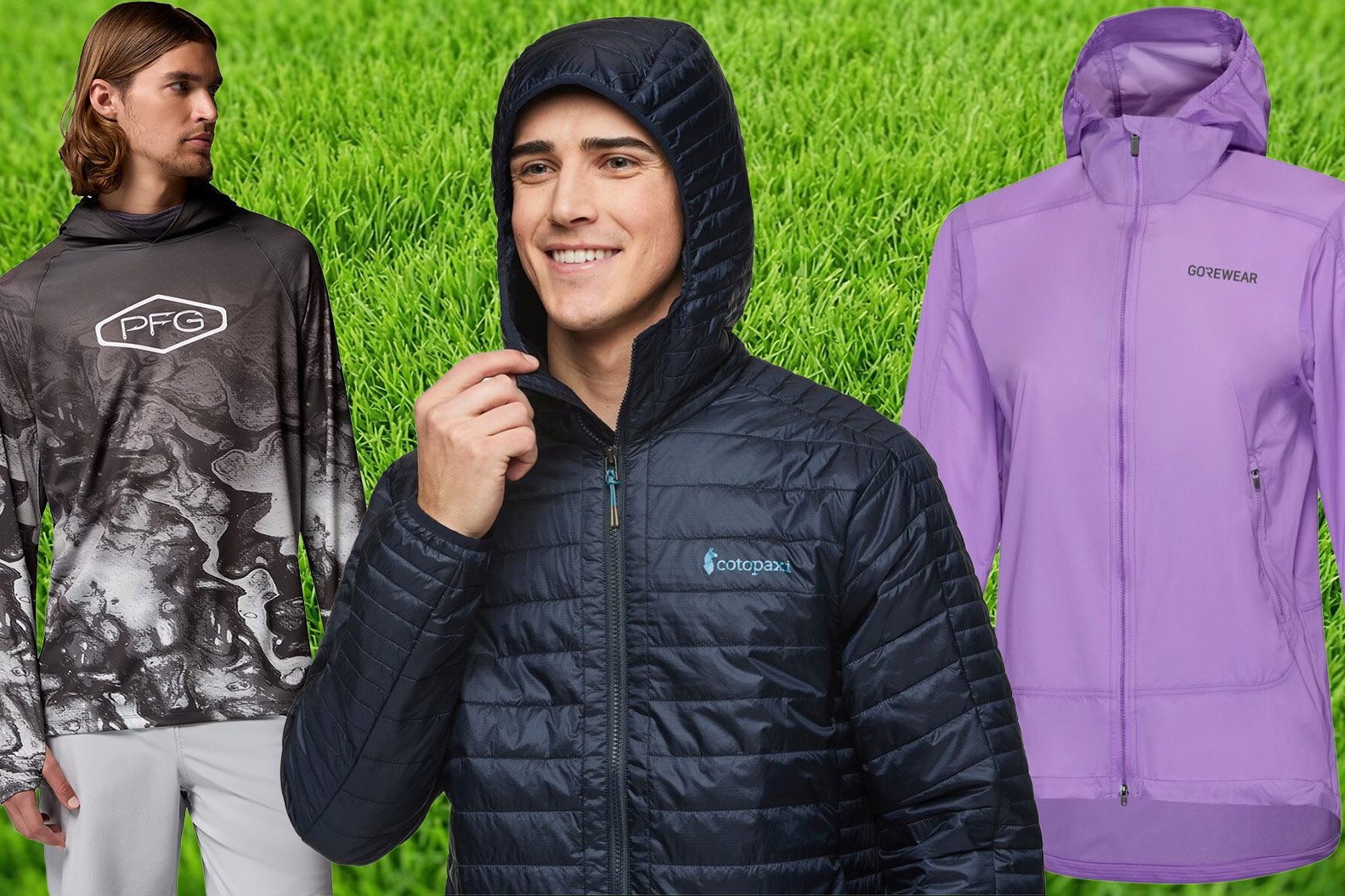
The effectiveness of this sale is defined by the availability of specific product lines. Among the most prominent offerings is the Columbia Super Terminal Tackle Vent Hoodie, which has seen its price reduced to $31.50 from its original $70 valuation. Unlike many items in the sale that suffer from "broken" size runs, this product maintains a robust inventory, with 18 color and size combinations currently available at the promotional price. This piece, originally marketed for the professional fishing sector, utilizes Omni-Wick fabric technology and UPF 50 sun protection, making it a versatile choice for both high-heat activities and as a base layer for colder conditions.
In the category of technical women’s wear, the GOREWEAR Fernflow Hooded Windbreaker has been marked down to $45.50 from $130, representing one of the most significant price reductions currently available that still retains a full size run from XS to XL. This item serves as a prime example of the importance of technical specifications in apparel pricing; the garment features DWR-treated recycled nylon, a helmet-compatible hood, and integrated reflective elements designed for cycling. The presence of such high-spec gear at a nearly 65 percent discount reflects an aggressive inventory management strategy by the retailer.
Comparative Value: Mid-Layers and Outerwear
Beyond lightweight hoodies, the sale extends into the mid-layer and insulated jacket category, where the value proposition shifts toward durability and thermal regulation. The Cotopaxi Capa Insulated Hooded Jacket, currently priced at $112.50—a 55 percent reduction from its $250 MSRP—stands out as a critical item for late-autumn conditions.
Technical analysis of this garment reveals the use of PrimaLoft Gold insulation, a synthetic alternative to down that maintains its thermal properties even when damp. This is a significant factor for outdoor enthusiasts, as synthetic insulation is often more resilient in the high-humidity, fluctuating temperatures characteristic of the transition from September to November. Retail experts note that while down insulation is generally more compressible, the specific price-to-performance ratio offered by synthetic jackets like the Capa at this price point makes them a superior value for damp, moderate-cold climates.
Demographic-Specific Offerings
The sale also targets specific consumer demographics, with dedicated markdowns for children and high-utility workwear. For instance, the Dickies Heavyweight Full-Zip Hoodie has been reduced to $22, down from $54.99. The inclusion of durable, work-grade apparel alongside technical performance gear suggests that Backcountry is attempting to capture a broader market segment than its traditional core of high-altitude alpinists and trail runners.
For younger consumers, the inventory is more limited, with The North Face products dominating the selection. The Evolution Box NSE Pullover Graphic Hoodie for children is currently priced at $16.44, reflecting a 63 percent discount. However, unlike the adult categories, the inventory for children’s gear is highly volatile, with many sizes down to single-digit unit counts. This rapid depletion is common in end-of-season sales, where parents often purchase in bulk for upcoming growth spurts.
Analytical Observations on E-Commerce Inventory
A recurring challenge for consumers in this sale is the disparity between advertised discounts and available inventory. Several high-profile items, such as the Marmot Novus LT Hoodie or the Mammut Eiger Free Advanced HS Hooded Jacket, display deep percentage discounts that apply only to specific, isolated sizes.
This creates a "search friction" issue common in modern e-commerce. Retailers often display the lowest possible price to attract traffic to a product landing page, even if that price point is only available for a single size or colorway that may not meet the consumer’s needs. The current data suggests that for every "clean" deal—where a full size run is available—there are approximately three "broken" deals where availability is restricted. This necessitates a diligent approach from the consumer, who must verify size and color combinations before assuming the advertised discount is applicable to their specific requirements.
Broader Economic and Environmental Implications
The prevalence of these discounts underscores the broader economic climate in the apparel industry. With inflationary pressures affecting consumer spending, retailers are under increased pressure to liquidate stock efficiently. Furthermore, there is an ongoing industry-wide conversation regarding the environmental impact of textile waste. By discounting previous-season gear rather than disposing of it, retailers like Backcountry are participating in a circular economic model that extends the life cycle of manufactured goods.
From an environmental standpoint, the move toward "last-chance" inventory clearance is increasingly viewed as a standard of corporate responsibility. Extending the utility of high-quality, durable goods—such as those manufactured with GORE-TEX or Polartec technology—reduces the immediate demand for new raw materials and minimizes the carbon footprint associated with manufacturing and logistics.
Strategic Consumer Recommendations
For individuals looking to maximize the value of this sale, the consensus among retail analysts is to prioritize items that retain a full size run. Products such as the GOREWEAR Fernflow Hooded Windbreaker or the Columbia Super Terminal Tackle Vent Hoodie provide the best combination of discount depth and stock availability.
Consumers should also be mindful of the "technical" nature of these discounts. Many of the jackets featured in the sale are specialized for specific activities, such as cycling or alpine climbing. Before finalizing a purchase, users should cross-reference the technical features—such as DWR (Durable Water Repellent) ratings, insulation types, and fabric breathability—against their intended use cases.
As the autumn season progresses, the availability of these specific models is expected to diminish rapidly. The current pricing, while attractive, is transient; once the remaining stock is cleared, these price points will likely be replaced by full-priced winter technical wear, marking the official end of the seasonal transition window. Consumers are encouraged to verify their specific size and preferred colorway early to ensure they are securing the intended product before inventory levels reach critical lows.

