
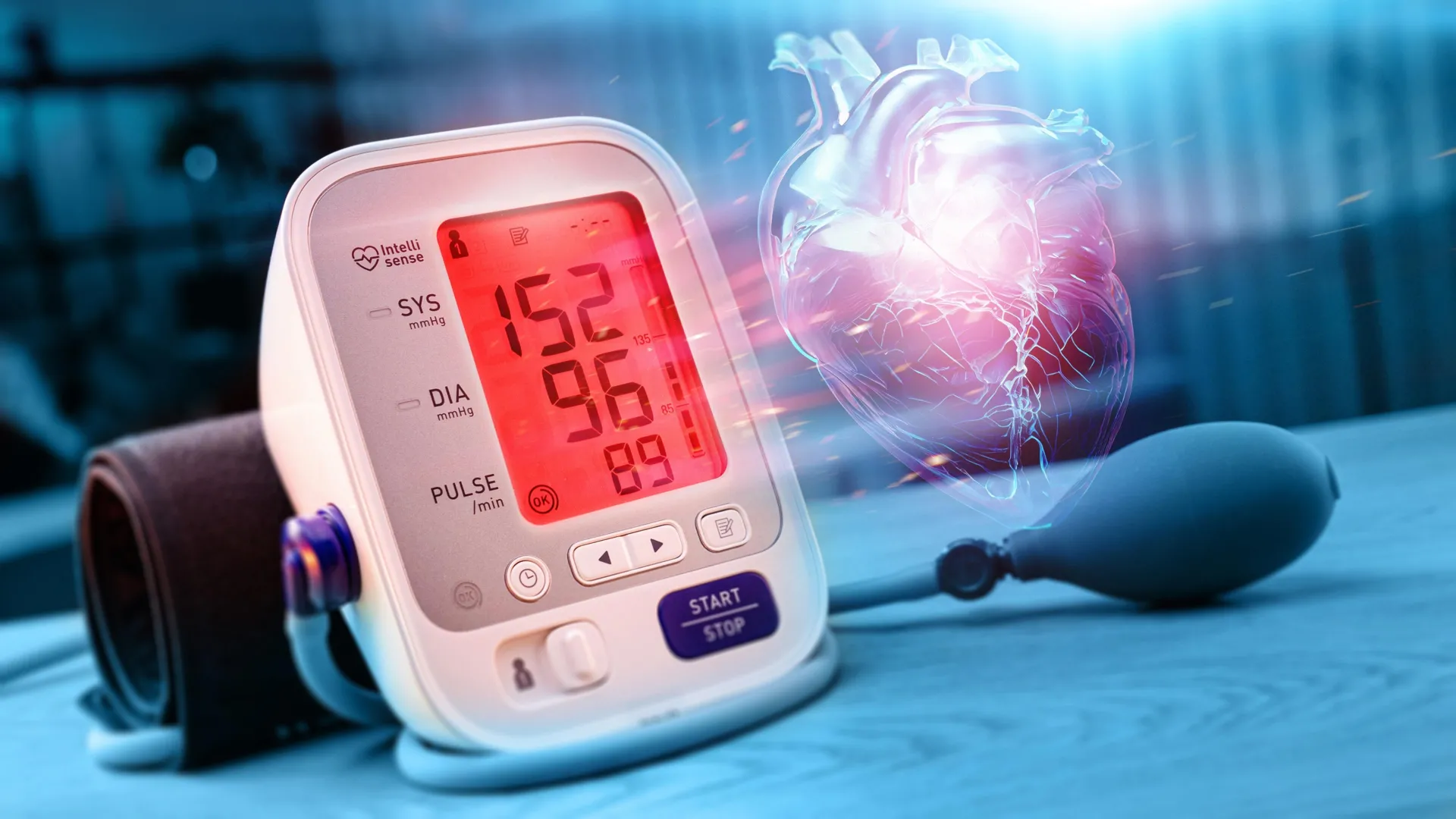
High blood pressure, or hypertension, remains one of the most pervasive global health crises of the modern era, frequently referred to by epidemiologists as a silent killer. It forces the cardiovascular system to work harder than normal to circulate blood through the body, inflicting cumulative damage on arterial walls and significantly elevating the baseline risk for a catastrophic medical event, including ischemic stroke, myocardial infarction, and chronic kidney disease. While lifestyle interventions such as dietary sodium reduction, regular physical activity, and pharmacological therapies like ACE inhibitors and beta-blockers manage the condition for millions, a substantial subset of patients experience treatment-resistant hypertension. For these individuals, standard medications often fail to bring blood pressure readings into a healthy range, leaving clinicians searching for underlying systemic drivers.
Recent scientific breakthroughs published in the journal Science Translational Medicine point directly to a frequently overlooked culprit: primary aldosteronism. This endocrine disorder, which may affect up to one in five individuals living with high blood pressure, disrupts the body’s delicate chemical balance by causing the adrenal glands to overproduce the hormone aldosterone. Managing this condition has historically been plagued by diagnostic blind spots, as traditional testing relies on static, single-point blood draws that easily miss fluctuating hormone patterns. However, an international consortium of researchers from the University of Bristol, the University of Manchester, the University of Bergen, alongside clinical partners in Stockholm and Athens, has demonstrated that a compact wearable monitoring device can capture continuous 24-hour hormone fluctuations. By revealing hidden nighttime hormone surges, this pioneering technology promises to reshape how physicians diagnose and treat secondary hypertension worldwide.
Understanding the Mechanics of Primary Aldosteronism and Secondary Hypertension
To fully grasp the significance of this technological leap, it is necessary to examine the physiological role of aldosterone. Produced in the outer cortex of the adrenal glands, aldosterone acts as a primary chemical regulator of salt and water homeostasis within the human body. By signaling the kidneys to reabsorb sodium and excrete potassium, aldosterone directly influences intravascular fluid volume and systemic vascular resistance. When the system functions normally, hormone secretion is tightly regulated by the renin-angiotensin-aldosterone system. In cases of primary aldosteronism, however, this regulatory feedback loop malfunctions. Autonomous production of aldosterone occurs independently of renin signals, leading to persistent sodium retention, plasma expansion, and elevated arterial pressure.
Primary aldosteronism is broadly categorized as the single most common cause of secondary hypertension—high blood pressure stemming from an identifiable, underlying medical condition rather than primary or essential hypertension. Epidemiological data indicates that while essential hypertension affects the broad population with multifactorial causes, primary aldosteronism accounts for a disproportionate share of severe and drug-resistant hypertension cases. The clinical implications of leaving this disorder unmanaged extend far beyond elevated sphygmomanometer readings. Chronic exposure to excess aldosterone causes structural remodeling of the heart and blood vessels, promoting myocardial fibrosis, endothelial dysfunction, and arterial stiffness. Consequently, patients with undiagnosed primary aldosteronism face a markedly higher incidence of cardiovascular morbidity and mortality compared to peers with essential hypertension of the same severity, even when their blood pressure levels appear comparable.
The Evolution of Diagnostic Limitations in Endocrinology
Despite the well-documented risks associated with primary aldosteronism, clinical identification has remained notoriously difficult. The standard diagnostic pathway typically mandates an initial screening test measuring the aldosterone-to-renin ratio from a single blood sample drawn during daytime clinical hours. If the ratio is elevated, patients are subjected to confirmatory suppression tests, such as oral sodium loading or saline infusion, followed by adrenal venous sampling or computed tomography scans to determine whether the overproduction stems from a single adenoma in one adrenal gland or bilateral hyperplasia of both glands.
This traditional protocol suffers from a fundamental flaw: biological variability. Hormones do not remain static throughout the 24-hour circadian cycle; instead, they are secreted in dynamic pulses modulated by the body’s internal clock and autonomic nervous system. Clinical researchers have long suspected that aldosterone levels fluctuate significantly across the day and night. Yet, capturing these dynamic shifts has been logistically impossible in standard outpatient settings. Single-point blood draws function much like a single photographic snapshot of a fast-moving athletic event, easily missing critical action occurring outside the frame.
Consequently, patients whose aldosterone levels spike transiently or during unconventional hours frequently test within the normal reference range during a routine morning clinic visit. This diagnostic false negative leads to prolonged therapeutic delays, ineffective medication cycling, and years of unchecked cardiovascular damage. The complexity, cost, and invasive nature of confirmatory testing further discourage widespread screening, leaving millions of hypertensive individuals without an accurate diagnosis or a targeted treatment plan.
A Chronological Breakthrough in Ambulatory Hormone Tracking
The genesis of the recent clinical study traces back to years of engineering and physiological research centered at the University of Bristol, where inventors sought to bridge the gap between static laboratory testing and real-world endocrine monitoring. The core technology, an ambulatory sampling device known as U-RHYTHM, was designed to overcome the logistical barriers of continuous physiological tracking. Unlike hospital-based continuous blood draw systems that require tethering patients to heavy machinery and specialized nursing staff, U-RHYTHM operates as a lightweight, non-invasive wearable unit roughly the dimensions of a standard mobile phone, comfortably secured at the patient’s waist.
The proof-of-concept investigation enrolled a cohort of 60 carefully characterized patients across clinical research centers in Bristol, Bergen, Stockholm, and Athens. Over a continuous 24-hour monitoring period, the device sampled hormones from the skin at strict 20-minute intervals. This methodology allowed participants to maintain completely normal daily routines, continuing with work, meals, light physical activity, and, crucially, uninterrupted nighttime sleep within their domestic environments.
By avoiding the clinical anxiety and sleep disruption typically induced by hospital admissions—a phenomenon known clinically as white-coat hypertension or hospital-induced endocrine suppression—the wearable captured authentic, unmasked physiological profiles. The biosamples collected by the device were subsequently analyzed using advanced computational and mathematical modeling to map the exact temporal distribution of aldosterone and closely related steroid hormones, including 18-hydroxycortisol and 18-oxocortisol.
Unmasking Nocturnal Surges and Resetting Clinical Paradigms
The data yielded by the 24-hour continuous monitoring initiative challenged long-held assumptions within clinical endocrinology. The computational analysis revealed that aldosterone does not merely hover at a persistently elevated baseline in primary aldosteronism patients; rather, it exhibits distinct, recurrent bursts of hyper-secretion. Most notably, these surges frequently occurred during the overnight sleep cycle—a temporal window entirely missed by conventional daytime screening protocols.
Even among patients presenting with severe clinical manifestations of the disease, instantaneous daytime hormone levels occasionally dipped below established diagnostic thresholds. A traditional morning blood draw performed during one of these lulls would falsely clear the patient of the endocrine disorder. However, the continuous timeline painted a vastly different picture, demonstrating that nocturnal hormone spikes served as a primary signature of the underlying pathology.
Further investigation into the anatomical source of these nocturnal bursts provided a profound mechanistic insight. The unusual hormone spikes were predominantly observed in patients whose primary aldosteronism was driven by unilateral disease—meaning a localized problem affecting only a single adrenal gland rather than diffuse bilateral hyperplasia. To confirm the clinical relevance of these findings, researchers tracked patients who underwent unilateral adrenalectomy, the surgical removal of the diseased gland. Following the procedure, the anomalous nocturnal hormone bursts completely resolved, and patient blood pressure profiles normalized or significantly improved. This direct correlation confirmed that the monitored nocturnal spikes were not algorithmic anomalies or lifestyle artifacts, but direct physiological readouts of active adrenal pathology.
Expert Perspectives and the Road Ahead for Hypertension Management
The implications of these findings have reverberated across the international medical community, prompting leading clinicians and researchers to advocate for a fundamental overhaul of hypertension guidelines.
Dr. Thomas Upton, Clinical Research Fellow in Automated Sampling at the University of Bristol and Senior Clinical Fellow at Bristol Hospitals NHS Foundation Trust, emphasized the transformative potential of the research. "Primary aldosteronism is an important cause of high blood pressure and the most common cause of secondary hypertension we see in our blood pressure clinic," Dr. Upton stated. "It could be affecting millions of people in the UK. However, due to the way hormones change during the day and the current complexity of the diagnostic process, diagnosis is often delayed or never made at all."
He added, "In our study, patients were monitored at home during normal activity, and this allowed us to see how hormones changed over time in realistic settings. This approach could potentially revolutionize how we diagnose hypertension and ultimately reduce cardiovascular disease—particularly heart disease and strokes—that could have been prevented."
Echoing these sentiments, Dr. Eder Zavala, UKRI Future Leader Fellow at the University of Manchester and senior author of the study, highlighted the power of advanced computational analysis in modern medicine. "By continuously monitoring hormones over 24 hours, we were able to reveal a previously hidden pattern of nocturnal hormone bursts," Dr. Zavala noted. "This gives us a much clearer understanding of the disease and could ultimately help doctors detect it earlier and treat patients more effectively. A more detailed mathematical and computational analysis of daily hormonal profiles could eventually also help uncover earlier and more subtle forms of the disease, opening new opportunities to improve outcomes for patients living with high blood pressure."
Professor Stafford Lightman, Professor of Medicine at the University of Bristol and inventor of the U-RHYTHM technology, pointed out that current clinical practice guidelines established by the Endocrine Society already recommend screening all individuals with hypertension for primary aldosteronism. Despite this broad recommendation, low screening rates persist due to diagnostic friction. "The findings suggest that clinicians may need to rethink how they look for the disorder," Professor Lightman explained. "Future diagnosis could move away from single time point blood tests and towards tracking the body’s hormone rhythms over time, particularly the overnight patterns that appear to hold crucial clues to disease. Further research is needed to define the best clinical pathways, using dynamic hormone measurement, to ensure early diagnosis of this common and potentially curable cause of high blood pressure."
Broader Public Health Implications and Economic Impact
The commercial development of the U-RHYTHM technology through the spinout company Dynamic Therapeutics in 2023 marks a critical bridge between academic innovation and clinical application. As healthcare systems globally grapple with the rising economic and social burdens of chronic cardiovascular disease, scalable diagnostic tools capable of identifying reversible causes of hypertension represent an urgent priority.
Primary aldosteronism stands out among chronic conditions because it is frequently curable. When identified early and traced to a single unilateral adenoma, surgical resection of the affected adrenal gland can completely cure the hypertension or drastically reduce the patient’s reliance on multiple anti-hypertensive medications. For patients with bilateral disease, targeted mineralocorticoid receptor antagonist pharmacotherapy can be optimized based on precise circadian hormone mapping rather than empirical trial and error.
The public health dividends of widespread dynamic endocrine monitoring could be immense. By shifting the clinical paradigm from reactive symptom management to precise physiological phenotyping, healthcare providers can intercept cardiovascular pathology years before irreversible end-organ damage occurs. Reducing the incidence of preventable strokes, myocardial infarctions, and renal failures translates into substantial savings for public health institutions, such as the UK’s National Health Service, and private healthcare systems worldwide.
The research supporting these advancements has received substantial backing from a coalition of international funding bodies, including EU Horizon 2020, the Trond Mohn Foundation, the UKRI Biotechnology and Biological Sciences Research Council (BBSRC), the Medical Research Council, University Hospitals Bristol and Weston NHS Foundation, the Swedish Medical Research Council, and the Knut and Alice Wallenberg Foundation. These contributions align directly with institutional research priorities, such as the University of Bristol’s ‘Grand Challenge’ focus on understanding and preventing cardiovascular disease, as well as broader National Institute for Health and Care Research (NIHR) initiatives dedicated to the early identification of hypertension and metabolic risk factors.
As clinical trials progress and wearable diagnostic platforms move closer to mainstream regulatory approval and commercial integration, the medical community stands on the precipice of a new era in cardiovascular care. By tuning into the previously silent nighttime rhythms of the human endocrine system, physicians may soon unlock the answers needed to resolve one of medicine’s most stubborn and widespread challenges.

