
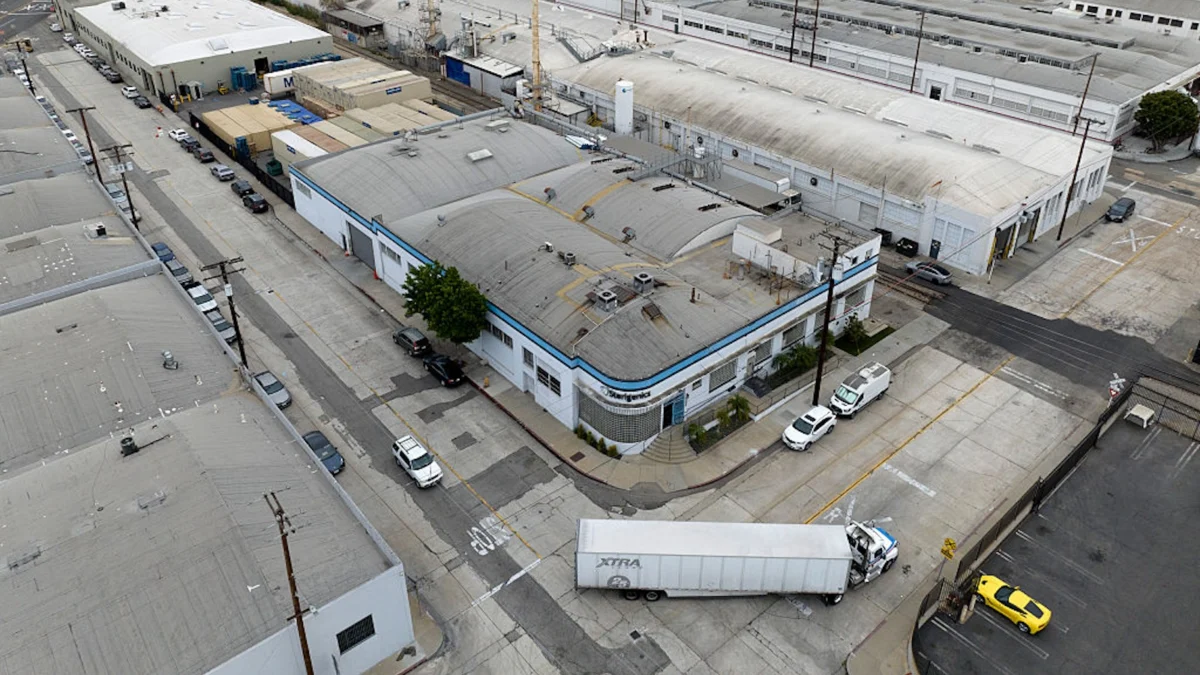
In April 2024, the United States Environmental Protection Agency, under the leadership of Administrator Michael Regan, finalized a landmark regulatory update known as the Hazardous Organic National Emission Standards for Hazardous Air Pollutants, or the HON rule. This regulation was designed to fundamentally alter the landscape of industrial air quality by imposing stringent, modern emission limits on more than 200 petrochemical plants across the United States. For residents of Louisiana’s 85-mile stretch between Baton Rouge and New Orleans—a region grimly dubbed Cancer Alley—the rule represented a long-overdue victory. Tish Taylor and her father, Robert, stood alongside federal officials as the ink dried on a policy they believed would finally safeguard their community from the toxic byproducts of the surrounding petrochemical giants.
However, the political transition that followed the 2024 presidential election triggered a rapid and systematic dismantling of these protections. Within months of taking office, the second administration of President Donald Trump initiated a series of regulatory rollbacks, including the issuance of broad, controversial exemptions to the HON rule. This pivot has reignited a fierce legal and social battle between industrial interests and environmental justice advocates, raising profound questions about the future of public health, the integrity of federal oversight, and the weight of scientific evidence in administrative policy.
The Genesis and Scope of the HON Rule
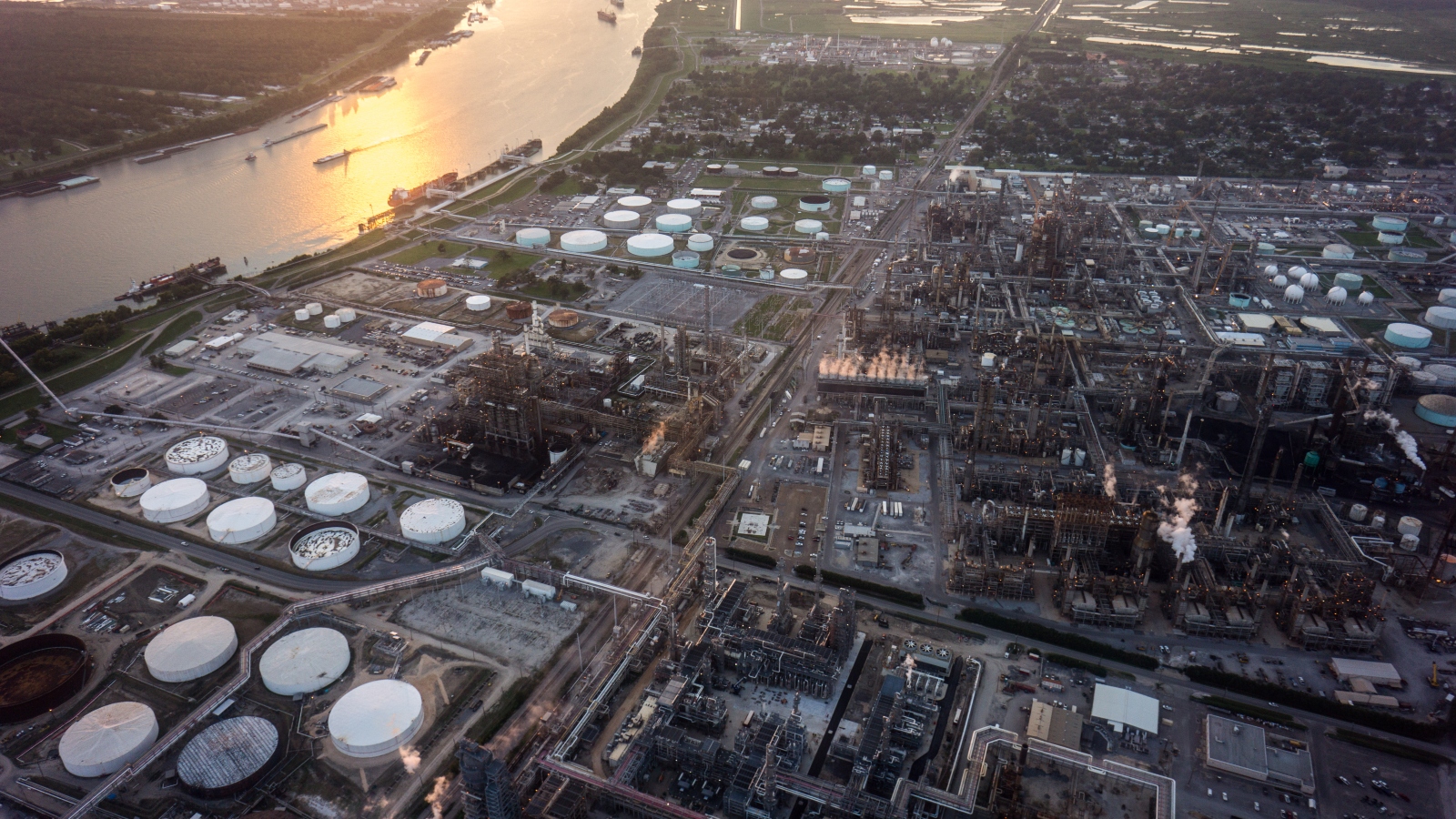
The HON rule was the culmination of years of advocacy and scientific review. It targeted the emission of six highly toxic substances: ethylene oxide, chloroprene, benzene, ethylene dichloride, vinyl chloride, and 1,3-butadiene. According to the EPA’s 2024 assessment, these chemicals are recognized as potent carcinogens linked to a range of severe health outcomes, including leukemia, lymphoma, breast cancer, liver damage, and reproductive dysfunction.
Before the rule’s implementation, the petrochemical industry was governed by decades-old standards that were significantly more permissive than those applied to automotive or other manufacturing sectors. The HON rule sought to rectify this disparity by requiring the installation of advanced air monitoring technology at plant fencelines. This mandate ensured that when emissions exceeded safety thresholds, operators would be legally compelled to perform repairs. Furthermore, the rule addressed a notorious regulatory loophole that had previously allowed facilities to bypass emissions standards during startup, shutdown, and maintenance periods—phases when equipment failure and flaring often result in the most significant releases of hazardous gases.
The EPA’s original projections were ambitious: the agency estimated the rule would prevent 6,200 tons of toxic air pollutants annually and slash emissions of ethylene oxide and chloroprene by nearly 80 percent. In communities living in the immediate shadow of these facilities, the agency projected a 96 percent reduction in the cancer risk associated with air toxics.
A Timeline of Regulatory Retreat
The dismantling of the HON rule began in earnest during the first months of the second Trump administration. The shift was characterized by a reliance on an obscure provision of the Clean Air Act that allows for temporary exemptions if the government determines that a regulation threatens national security or if compliance technology is deemed unavailable.
- April 2024: The EPA finalizes the HON rule, marking a high point for environmental justice movements in the Gulf Coast.
- Early 2025: The Trump administration invites petrochemical companies to petition for exemptions from the HON rule and other air toxics regulations.
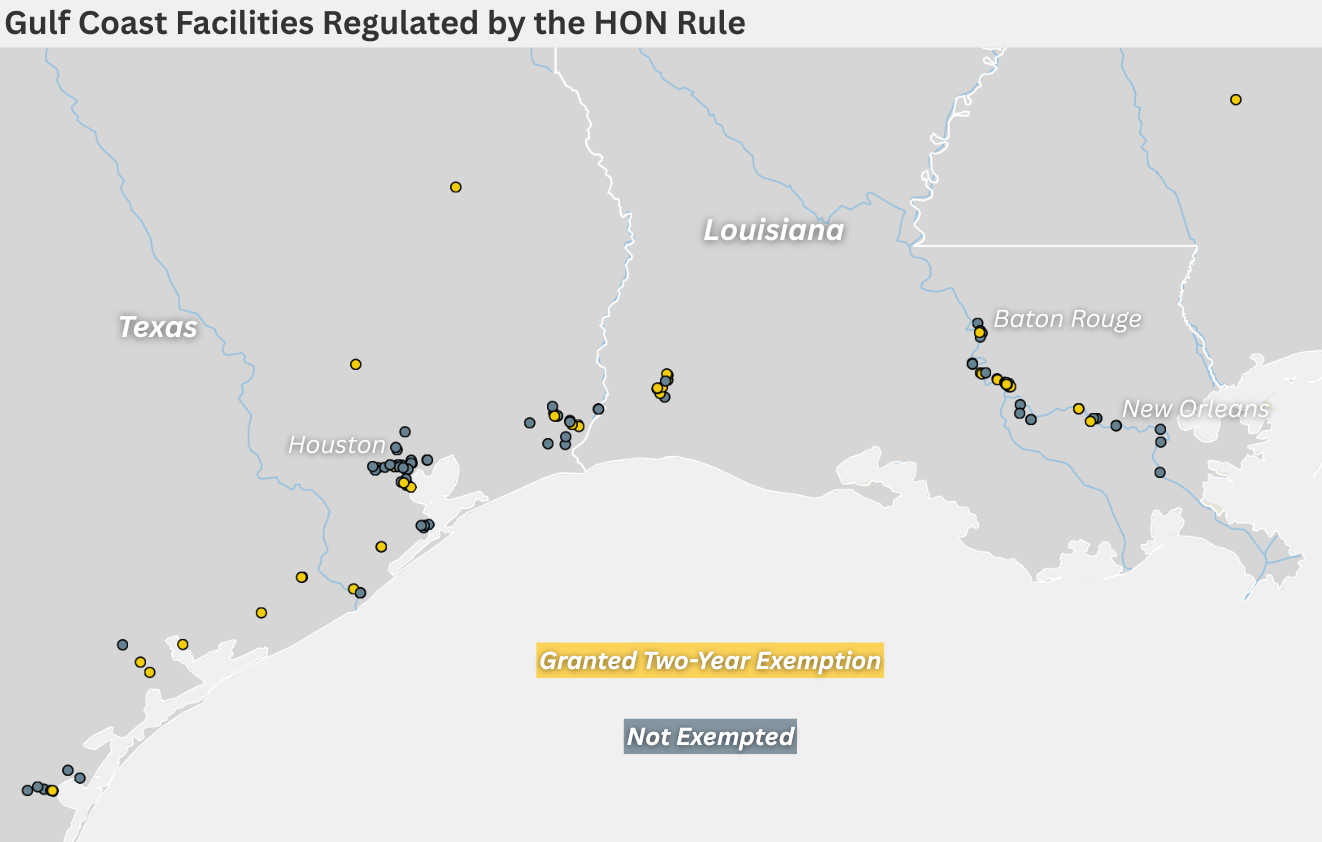
- July 2025: The administration grants two-year exemptions to more than 50 petrochemical facilities, citing "national security interests" to support domestic chemical manufacturing.
- July 2026: An additional 20 temporary exemptions are issued, accompanied by an announcement that the EPA intends to formally rewrite the regulation in the fall.
- October 2026: A coalition of environmental groups, including the Concerned Citizens of St. John, files a lawsuit in the U.S. District Court for the District of Columbia challenging the legal basis for the exemptions.
Critics argue that the "national security" justification is a pretext, noting that the administration provided no empirical evidence to support the claim that meeting modern emission standards would compromise the supply chain. Annie Fox, a staff attorney at the Clean Air Council, characterized the administration’s actions as a departure from standard legal procedure, noting that such exemptions are intended to be rare, evidence-based exceptions rather than a blanket strategy for deregulation.
Industrial Impact and Economic Rationale
The American Chemistry Council, the primary trade association for the petrochemical sector, has consistently maintained that the HON rule was "overly stringent." The group argues that the timelines for implementation were unrealistic and that the EPA exceeded its statutory authority by mandating technologies that were either unproven or economically prohibitive. From the industry perspective, the regulatory environment under the Biden administration was a burden that threatened the competitiveness of American manufacturing in a global market.
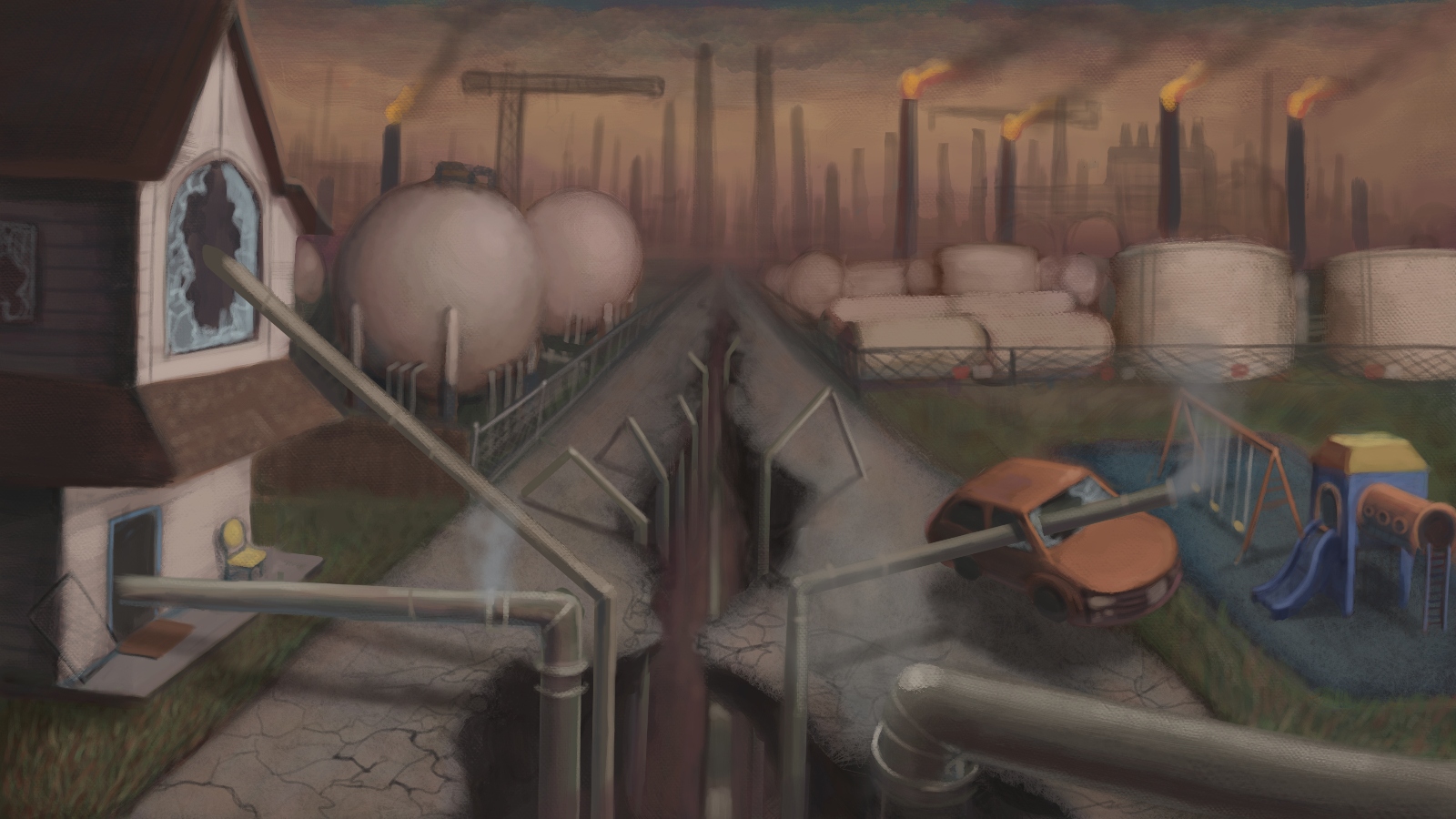
However, independent experts and public health officials have countered that the economic costs are dwarfed by the long-term societal burden of cancer and chronic illness. Dr. Tracey Woodruff of Stanford University has emphasized that the toxicity of these compounds has been documented for decades. By opting to prioritize industrial throughput over emission controls, the current administration has, according to critics, signaled a preference for industrial growth at the direct expense of public health.
The Human Cost and the Future of Cancer Alley
The consequences of these rollbacks are felt most acutely in places like St. John the Baptist Parish, where the risk of cancer from air pollution is nearly 50 times the national average. In these communities, the removal of the HON rule is viewed not merely as a policy change, but as an existential threat.
The broader strategy of the current administration extends beyond the HON rule. The EPA has also moved to weaken the Risk Management Program, which was designed to prevent industrial catastrophes by mandating that facilities prepare for natural disasters, conduct independent safety audits, and share accident-history data with the public. Furthermore, the removal of an online data-transparency tool—which previously allowed citizens to look up the chemical inventories and accident histories of nearby plants—has left many communities in the dark regarding the risks they face daily.

Shiv Srivastava, policy director at Fenceline Watch, notes that the loss of this information creates a dangerous vacuum. "We are left without the most basic knowledge about what is being handled in our backyards," he said. The concern is that by lowering safety bars and reducing transparency, the administration is inadvertently increasing the probability of a catastrophic chemical release, reminiscent of historical industrial disasters.
Implications for Regulatory Governance
The legal battle currently unfolding in the District of Columbia is expected to set a major precedent for how the executive branch utilizes the Clean Air Act. If the administration is successful in rewriting the HON rule, it could establish a new standard for how environmental regulations are interpreted, moving away from a health-protective framework toward one that emphasizes economic deregulation and administrative discretion.
For community leaders like Sharon Lavigne, founder of RISE St. James, the fight is a long-term commitment. Despite the setbacks and the current legal climate, she remains steadfast. Having kept the commemorative pen gifted to her during the rule’s signing, she views the current rollback as a temporary state of affairs. "When he gets out of office, we’re going to fix it back," she vowed.
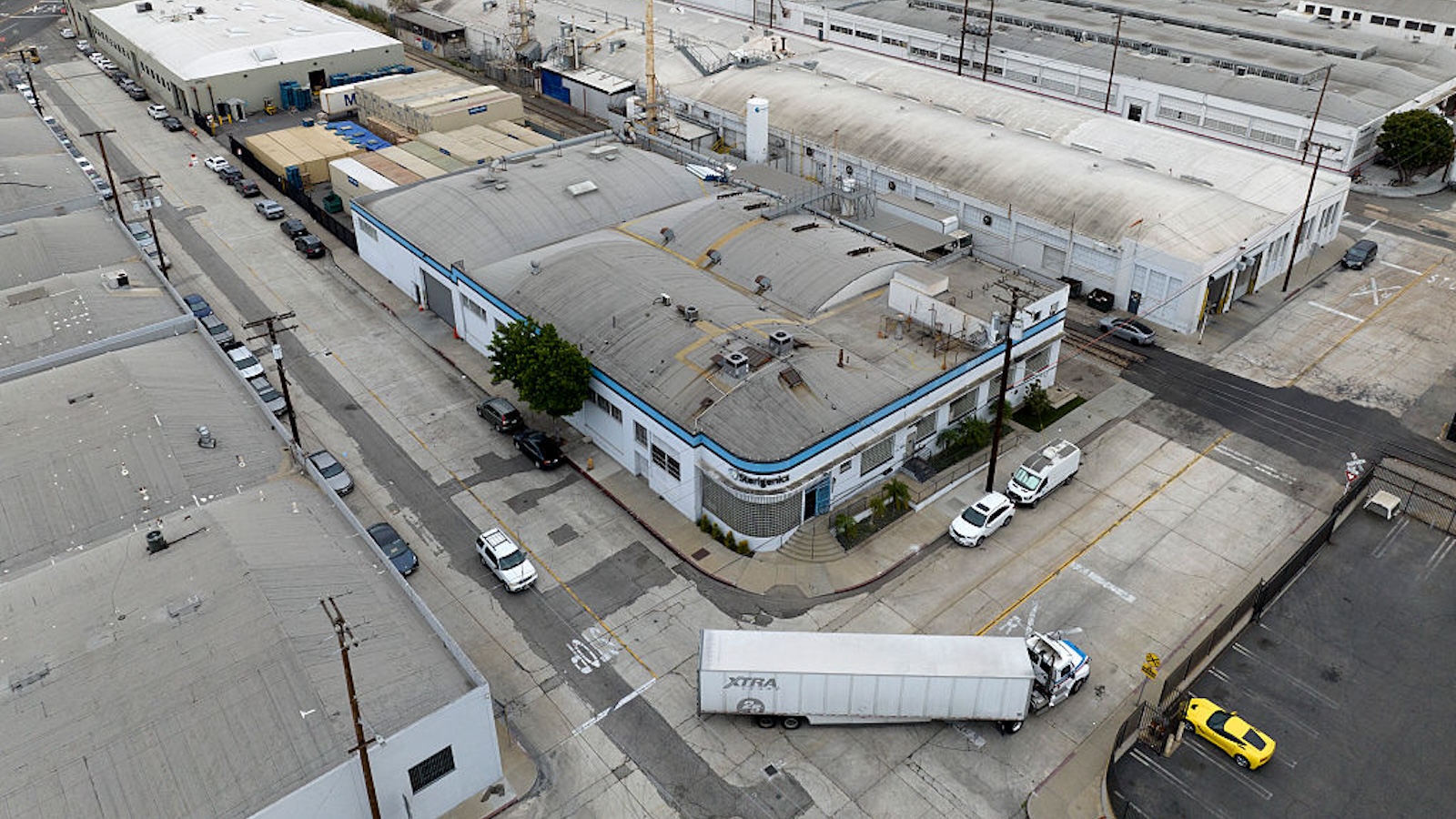
The situation remains fluid as the EPA prepares to formally propose a revised, likely weakened version of the HON rule. The outcome of this process will have profound implications for the 220 large petrochemical plants across the U.S.—from the Gulf Coast to the industrial centers of Kentucky, Ohio, and Tennessee—and for the millions of Americans living in the communities surrounding them. The tension between the desire for a robust domestic chemical industry and the mandate to protect citizens from toxic air exposure continues to define the battleground of modern environmental policy. As legal challenges mount, the nation waits to see whether the judiciary will uphold the protective standards established in 2024 or validate the administration’s pivot toward a more permissive regulatory era.

