
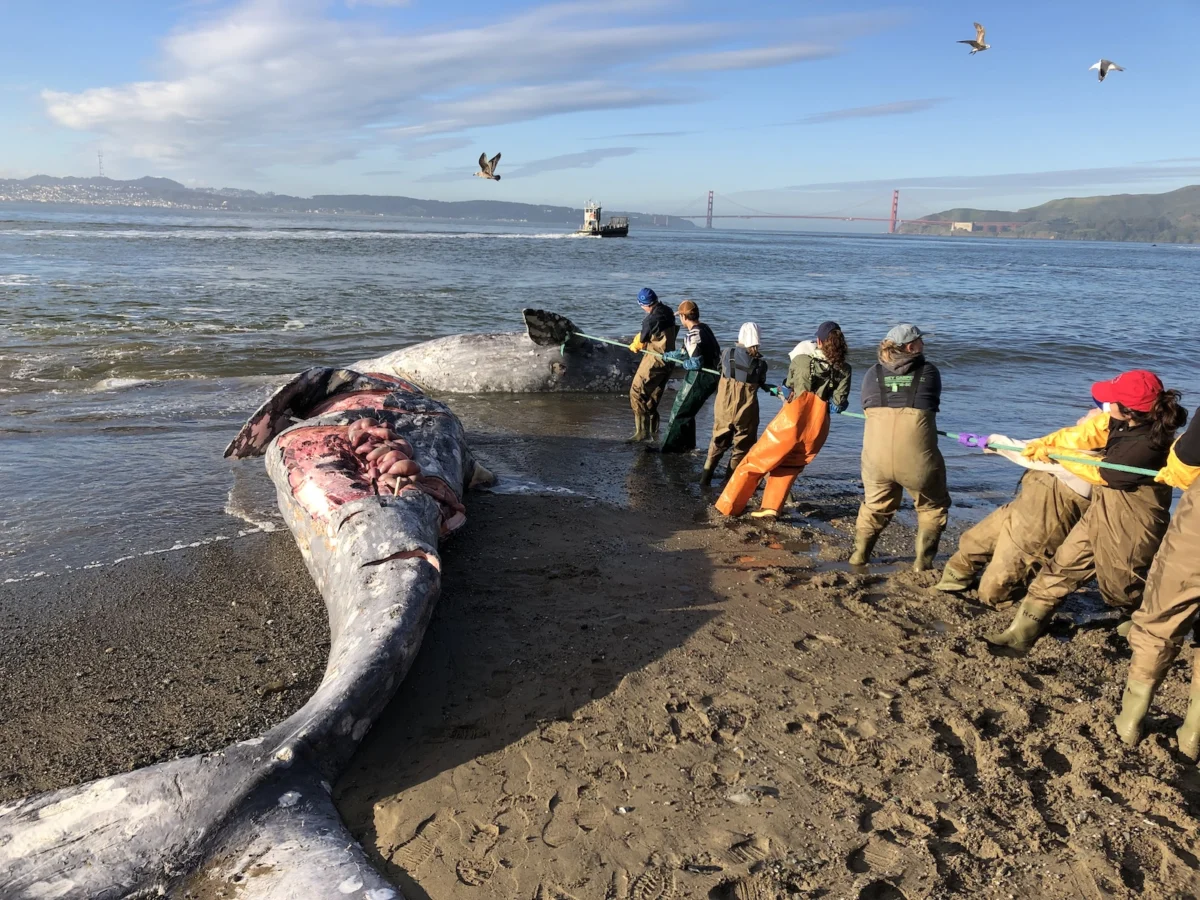
NEWPORT, Oregon — The quiet coastal town of Newport became the epicenter of a desperate scientific convergence last week, as hundreds of researchers, government biologists, and marine conservationists gathered for a two-day summit dedicated to the survival of a single species: the Eastern North Pacific gray whale. The urgency of the assembly was underscored by a harrowing statistic: the population has plummeted by approximately 50 percent over the last decade, a collapse that many experts describe as a direct casualty of a rapidly warming Arctic.
A Species in Freefall
The gray whale, once a symbol of successful conservation, is currently experiencing a demographic disaster. Following their removal from the Endangered Species Act (ESA) list in 1994, the population surged, reaching an estimated peak of 30,000 individuals by 2016. However, the trajectory has since reversed. Current estimates suggest the population now hovers between 11,700 and 17,000, with last year’s reproductive data providing the most alarming signal yet: only 85 calves were recorded, a historic low that signals a potential collapse in recruitment.
The primary driver of this decline is rooted in the Arctic. As climate change accelerates the melting of sea ice, the benthic amphipods—the tiny crustaceans that serve as the primary food source for gray whales—are disappearing. Deprived of the caloric intake required to fuel their massive annual migration from Arctic feeding grounds to the calving lagoons of Mexico, the whales are arriving at their destination in a state of chronic malnutrition. This energy deficit manifests in lower birth rates, higher adult mortality, and an increased susceptibility to secondary threats, including ship strikes and entanglement in commercial fishing gear.
Chronology of a Regulatory Standoff
The tension at the Newport conference was palpable, stemming from a widening chasm between biological reality and federal policy. The timeline of this crisis is marked by mounting evidence and administrative silence:
- 2016: Eastern North Pacific gray whale populations reach an estimated peak of 25,000 to 30,000.
- 2019-2023: Significant increase in strandings reported along the U.S. West Coast, with 187 carcasses recorded in a single summer.
- 2025: The Trump administration takes office, initiating a series of policy shifts including funding cuts to the National Oceanic and Atmospheric Administration (NOAA) and the proposed elimination of the Marine Mammal Commission.
- August 2026: Conservation groups file a formal notice of intent to sue after the administration fails to respond to a petition to relist the gray whale under the Endangered Species Act.
The legal standoff is now the focal point of the movement to save the species. Miyoko Sakashita, an attorney for the Center for Biological Diversity, argues that the administration’s refusal to act violates the legal mandate to utilize the "best available science." Under the ESA, once a species is listed, the federal government is legally obligated to develop a formal recovery plan. Without this designation, the whales remain in a regulatory limbo where protection is largely voluntary and underfunded.
The Science-Policy Chasm
The atmosphere in Newport was characterized by a distinct "walking on eggshells" dynamic. Because a significant portion of the attendees were government scientists or researchers reliant on federal grants, there was a stated mandate to avoid political discourse. Organizers explicitly prohibited the discussion of policy during the presentations, confining the scope of the conference to biological data and ecological modeling.
"People were walking on eggshells," noted Mark Palmer of the Earth Island Institute. "The organizers made it very clear from the beginning that they would not discuss policy issues." This constraint reflects the broader climate of apprehension within federal scientific agencies since 2025. Reports of staff reductions and a redirection of agency priorities to align with partisan objectives have left many career civil servants hesitant to speak on the record. NOAA, when approached for comment regarding the delayed birth counts and the petition for relisting, declined to provide a statement.
Data Discrepancies and Ecological Reality
A significant point of contention during the summit was the recent population data released by federal agencies. While official reports have suggested a modest rebound of approximately 5,000 whales in the last year, independent researchers have met these figures with profound skepticism.
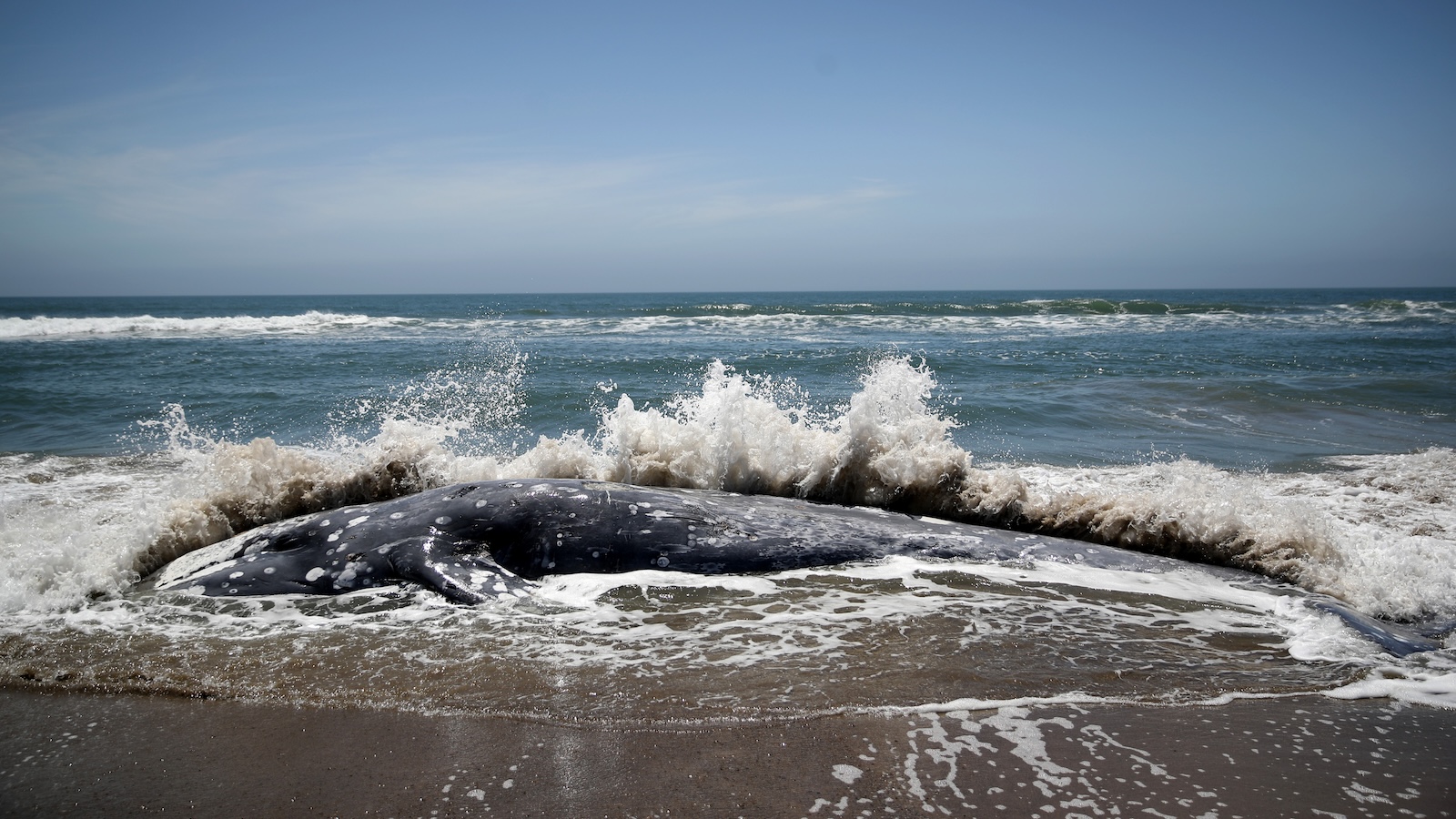
"It is physically impossible for gray whales to produce that many animals in such a short time," Palmer stated, pointing to the record-low calf count. The discrepancy suggests either a failure in data collection methodologies—exacerbated by budget cuts and reduced monitoring—or a fundamental misunderstanding of current migration patterns.
The ecological stakes are profound. As the whales struggle to maintain their health, they are increasingly venturing into high-traffic, dangerous areas such as the San Francisco Bay. Scientists report that up to 50 percent of whales entering these confined, busy shipping lanes succumb to vessel strikes. While technology exists to mitigate these risks, such as sonar tracking and thermal imaging utilized by projects like "Whale Safe," the lack of mandatory speed regulations on the West Coast remains a significant obstacle. Unlike the East Coast, where large vessel speed restrictions are mandatory, West Coast protocols remain largely voluntary, leaving compliance at the discretion of private shipping companies.
Broader Implications for Marine Ecosystems
The plight of the gray whale serves as a bellwether for the health of the entire Pacific ecosystem. Richard Steiner, a veteran marine conservation biologist, framed the situation in stark terms: "As goes Arctic sea ice, so goes the gray whale population."
The potential extinction of a local population is not unprecedented. The Atlantic gray whale was wiped out by commercial whaling centuries ago, marking the only recorded extinction of a whale species in human history. The current crisis facing the Pacific populations highlights that anthropogenic impacts—be they industrial or climate-driven—are capable of overcoming the resilience of even the most robust species.
The implications of failing to act are not limited to the whales. If the administration continues to ignore the petition for relisting, the ensuing litigation will likely drag through the federal courts, further delaying necessary interventions. According to Sakashita, the legal strategy is straightforward: "The law says they have to use the best available science. When we look at this terrible population decline, it seems like there cannot be any other answer than to proceed forward with a threatened or endangered listing."
Looking Toward Mitigation
Despite the political impasse, the scientific community continues to develop strategies to prevent further losses. The focus has shifted toward practical, immediate interventions. Projects like "Blue Whales Blue Skies" and "Whale Safe" demonstrate that incentivizing shipping companies to slow vessels to 10 knots can drastically reduce the lethality of collisions. However, experts agree that these are stop-gap measures.
Without a federal mandate to protect the whales’ habitat and address the root causes of their nutritional decline—specifically the warming of the Arctic—the current efforts may only be delaying an inevitable decline. The conference in Newport concluded not with a sense of resolution, but with a stark challenge to policymakers. As Steiner concluded, "The scientists have done their job in reporting the dire situation for gray whales. Now it’s time for the policymakers to put that science to work in protecting them as much as possible."
The next two months will be critical. If the administration does not act on the petition, the legal battle will enter a new, more aggressive phase, potentially forcing a judicial intervention into the management of a species that, for the moment, remains at the mercy of both a changing climate and a rigid, unmoving federal bureaucracy.

