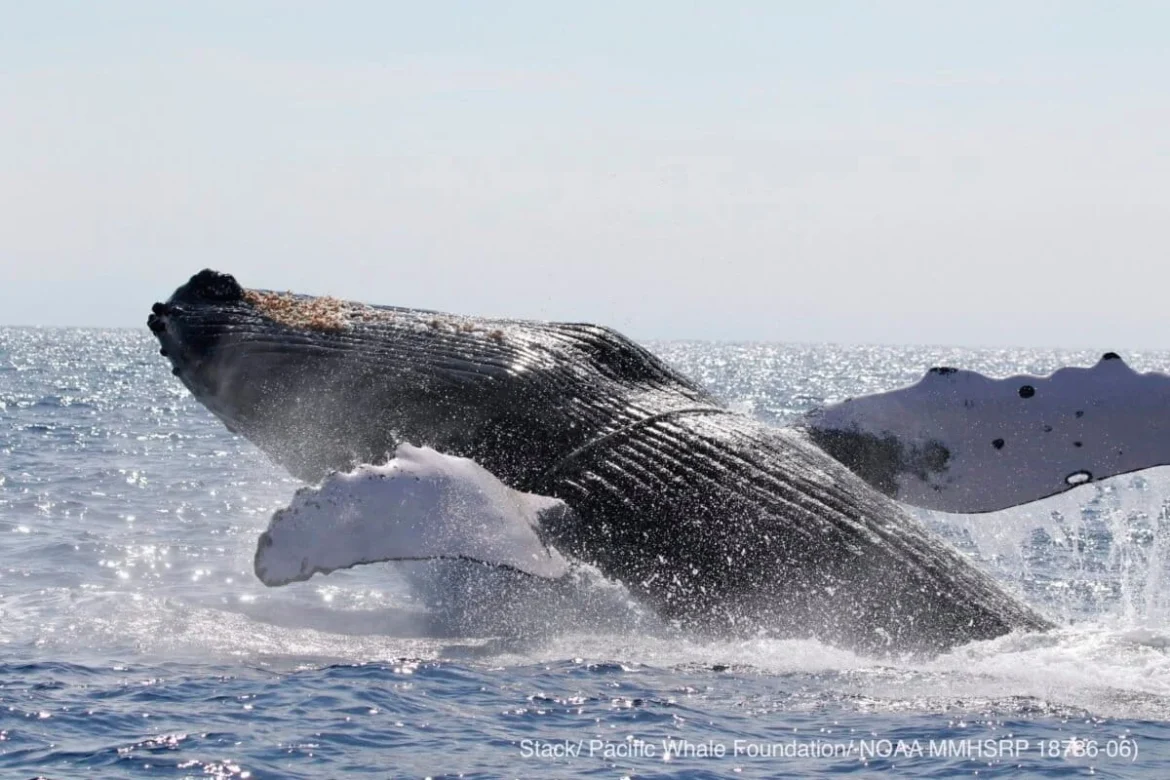
The North Pacific Ocean, once a bastion of biological productivity for marine megafauna, has undergone a profound transformation over the last decade, leaving iconic species like the humpback whale (Megaptera novaeangliae) struggling to maintain their numbers. A landmark study published in Marine Mammal Science has unveiled the staggering long-term consequences of the 2013-2016 marine heatwave, a period of anomalous ocean temperatures that triggered a catastrophic decline in the Hawaiian humpback whale population. Researchers have determined that the population plummeted by approximately 37% between the 2014-2015 and 2021-2022 breeding seasons, a loss that persists today as the animals struggle to recover from a biological bottleneck that experts describe as unprecedented for such a long-lived species.
The Anatomy of a Marine Heatwave
The 2013-2016 event, colloquially known as "The Blob," was a massive expanse of unusually warm surface water in the northeastern Pacific. It was driven by a combination of high-pressure atmospheric ridges and a subsequent El Niño event, which disrupted the normal upwelling of cold, nutrient-rich waters. This disruption proved fatal for the base of the marine food web. Forage fish and krill—the primary prey for North Pacific humpbacks—rely on these cool, nutrient-dense waters to thrive. As the temperature rose, the density of these essential food sources plummeted, effectively starving the massive whales that depend on them.
The impact was not merely a local phenomenon. Humpback whales are migratory giants, feeding in the productive, cold waters off the coasts of Alaska, British Columbia, and California during the summer months, and traversing thousands of kilometers to the tropical waters of Hawaii to mate and give birth during the winter. When the "canteen" in the North Pacific ran dry, the whales arrived at their breeding grounds in Hawaii significantly malnourished, with survival rates for adults falling from a historical norm of roughly 99% to a harrowing 68% during the peak of the heatwave.
Citizen Science and the Fingerprint of the Deep
To reach these sobering conclusions, researchers conducted an exhaustive analysis of over 27,000 photographs of whale flukes captured between 2002 and 2023. The data was sourced largely from Happywhale, a global citizen science platform that allows researchers and the public to contribute images of tail fins. Because the underside of a humpback’s fluke is uniquely patterned—acting much like a human fingerprint—scientists can track the movement, survival, and site fidelity of individual whales over decades.
Shannon Barber-Meyer, formerly of the Pacific Whale Foundation and a co-author of the study, noted that the data revealed a "precipitous drop" in survival rates that is rarely observed in large, long-lived mammals. In normal circumstances, adult humpbacks are highly resilient, capable of surviving minor environmental fluctuations. The 2013-2016 event, however, overwhelmed this resilience. By the time the heatwave subsided, the estimated population of North Pacific humpbacks had shrunk by approximately 5,000 individuals, many of whom are believed to have perished due to starvation rather than simply migrating to alternative feeding grounds.
Chronology of a Crisis
The timeline of this ecological collapse provides a sobering look at how quickly climate-induced change can outpace species adaptation:
- 2013-2014: The initiation of "The Blob" begins to surface in the North Pacific, causing initial drops in sea surface temperatures (SST) and shifts in zooplankton composition.
- 2015: The marine heatwave reaches peak intensity, compounded by a strong El Niño event. Reports of emaciated whales and unusual mortality events (UMEs) begin to surface along the Alaskan and British Columbian coasts.
- 2016: The heatwave begins to dissipate, but the biological lag effect takes hold. Whale calves born during this period show poor survival rates due to the malnutrition of their mothers.
- 2017-2020: Humpback populations in Hawaii fail to show signs of rebounding. Monitoring data indicates a lack of new recruitment, suggesting that the population is aging without the influx of a new generation.
- 2021-2023: Long-term analysis confirms that the population remains roughly 37% below pre-heatwave levels, with no significant evidence of the recovery that scientists initially hoped would follow the return to "normal" temperatures.
Broader Implications for Marine Biodiversity
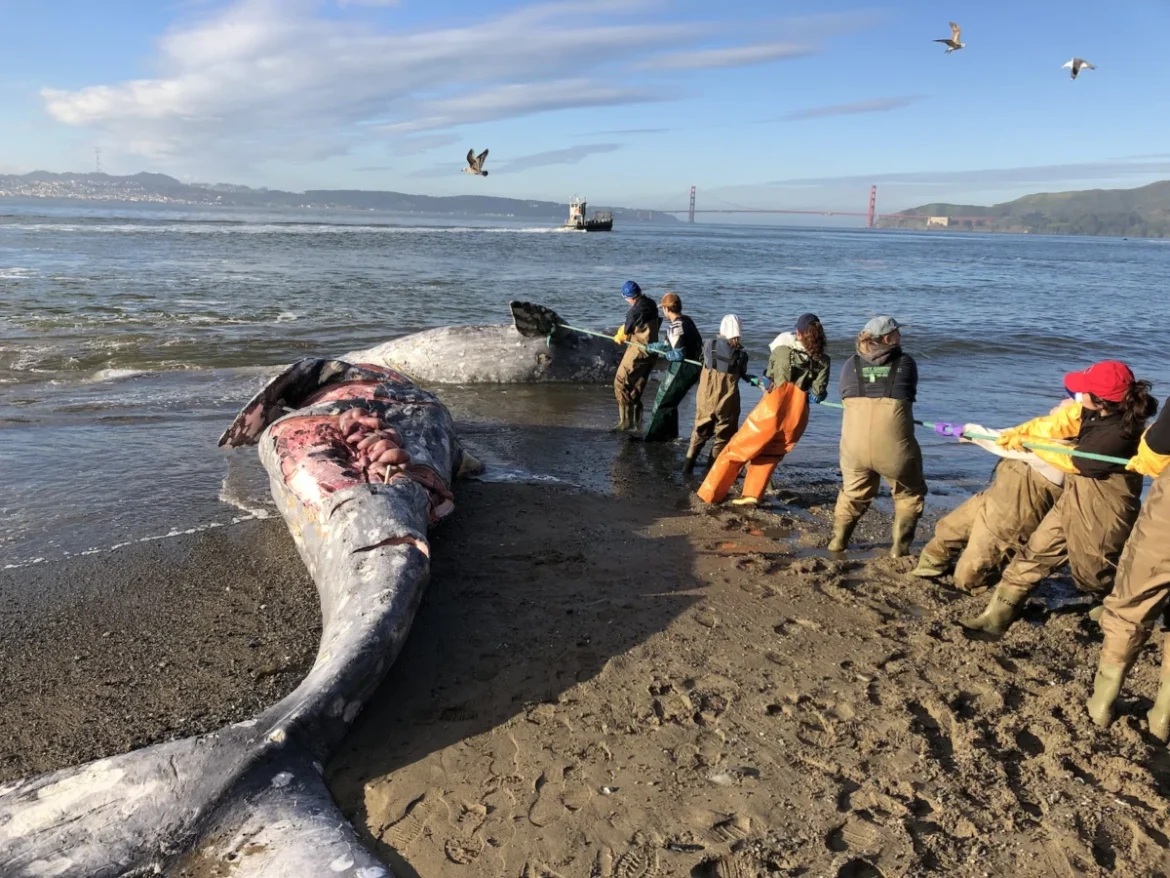
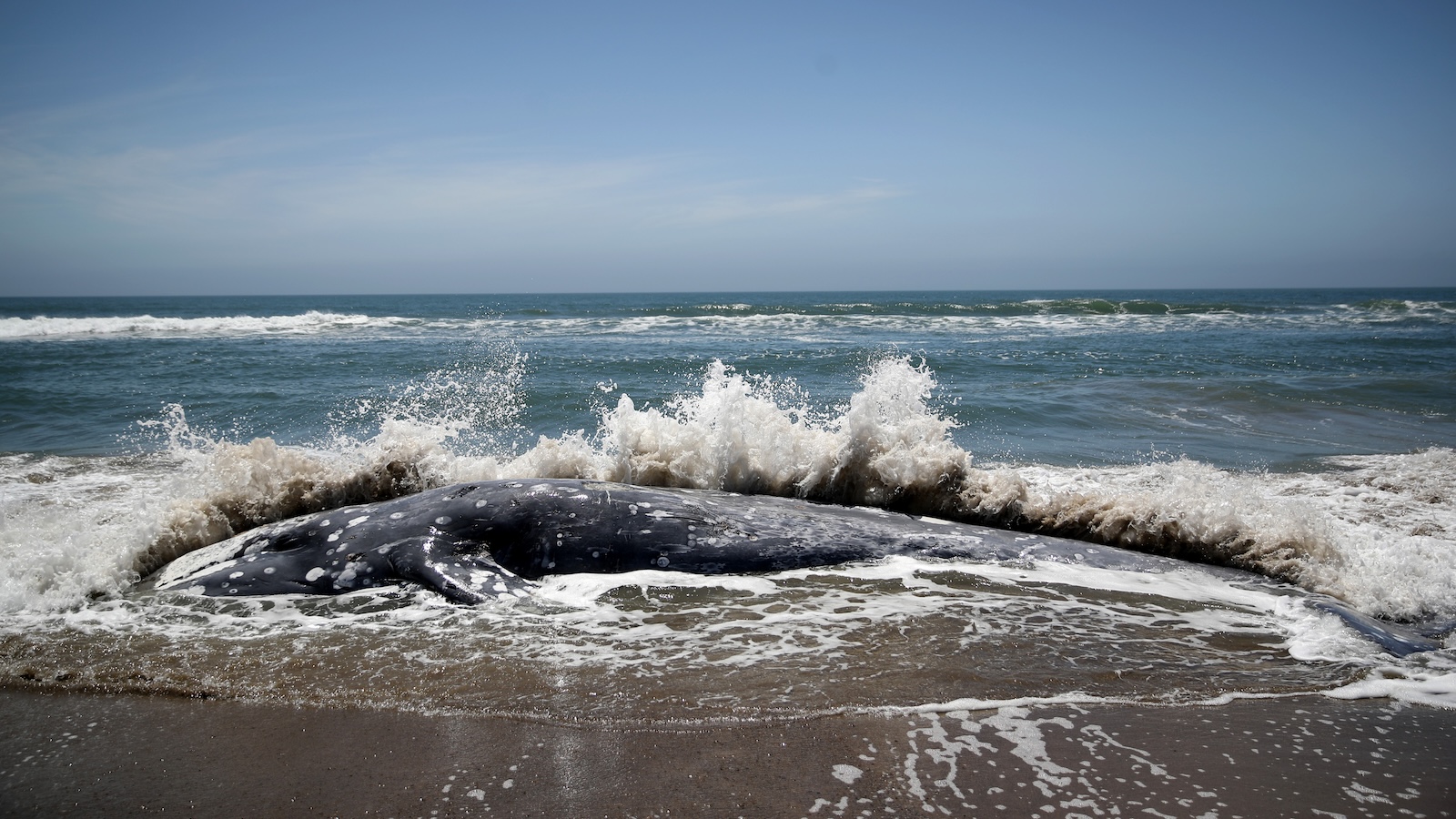
The plight of the Hawaiian humpback is not an isolated incident; it is a signal of a broader trend affecting the Pacific basin. John Calambokidis, a research biologist with the Cascadia Research Collective, emphasized that the data from this study provides a vital lens through which to view future climate scenarios. He pointed to the catastrophic decline in Eastern North Pacific gray whales, which are also suffering from a failure in their Arctic feeding grounds, exacerbated by rapid sea ice loss.

The common denominator is the instability of the base of the food chain. When primary production—the growth of phytoplankton and the subsequent abundance of zooplankton—is suppressed by thermal stress, the effects ripple upward through the trophic levels. For species like the humpback whale, which must store enough energy in the summer to sustain themselves through a non-feeding breeding season in the winter, even a 10% reduction in food availability can be the difference between life and death.
Anthropogenic Stressors and the Future of the Species
The failure of the population to recover is particularly concerning because the marine environment has not returned to a state of stasis. Today, the North Pacific is experiencing recurring marine heatwaves, and global climate trends continue to push sea surface temperatures higher. A weakened, smaller population is inherently more vulnerable to the secondary threats that have historically plagued humpbacks: commercial fishing gear entanglement, lethal ship strikes, and chemical pollution.
"Disruptions to the climate system could affect humpback whale populations globally," says study co-author Daniel Palacios of the Center for Coastal Studies. Because humpbacks inhabit every ocean on Earth, the Pacific experience serves as a case study for what may occur in the Atlantic or Southern Oceans as those waters warm.
The lack of recovery in the Hawaiian population suggests that the "carrying capacity" of the North Pacific may have been fundamentally altered. The ocean is not the same place it was in 2010. Increased thermal stratification—the formation of distinct, non-mixing layers of water—prevents the vital nutrients needed for life from reaching the surface. Without these nutrients, the food web cannot support the same biomass of whales it once did.
Expert Analysis and Policy Responses
The scientific community is now calling for a shift in how we monitor these populations. Traditional census methods, which may only occur every few years, are often too slow to capture the rapid, mortality-driven declines that occur during intense heatwaves. Real-time data, like that provided by the Happywhale project, is becoming the gold standard for tracking, but it requires consistent funding and international cooperation.
Furthermore, the study highlights the need for a precautionary approach in managing marine protected areas and shipping lanes. If the humpback population is at a significantly lower threshold, then every individual death—whether caused by entanglement or ship collision—has a much larger impact on the long-term viability of the population. Conservationists are advocating for stricter speed limits for vessels in identified whale-use areas and improved technology for crab and lobster gear to reduce the risk of entanglement, ensuring that we do not lose more individuals to human activity while the population attempts to stabilize.
In conclusion, the 2013-2016 marine heatwave served as a dark precursor to the climate realities of the 21st century. The 37% decline in the Hawaiian humpback population is a testament to the fragility of marine life in an era of rapid environmental change. As the North Pacific continues to warm, the challenge for conservationists, policymakers, and the scientific community will be to determine if these populations can find a new equilibrium, or if we are witnessing the beginning of a long-term contraction of one of the ocean’s most magnificent species. The survival of the humpback is no longer just a matter of protection from whaling or ship strikes; it is now inextricably linked to our ability to mitigate the thermal degradation of the world’s oceans.