
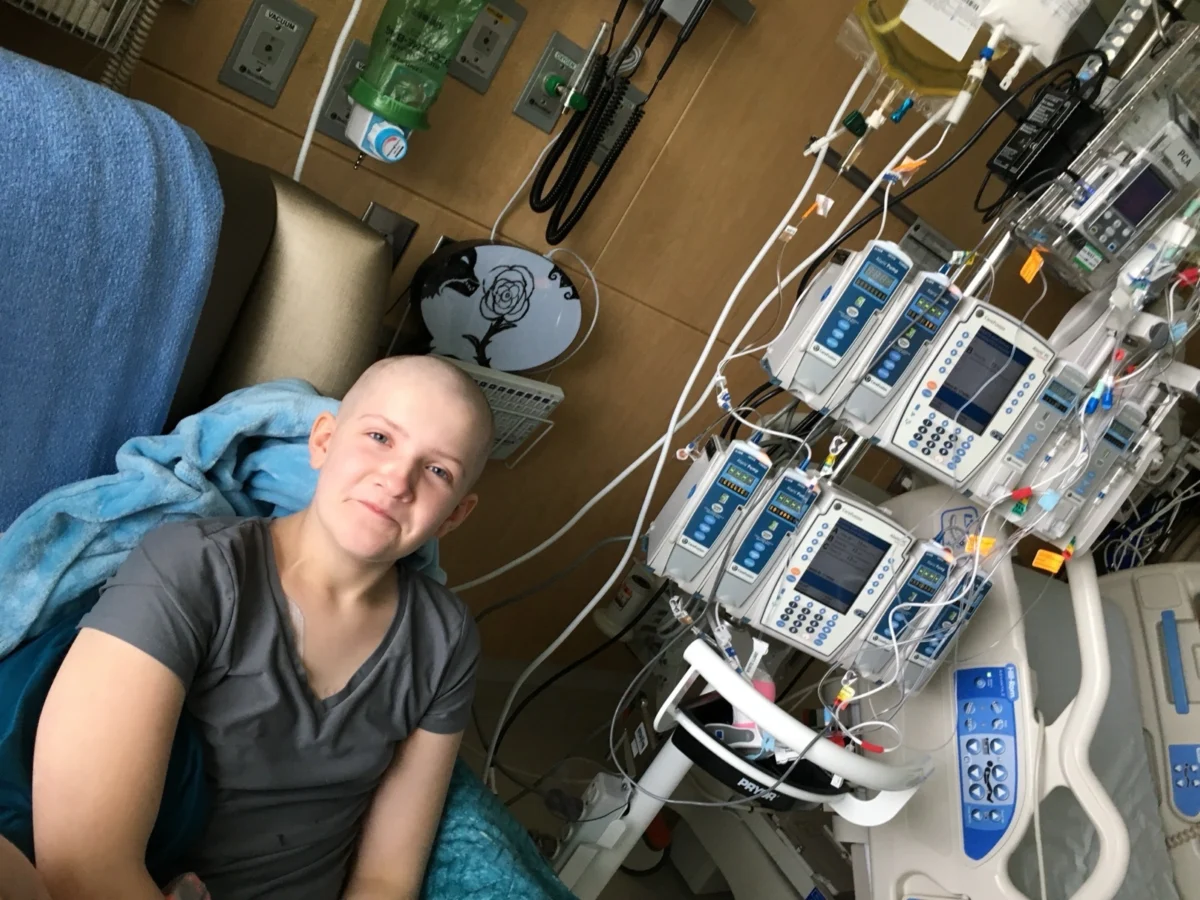
Five years into her remission from childhood Hodgkin lymphoma, 19-year-old Taya Hailstone faces a battle that has little to do with her initial diagnosis and everything to do with bureaucratic policy. Though her cancer is gone, the lasting physical damage to her organs and nerves remains a daily obstacle. Basic household chores, such as loading a dishwasher or walking across a room, can present monumental challenges. Yet, despite her ongoing medical vulnerabilities, the Montana Department of Public Health and Human Services decided last year that Hailstone was no longer eligible for low-cost disability health coverage through Medicaid. Instead, state officials switched her to the state’s Children’s Health Insurance Program—another Medicaid pathway—just three months before she was set to age out of it entirely.
This administrative ruling highlights a growing nationwide anxiety. Across the United States, patients with disabilities have long struggled with administrative hurdles, bureaucratic blunders, and profound confusion when attempting to secure and maintain federally subsidized health coverage. Now, with the implementation of new federal Medicaid work requirements, states face the daunting task of adjudicating medical exemptions for an unprecedented volume of enrollees. Healthcare advocates, legal aid attorneys, and policy researchers warn that Hailstone’s case is a troubling bellwether, indicating that state public health systems are ill-equipped to handle the complex nuances of disability redeterminations, which could result in millions of vulnerable Americans losing access to critical health care.
A Portrait of Resilience and Lingering Illness
Hailstone’s medical journey began at the age of 10 when she was diagnosed with a severe form of blood cancer. The aggressive disease and its subsequent treatments dominated nearly half her life, leaving not only psychological scars but also severe, permanent physical repercussions. During her treatment, her intestines tore, necessitating a partial surgical removal. Consequently, her body struggles to process food efficiently and is prone to severe, sudden dehydration.
Furthermore, the lingering side effects of her cancer treatment frequently induce cognitive fog and cause her hands and feet to swell to the point where gripping a fork or maintaining steady mobility becomes excruciatingly difficult. Living in Roundup, a central Montana town of roughly 2,000 residents, Hailstone and her mother, Kyla, must regularly make a grueling two-hour round-trip drive to Billings for specialized medical care. Hailstone typically attends three medical appointments a week, seeing physical and occupational therapists alongside a mental health counselor to manage her post-treatment reality.
"Some days you feel fine and then you suddenly crash," Hailstone explained, describing the unpredictable nature of her recovery. Without Medicaid, she says she cannot afford the ongoing treatments necessary to manage the long-term aftermath of her childhood cancer. "It feels like this process was made to make you give up."
The Catalyst for State Action and Administrative Overreach
The administrative shift in Hailstone’s coverage occurred after state officials discovered that she had voluntarily stopped receiving Social Security disability payments. Hailstone made the difficult decision to halt those payments in the hope that she could eventually improve her health enough to enter the workforce and save money beyond the strict income caps mandated by Supplemental Security Income rules. However, because her health fluctuates unpredictably on a daily basis, she remains too sick to maintain consistent, gainful employment.
Despite letters from her treating physicians detailing her ongoing medical limitations, the state made its administrative ruling without ever requesting records from her medical team. While Hailstone has managed to maintain her Medicaid coverage temporarily while appealing the decision through legal channels, her case underscores a systemic vulnerability.
According to Megan Dishong, deputy director of the Montana Legal Services Association, which assists low-income residents with public benefit navigation, state-level medical reviews to determine whether an individual meets federal definitions of a disability are fraught with inconsistency. "Whether that happens is always a bit of a crapshoot just based on state capacity," Dishong noted. "Things fall through the cracks."
Jon Ebelt, a spokesperson for the Montana Department of Public Health and Human Services, stated that the agency does not comment on individual Medicaid cases. However, he emphasized that the state’s health department accepts disability determinations made by the Social Security Administration and maintains that the agency is committed to treating every client with respect and helping eligible individuals secure appropriate coverage.
The Broader Landscape of Medicaid Work Requirements
Hailstone’s individual struggle unfolds against a backdrop of massive, systemic shifts in public health policy. Under federal legislation passed through the One Big Beautiful Bill Act, states are mandated to implement work-for-coverage rules by January 2027. These regulations require millions of Medicaid enrollees to prove they are actively working, attending school, or participating in community service or job training programs to retain their healthcare benefits.

The Congressional Budget Office (CBO) estimates that approximately 18.5 million people will be subjected to these new verification rules. Data from KFF reveals that more than 40% of these affected enrollees live with chronic health conditions. While the legislation includes provisions to excuse individuals who are certified as "medically frail" or too sick to work, the implementation of these exemptions has sparked intense political and legal battles.
Initially, states developed plans to handle these medical judgment calls based on the statutory language passed by Congress. However, many were surprised when federal officials subsequently released rules that placed an even higher evidentiary burden on enrollees, requiring them to conclusively prove that their specific illness actively prevents them from working.
National advocacy organizations, such as Families USA, have strongly criticized these federal rules, arguing that they force states to construct a fragmented network of review systems that rivals or exceeds the complexity of the Social Security Administration’s established disability review apparatus. In fiscal terms, the SSI program alone cost more than $5 billion to administer for roughly 7 million people nationwide. By comparison, federal legislation allocated a mere $200 million for all states to share as they implement the new work requirements, leaving state agencies scrambling to pay outside contractors millions of dollars to adapt chronically flawed public aid systems.
Legal Challenges and Systemic Strain
Recognizing the immense administrative hurdles and potential for widespread coverage losses, a coalition of 25 states filed a joint lawsuit against the federal administration in June, challenging the stringent medical frailty documentation rules. The plaintiff states argue that the requirements are overly burdensome for patients to navigate and virtually impossible for state agencies to accurately assess without causing severe administrative gridlock. That litigation remains ongoing.
Meanwhile, states are moving forward with implementation timelines. Nebraska initiated its work requirements in May, while Montana launched its verification checks in July. Montana has established a three-month grace period, meaning state officials will not begin formally disenrolling individuals for noncompliance until October. However, public health experts and legal aid advocates fear the grace period is merely a brief pause before widespread disruption occurs.
Pamela Herd, a public policy professor at the University of Michigan who specializes in bureaucratic obstacles to public benefits, expressed deep concern over the complexity of the emerging system. "When we’ve designed public programs in ways that people can’t figure out whether they’re eligible without consulting lawyers, we’ve done something wrong," Herd said. "That has huge, huge implications for what’s to come."
The CBO projects that more than 5 million people will lose their Medicaid coverage by 2034 as a direct result of the new work mandates. For chronically ill and disabled individuals, the intersection of work requirements and complex exemption processes creates a precarious legal and financial landscape.
A Future of Uncertainty for Enrollees
For Taya Hailstone, the bureaucratic maze has forced a difficult strategic retreat. Rather than risking the complete loss of her healthcare coverage while attempting to pursue workforce integration, she is currently reapplying for Social Security disability payments. While securing that aid will once again impose strict limits on her ability to work and save money, it remains her only reliable guarantee of maintaining access to the Medicaid benefits essential for her survival.
Her mother, Kyla Hailstone, points out that the state has failed to provide transparent definitions regarding how it evaluates disability status during redeterminations, describing the appeals process as frustratingly slow and dysfunctional. Without her mother’s persistent advocacy and legal assistance, Taya acknowledges that she likely would have already lost her benefits.
As Montana and other states approach the crucial autumn deadlines for enforcing work requirement disenrollments, healthcare advocates warn that the administrative strain will only intensify. Overstretched physicians, already burdened by clinical demands, now face the added pressure of adjudicating whether a patient’s medical condition legally exempts them from work mandates.
For millions of Americans navigating chronic illnesses and disabilities, the unfolding policy shift represents more than an administrative hurdle—it is a high-stakes test of a social safety net under profound pressure. As Dishong cautioned regarding the upcoming months in Montana, the transition risks becoming "a slow-roll mess" that leaves the nation’s most vulnerable patients vulnerable to systemic failure.

