
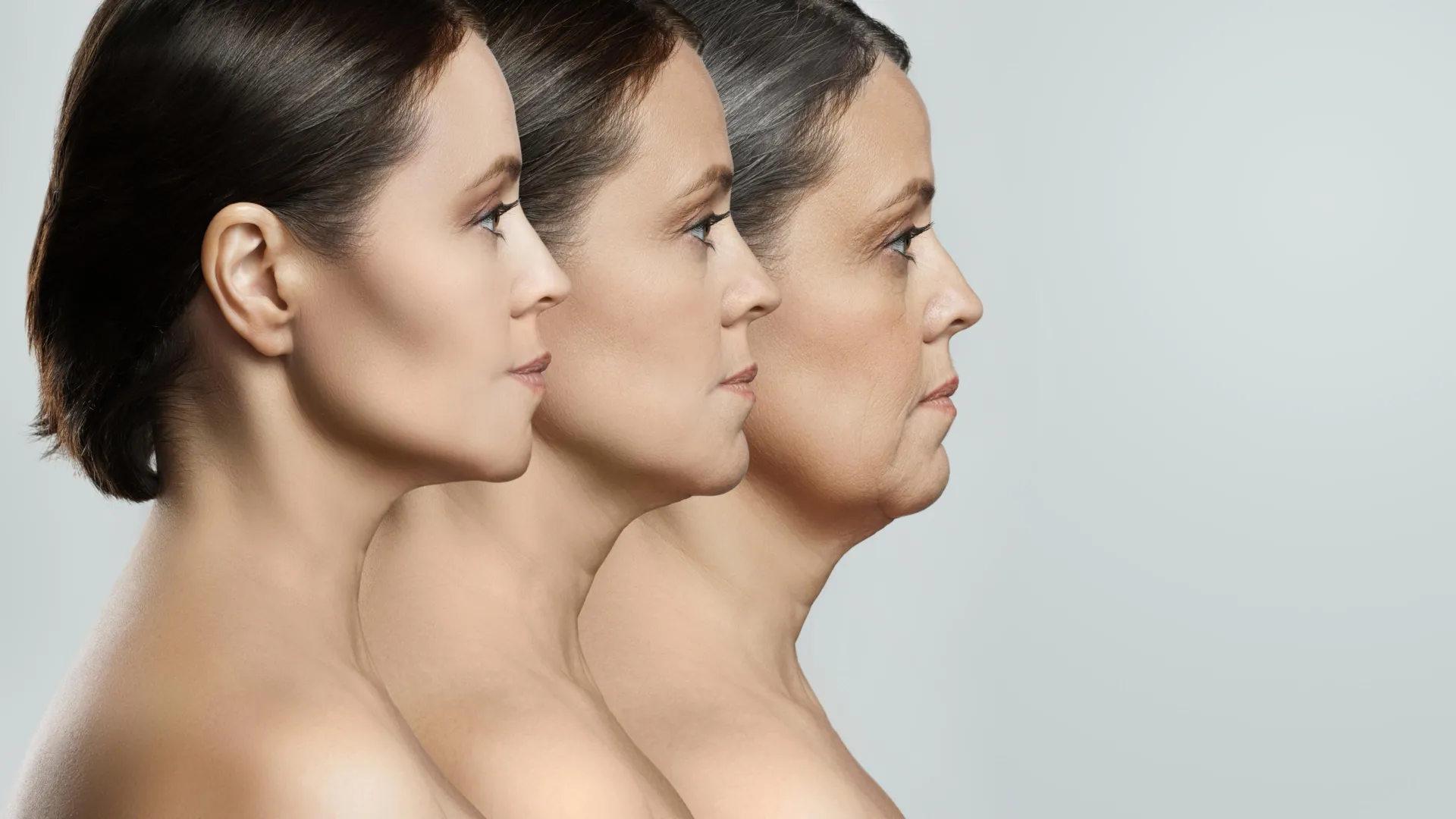
For decades, the conventional medical consensus viewed oncology as a disease predominantly tied to the natural arc of aging. The foundational understanding dictated that as individuals live longer, their cellular machinery is subjected to cumulative environmental, chemical, and metabolic stress, granting mutations ample opportunity to take root and catalyze tumor growth. However, a seismic demographic shift has forced the medical community to reevaluate this paradigm. Across the globe, oncologists are recording an alarming uptick in cancer diagnoses among younger adults—individuals in their twenties, thirties, forties, and early fifties—with successive generations appearing to face a compounding risk profile that outstrips that of their parents and grandparents at comparable stages of life.
This epidemiological conundrum has sparked an intense international investigation into a provocative and unsettling hypothesis: Are younger generations accumulating biological damage at an accelerated rate, effectively forcing their bodies to age faster than their chronological years dictate?
A landmark study helmed by researchers at the Washington University School of Medicine in St. Louis has delivered compelling empirical evidence supporting this theory. Utilizing massive, multi-national health datasets, the research team identified unmistakable physiological markers indicating that younger cohorts are experiencing biological aging at a pace significantly faster than older generations did at the exact same chronological ages. This widening chasm between chronological time and biological reality is not merely an academic curiosity; the study established a direct statistical link between accelerated biological aging and a heightened vulnerability to early-onset cancers—broadly defined as malignancies diagnosed at or before the age of 55.
The findings, published in the prestigious peer-reviewed journal Nature Medicine, represent a major leap forward in untangling one of modern medicine’s most complex mysteries. By shifting the lens from isolated lifestyle factors to systemic, whole-body physiological degradation, the research offers a unifying framework that could eventually revolutionize how clinicians identify, prevent, and treat cancers in youthful populations.
Deconstructing the Chasm Between Chronological and Biological Age
To understand the gravity of the Washington University findings, one must first delineate the fundamental difference between the two metrics used to measure the passage of time in human physiology. Chronological age is a rigid, unyielding metric: it simply counts the calendar years a person has been alive since birth. Biological age, conversely, is fluid and highly individualized. It measures the functional status of a person’s cells, tissues, organs, and metabolic pathways, quantifying how old the body actually appears and operates based on measurable biochemical damage.
Historically, a person’s biological age closely mirrored their chronological age, save for minor variations driven by genetics or extreme lifestyle disparities. Yet, this equilibrium appears to be fracturing across recent birth cohorts.
According to the study’s authors, cancer risk scales directly with the magnitude of the gap between biological and chronological age. Individuals belonging to more recent generations consistently demonstrated larger discrepancies, manifesting biological profiles that made them look significantly older on a cellular and metabolic level than their predecessors did at the same age. This generational shift in biological aging trajectories provides a compelling missing link, helping to explain at least a substantial portion of the inexplicable global rise in early-onset malignancies.
Crucially, the research revealed that accelerated aging does not manifest uniformly across every physiological system. Instead, the data uncovered specific, localized vulnerabilities: faster biological aging within distinct organ systems was directly correlated with particular types of early-onset cancer. For instance, an immune system exhibiting signs of advanced biological aging was statistically linked to a heightened risk of early-onset lung cancer. Similarly, fat (adipose) tissue that displayed premature biological wear-and-tear was explicitly associated with an increased susceptibility to early-onset colorectal cancer.
These granular insights suggest that the mechanisms driving early-onset cancers are not random cellular glitches, but rather targeted vulnerabilities resulting from systemic, organ-specific deterioration.
A Methodological Triumph Powered by Big Data
For years, researchers studying the early-onset cancer epidemic faced a frustrating analytical bottleneck. While epidemiologists had thoroughly cataloged numerous isolated risk factors—ranging from the global obesity epidemic, rising rates of metabolic dysregulation, increased alcohol consumption, and sedentary lifestyles to poor dietary quality and even the rise in cesarean deliveries—no single factor could shoulder the blame. None of these individual variables could single-handedly account for the sweeping, cross-population surge in young adult cancers.
This analytical deadlock spurred principal investigator Dr. Yin Cao, a molecular epidemiologist and associate professor of surgery and medicine at WashU Medicine, and her colleagues to pursue a more holistic methodology. They needed a metric robust enough to capture how myriad environmental, lifestyle, and societal influences interact, accumulate, and compound over a human lifetime to undermine cellular health.
That expansive vision was made possible through major funding and institutional backing from Cancer Grand Challenges, a premier global research funding initiative co-founded by the National Cancer Institute (NCI) in the United States and Cancer Research UK (CRUK). Operating as the co-lead of Team PROSPECT—an international consortium dedicated to unmasking the roots of early-onset cancers—Cao leveraged this global collaborative network to conduct an analysis of unprecedented scale.
The research team turned to two massive, high-resolution health databases. The primary cohort comprised data from more than 154,000 young adults enrolled in the UK Biobank, an exhaustive repository containing deep biological, clinical, and lifestyle information. To cross-validate and ensure the findings were not unique to the British population, the team also analyzed health data from more than 10,000 participants in the United States enrolled in the National Institutes of Health’s (NIH) All of Us Research Program, a sweeping initiative designed to compile a comprehensive health atlas of over 1 million Americans.
Quantifying the Speed of Cellular Wear-and-tear
To accurately gauge biological aging across this vast demographic landscape, first author Ruiyi Tian, a doctoral student within the Cao lab, spearheaded the application of two distinct analytical scales: systemic aging, which evaluates overall physiological deterioration, and organ-specific aging, which measures the rate of decay within discrete biological systems.
For systemic aging, the researchers utilized validated clinical biomarker frameworks, including PhenoAge and the Klemera-Doubal Method, alongside a sophisticated metabolomic age score tailored to capture age-related deviations in human metabolism. PhenoAge, for instance, calculates biological age by synthesizing nine routine blood biochemistry markers, such as albumin (synthesized by the liver) and creatinine (a metabolic waste product cleared by the kidneys), offering a clear window into systemic health.
To evaluate organ-specific aging, the team turned to blood proteomic data. By quantifying circulating levels of numerous proteins tied explicitly to distinct organ systems, the researchers could estimate the biological age of specific physiological hubs. The team then calculated the average disparity between biological and chronological age within distinct birth cohorts, utilizing standard deviation metrics to quantify how starkly each group deviated from the broader study baseline.
Empirical Evidence: Younger Generations Display Advanced Biological Profiles
The empirical results laid bare a striking generational divide that held true across both British and American cohorts, independent of chronological age.
Among the UK Biobank participants, individuals born between 1965 and 1974 exhibited a systemic aging score that was 23% of one standard deviation higher than those born between 1950 and 1954. In practical terms, members of this younger generational cohort consistently carried biological profiles that mapped to older chronological ages when matched against their older peers.
The generational acceleration appeared even more pronounced within the U.S. data pool. Participants in the NIH All of Us cohort who were born between 1990 and 1999 displayed a systemic aging score that was a staggering 92% of one standard deviation higher than those born between 1965 and 1969.
Having established that younger cohorts are biologically older than their predecessors, the researchers pivoted to the critical question: Do these accelerated aging profiles translate directly to an elevated cancer incidence?
The statistical answer was an unequivocal affirmative. Greater systemic aging in younger cohorts was associated with an immediate 8% increased risk of early-onset solid tumors. The most pronounced associations were concentrated in malignancies of the lung, gastrointestinal tract, and uterus.
When participants were stratified into three distinct tiers based on the severity of their systemic aging, a stark dose-response pattern emerged. Individuals falling into the highest tier of advanced systemic aging faced a 15% elevated risk of developing early-onset solid cancer when compared directly against peers demonstrating the least advanced biological aging. Notably, these statistical associations held firm even after researchers rigorously controlled for inherited, genetic cancer risks and known genetic predispositions to accelerated aging, cementing environmental and lifestyle-driven biological wear as the primary suspects.
International Perspectives and the Quest for Answers
The implications of these findings have reverberated through the global scientific community, drawing praise from leaders of the international initiatives that funded the work.
"Right now, we don’t have a definitive answer to what’s driving the rise of early-onset cancers around the world, but studies like this are helping us piece together the bigger picture, showing that cancer may be influenced not just by changes inside individual cells, but by wider changes happening across the body as a whole," noted Dr. David Scott, director of Cancer Grand Challenges. Emphasizing the necessity of cross-border scientific collaboration, Scott added that tackling a crisis of this magnitude requires pooling intellectual and technological resources on a global scale—a mission made possible through the partnership between Cancer Research UK and the National Cancer Institute.
For Dr. Cao and her Team PROSPECT colleagues, the study marks a crucial stepping stone rather than a final destination. The active frontier of their ongoing research involves decoding precisely how modern environments—ranging from ultra-processed diets and chronic psychological stress to pervasive chemical pollutants and disrupted circadian rhythms—become biologically embedded within human tissue, leaving long-lasting molecular scars that accelerate aging and foster malignant transformation.
Transforming Oncology: From Broad Guidelines to Personalized Prevention
As the medical community grapples with the reality of an aging younger population, researchers emphasize that these insights hold transformative potential for clinical practice. Currently, cancer screening guidelines are heavily age-dependent, typically deferring routine mammograms, colonoscopies, and other preventative diagnostics until individuals cross specific chronological thresholds—such as age 45 or 50.
Consequently, early-onset cancers are frequently diagnosed at advanced stages, as symptoms in younger adults are often initially misattributed or dismissed due to the patient’s youth.
By integrating biological aging measurements into routine clinical evaluations, healthcare providers could fundamentally flip the script on oncology. Instead of reacting to cancer after symptoms manifest, clinicians could theoretically utilize blood-based proteomic and metabolomic panels to flag younger individuals who are silently accumulating excessive biological damage while still outwardly healthy.
"Our ultimate goal is to decode how modern environments become biologically embedded to drive cancer risk, transforming prevention from broad recommendations to personalized interventions," Dr. Cao explained. "If we can identify younger people with the highest cancer risk when they are still healthy, we can focus on prevention and early-detection strategies for the individuals who will benefit most from early interventions. This brings us closer to identifying risk earlier and developing prevention strategies that are tailored to an individual’s biology."
While translating these biomarkers from large-scale epidemiological biobanks into accessible, point-of-care clinical diagnostics will require years of rigorous validation and prospective clinical trials, the path forward is illuminated. By recognizing that younger generations are navigating a uniquely hostile physiological landscape marked by accelerated cellular aging, science is moving closer to an era where cancer care is no longer defined by chronological milestones, but preempted by biological precision.

