
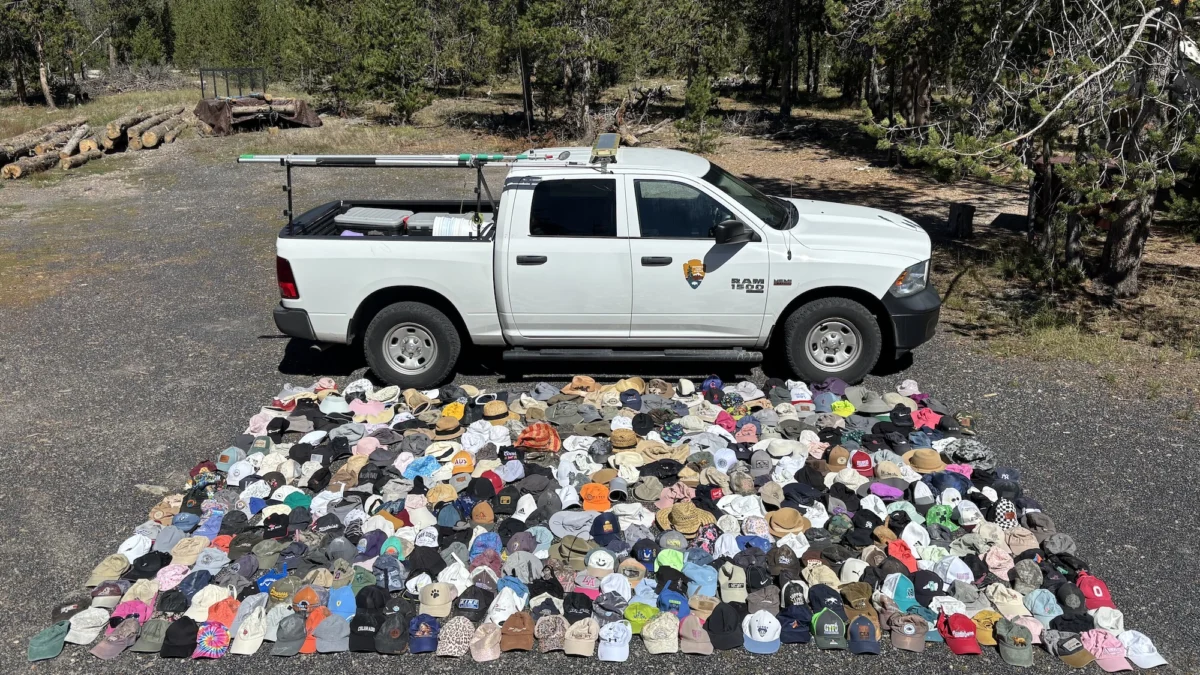
Yellowstone National Park attracts more than 4.5 million visitors annually, drawing international tourists to its geothermal basins, diverse wildlife, and iconic geological landmarks. However, the sheer volume of human traffic in these delicate environments creates an unintended byproduct: a constant influx of lost personal items. As the 2026 summer season concludes, park officials have released a sobering inventory of items retrieved from the park’s hydrothermal features, highlighting the ongoing struggle to balance high-density tourism with the preservation of one of the world’s most fragile ecosystems.
A Chronology of Accumulation
The collection of lost items is not merely an end-of-season chore but a continuous, labor-intensive process performed by the Yellowstone geology team and park maintenance staff. Throughout the spring and summer months, as winds gust across the high-altitude terrain, hats, sunglasses, and personal accessories are frequently snatched from visitors. When these items land outside designated boardwalks—often in or near active hot springs and geysers—they become "hydrothermal debris."
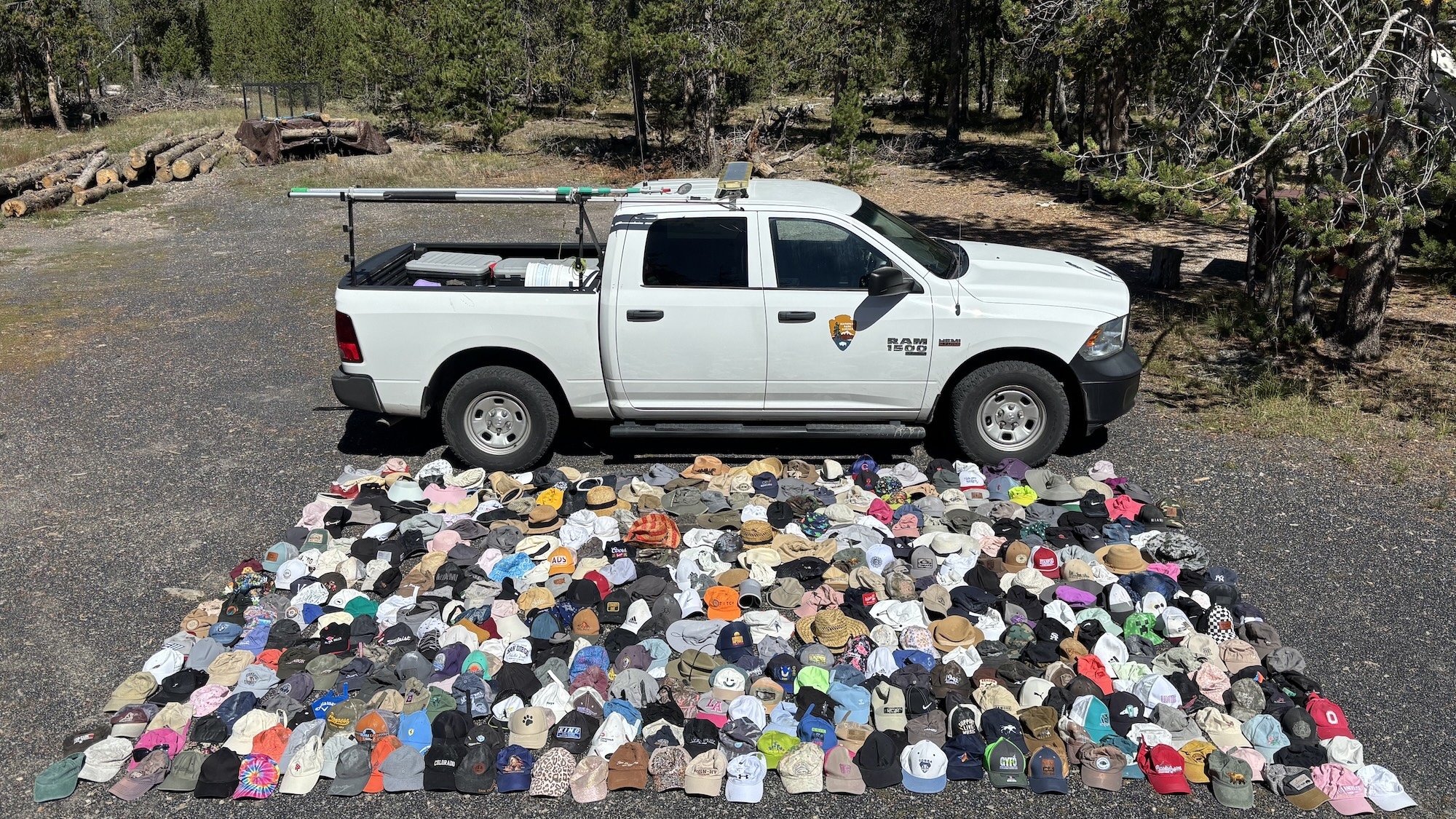
By late September 2026, the cumulative recovery effort resulted in the retrieval of over 280 hats alone. This annual phenomenon has evolved into a logistical necessity; if left to accumulate, these synthetic materials and metal objects can alter the chemical composition of the thermal features, potentially disrupting the unique microbial mats that define the vibrant colors of Yellowstone’s springs.
The Composition of the 2026 Haul
The variety of items recovered this year reflects the diverse nature of the park’s global visitor base. Beyond the hundreds of baseball caps and wide-brimmed sun hats—including a notable FIFA 2026 Men’s World Cup souvenir and a cap ironically labeled "Cowboy Hat"—the recovery teams cataloged a wide range of personal effects.
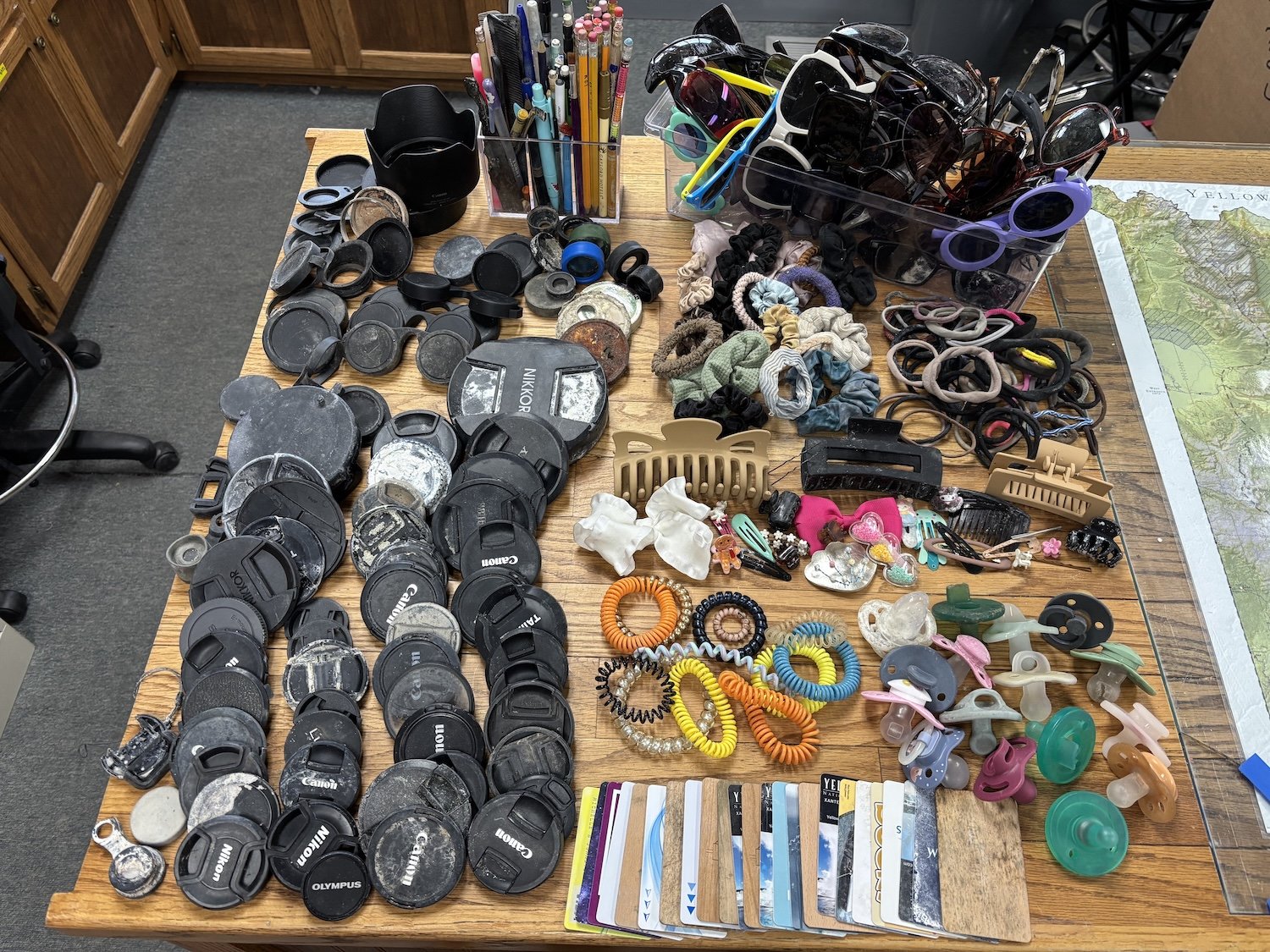
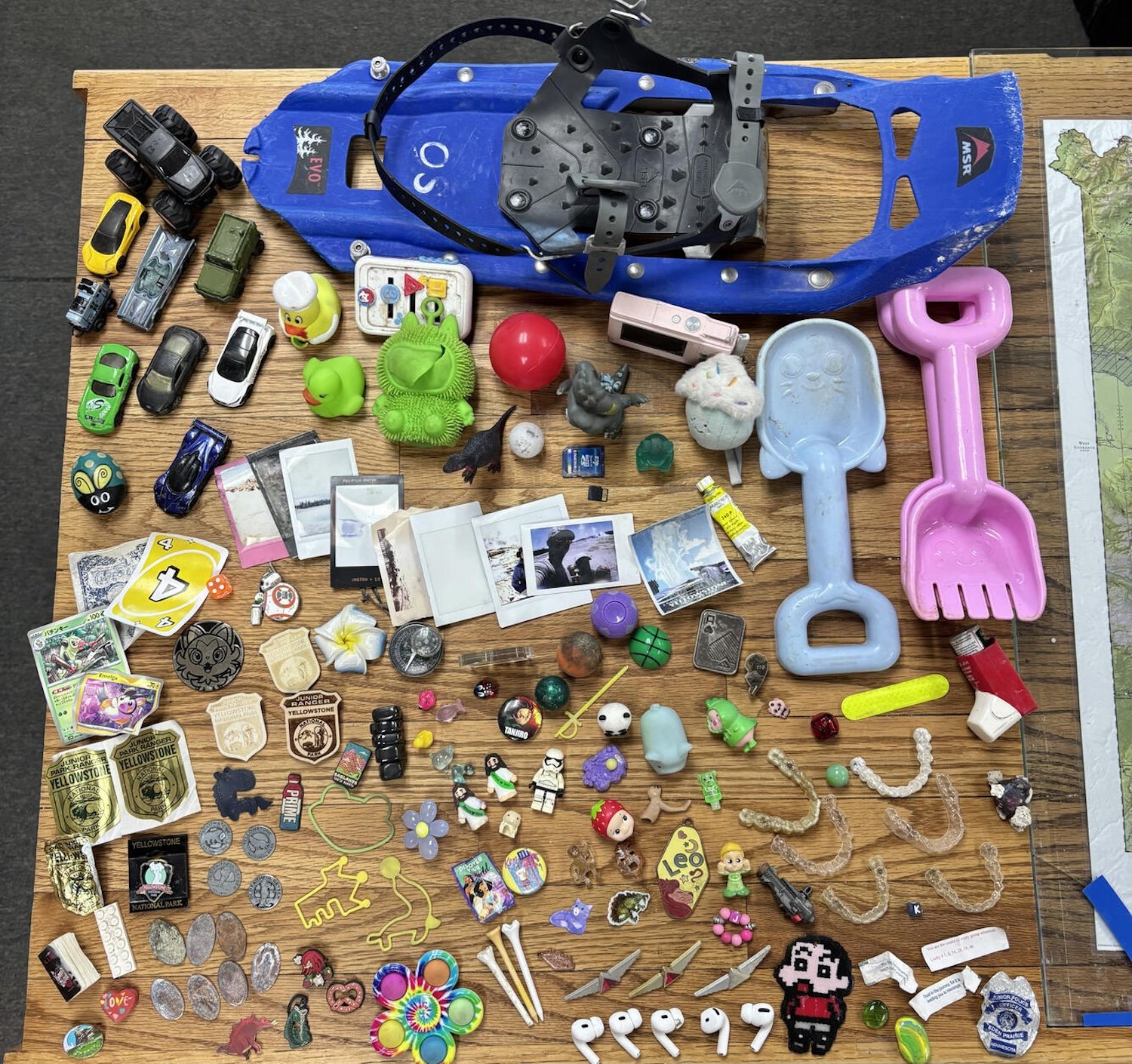
Data provided by the park service indicates that the "oddities" category was particularly robust this season. Among the debris were:
- Currency: More than $18 in various denominations, including U.S. coins, Canadian dollars, euros, pesos, and Japanese yen.
- Technology: Several pairs of Apple AirPods, camera lens caps, and hotel key cards.
- Personal items: Inhalers, dental retainers, hair ties, pacifiers, and children’s toys.
- Anomalies: A single Uno playing card and various pieces of loose jewelry.
The recovery of foreign currency is particularly concerning to park biologists. Visitors frequently toss coins into thermal pools, erroneously treating them as wishing wells. Park officials have repeatedly warned that these actions are prohibited. The metal from the coins, combined with the residues from cleaning agents or synthetic materials on the coins, can introduce foreign bacteria and pollutants that threaten the delicate, ancient ecosystems of the thermal pools.
The Environmental and Economic Implications
The presence of synthetic materials in hydrothermal basins presents a clear risk to the park’s natural integrity. Many of the hats and plastic items recovered are composed of non-biodegradable polymers. When submerged in the boiling, acidic waters of a geyser, these materials can degrade, releasing chemicals into the water column.
Furthermore, the "trash" component—which includes discarded food wrappers, plastic water bottles, and other detritus—has a direct impact on local wildlife. Animals in Yellowstone are highly sensitive to human presence, and the accumulation of trash often leads to animals consuming non-food items, which can have fatal consequences.
From an administrative perspective, the cleanup efforts require significant allocation of labor and resources. Park rangers and geology teams must prioritize these cleanup missions, which occasionally necessitates the temporary closure of certain boardwalks or viewing areas. While the park has pledged to clean and donate the recovered hats to local clothing charities, the overhead cost of the recovery process remains a significant, albeit necessary, expense for the National Park Service.
Official Guidance and Mitigation Strategies
In response to the 2026 findings, the Yellowstone National Park management team has issued a series of recommendations aimed at reducing the volume of lost items. The core of their message is the "Stash Your Trash" initiative, which urges visitors to secure all personal belongings before stepping onto the boardwalks.
"The wind at Yellowstone is a force of nature that visitors often underestimate," said a spokesperson for the park’s geology team. "When you are standing near a geyser, your focus should be on the geology, not on chasing a hat that has been swept away. We encourage visitors to keep their items deep in their pockets or securely attached to their persons."
For those visiting high-wind areas, the park recommends that headwear be removed entirely if it is not secured with a strap. Furthermore, the park has reinforced its "Leave No Trace" policy, reminding tourists that the thermal features are geological wonders that have existed for millennia, and they are not intended to serve as receptacles for personal mementos, coins, or trash.
A Broader Look at Park Management
The issue of lost items in Yellowstone is a microcosm of the larger challenge facing the U.S. National Park system: how to accommodate record-breaking attendance while ensuring the protection of natural resources. As of 2026, the park is exploring improved signage and educational materials to better inform visitors of the risks their behavior poses to the ecosystem.
The decision to donate the recovered hats to local organizations serves as a positive end to an otherwise negative environmental trend. It ensures that while the items were a nuisance to the park, they can at least provide utility to those in need within the surrounding Montana and Wyoming communities.
As the 2026 season draws to a close and winter approaches, the park’s landscape will undergo its traditional transformation. With the boardwalks emptied of the summer crowds, the focus of the maintenance crews will shift toward preparing for the harsh, snowy conditions of the coming months. The lessons learned from the 2026 season—particularly the need for increased vigilance regarding personal items—will likely be integrated into the visitor safety orientation for the 2027 season.
The preservation of Yellowstone is an ongoing collaborative effort between the National Park Service and the millions who walk its trails each year. While the "lost and found" bin at the park headquarters serves as a curious archive of human error, it also stands as a reminder of the fragility of the park’s hydrothermal treasures. By adhering to simple precautions, visitors can ensure that their impact on the park is limited to the memories they create, rather than the physical debris they leave behind. The park’s message remains clear: enjoy the majesty of the geysers, but keep your belongings, and your trash, firmly in your own control.

