
Federal law enforcement authorities have achieved a major breakthrough in the ongoing national crackdown on pandemic-era relief abuse, arresting high-profile fugitive Elaine Angene Escoe in Jamaica. Escoe, who had managed to evade domestic law enforcement for months following allegations that she siphoned off more than $32 million in taxpayer-funded COVID-19 relief funds, was apprehended through a coordinated international operation. The announcement of her capture highlights an aggressive multi-agency push spearheaded by the Department of Justice and the Federal Bureau of Investigation to bring financial criminals to justice.
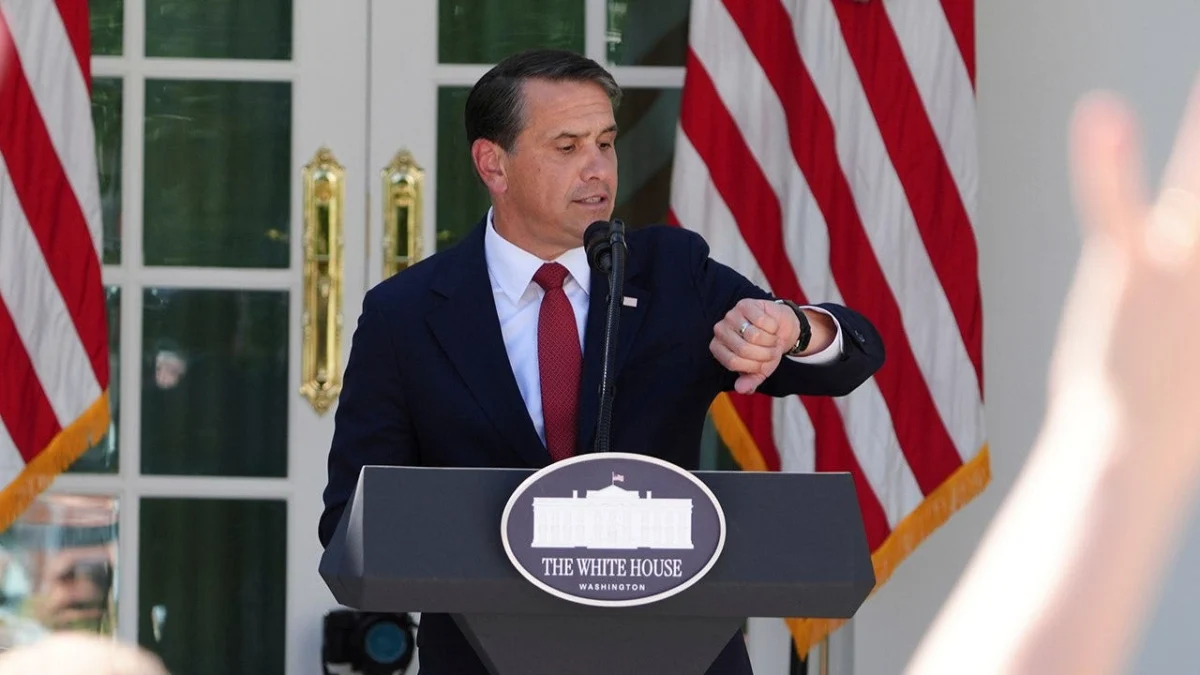
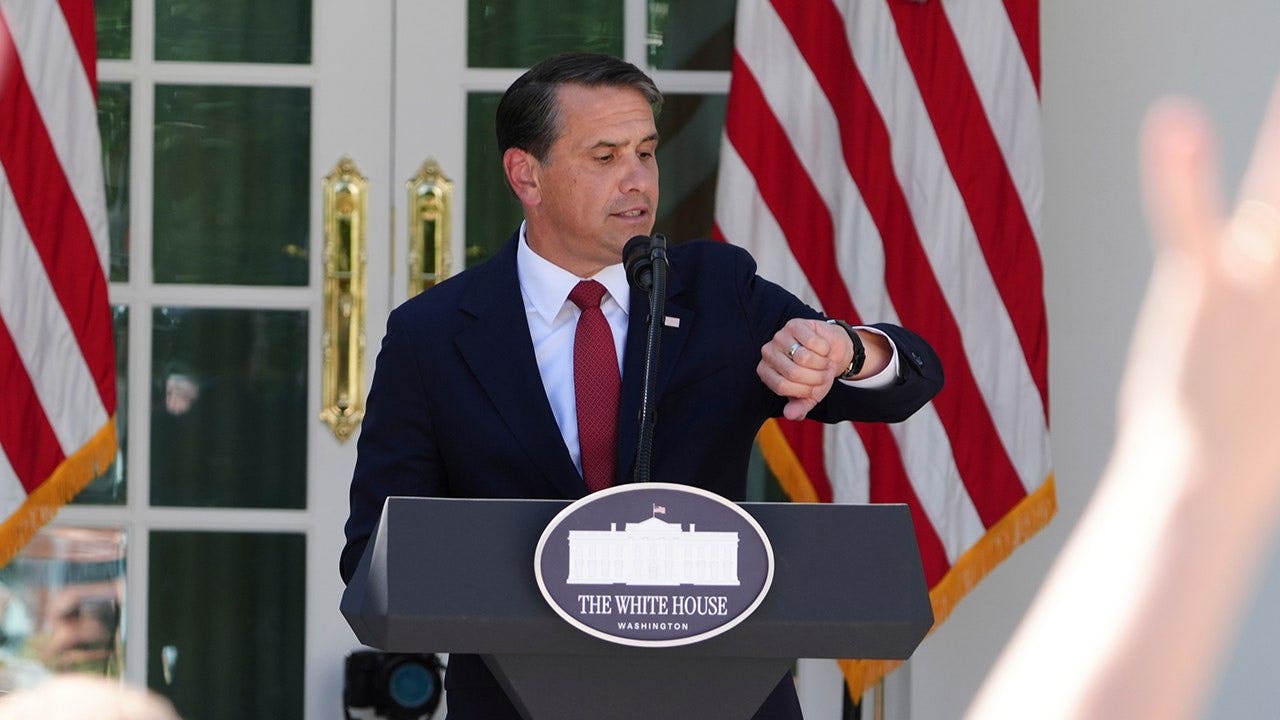
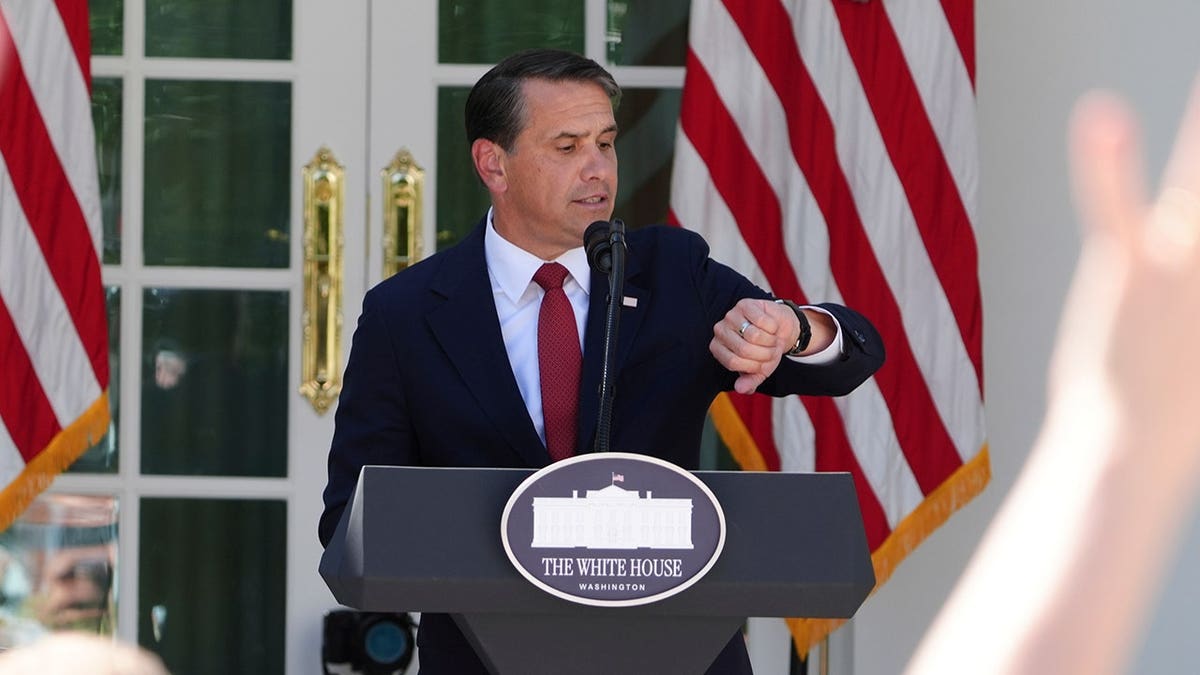
Speaking from the White House Rose Garden, Attorney General Todd Blanche detailed the sweeping scope of the federal government’s enforcement efforts. Blanche revealed that federal prosecutors across the country facilitated the arrests of 160 criminal defendants between mid-June and September alone. Among these are roughly 80 individuals newly charged with perpetrating sophisticated COVID-19 relief fraud schemes originating in Missouri and neighboring Midwestern states. In total, the illicit activities tied to this latest wave of indictments account for more than $245 million in direct losses to U.S. taxpayers.
The intensified nationwide crackdown reflects a broader, highly prioritized domestic policy initiative under the Trump administration. With Vice President JD Vance chairing the federal fraud task force, federal investigators and prosecutors have shifted into high gear, deploying advanced data analytics, inter-agency task forces, and international cooperation agreements to hunt down billions of dollars lost to fraud during the public health emergency.
Chronology and Scope of the Nationwide Crackdown
The systemic vulnerabilities exploited during the COVID-19 pandemic have proven to be a historic target for criminal enterprises and opportunistic fraudsters alike. When Congress authorized unprecedented economic rescue packages—such as the Coronavirus Aid, Relief, and Economic Security (CARES) Act and subsequent legislation—speed was prioritized over stringent vetting to ensure emergency funds reached struggling businesses and citizens rapidly. Unfortunately, this necessitated a loosened oversight framework that bad actors quickly exploited.
In the years following the disbursement of these emergency trillions, federal auditors and investigative bodies have worked tirelessly to claw back stolen funds and prosecute perpetrators. The operation that culminated in Escoe’s arrest in Jamaica is part of a deliberate escalation. Escoe, who allegedly orchestrated a multi-million-dollar scheme utilizing shell companies and falsified payroll records, fled the United States in 2025 as the net began to close around her. Her placement on the FBI’s "Most Wanted Fraudster" list proved instrumental in her eventual location and capture. FBI Director Kash Patel praised the initiative, noting that the targeted public awareness campaigns and cross-border intelligence sharing are producing tangible results in dismantling transnational financial crime networks.
Simultaneously, the Department of Justice has expanded its net beyond traditional corporate relief loans, targeting various vectors of emergency funding, including federal childcare subsidies, nutritional assistance programs, and unemployment insurance networks.
California Childcare Fraud Scheme Uncovers Vulnerabilities
While federal authorities continue to address traditional pandemic relief discrepancies, parallel investigations have exposed massive fraud within auxiliary government support systems. On Tuesday, federal prosecutors in Southern California unveiled a staggering indictment charging 12 defendants tied to at-home childcare facilities. The group is accused of fraudulently collecting more than $10 million in government childcare payments through programs designed to assist low-income families during periods of economic distress.
Investigators revealed a striking operational model behind the scam: the defendants allegedly operated daycare facilities that hosted few or, in many cases, zero children. Despite the complete absence of actual childcare services, the operators submitted continuous claims for state and federal subsidies, pocketing millions in taxpayer money over several years.
Adding another layer of complexity to the Southern California case, all 12 indicted defendants are naturalized U.S. citizens originally hailing from Syria, Afghanistan, Sudan, Iraq, and Somalia. Furthermore, investigative findings showed that some of the accused individuals were entirely out of the country when they supposedly oversaw daily childcare operations and submitted billing sheets.
For instance, court records highlight 63-year-old defendant Turkiya Alawad, who was documented traveling and residing outside the United States between January 1 and January 30, 2024. Despite her physical absence from the domestic childcare facility, official records indicate that childcare subsidy claims bearing her authorization were routinely submitted and paid out during that exact timeframe.
Attorney General Blanche underscored the strict legal boundaries governing public funds during his Rose Garden briefing, issuing a stern warning to anyone attempting to cheat the system. "If you knowingly break the law, you will be held accountable," Blanche stated, emphasizing that geographic distance or citizenship status will not shield offenders from American jurisprudence.
Parallels to Previous Scandals and National Implications
The scale of the Southern California childcare fraud has immediately drawn comparisons to other monumental abuse scandals that have plagued state-level administration of federal funds in recent years. Legal analysts and investigators have noted that the California scheme rivals, and in certain metrics surpasses, the infamous "Feeding Our Future" scandal in Minnesota. That prior case involved roughly $4.6 million in fraudulent claims submitted to the Child Care Assistance Program, sparking widespread outrage and triggering intense congressional inquiries into state-level oversight mechanisms.
Similarly, recent federal raids in Minnesota exposed eye-popping subsidy payments directed toward a select group of nine daycare centers, prompting renewed scrutiny regarding how local agencies vet and audit childcare providers who receive massive influxes of federal dollars. Lawmakers in Washington and state capitals have since ramped up legislative proposals to mandate stricter auditing controls, real-time attendance verification technology, and mandatory background checks for program applicants.
To aid in transparency and public accountability, the White House recently launched an interactive digital map designed to track billions of dollars in suspected and recovered fraud across the country. The tool provides journalists, researchers, and citizens with granular insights into where federal dollars were mismanaged or stolen, reflecting the administration’s commitment to radical transparency in post-crisis financial recovery.
Official Responses and Broader Economic Implications
The aggressive prosecutorial posture adopted by the Department of Justice has garnered mixed reactions from economists and civil watchdogs. While fiscal conservatives and taxpayers largely applaud the aggressive recovery of stolen funds, economists warn that the sheer volume of fraud points to systemic structural flaws that must be structurally addressed before any future national emergencies occur.
The administration’s anti-fraud task force, operating under the direct leadership of Vice President JD Vance, continues to coordinate inter-agency sweeps involving the Department of Labor, the Internal Revenue Service (IRS) Criminal Investigation division, the Secret Service, and the FBI. Officials maintain that these collaborative efforts are essential not only for recovering billions in lost capital but also for serving as a powerful deterrent against future public corruption.
As the judicial proceedings unfold for the 160 defendants recently targeted across Missouri, California, and other jurisdictions, federal prosecutors indicate that more indictments are on the horizon. The message from the executive branch remains unequivocal: the closure of the pandemic emergency declaration does not signal an end to accountability, and the federal government intends to pursue financial criminals across international borders and state lines until every stolen dollar is accounted for.

