
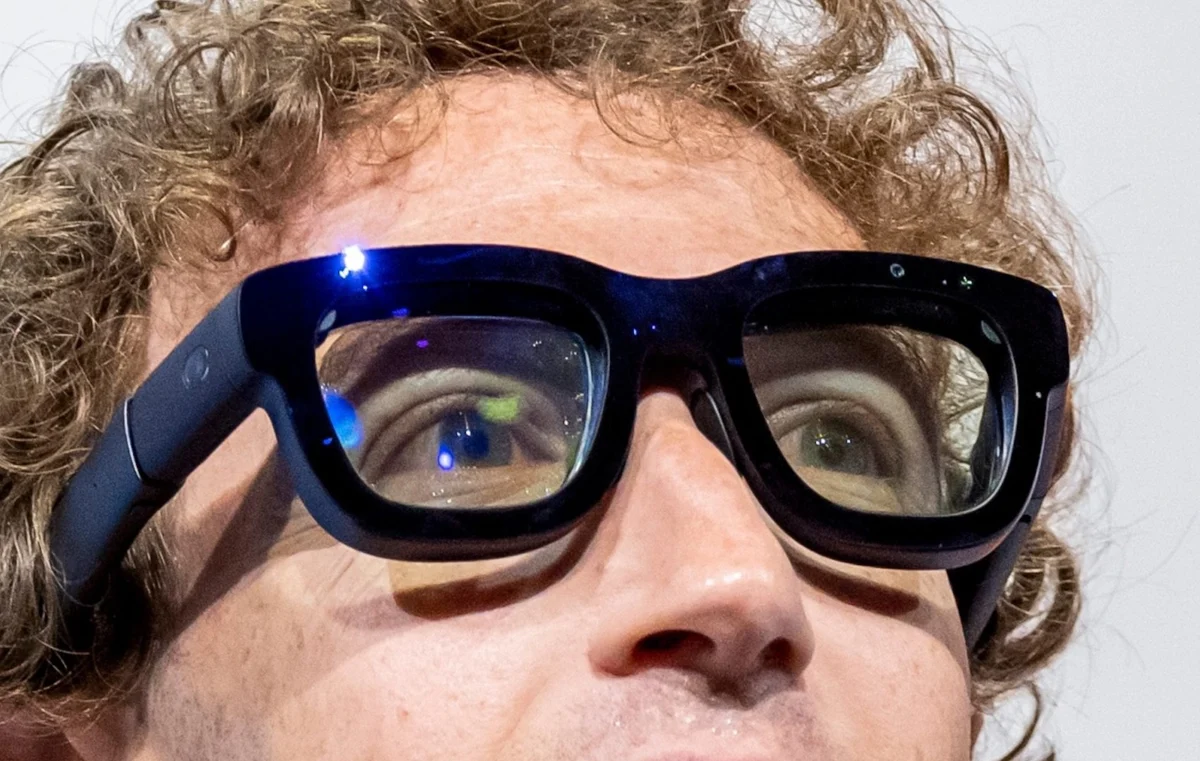
Meta Platforms Inc. is reportedly preparing to launch a new iteration of its wearable technology that excludes integrated cameras, a strategic pivot designed to address persistent public anxieties surrounding surveillance and privacy. The project, currently referred to internally as "Luna," represents a significant shift for the company, which has spent the last several years positioning its camera-equipped Ray-Ban Meta smart glasses as a viable, mass-market consumer device. By stripping away the lenses that have led some critics to label the product "pervert glasses," Meta appears to be attempting to expand its wearable footprint into environments where recording technology is restricted or socially unwelcome.
The upcoming launch is expected to be a focal point of the Meta Connect developer conference, which is scheduled to take place next week at the company’s headquarters in Menlo Park, California. While the current generation of Meta’s smart glasses—which allow users to livestream, capture photos, and record video—has achieved a level of commercial success that few competitors have matched, the company is clearly grappling with the friction caused by the invasive nature of such hardware.
Technical Specifications and AI Integration
According to reports from The Information, the Luna project is not merely a stripped-down version of existing hardware, but rather a re-imagining of the smart glasses form factor as a voice-first artificial intelligence interface. The device is expected to feature a six-microphone array designed to facilitate seamless interaction with Meta’s proprietary AI chatbot and its "Muse" consumer agent.
The operational architecture of these glasses centers on simplicity. Rather than relying on visual inputs or gesture controls that might require a camera to track movement, the user would engage with the AI via a physical button located on the frame. Once activated, the glasses would provide audio-based responses, effectively functioning as a wearable, ambient computing assistant. This design choice aligns with the broader industry trend of "screenless" or "eyes-up" technology, intended to keep users engaged with their physical surroundings rather than buried in a smartphone interface.
A Chronology of Meta’s Wearable Ambitions
Meta’s journey into the wearables space has been long and fraught with both technological breakthroughs and public skepticism. The company’s vision for the future, championed by CEO Mark Zuckerberg, involves moving beyond the constraints of the smartphone and toward a reality where digital information is overlaid onto the physical world.
- 2021: Meta, then still operating as Facebook, launched its first pair of "smart" glasses in partnership with EssilorLuxottica. These early models were limited in functionality and saw modest adoption.
- 2023: The launch of the second-generation Ray-Ban Meta glasses marked a turning point. These devices integrated more robust camera hardware, better audio, and deeper integration with Meta’s AI, leading to significantly higher sales and greater cultural visibility.
- 2024: During the Meta Connect event in September 2024, the company unveiled its "Orion" augmented reality glasses. Orion showcased the company’s long-term goal of true AR, providing a holographic view of the digital world.
- 2026 (Present): With the introduction of the camera-free Luna model, Meta is diversifying its product stack to cater to privacy-conscious demographics and enterprise environments where cameras are strictly prohibited.
The Privacy Conundrum
The "pervert glasses" moniker, while colloquial, highlights a genuine challenge for the wearable technology sector. As devices become smaller and more discrete, the ability of bystanders to know when they are being recorded diminishes. In public spaces, bars, and private social gatherings, the presence of a camera—even one with a small LED indicator light—often triggers a reflexive sense of distrust.
Privacy advocates have consistently raised concerns that the proliferation of such devices could lead to the erosion of public anonymity. By launching a camera-free version, Meta is essentially creating a "safe" tier of hardware. This move suggests that the company’s primary value proposition for smart glasses is not the ability to record, but the ability to interact with AI-driven intelligence on the go.

Economic Realities and Reality Labs
The development of the Luna project occurs against the backdrop of the massive capital expenditure required by Meta’s Reality Labs division. As of the company’s April 2026 earnings report, Reality Labs continued to operate at a gargantuan loss, characterized by billions of dollars in quarterly R&D spending.
This financial strain underscores the pressure on Meta to find a hit product that can justify its long-term investment in the "metaverse" and ambient computing. While current smart glasses have been more successful than earlier VR headsets like the Quest series, they have yet to reach the critical mass necessary to offset the costs of developing the specialized silicon, display technology, and AI software required to power them.
Industry analysts observe that the smart glasses market is growing, but it remains fragmented. Citigroup and other financial institutions have identified AI-enabled glasses as a "fast-growing edge device," yet they note that consumer sentiment remains lukewarm. Many potential users are still weighing the utility of having an AI assistant in their ear against the social cost of wearing hardware on their faces.
Broader Industry Implications
Meta’s pivot with the Luna glasses may serve as a bellwether for the rest of the tech industry. If successful, it could signal that the future of wearable tech is not necessarily tied to visual recording capabilities. Other companies, including Apple, Google, and various startups, are also racing to solve the problem of the "wearable interface."
If Meta can prove that consumers are willing to pay for AI-capable hardware that does not include cameras, it could alleviate a significant portion of the regulatory and public relations pressure currently hindering the sector. Furthermore, such a device could find significant utility in corporate or industrial settings—such as hospitals, laboratories, or secure offices—where camera-equipped devices are banned due to security policies, but voice-activated AI could offer significant productivity gains.
The Road Ahead for Meta Connect
As the industry turns its eyes to Menlo Park for the upcoming Meta Connect event, the unveiling of the Luna glasses will likely be scrutinized for its pricing and feature set. Analysts expect Meta to position the device at a price point that encourages mass adoption, likely undercutting more expensive, camera-equipped models.
The success of this new hardware will depend on whether users find the AI integration compelling enough to warrant the inconvenience of wearing a device. If the AI agent, "Muse," can provide meaningful, real-time assistance—such as translating languages, providing navigation, or summarizing emails—the lack of a camera may quickly become an afterthought.
Ultimately, Meta is attempting to navigate a delicate balance: pushing the boundaries of what is technologically possible while respecting the shifting social norms regarding privacy. The Luna project is a calculated risk, one that acknowledges that in the race to replace the smartphone, the company must also win the trust of the very people it hopes will wear its products. Whether this "privacy-first" hardware strategy will be enough to turn the tide for Reality Labs remains to be seen, but it is a clear indication that the company is listening to the feedback of a skeptical public.

