
In a decisive move aimed at recalibrating the national economy against the backdrop of global turbulence, the Federal Reserve announced on Wednesday, September 16, 2026, a 0.25 percentage point increase to the federal funds rate. This policy shift brings the benchmark interest rate to a target range of 3.75% to 4%, the highest level observed since December 2025. The unanimous vote by the Federal Open Market Committee (FOMC) signals a strategic pivot for the central bank, which had spent the early months of 2026 considering potential rate cuts as inflation appeared to be cooling.
The impetus for this policy reversal is rooted primarily in the escalating conflict in the Middle East, specifically the war in Iran, which has disrupted crude oil supply chains and catalyzed a spike in energy prices worldwide. With the August Consumer Price Index (CPI) report showing inflation at an annual rate of 3.4%—significantly above the Federal Reserve’s long-standing 2% target—policymakers have opted to deploy their most potent monetary tool to suppress demand and stabilize price levels.
A Chronology of Monetary Policy Shifts
The trajectory of the Federal Reserve’s policy over the last several years reflects a volatile economic landscape. Starting in 2022, the central bank initiated an aggressive cycle of 11 consecutive rate hikes to combat the post-pandemic inflationary surge. This period of tightening was intended to curb excess liquidity and prevent the economy from overheating.
By the start of 2026, optimism had permeated the financial markets, with many economists forecasting a series of rate cuts as inflationary pressures showed signs of abatement. However, the unexpected onset of the Iran conflict and the subsequent surge in fuel costs forced the Fed to abandon those plans. The September 16 announcement serves as the first hike in this new cycle, marking a return to restrictive monetary policy that stands in stark contrast to the expectations of investors earlier this year.
The Stance of the Federal Reserve
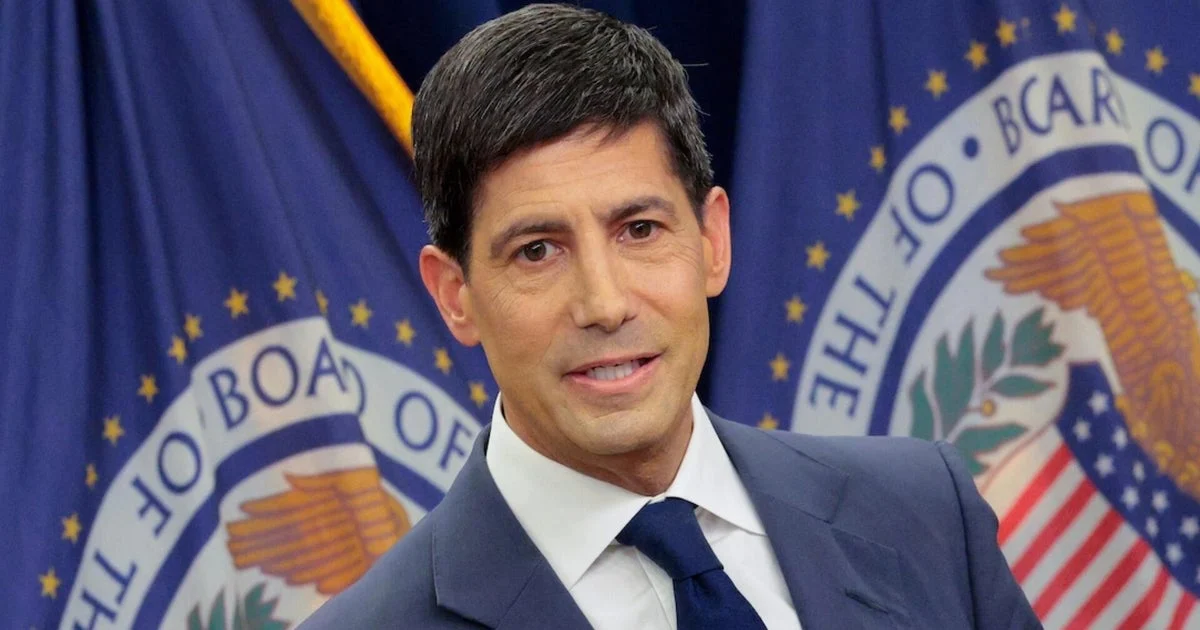
Fed Chairman Kevin Warsh addressed the press shortly after the announcement, emphasizing that the central bank’s primary mandate remains the restoration of price stability. "For more than five years, inflation has been running above target," Warsh stated. "The plain fact is that inflation is too high, and has been for too long."
Despite the hike, Warsh sought to temper market anxiety regarding an prolonged, aggressive tightening cycle. Projections released alongside the decision indicate that FOMC members generally anticipate holding rates steady throughout 2027. This suggests that the current move is a targeted intervention to address immediate inflationary shocks rather than the beginning of a multi-year campaign of sustained interest rate escalation. Approximately half of the FOMC members currently favor a period of stability for the coming year, a sentiment echoed by several market analysts who believe the markets may have already over-priced the necessity for additional hikes.
Political Friction and Executive Pressure
The Fed’s decision has arrived at a moment of heightened political sensitivity. President Trump has maintained a vocal opposition to the rate hike, utilizing his platform on Truth Social to demand lower borrowing costs. In a post released shortly after the Fed’s announcement, the President argued that U.S. interest rates should be 1% or less, citing the nation’s creditworthiness. "LOWER THE INTEREST RATES FOR THE UNITED STATES OF AMERICA, AND FAST!" the President stated.
The central bank’s institutional independence is once again in the spotlight. When pressed during the press conference regarding the President’s public demands, Chairman Warsh maintained a non-committal stance, refusing to engage in public discourse regarding executive-branch pressure. Analysts note that this tension between the White House and the Fed is a recurring theme in modern American economic history, though the Fed’s mandate is legally insulated from political directives.
Market Reactions and Investor Sentiment
Financial markets responded with notable volatility following the announcement. The Dow Jones Industrial Average shed 631 points, closing at 51,462, while the S&P 500 declined by 0.4%. The reaction was largely attributed to Chairman Warsh’s commentary regarding the resilience of the U.S. economy. By stating that the economy "appears to be strengthening," Warsh inadvertently signaled to investors that the Fed feels emboldened to maintain higher rates for longer if inflation data does not show immediate improvement.
Heather Long, chief economist at the Navy Federal Credit Union, observed that the market’s negative reaction may stem from an interpretation of the Fed as being more "hawkish" than anticipated. "Hiking was the right move, and it restores Fed credibility," Long remarked. "The big news is that the vote was unanimous and the forecast only signals one more hike in 2026. However, how many more hikes beyond that remains an open question that likely will depend on the war in Iran and just how insatiable the data center building boom is."
Implications for Consumers and Borrowing Costs
The ripple effects of the federal funds rate hike are expected to be felt across the consumer banking landscape. While a 0.25 percentage point increase is modest in isolation, it sets a tone for lending institutions. Consumers can expect a gradual uptick in interest rates for credit cards, auto loans, and personal lines of credit.
The timing of this increase is particularly difficult for many American households, as it coincides with elevated costs for essential goods, including gasoline and groceries. Heather Boushey, a professor at the University of Pennsylvania’s Kleinman Center for Energy Policy, highlighted the strain on the average American consumer. "Consumer sentiment is now 13% below where it was this time last year," Boushey noted. "The Fed’s rate hike this week will make it harder for families to borrow, raising the cost of car loans, credit cards, mortgages and more."
Analytical Outlook
The Federal Reserve finds itself in a precarious position. The dual challenge of managing the fallout from a geopolitical crisis while attempting to steer the U.S. economy toward a "soft landing"—a scenario where inflation is contained without triggering a recession—requires a delicate balance.
If the conflict in the Middle East persists, the resulting volatility in global oil markets may continue to place upward pressure on the CPI. Should that occur, the Fed may be forced to deviate from its current projection of holding rates steady in 2027. Conversely, if the current hike successfully dampens domestic demand as intended, the central bank may find the necessary breathing room to pause further action.
For now, the focus of the global financial community remains squarely on the next series of economic data releases. Investors, policymakers, and consumers alike are waiting to see whether this singular hike is sufficient to dampen the inflationary fire or if the Federal Reserve will be forced to reconsider its current trajectory as the economic landscape continues to evolve in the final quarter of 2026.

