
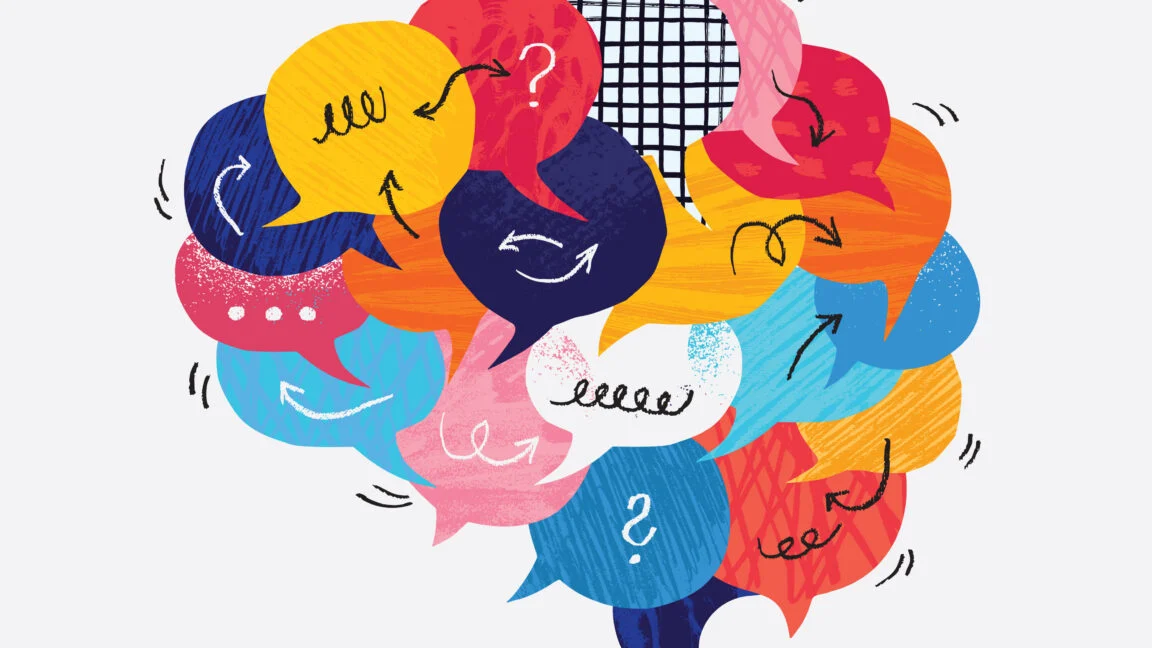
Age fundamentally transforms the mechanics of language acquisition, yet human capacity for mastering new linguistic systems remains remarkably resilient throughout the lifespan. Far from closing the door on cognitive growth, adulthood introduces a distinct set of intellectual advantages that compensate for the natural shifts in brain function that occur over time. While young learners often excel in native-like pronunciation and intuitive grammatical internalization, adult learners bring a powerful arsenal to the classroom: expansive vocabularies, sophisticated metacognitive strategies, and a deep well of life experience that aids contextual understanding.
Recent investigations into adult cognitive health reveal compelling correlations between second-language acquisition and preserved mental acuity in later life. Although empirical findings regarding direct neurological outcomes remain nuanced and occasionally mixed, researchers increasingly point toward the process of learning itself as the primary catalyst for benefit. Mastering a foreign language is not a passive pursuit; it is a sustained, complex cognitive challenge that demands continuous adaptation, memory retrieval, and problem-solving. This ongoing mental exertion acts as a vigorous workout for the central nervous system, keeping neural pathways active and adaptable.
Beyond the internal cognitive architecture, the pursuit of a new tongue yields profound social dividends. Engaging with another linguistic framework naturally deepens cross-cultural comprehension, refines interpersonal communication skills, and nurtures deep-seated empathy by forcing individuals to step outside their native cultural paradigm. Furthermore, it bridges divides between disparate communities, forging pathways to international friendships, professional opportunities, and a more interconnected global perspective.
Establishing a definitive threshold for the exact dosage of language learning required to harvest these cognitive and social rewards has proven elusive for researchers. Scientific literature encompasses a vast spectrum of methodologies, ranging from immersive, structured university classrooms to bite-sized daily mobile application sessions spanning anywhere from several weeks to multiple years. Rather than pointing to a rigid, mandatory number of hours, contemporary studies emphasize the critical importance of sustained, long-term engagement in a structurally demanding intellectual activity.
Building Cognitive Resilience Through Lifelong Learning
Skepticism remains a healthy component of neurological research, and experts are swift to temper expectations. Learning a second language is by no means a miraculous elixir for the aging process, nor does it serve as an absolute shield against neurodegenerative disorders such as Alzheimer’s disease or clinical dementia. Human biology dictates that the brain will undergo structural and functional changes as the decades pass.
Nevertheless, linguists and cognitive scientists classify language learning as an unusually dense and multi-layered form of mental stimulation. It simultaneously recruits auditory processing, visual recognition, working memory, executive control, and social cognition. Consequently, cognitive health experts suggest reframing the objective: language acquisition should not be viewed as a mythical fountain of youth designed to freeze the brain in time, but rather as a robust pillar supporting cognitive resilience.
Cognitive resilience refers to the brain’s remarkable capacity to improvise, adapt, maintain function, and continue learning despite the inevitable physiological alterations associated with advanced age. By deliberately steering the mind toward complex, demanding tasks, individuals can strengthen their neural adaptability, ensuring that the brain remains agile, responsive, and fully engaged throughout the senior years.
The Evolution of Linguistic Science: A Chronological Overview
To understand the modern consensus surrounding adult language acquisition, one must examine how scientific perception has shifted over the past century. For decades, developmental psychology was dominated by the Critical Period Hypothesis, a theory popularized in the late 1960s suggesting that a biological window for effortless language learning slammed shut decisively at the onset of puberty.
During the late 20th century, conventional educational paradigms heavily prioritized youth acquisition, writing off adult learners as inherently disadvantaged due to decreasing neuroplasticity. Schools focused foreign language curricula almost exclusively on K-12 and university-aged students, under the assumption that adult brains had lost the physiological capacity for fluent assimilation.
A paradigm shift occurred in the early 2000s, driven by advanced neuroimaging technologies such as functional magnetic resonance imaging (fMRI). These tools allowed researchers to observe real-time brain activity, revealing that the adult brain possesses far greater structural plasticity than previously imagined. Neurogenesis—the generation of new neurons—was confirmed to continue well into late adulthood, provided the brain was subjected to sufficient environmental enrichment and intellectual challenges.
By the 2010s, empirical studies began shifting focus away from childhood bilingualism toward the impact of late-life language acquisition. Gerontologists and linguists initiated longitudinal studies tracking retirees who undertook foreign language studies. While early results regarding direct prevention of cognitive decline were debated, the secondary markers of mental agility, dual-task coordination, and social engagement showed undeniable, measurable improvements among older participants.
Quantitative Insights and Empirical Data
Contemporary research underscores the tangible dividends of adult cognitive engagement. Longitudinal tracking conducted across various European and North American academic institutions highlights that individuals who engage in mentally stimulating leisure activities—such as learning a musical instrument or acquiring a second language—reduce their risk of mild cognitive impairment significantly compared to sedentary peers.
Data pooled from studies utilizing mobile learning technologies indicate that even modest investments of time yield structural benefits. Participants who dedicated as little as fifteen to twenty minutes daily to structured linguistic exercises over a twelve-week period demonstrated heightened attentional control and improved executive function scores. While these short-term studies do not prove permanent fluency, they confirm that the brain responds rapidly to linguistic stimuli at any age.
Furthermore, comparative analyses between monolingual and bilingual seniors illustrate differences in brain network efficiency. Bilingual individuals often exhibit a greater cognitive reserve, allowing their brains to bypass localized pathology or cellular damage by recruiting alternative neural pathways to complete complex tasks. This compensatory mechanism explains why symptoms of cognitive decline may manifest later or less severely in individuals with a history of complex mental challenges.
Perspectives from the Scientific Community
Leading voices in linguistics and cognitive psychology advocate for a more inclusive, optimistic narrative regarding aging and education. Dr. Karen Stollznow, a Senior Research Fellow in Linguistics, emphasizes that the lifelong capacity for learning is one of humanity’s most underutilized assets.
"Aging inevitably changes the brain, but people retain the capacity to learn throughout life," Dr. Stollznow observes. "Keeping our brains engaged in demanding new activities may contribute significantly to that resilience."
Other researchers in the field of gerontology echo this sentiment, stressing that public health messaging must pivot away from fear-based approaches to cognitive aging. Instead of viewing aging as a period of inevitable mental decay, experts urge society to view later life as a distinct developmental stage capable of sustained intellectual growth, artistic expression, and linguistic discovery. Educational institutions, community centers, and digital platforms are increasingly tailoring their programs to accommodate this demographic shift, offering specialized language courses designed specifically for older adult learners.
Broader Sociological and Economic Implications
The societal implications of promoting lifelong language learning extend far beyond individual brain health. As global populations age rapidly, healthcare systems face mounting economic pressures related to the treatment of dementia, depression, and age-related social isolation. Encouraging older adults to participate in intellectually demanding, socially interactive hobbies like foreign language study offers a cost-effective, preventative approach to public health.
On a community level, intergenerational language programs—where seniors and younger learners study foreign languages together—have begun to emerge in urban centers across the globe. These programs tackle two pressing societal issues simultaneously: the cognitive isolation often experienced by the elderly and the educational resource gaps faced by youth. By sitting down together to master a shared vocabulary or decode foreign grammar rules, generations build bridges of mutual respect and understanding.
Moreover, in an increasingly globalized and mobile workforce, older adults who maintain active language skills remain valuable contributors to the economy. Whether participating in international trade, volunteering for cultural exchange organizations, or simply traveling with heightened cross-cultural competence, linguistically active seniors defy outdated stereotypes of retirement as a period of disengagement.
Ultimately, the journey of acquiring a new language in adulthood serves as a testament to the enduring adaptability of the human spirit. While the physiological markers of time are inescapable, the mind retains an insatiable appetite for discovery. By embracing the challenge of a new tongue, adults of all ages can enrich their immediate experiences, connect deeply with diverse cultures, and fortify their cognitive foundations for the road ahead.

