
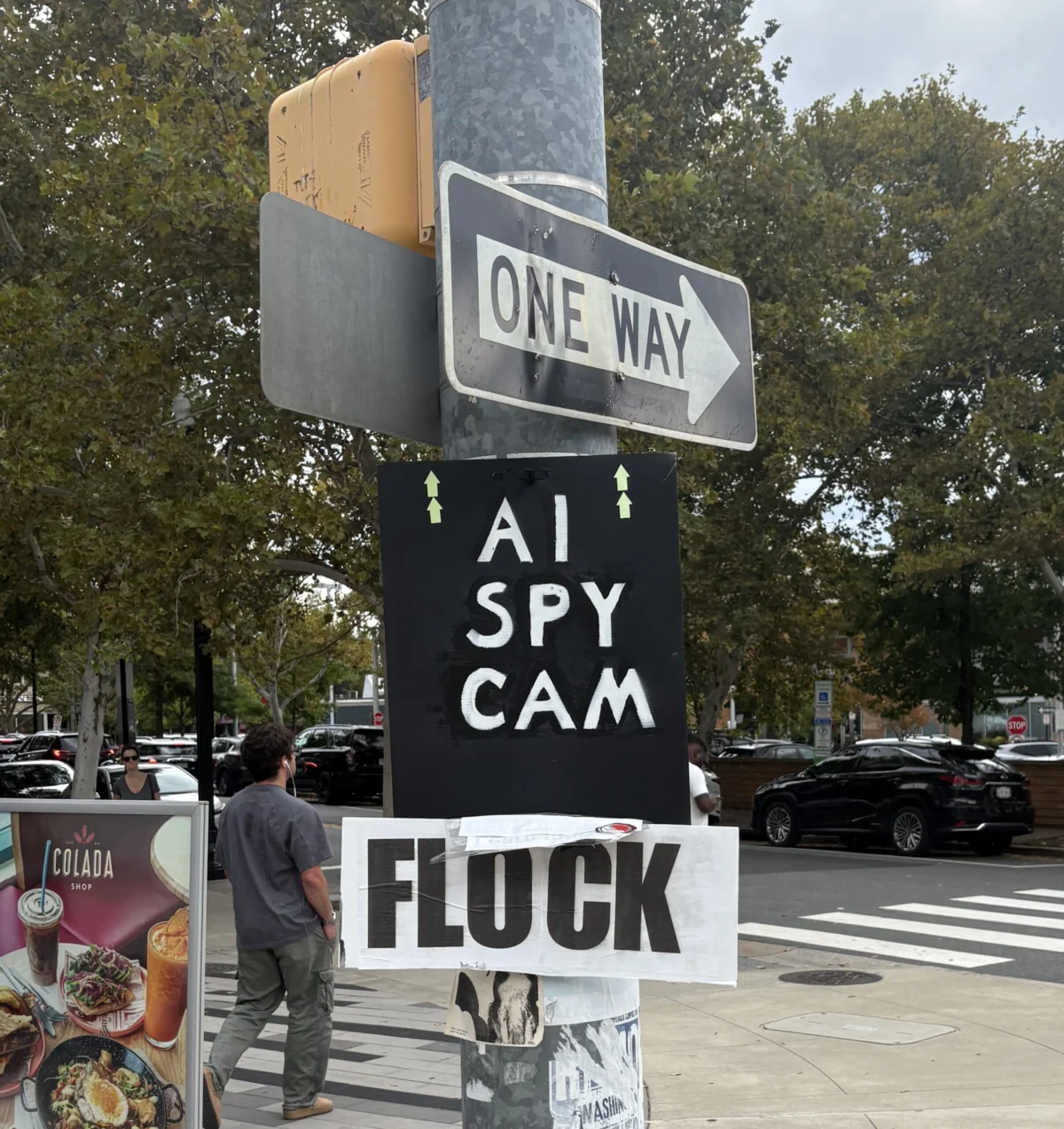
The surveillance technology sector is currently witnessing a significant organizational pivot as Flock Safety, a prominent provider of automated license plate recognition (ALPR) systems, announced a voluntary severance program for its 1,500-person workforce on Friday, September 19, 2026. This move comes at a critical juncture for the Atlanta-based startup, which has faced a summer of intense public scrutiny, legislative crackdowns, and a rapid exodus of municipal clients.
The company, which has spent years building a vast network of AI-powered cameras across the United States, described the new severance offer as the most generous in its corporate history. By incentivizing voluntary departures, Flock Safety appears to be attempting a proactive reduction in headcount, potentially avoiding the more disruptive optics and operational consequences of a traditional involuntary layoff. According to reports, the firm intends to approve the majority of buyout requests from employees who wish to exit, effectively signaling a strategy of corporate downsizing driven by a need to realign with a shrinking market presence.
A Summer of Unprecedented Scrutiny
The catalyst for this shift can be traced back to a series of investigative reports and policy reversals that began in early summer 2026. For years, Flock Safety marketed its technology as a "force multiplier" for law enforcement, emphasizing its ability to track stolen vehicles and identify suspects in real-time. However, the narrative shifted dramatically in August 2026, when a bombshell investigation by The Washington Post exposed widespread misuse of the platform by the very entities authorized to use it.
The investigation identified at least 46 distinct instances where law enforcement officers utilized Flock’s vast camera network to track individuals for personal, non-work-related reasons. The reports detailed scenarios where officers allegedly stalked estranged partners, wives, and ex-girlfriends, leveraging the technology’s granular tracking capabilities to violate the privacy and safety of citizens. These revelations fundamentally altered the public discourse surrounding the company, transforming it from a celebrated public safety tool into a symbol of unchecked surveillance overreach.
The Legislative and Municipal Tipping Point
The fallout from these reports was swift and, for Flock Safety, economically devastating. The public outcry prompted immediate legislative action in several high-profile jurisdictions. In August alone, the states of Florida and Texas—two of the company’s largest markets—announced that they would be moving to restrict or outright ban the use of Flock’s cameras by state-funded law enforcement agencies. These bans were grounded in growing concerns over data retention policies, the lack of transparency in how the company shares data across jurisdictional lines, and the fundamental privacy rights of the motoring public.
The impact on the company’s bottom line was immediate. Data from anti-surveillance advocacy groups indicated that roughly 90 cities terminated their contracts with Flock Safety during August 2026. This figure represents a fourfold increase in contract terminations compared to the previous month, suggesting that the "Flock model" of municipal surveillance is experiencing a rapid collapse of support among local governments sensitive to constituent concerns.

Internal Morale and Strategic Realignment
During a recent appearance on the All-In podcast, Flock Safety CEO Garrett Langley acknowledged the gravity of the situation. While he defended the core utility of the technology, he admitted that the "biggest damage" the company has sustained is not necessarily the loss of revenue, but the erosion of internal morale. Employees, many of whom joined the startup with the intention of improving public safety, have reportedly struggled with the company’s reputation as an engine for domestic stalking and privacy erosion.
The voluntary buyout program is, in many respects, a strategic mechanism to address this cultural decline. By allowing demoralized staff to exit on favorable terms, the company can consolidate its remaining workforce around those who remain committed to the current mission, while simultaneously reducing its burn rate to match its newly diminished revenue projections. Industry analysts suggest that without these voluntary buyouts, Flock would have faced the necessity of involuntary layoffs, which would have likely exacerbated the existing internal tensions and further damaged the brand’s image.
Chronology of the Crisis
- June 2026: Initial murmurs of privacy concerns begin to circulate in legal and civil rights circles regarding the scope of Flock’s data-sharing networks.
- August 2, 2026: The Washington Post publishes its investigation into the misuse of Flock cameras by police officers for personal stalking and surveillance.
- August 10-25, 2026: A wave of 90 cities cancels their service contracts, citing the need for greater privacy protections and community trust.
- August 30, 2026: Florida and Texas announce official policies to phase out the use of the technology within state law enforcement departments.
- September 15, 2026: Internal memos circulate within Flock Safety regarding the necessity of a workforce reduction to ensure long-term viability.
- September 19, 2026: Flock Safety formally announces the "most generous" voluntary severance package for employees.
Broader Implications for the Surveillance Industry
The plight of Flock Safety serves as a case study for the burgeoning "surveillance-as-a-service" industry. The business model, which relies on the commoditization of real-time location data and its sale to government agencies, faces an increasingly hostile regulatory environment. The events of 2026 demonstrate that technological efficiency is no longer the sole metric by which these companies are judged; privacy, accountability, and the prevention of misuse are now primary requirements for survival.
Furthermore, the situation highlights a growing "accountability gap." As technology companies provide increasingly powerful tools to local law enforcement, the mechanisms for auditing and restricting the use of that technology have often lagged behind. The public’s reaction to Flock’s vulnerabilities suggests that the "trust-me" era of government-contracted surveillance is likely ending, replaced by a demand for rigorous, third-party oversight and immutable privacy safeguards.
Analysis: What Comes Next for Flock?
For Flock Safety, the path forward remains uncertain. While the company is attempting to stabilize its workforce, the structural challenges to its business model remain intact. The loss of 90 cities in a single month is not merely a temporary setback; it represents a fundamental shift in the risk-reward calculation for municipal administrators. Future growth will depend on the company’s ability to implement "privacy-by-design" features that make it impossible for individual officers to conduct unauthorized searches.
However, rebuilding trust with the public and with local governments will be a long and arduous process. The firm will likely need to pivot toward more restrictive, transparent, and audited data policies if it hopes to reclaim its position as a primary partner for public safety. In the interim, the voluntary severance program marks a definitive end to the company’s phase of hyper-growth, signaling a transition into a period of survival, consolidation, and intense public scrutiny. As the company navigates this transition, the tech sector will be watching closely to see if other surveillance-focused startups follow suit or if the industry at large will be forced to undergo a total regulatory reckoning.

