
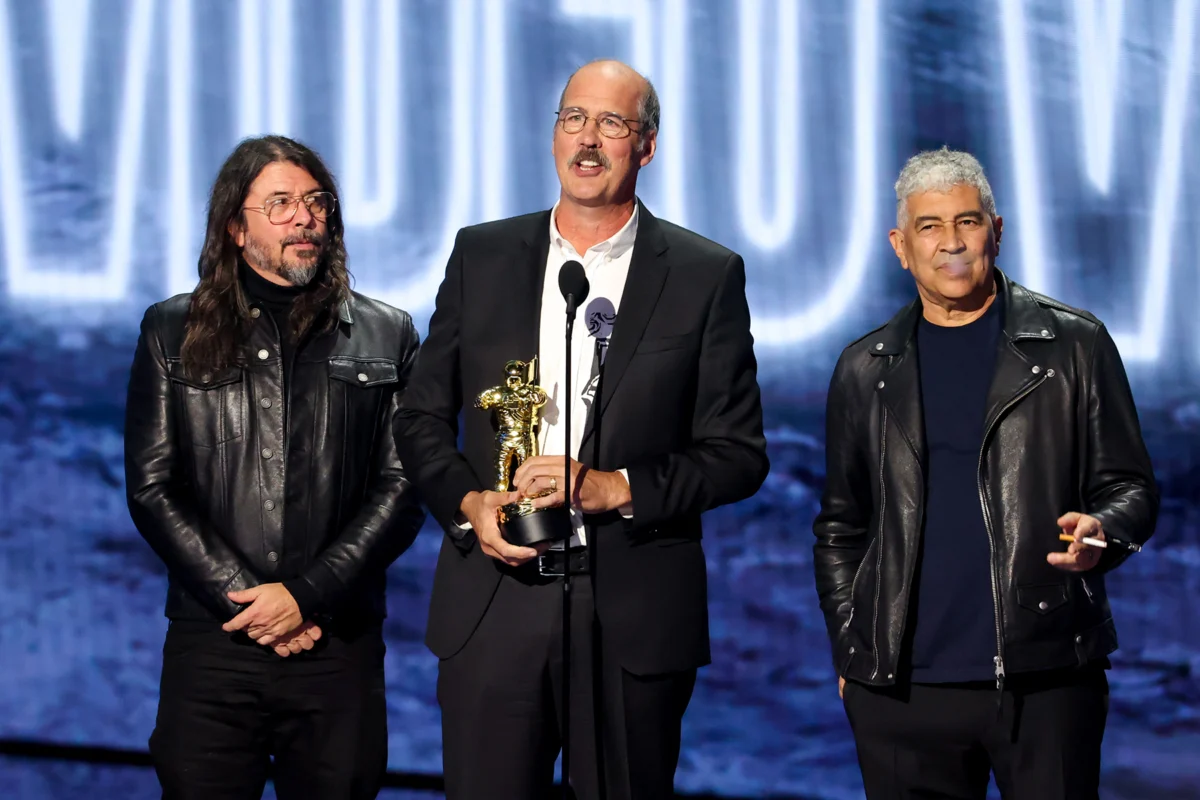
The 2026 MTV Video Music Awards delivered a striking cultural footprint, pulling in its highest television audience in over a decade while orchestrating a complex evening of high-stakes live television. Spanning across MTV and CBS, the broadcast attracted 8.43 million viewers, marking the ceremony’s strongest ratings performance since 2015 according to Nielsen live-plus-same-day figures. Spearheaded by veteran producer Van Toffler, who also helmed the 2025 iteration, the event managed to bridge generational divides, honoring music history while embracing contemporary streaming culture. However, the path to the broadcast was not without operational challenges, creative gambles, and logistical hurdles that required immediate crisis management behind the scenes.
The Genesis of the Broadcast and Initial Logistical Hurdles
Planning an awards show of this magnitude requires months of coordination, securing talent, aligning networks, and managing unpredictable live elements. For the 2026 VMAs, the broadcast faced an immediate complication before the telecast even began: an NFL football game on CBS that ran over its allotted time slot, creating a domino effect that preempted the start of the ceremony for millions of viewers.
The scheduling overlap caused widespread confusion among traditional MTV viewers who were accustomed to tuning directly to the cable network for the show’s kickoff. Because the event was simulcast on CBS, a network where sports overruns are common, the broadcast window shifted by roughly twenty minutes. Toffler acknowledged that the primary misstep lay in communication, noting that the production truck realized too late that a simple on-screen text crawl should have been deployed to inform audiences that the live VMAs would commence immediately following the conclusion of the football game.
Adding to the pre-show chaos was the rapid proliferation of artificial intelligence-generated and unauthorized red-carpet imagery circulating across social media platforms. Creators and independent digital teams embedded within the venue, alongside artists’ personal media entourages, have transformed modern red-carpet events into decentralized information ecosystems. Maintaining strict embargoes and secrecy has become an increasingly difficult endeavor for production teams navigating the modern digital landscape.
Grand Openings and Unscripted Surprises
The evening officially kicked off with an elaborate, high-energy opening sequence spearheaded by pop icon Madonna, whose collaborative vision set the tone for the night. Designed to complement her dance-focused record inspired by her formative years in New York City’s underground club scene, the performance featured intricate staging elements, including transforming the iconic MTV logo and recreating retro bathroom stall settings.

Madonna’s curatorial hand was evident in the selection of her on-stage collaborators, which included Debi Mazar, Andrew Watt, Fab 5 Freddy, and actor Seth Rogen. Rogen’s unannounced appearance onstage alongside the pop legend generated immediate media attention, particularly regarding an on-camera moment that sparked speculation about stage regulations. While Toffler noted that he was stationed far away in the production truck and could neither confirm nor deny the contents of the props used during the bit, the unscripted nature of the cameos highlighted the unpredictable freedom afforded to legacy artists on the VMAs stage.
Honoring Icons: Tributes to Dolly Parton and George Michael
The ceremony balanced its avant-garde moments with traditional tributes designed to honor foundational figures in modern music. One of the night’s emotional high points was a tribute to Dolly Parton, anchored by Kacey Musgraves, who delivered a powerful rendition of "I Will Always Love You."
Toffler revealed that the tribute was developed in close collaboration with Parton and her team, utilizing archival footage from an old television variety show where a young Parton delivered a comedic monologue before launching into the ballad. The seamless transition from the historical clip into Musgraves’ live performance was praised as a masterclass in musical reverence, exemplifying how contemporary artists can meaningfully engage with musical heritage.
Similarly, the broadcast featured a multi-generational tribute to George Michael, showcasing performances by Sombr, Raye, Teddy Swims, and Adam Lambert. The segment relied on a jukebox format to celebrate Michael’s catalog and his historical impact on early MTV programming, demonstrating how contemporary streaming habits have dissolved rigid generational boundaries among music consumers.
Taylor Swift’s Historic Night and Directing Recognition
Taylor Swift emerged as one of the definitive centerpieces of the 2026 ceremony, breaking records by securing the title for the most VMAs won in history. Beyond her musical accolades, Swift was honored with the Artist Director Award, acknowledging her extensive work behind the camera directing her own music videos, which have increasingly evolved into cinematic short films.
The award, which stemmed from an internal collaboration between MTV producers and Swift’s management team, recognized her artistic evolution across multiple genres and formats. Selecting Dakota Johnson to present the honor, Swift used her acceptance speech to emphasize the dedication required to helm visual storytelling on scale. Later in the evening, Swift secured the coveted Video of the Year award for her visual spectacle "The Fate of Ophelia," cementing her status as a dual-threat visionary in the modern entertainment landscape.

Navigating Omissions: The Absence of a Nirvana Tribute
While the ceremony succeeded in executing several high-profile tributes, notable omissions also drew public scrutiny—most prominently, the lack of a live musical tribute to Nirvana. Addressing the decision not to assemble a temporary supergroup or feature guest vocalists to perform the band’s material, Toffler offered a clear philosophical boundary. Drawing a comparison to Paul McCartney and Ringo Starr touring without John Lennon and George Harrison, Toffler asserted that Nirvana fundamentally requires Kurt Cobain to be fully realized.
Instead of attempting to replicate the band’s sound through substitute performers, the production team opted to honor the visual and cultural impact of Nirvana’s music video catalog. Working closely with Frances Bean Cobain and Courtney Love, who approved all archival elements and the choice of presenter, the production featured Chuck D to contextualize the band’s enduring legacy. By securing the approval and participation of Cobain’s estate without staging a live musical recreation, the VMAs avoided past pitfalls associated with forced reunions, opting instead for historical accuracy and respect.
Risk-Taking and the Future of Live Music Television
Beyond the major headliners, the 2026 VMAs carved out space for boundary-pushing performances, most notably an frenetic, high-octane set by artist Young Lean. Drawing inspiration from independent visual art pieces, the production team took a calculated gamble to bring the chaotic London-based underground aesthetic to a mainstream television audience. Despite initial concerns that viewers might find the abrupt visual style jarring, the performance was celebrated as a successful execution of live television risk-taking.
As the entertainment industry continues to evolve in an era dominated by streaming algorithms and fragmented media consumption, the viability of traditional live awards shows remains a subject of ongoing industry debate. However, producers like Toffler remain optimistic about the unique value proposition of live music television. By providing top-tier technical infrastructure, advanced audio-visual capabilities, and creative autonomy to artists ranging from emerging talents to enduring legends, the VMAs demonstrated that the format can still command a massive global audience and deliver culturally defining moments. Whether the ceremony will return in identical form remains uncertain, but its ability to adapt to a changing media landscape ensures its continued relevance in the contemporary pop culture ecosystem.

