
High blood pressure, universally recognized by clinicians as the silent killer, remains one of the most pervasive and formidable public health challenges of the modern era. Millions of individuals worldwide live with hypertension, a chronic medical condition that significantly elevates the risk of catastrophic cardiovascular events such as myocardial infarctions, ischemic and hemorrhagic strokes, heart failure, and renal disease. While lifestyle modifications—ranging from dietary sodium restriction to increased physical activity—and an array of pharmacological interventions have saved countless lives, a substantial subset of patients remains unresponsive or inadequately controlled despite strict adherence to multi-drug regimens. This clinical roadblock has catalyzed an intense wave of medical innovation, prompting researchers to look beyond traditional pills and invasive surgical interventions toward bioelectronic medicine.
In a pioneering clinical trial recently published in the esteemed American Heart Association journal Hypertension, investigators at Queen Mary University of London have evaluated a novel, non-invasive bioelectronic device designed to deliver gentle electrical pulses through the external ear. Known as the SCRATCH-HTN trial, this investigation represents a critical milestone in the exploration of transcutaneous autonomic neuromodulation (tAN). While the primary endpoint across the entire unselected patient cohort did not yield a statistically significant reduction in blood pressure compared to a control group, the trial revealed compelling, highly encouraging signals among participants presenting with more severe, refractory hypertension. These findings suggest that targeted stimulation of auricular nerves could eventually carve out a vital niche in managing individuals whose blood pressure remains persistently elevated despite comprehensive pharmacological therapy.
Anatomy of a Bioelectronic Approach: Understanding Transcutaneous Autonomic Neuromodulation
To understand the mechanics of this experimental therapy, one must examine the intricate relationship between the cardiovascular system and the autonomic nervous system. The autonomic network acts as the body’s internal control center, involuntarily regulating vital physiological parameters including heart rate, vascular tone, gastrointestinal motility, and blood pressure. In many individuals with chronic hypertension, this system suffers from chronic sympathetic overdrive—a state of hyper-activation where the sympathetic nervous system continuously signals blood vessels to constrict and the heart to beat with greater force, driving blood pressure steadily upward.
Traditional pharmaceutical treatments, such as ACE inhibitors, beta-blockers, calcium channel blockers, and diuretics, attempt to block these downstream physiological pathways. However, they frequently fail to address the root neurological overactivity and often come with a burdensome profile of side effects, ranging from fatigue and dizziness to electrolyte imbalances and metabolic disturbances. Bioelectronic medicine offers a fundamentally different paradigm. By modulating nerve signals directly at their source, researchers aim to restore autonomic balance without the systemic side effects associated with pharmacological saturation.
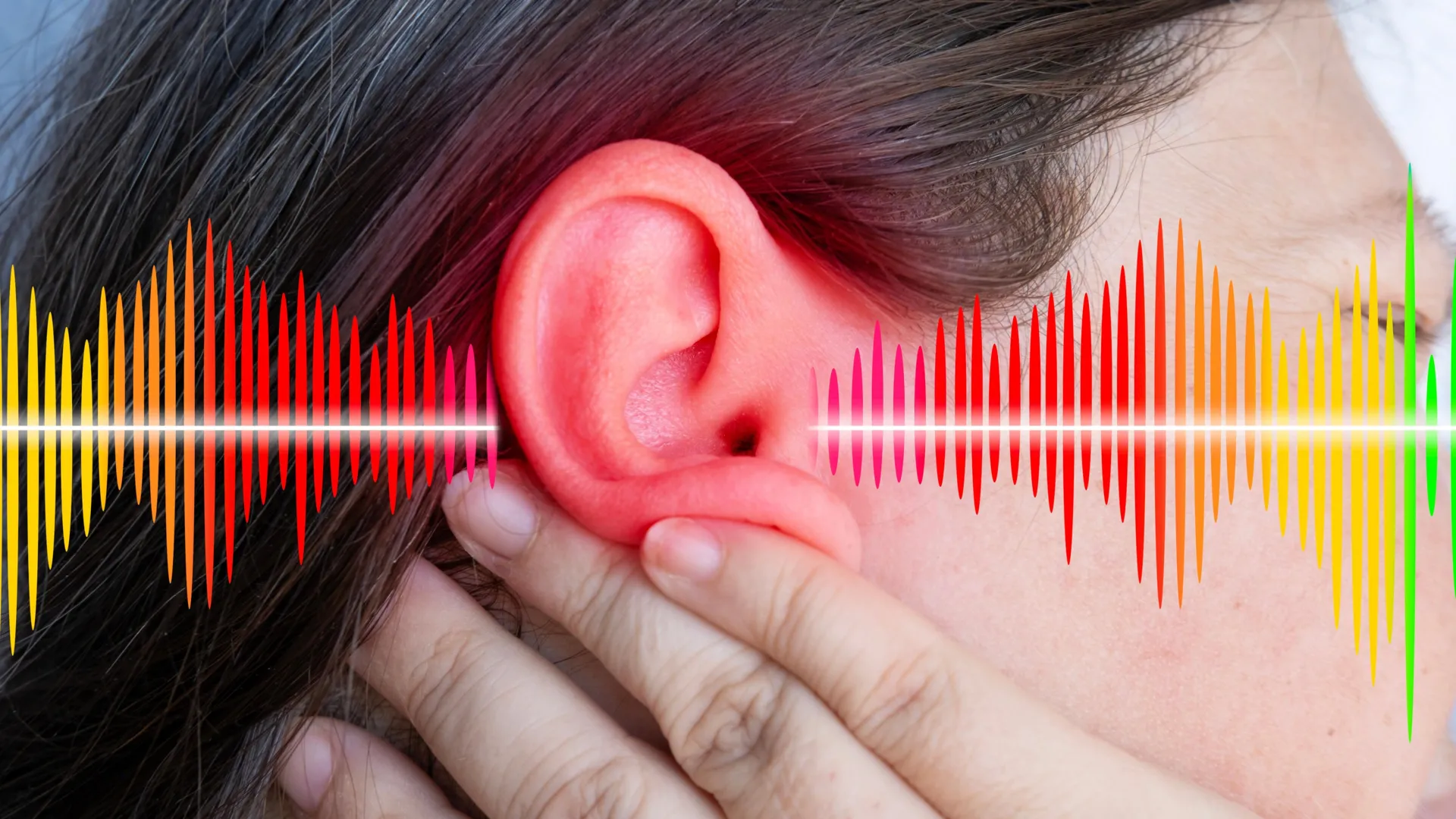
The technology utilized in the SCRATCH-HTN trial was engineered by Afferent Medical Solutions, a medical device firm specializing in neuromodulation technologies. The system centers on a compact, handheld unit connected to two small, specialized clips. Patients position these clips onto the tragus—the small, prominent flap of cartilage located immediately in front of the ear canal. This specific anatomical site is densely populated with branches of the vagus nerve, a major neural pathway that plays a critical role in parasympathetic regulation, helping to offset the overactive sympathetic drive characteristic of hypertension.
Once secured, the device delivers micro-pulses of gentle electrical stimulation to the auricular branches of the vagus nerve. Because the device is engineered for intuitive home use, patients can self-administer the therapy independently, eliminating the need for frequent clinical visits or cumbersome surgical procedures. This patient-centric design represents a significant departure from older neuromodulation techniques, such as carotid body ablation or deep brain stimulation, which are highly invasive, expensive, and carry inherent surgical risks.
Chronology and Methodology of the SCRATCH-HTN Trial
The path to the SCRATCH-HTN trial involved years of preclinical engineering, safety profiling, and protocol design before human subjects were ever enrolled. Funded primarily by the National Institute for Health and Care Research (NIHR), the clinical investigation was structured as a rigorous, randomized, double-blind, sham-controlled trial—the gold standard of clinical evaluation.
The trial enrolled a carefully vetted cohort of 63 participants, all of whom shared a common clinical profile: uncontrolled hypertension. Every individual included in the study was already prescribed at least one antihypertensive medication yet continued to record blood pressure measurements well above the clinical thresholds recommended by international health guidelines. This characteristic makes the study population particularly difficult to treat, as these patients represent the very individuals who have exhausted standard medical optimizations.
Following baseline evaluations, researchers randomly allocated the 63 participants into two distinct study arms. The active treatment group received the real transcutaneous autonomic neuromodulation via the tragus clips, while the control group was provided with a sham device. The sham device was visually and functionally identical to the active unit—capable of mimicking the tactile experience of use—but delivered no therapeutic electrical current. This double-blind, sham-controlled design was essential for accounting for the placebo effect, psychological adjustments, and the natural physiological fluctuations of blood pressure over time.
The treatment schedule was designed to assess both short-term response and medium-term tolerability. During the initial two-week induction phase, participants utilized their assigned devices for 30 minutes every day. Following this intensive period, the regimen transitioned into a maintenance phase for the subsequent 10 weeks, during which participants reduced their usage to a single 30-minute session per week. Throughout the 12-week trial duration, researchers monitored patient safety, device adherence, and automated and ambulatory blood pressure readings.
Overall Trial Results and the Safety Profile
When the trial data was unmasked and analyzed across the entire study population, the primary statistical analysis revealed a nuanced picture. Investigators found no statistically significant difference in overall blood pressure reduction between the group receiving active nerve stimulation and the group using the sham device. At first glance, this broad-population finding might appear disappointing to casual observers of medical technology development.
However, clinical trial experts and the research team emphasize that early-stage device trials are frequently designed as much to test safety, feasibility, and patient compliance as they are to prove efficacy. In these domains, the SCRATCH-HTN trial was an undeniable success.
The safety profile of the ear nerve stimulation device was exceptional. Throughout the 12-week intervention period, no serious adverse events related to the device were reported. Minor skin irritations or localized sensations at the site of the tragus clips were minimal, transient, and well-tolerated by the participants. Furthermore, patient adherence to the prescribed regimen was remarkably high. The vast majority of participants successfully maintained the daily and weekly schedules without difficulty, demonstrating that at-home bioelectronic therapies of this nature are entirely practical for real-world deployment.
This high level of patient acceptance is a crucial metric for healthcare systems. Many advanced hypertension therapies fail not because they lack biological plausibility, but because patients find them cumbersome, painful, or disruptive to their daily lives. The ability of patients to quietly undergo neuromodulation while reading, watching television, or working at home represents a major advantage for long-term therapeutic compliance.
Unlocking Subgroup Potential: The Breakthrough in Severe Hypertension
While the aggregate analysis across all 63 participants did not reach statistical significance, the true scientific intrigue of the SCRATCH-HTN trial emerged during pre-specified subgroup analyses. Investigators had outlined plans to examine subsets of the patient population before looking at the final data, a methodological safeguard designed to prevent data dredging and confirmation bias.
When researchers isolated the data for participants who entered the trial with more severe, highly uncontrolled hypertension, a striking divergence appeared. In this specific subgroup, patients who received active electrical stimulation demonstrated a pronounced, clinically meaningful reduction in blood pressure compared to their counterparts in the sham group.
This subgroup finding provides a vital clue regarding the mechanism and potential clinical utility of transcutaneous autonomic neuromodulation. It suggests that individuals with mild or moderately elevated blood pressure—whose cardiovascular parameters may be easily managed or heavily influenced by lifestyle factors and basic medications—might not derive sufficient marginal benefit from bioelectronic intervention to register as statistically significant in a small trial. Conversely, patients with severe, treatment-resistant hypertension, whose autonomic nervous systems are locked in a state of extreme sympathetic overactivity, may be precisely the population that responds to auricular nerve stimulation.
Dr. Ajay Gupta, Chief Investigator, Clinical Reader at Queen Mary University of London, and Consultant Physician at Barts Health NHS Trust, provided vital context regarding these findings.
"This is an exciting, highly patient-acceptable technology that could ultimately provide a cheap, scalable solution for millions," Dr. Gupta stated. "Although the trial did not achieve significance across the broad unselected group, those with more severe hypertension exhibited a clear blood pressure reduction in the active group compared to sham."
Dr. Gupta underscored the historical significance of the work, noting that the investigation stands as "the first and most thorough study of its kind," pointing toward vital new research directions that will help the medical community understand whether non-invasive neuromodulation can be effectively tailored to specific phenotypes of hypertension.
Broader Implications for Cardiology and Public Health
The publication of the SCRATCH-HTN trial in Hypertension arrives at a critical juncture for cardiovascular medicine. Hypertension remains the leading preventable risk factor for premature death worldwide, affecting over a billion people. The economic and healthcare burdens associated with managing stroke, myocardial infarction, and end-stage renal disease run into the hundreds of billions of dollars annually.
Within this landscape, the prospect of an adjunctive, non-pharmacological therapy that can be administered safely at home holds immense appeal. If subsequent, larger-scale trials corroborate the signals observed in the severe hypertension subgroup, the implications for clinical practice could be profound.
First, such a technology could offer a lifeline to patients who have exhausted standard pharmacological options. Many individuals with treatment-resistant hypertension are caught in a pharmacological trap, where adding a fourth, fifth, or sixth blood pressure medication fails to lower readings further while exponentially increasing the risk of adverse drug interactions, lethargy, and renal impairment. A non-pharmacological modality that works via an entirely different physiological mechanism—neural regulation rather than chemical blockade—would bypass these limitations entirely.
Second, the scalability of a non-invasive, patient-operated device offers distinct advantages over surgical neuromodulation systems. While surgical approaches, such as renal denervation, have shown promise in specific patient populations, they require specialized catheterization laboratories, interventional cardiologists, and substantial healthcare expenditures. An auricular stimulation device that can be distributed via standard outpatient clinics and operated independently by patients represents a decentralized, highly cost-effective model of care.
Path Forward: The Need for Larger Clinical Trials
Despite the enthusiasm surrounding the subgroup findings, the medical research community maintains a rigorous, evidence-based consensus: the SCRATCH-HTN trial represents an early foundational step, not an immediate clinical endorsement.
Because the trial enrolled a relatively modest total of 63 participants, the subgroup analyses—while pre-specified and methodologically sound—involve smaller sample sizes that carry wider statistical margins of error. Consequently, these promising results must be replicated in larger, adequately powered, multicenter randomized controlled trials before regulatory bodies can consider approval or clinical guidelines can incorporate auricular neuromodulation as a standard therapy.
Future research efforts led by Queen Mary University of London and other academic institutions will likely focus on several key objectives:
- Expanding cohort sizes to definitively confirm blood pressure reductions in severe, treatment-resistant hypertension cohorts.
- Utilizing advanced biomarkers and autonomic testing to identify precise patient phenotypes who are most likely to respond to transcutaneous autonomic neuromodulation.
- Optimizing stimulation parameters, including frequency, duration, and voltage, to maximize therapeutic efficacy while maintaining absolute patient comfort.
- Conducting long-term durability studies to assess whether the blood pressure-lowering effects of ear nerve stimulation persist over years of continuous or intermittent home use.
Conclusion
The SCRATCH-HTN trial marks a fascinating convergence of neuroscience, bioengineering, and clinical cardiology. By demonstrating that gentle electrical pulses delivered through the ear are safe, well-tolerated, and capable of reducing blood pressure in patients with severe hypertension, the researchers have opened a compelling new frontier in the battle against cardiovascular disease.
While much work remains to be done before this technology transitions from experimental trials to widespread clinical practice, the possibility of a non-invasive, patient-administered bioelectronic therapy offers profound hope. For millions of individuals living in the shadow of uncontrolled hypertension, the quiet hum of an ear clip may one day represent the key to a longer, healthier life.

