
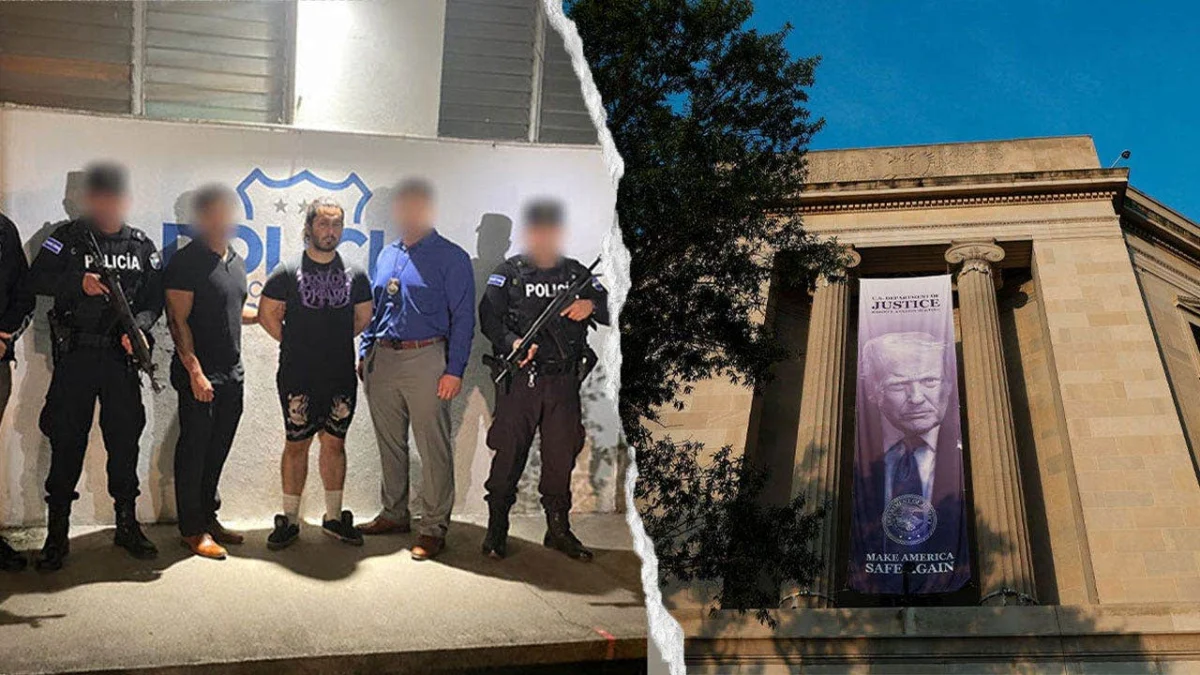
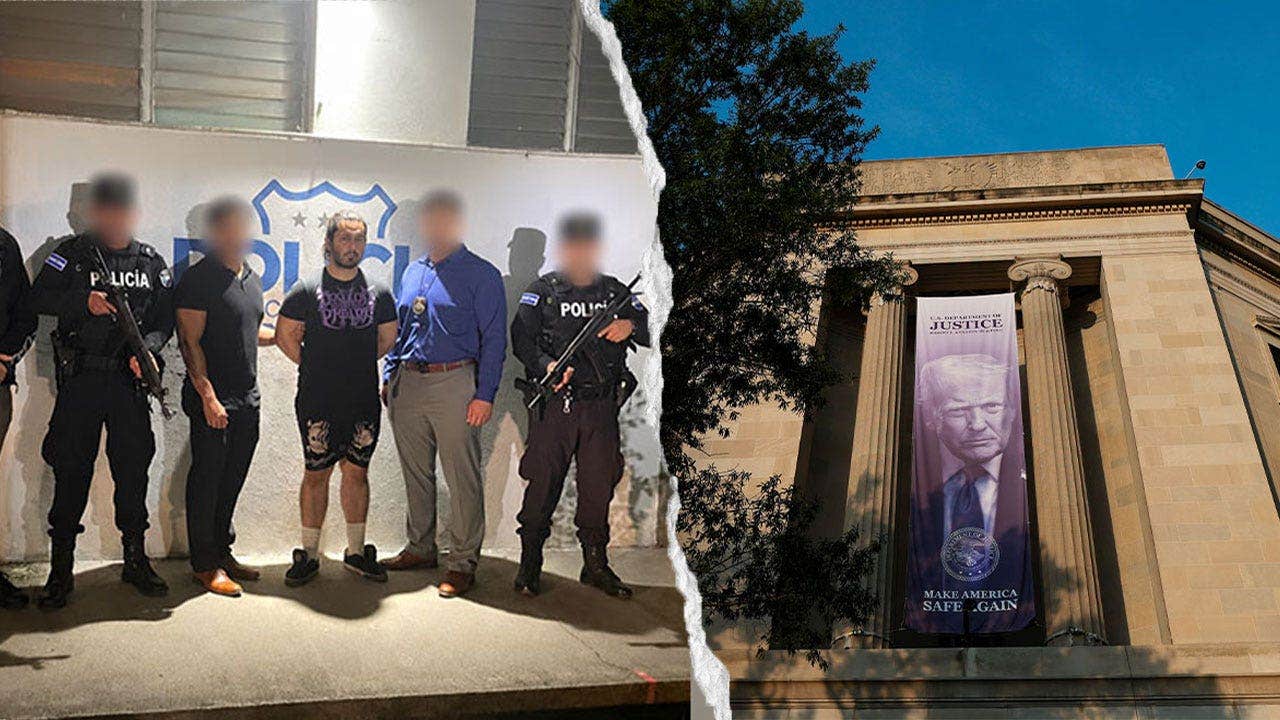
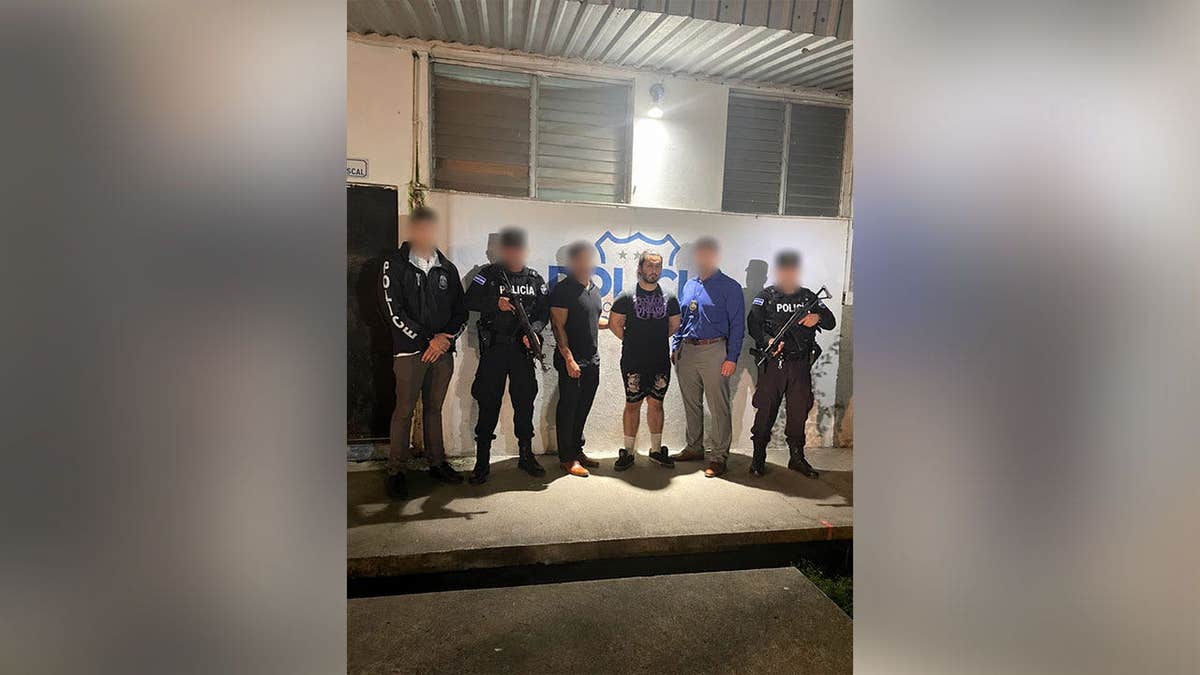
In a landmark legal development that signals a tightening of international judicial cooperation, 27-year-old Michael Alejandro Castillo Murga, a dual citizen of the United States and El Salvador, was transferred into the custody of Salvadoran authorities this week. The extradition, facilitated by the U.S. Department of Justice (DOJ) and the U.S. Marshals Service, represents a historic milestone: it is the first instance in which the United States has surrendered an American citizen to face criminal prosecution for a crime committed on Salvadoran soil. Castillo Murga, a resident of Beaumont, California, stands accused of the 2019 murder of his son’s mother, Melvi Fernanda Nájera Quezada, in a case that has spanned years and crossed international borders.
The Allegations: A Brutal Crime and a Child Abandoned
The charges against Castillo Murga, filed in El Salvador, include aggravated femicide and imperfect homicide. According to the investigation led by Salvadoran law enforcement, the events leading to the tragedy unfolded on January 31, 2019. Prosecutors allege that Castillo Murga arrived at the home of the victim’s mother, claiming he intended to pick up 23-year-old Nájera Quezada and their young son to begin a new life as a unified family unit.
Instead of the reconciliation that the victim’s family expected, the situation devolved into a fatal encounter. Investigators contend that Castillo Murga took the victim and their toddler son to a remote location, where he ultimately killed Nájera Quezada. The cruelty of the crime was compounded by the subsequent actions of the accused, who left the toddler abandoned near the remains of his mother. The body was discovered by passersby near a highway the following day, triggering a cross-border manhunt.
Forensic evidence presented by the prosecution paints a harrowing picture of the victim’s final moments. An autopsy determined that Nájera Quezada died as a result of severe exsanguination caused by multiple lacerations to her neck and body, inflicted with a makeshift weapon—specifically, a plastic knife.
A Chronology of Evasion and Legal Pursuit
The investigation into the murder involved a complex web of evidence and an international effort to track the suspect’s movements. The timeline of the case underscores the lengths to which the suspect allegedly went to avoid accountability:
- January 31, 2019: The date of the alleged abduction and subsequent murder of Melvi Fernanda Nájera Quezada.
- February 1, 2019: The victim’s body is discovered near a highway in El Salvador, leading to the immediate commencement of a homicide investigation.
- February 2, 2019: Castillo Murga reportedly flees El Salvador for Guatemala, allegedly aided by family members and legal counsel.
- Post-2019: The suspect eventually makes his way to the United States, where he settled in California, living under the radar until his arrest.
- October 2024: Following a formal extradition request submitted by the Salvadoran government, U.S. Marshals take Castillo Murga into custody in California.
- November 2025: A federal judge rejects the suspect’s petition to block the extradition, citing sufficient evidence and legal standing for the transfer.
- September 2026: A final request to halt the transfer is denied by the court, clearing the path for the Department of State to authorize the handover.
- October 2026: Castillo Murga is formally transferred to the custody of Salvadoran officials.
Evidence and Allegations of Obstruction
The case against Castillo Murga is supported by a significant body of digital and physical evidence. Investigators utilized cellphone location data to place the suspect at the scene of the crime during the time of the murder. Perhaps most damning was the evidence uncovered regarding the suspect’s communication: he allegedly sent a photograph to his girlfriend that captured his face and neck covered in bloodstains.
Furthermore, the DOJ has alleged that the suspect did not act alone in his attempt to escape justice. Prosecutors claim that Castillo Murga’s grandmother and a lawyer actively participated in a cover-up operation. According to court filings, these individuals coordinated efforts to clean the crime scene—specifically the interior and exterior of Castillo Murga’s vehicle. They reportedly hired individuals to scrub the vehicle using water, car shampoo, and vinegar. Despite these efforts to sanitize the vehicle, investigators were able to recover enough forensic evidence to link the car to the crime, effectively neutralizing the attempt to conceal the murder.
The Legal Implications of the Extradition
The extradition of Castillo Murga carries profound implications for the relationship between the U.S. and El Salvador. Historically, the process of extraditing citizens across international lines has been fraught with bureaucratic hurdles, particularly when constitutional protections are invoked by the accused.
In this instance, Castillo Murga attempted to leverage his U.S. citizenship as a shield against foreign prosecution. However, the federal judiciary’s rejection of his petitions confirms that citizenship does not grant immunity from justice for crimes committed abroad. By honoring the extradition treaty, the U.S. government has reaffirmed its commitment to the rule of law and international cooperation.
Legal experts note that this case sets a precedent that will likely streamline future requests for the extradition of individuals who believe they can "run out the clock" on justice by moving between nations. The cooperation between the U.S. Marshals Service for the Central District of California and Salvadoran law enforcement agencies serves as a model for how complex, transnational violent crime cases should be handled in an era of global mobility.
Broader Impact on International Justice
The case of Melvi Fernanda Nájera Quezada has resonated deeply in El Salvador, where the issue of femicide remains a critical concern for both human rights organizations and the state. The fact that the suspect was brought back to face the justice system of the country where the crime occurred is seen as a victory for the victim’s family, who have waited over seven years for a resolution.
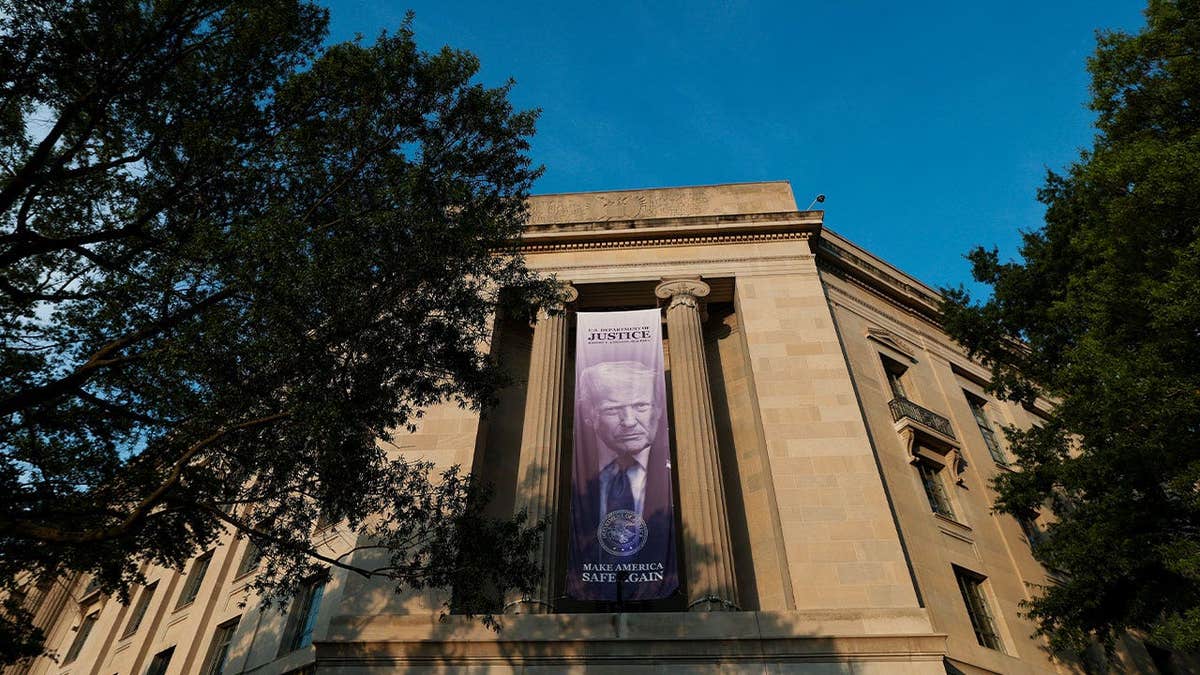
While the U.S. government has historically been cautious about extraditing its citizens, the Department of Justice has been increasingly aggressive in its pursuit of fugitives who attempt to find sanctuary in foreign countries—and vice-versa. This shift is part of a larger trend of increased foreign outreach, with the FBI and the DOJ working to ensure that no country becomes a "safe haven" for those accused of heinous crimes.
For the judicial system in El Salvador, the trial of Castillo Murga will be a high-profile test of their ability to adjudicate complex, evidence-heavy cases involving international actors. The presence of the defendant in a Salvadoran courtroom will provide a sense of closure for the victim’s family and serves as a public declaration that, regardless of the years that pass, the pursuit of justice for victims of gender-based violence remains a priority.
As Castillo Murga now prepares to face the charges of aggravated femicide, the international legal community will be watching closely. This case does more than resolve a singular, tragic event; it recalibrates the boundaries of justice and serves as a stern reminder that the protections of citizenship are not synonymous with the privilege of impunity. The coordination between the U.S. Department of Justice and the Salvadoran government underscores a growing consensus: that in the face of violent crime, national borders should not serve as an insurmountable barrier to the truth.

