Primate Planet: Securing a Future for Our Closest Relatives in a Changing World represents a comprehensive global initiative and documentary effort designed to chronicle the precarious state of non-human primates and the intensive conservation strategies being deployed to prevent their extinction. Across the tropical belt, from the dense rainforests of the Amazon to the volcanic slopes of East Africa and the peat swamps of Southeast Asia, a multifaceted movement is coalescing to address the tripartite threats of zoonotic disease, relentless deforestation, and the clandestine illegal wildlife trade. This reporting underscores a pivotal moment in biological history where the survival of our closest evolutionary relatives depends no longer on isolation, but on active, science-driven intervention and the integration of local human communities into the conservation framework.
The current state of global primatology is marked by a sense of extreme urgency. According to data from the International Union for Conservation of Nature (IUCN) Red List of Threatened Species, approximately 60% of the world’s primate species are now threatened with extinction, and an estimated 75% have populations that are in a state of severe decline. This crisis is not merely a loss of biodiversity; primates serve as "gardeners of the forest," playing indispensable roles in seed dispersal and the maintenance of forest architecture. Their disappearance would trigger a trophic cascade, undermining the health of tropical ecosystems that are vital for global carbon sequestration and climate regulation.
The Triple Threat: Deforestation, Trade, and Disease
The primary driver of primate decline remains the loss of habitat. As industrial agriculture—specifically palm oil, soy, and cattle ranching—expands, the contiguous forests required for primate survival are being carved into isolated fragments. Fragmentation is particularly lethal for arboreal species that cannot travel across open ground, effectively trapping populations in small "islands" of greenery where genetic diversity withers due to inbreeding.
Parallel to habitat loss is the escalating impact of the illegal wildlife trade. Primates are targeted for the exotic pet market, traditional medicine, and bushmeat. The capture of a single infant primate often necessitates the killing of several adult family members, leading to a demographic collapse within social groups. Furthermore, the proximity between humans and primates in these contexts creates a dangerous conduit for pathogens. Because primates share a high percentage of their DNA with humans, they are susceptible to many of the same respiratory and gastrointestinal illnesses. In Africa, Ebola outbreaks have decimated populations of great apes, sometimes killing up to 90% of a localized group, while in the Americas, yellow fever remains a persistent threat to howler monkeys.
A Chronology of Conservation Evolution
The methodology of primate conservation has undergone a radical transformation over the last half-century. In the 1960s and 1970s, the focus was primarily on "fortress conservation"—the establishment of protected areas that excluded local human populations. While this preserved some habitats, it often created conflict with indigenous groups and proved difficult to police against determined poachers.
By the 1990s, the paradigm shifted toward "community-based conservation." This approach recognized that if local people do not benefit from the presence of wildlife, they have little incentive to protect it. The turn of the millennium brought about the "One Health" approach, which integrates human, animal, and environmental health, recognizing that the well-being of a mountain gorilla in Rwanda is inextricably linked to the health of the villagers living at the edge of the park.
Today, the "Primate Planet" era utilizes advanced technology to bridge the gap between data and action. Drones are used to monitor canopy health and track illegal logging, while environmental DNA (eDNA) sampling allows scientists to detect the presence of elusive species through water or soil samples without ever seeing the animals themselves.
Regional Successes: The Rwandan Model and Beyond
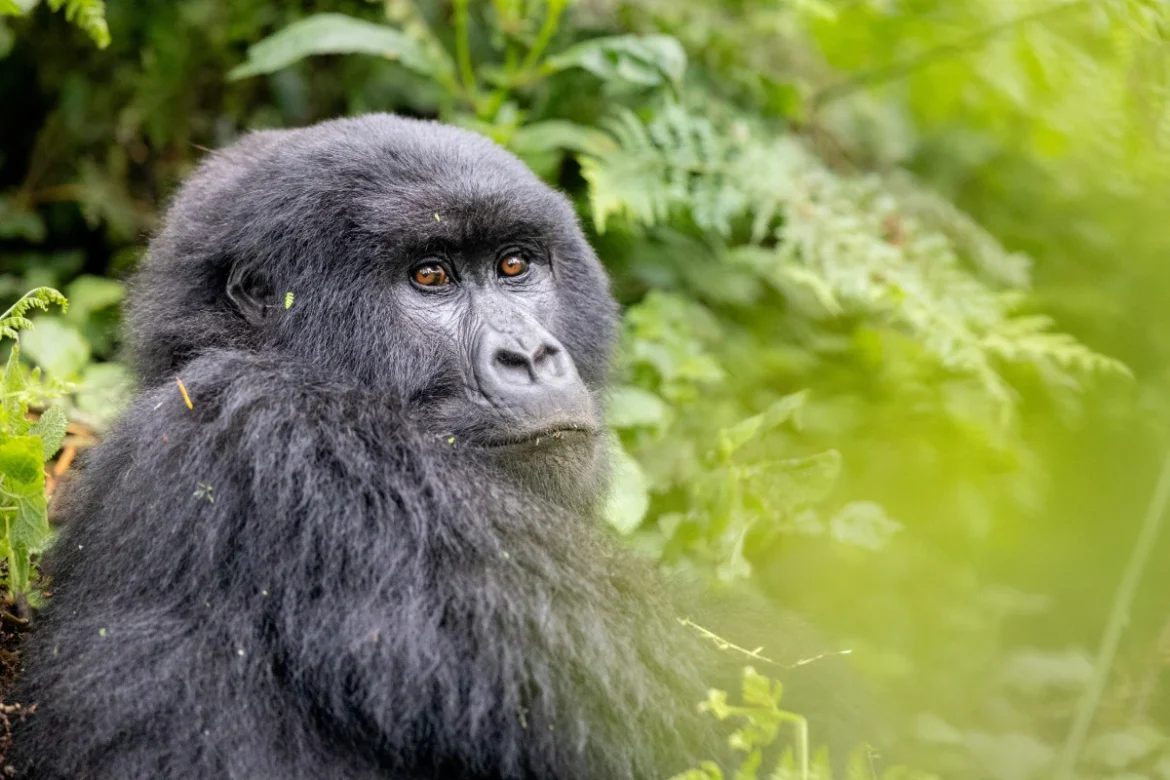
One of the most prominent success stories highlighted in the current conservation landscape is the recovery of the mountain gorilla (Gorilla beringei beringei) in the Virunga Massif. Once feared to be on the verge of extinction by the end of the 20th century, the population has grown to over 1,000 individuals. This recovery is attributed to "extreme conservation," which includes daily monitoring by rangers, veterinary interventions in the wild, and a robust eco-tourism model.
In Rwanda’s Volcanoes National Park, the government has implemented a revenue-sharing program where 10% of all tourism income is directed back into local community projects, such as building schools and health clinics. This has transformed former poachers into protectors, as the survival of the gorillas is now directly tied to the economic prosperity of the region.
Similar efforts are being replicated in Indonesia to protect orangutans. Conservationists are working with palm oil concessions to create "wildlife corridors"—strips of forest that allow orangutans to move safely between protected areas. By reconnecting fragmented landscapes, these corridors ensure that isolated populations can interbreed, maintaining the genetic health of the species.
Supporting Data and Scientific Analysis
Quantitative analysis of primate habitats suggests that the next decade will be "make or break" for several species. Research published in Science Advances indicates that four countries—Brazil, Indonesia, Madagascar, and the Democratic Republic of the Congo—host 65% of all primate species. Consequently, the conservation policies of these four nations will disproportionately determine the future of the entire Primate order.
In Madagascar, the situation is particularly dire. Over 90% of lemur species are threatened with extinction. Because lemurs are endemic to the island, their loss would represent the total disappearance of an entire evolutionary lineage. Data shows that the expansion of small-scale "tavy" (slash-and-burn) agriculture, driven by extreme poverty, is the primary threat. Conservationists here are focusing on "reforestation for fuel," planting fast-growing trees for firewood so that locals do not need to encroach on the primary forests inhabited by lemurs.
Official Responses and Global Collaboration
International bodies have increasingly recognized that primate conservation is a global responsibility rather than a local burden. The United Nations Environment Programme (UNEP) and the Great Apes Survival Partnership (GRASP) have called for increased international funding to support ranger salaries and anti-trafficking units.
Dr. Russell Mittermeier, Chair of the IUCN Species Survival Commission Primate Specialist Group, has frequently emphasized that "primates are our closest living relatives and a vital part of the world’s natural heritage. Protecting them is not just a moral imperative but an ecological necessity."
In response to the "Primate Planet" initiatives, several non-governmental organizations (NGOs) have called for stricter regulations on supply chains. There is a growing push for "Primate-Safe" certifications for products like coffee, cocoa, and timber, similar to "Dolphin-Safe" labels for tuna. This would allow consumers in the Global North to support conservation through their purchasing power.
Broader Impact and Long-term Implications
The implications of primate conservation extend far beyond the species themselves. Primates are often considered "umbrella species." By protecting the large tracts of forest required by a troop of chimpanzees or a family of spider monkeys, conservationists effectively protect thousands of other species—insects, birds, amphibians, and plants—that share that same ecosystem.
Furthermore, the "Primate Planet" series highlights a shift in narrative. While the challenges are immense, the focus is increasingly on resilience and innovation. The use of bioacoustics—deploying microphones in the forest to listen for the calls of rare primates—has allowed researchers to find populations previously thought to be lost. In the Amazon, indigenous-led conservation projects are proving that traditional knowledge, combined with modern GPS mapping, is one of the most effective tools for forest protection.
However, the analysis also warns of the "empty forest syndrome." In many parts of the world, the trees remain standing, but the primates have been hunted out. This leads to a breakdown in forest regeneration, as there are no large mammals left to disperse the seeds of the largest tree species. Without primates, the very composition of the world’s rainforests will change, potentially reducing their ability to store carbon and combat global warming.
Conclusion: A Grounded but Hopeful Outlook
The movement to secure a future for primates is a testament to human ingenuity and empathy. It is a movement that bridges the gap between the laboratory and the rainforest floor, between the policy halls of the UN and the remote villages of the tropics. The "Primate Planet" initiative serves as both a warning and a roadmap. It acknowledges the grim realities of habitat loss and the illegal trade but counters them with stories of populations rebuilt and forests reconnected.
The survival of primates in a rapidly changing world is not a guaranteed outcome, but it is a possible one. It requires a sustained commitment to funding, a global crackdown on the illegal wildlife trade, and, most importantly, a continued effort to align the needs of human communities with the needs of the natural world. As we look toward the mid-21st century, the fate of our closest relatives remains one of the most significant barometers for the health of the planet as a whole. Through collaboration and resilience, the goal is to ensure that the "Primate Planet" remains a living reality for generations to come.