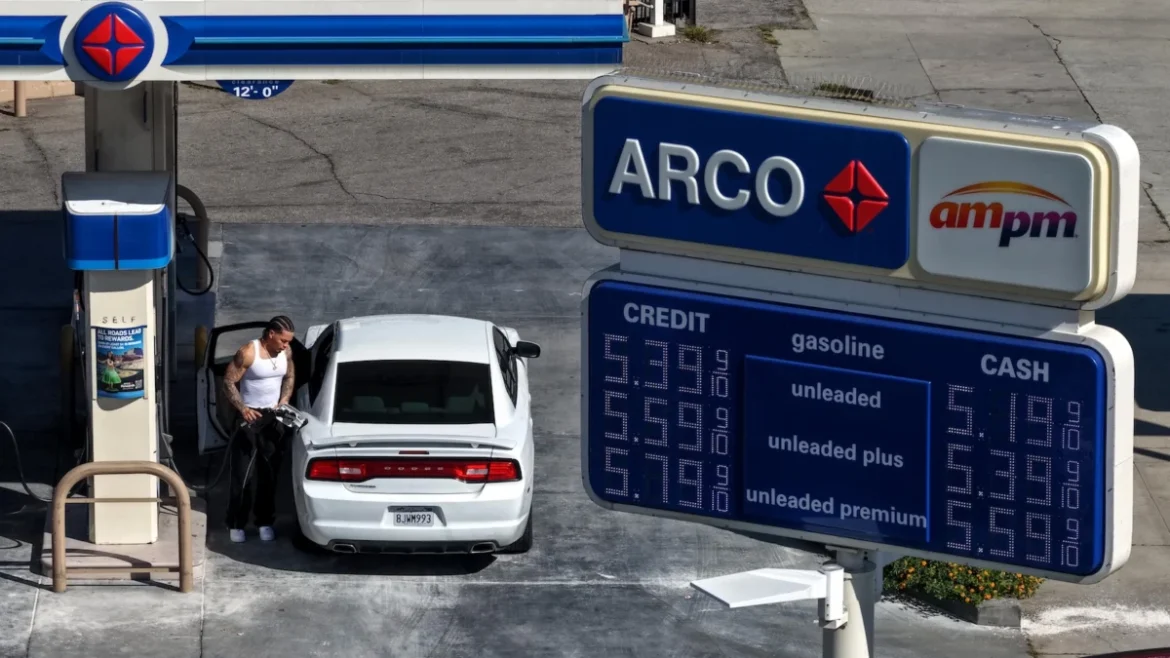
As the conflict in the Middle East enters its second month, the focus of the American consumer has naturally gravitated toward the escalating price of gasoline at local pumps. However, a deeper and more systemic economic threat is emerging from a less-scrutinized corner of the energy market: diesel fuel. While gasoline prices have surged significantly since the onset of hostilities on February 28, 2026, new data indicates that diesel—the lifeblood of global logistics, agriculture, and heavy industry—is experiencing a much more aggressive price spike, creating a massive inflationary pressure that is rippling through every sector of the United States economy.
According to a newly launched tracking tool from researchers at Brown University’s Watson Institute, the total added fuel cost to the American public has reached a staggering $19 billion as of April 13. While the national discourse remains preoccupied with the psychological threshold of five-dollar-a-gallon gasoline, the data reveals a more nuanced and troubling reality. Diesel fuel alone accounts for $9.4 billion of that increase, representing nearly half of the total economic burden. For the average American household, this translates to an indirect cost of approximately $71 per month, a figure that hits even those who do not own a vehicle or who drive electric cars, as the cost of transported goods rises in tandem with fuel prices.
The Geography of the Crisis: The Strait of Hormuz
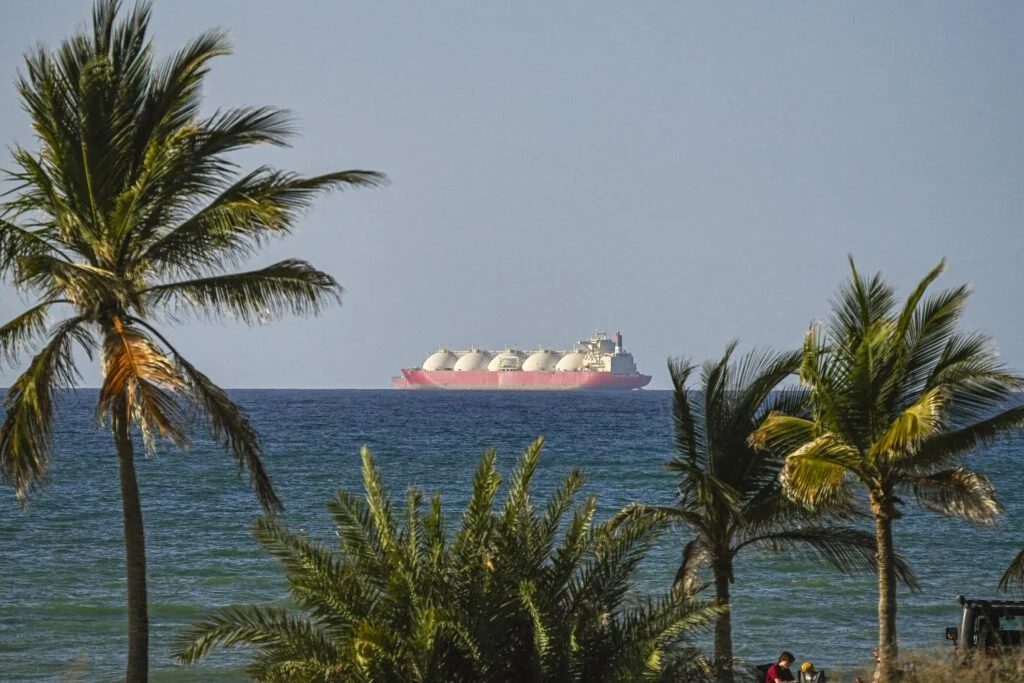
The current energy crisis is rooted in the strategic geography of the Persian Gulf. Following the initiation of joint military operations by the United States and Israel against Iranian targets in late February, Tehran moved swiftly to exercise its most potent economic lever: the closure of the Strait of Hormuz. This narrow waterway, which separates the Persian Gulf from the Gulf of Oman, is the world’s most important oil transit chokepoint. Approximately one-fifth of the world’s total petroleum liquids consumption—nearly 21 million barrels per day—passes through this strait.
The immediate effect of the closure was a "risk premium" added to global crude prices, but the secondary effects on refined products like diesel have been more severe. Unlike gasoline, which is primarily a consumer-facing product, diesel is essential for the "middle-distillate" market. When the Strait was closed, the global supply of heavy and medium-sour crudes—which are particularly well-suited for refining into diesel—was disproportionately affected. This has led to a situation where the price of diesel is not just tracking the price of crude oil but is outpacing it due to refining constraints and localized scarcity.
A Chronology of Escalation
The timeline of the current crisis illustrates a rapid deterioration of market stability. On February 28, the first kinetic engagements between coalition forces and Iranian defensive batteries were reported. Within 48 hours, Iran’s Revolutionary Guard announced a total blockade of the Strait of Hormuz, citing national security concerns. By March 5, Brent crude prices had breached $120 per barrel, with domestic diesel prices jumping 15 percent in a single week.
Throughout March, the United States attempted to mitigate the impact by releasing record amounts of oil from the Strategic Petroleum Reserve (SPR). However, the SPR is largely comprised of light-sweet crude, which produces a higher yield of gasoline than diesel. Consequently, while gasoline prices saw a temporary stabilization in mid-March, diesel prices continued their upward trajectory.
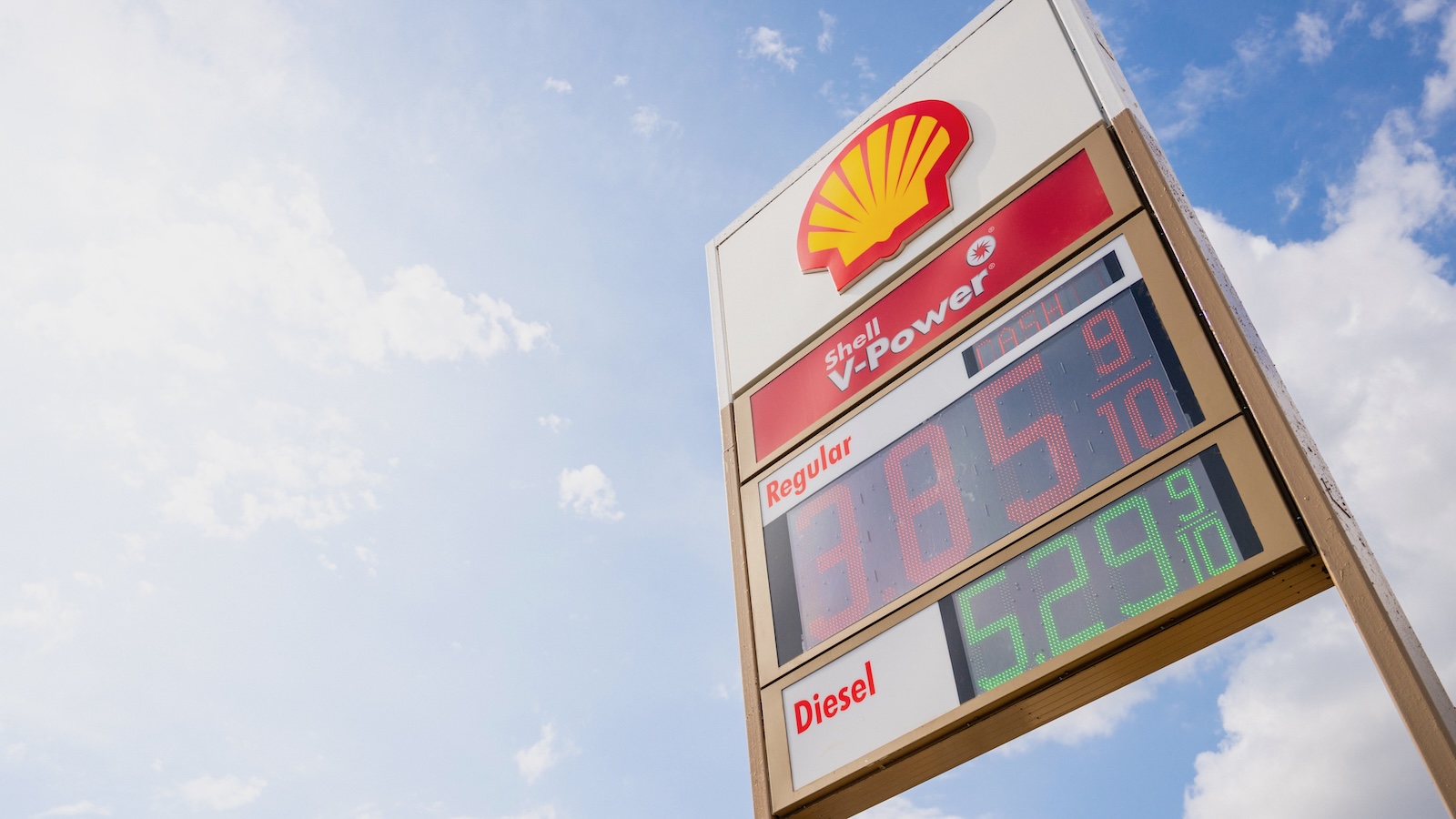
The situation reached a critical juncture over the weekend of April 11-12. Diplomatic efforts to negotiate a temporary humanitarian corridor through the Strait of Hormuz collapsed when the United States and Iran failed to reach an agreement on the monitoring of cargo. In response to the failed talks, President Donald Trump announced a comprehensive naval blockade of all major Iranian ports, a move intended to sever Tehran’s remaining illicit oil exports to Asian markets. This announcement, made on Sunday evening, triggered a fresh wave of panic buying in the energy markets, pushing diesel prices to a 54 percent cumulative increase since the war began, far outstripping the 38 percent increase seen in gasoline.
The Diesel Inelasticity Trap
The economic danger of surging diesel prices lies in the concept of price elasticity. Patrick De Haan, head of petroleum analysis for GasBuddy, notes that gasoline demand is relatively elastic. As prices rise, individual consumers may choose to cancel road trips, carpool, or utilize public transit, thereby reducing overall demand and putting downward pressure on prices.
Diesel demand, however, is fundamentally inelastic. The trucks that deliver food to grocery stores, the trains that transport raw materials to factories, and the tractors currently preparing fields for the spring planting season do not have the luxury of "driving less." These sectors must purchase fuel regardless of the cost to maintain the continuity of the American supply chain.
"Diesel is the fuel that powers the economy much more than gasoline does," De Haan explained. "Because each barrel of oil produces less diesel than gasoline, the impact of a supply shock is disproportionately higher for the trucking and logistics industries. These costs are not absorbed by the companies; they are passed directly to the consumer in the form of higher prices for bread, milk, and consumer electronics."
The Winter Overlap and Molecular Constraints
The timing of the conflict has further exacerbated the diesel crisis. The United States and Israel began their campaign on the heels of an unusually prolonged and cold winter in the Northeast. In New England and the Mid-Atlantic, many homes rely on #2 heating oil for warmth. Chemically, #2 heating oil and ultra-low sulfur diesel (ULSD) are nearly identical.
As the war began, regional inventories of heating oil were already at seasonal lows. The sudden supply shock from the Middle East forced refineries to choose between producing heating oil for a freezing population or diesel for the logistics network. This seasonal pressure created a "floor" for diesel prices that prevented them from retreating even when crude oil saw minor technical corrections.
Jeff Colgan, a political scientist at Brown University who led the development of the "Iran War Cost" dashboard, emphasizes that the public is often unaware of how these molecular similarities affect their wallets. "You’re probably feeling it in ways you don’t realize," Colgan said. "The heating bill you paid in March and the price of the groceries you’re buying in April are both tied to the same diesel-distillate pool that is being drained by this conflict."
Corporate and Global Reactions
The corporate world is sounding the alarm on the divergence between market expectations and physical reality. Mike Wirth, the Chief Executive Officer of Chevron, noted during a recent industry conference that "physical prices and physical supplies reflect a tighter market than the forward curve reflects." In simpler terms, while financial traders are betting that prices will eventually stabilize (the forward curve), the actual cost to buy a physical barrel of oil today (the spot price) remains dangerously high. This indicates a "backwardated" market, where immediate scarcity is so acute that buyers are willing to pay a massive premium for any available supply.
While the crisis has been devastating for consumers, it has created a windfall for oil producers located outside the conflict zone. Russia, despite ongoing international sanctions related to other conflicts, has emerged as a primary beneficiary, as its Urals crude is being sold at a premium to thirsty markets in Asia and Europe that can no longer access Iranian or Gulf supplies. Similarly, domestic producers in the United States, particularly in the Permian Basin, are seeing record profits, though they face their own hurdles in scaling up production due to labor shortages and high equipment costs—ironically driven by the high cost of diesel required for drilling operations.
Broader Implications and the Path Forward
The long-term implications of this diesel-led inflation are profound. If the blockade of the Strait of Hormuz persists through the summer, economists warn of a "stagflationary" environment—a period of stagnant economic growth coupled with high inflation. The Federal Reserve, already grappling with interest rate decisions, faces a dilemma: raising rates may not curb inflation driven by essential fuel costs, but failing to act could allow inflationary expectations to become unanchored.
Furthermore, the conflict has reignited the debate over energy security and the transition to electric vehicles (EVs). While high gasoline prices often serve as a catalyst for consumer EV adoption, the "diesel side" of the economy is much harder to decarbonize. Electric semi-trucks and agricultural machinery are still in their infancy, meaning the American economy remains tethered to the volatility of global oil markets for its most essential functions.
As of Monday morning, with the new blockade on Iranian ports in effect, the market remains in a state of high tension. Iran has reportedly threatened to impose "million-dollar tanker fees" on any vessel attempting to navigate the region once the strait eventually reopens, a cost that would inevitably be passed down to the global consumer.
For now, analysts like De Haan suggest that the gap between gasoline and diesel may begin to narrow as the "summer driving season" approaches, which typically sees a spike in gasoline demand. However, this offers little comfort to the American public. A narrowing gap achieved by gasoline prices rising to meet the already-inflated diesel prices would only deepen the $19 billion hole in the national economy.
The data from Brown University serves as a stark reminder that modern warfare is no longer confined to the battlefield; it is fought at the gas pump, in the grocery aisles, and across the global supply chains that define 21st-century life. Until a diplomatic resolution is reached or a new equilibrium in global energy supply is established, the "diesel tax" will continue to weigh heavily on every American household.